Loyalty Program

Side Discharge Heat Pumps in 2026: How They Redefine Efficient Heating and Cooling
As homes and businesses seek smarter, energy-efficient solutions, side discharge heat pumps are emerging as a game-changer in 2026. Unlike traditional systems, these heat pumps optimize airflow and energy use, providing both heating and cooling with impressive efficiency. Their cutting-edge design maximizes space efficiency, operates more quietly, and lowers energy use, making them ideal for contemporary buildings. Proper maintenance of heat pump parts ensures these systems operate at peak efficiency.
Beyond HVAC energy savings, side-discharge heat pumps offer enhanced comfort and environmental benefits. By transferring heat more efficiently, they cut dependence on fossil fuels and help shrink carbon footprints. With advancements in technology, these pumps are not only cost-effective but also redefine year-round climate control in homes and commercial spaces.
What Is a Side Discharge Heat Pump and How Does It Work?
Side-discharge heat pumps are an innovative type of climate control system that pushes air out to the side, rather than forward or upward. This design helps distribute air more evenly, reduces noise, and allows flexible placement in tight spaces. Their efficiency and modern design make them an increasingly popular choice in 2026. Here’s how it works:
Side-discharge heat pumps use a refrigerant to move heat between the indoors and outdoors. Depending on the season, they can either heat or cool a space while ensuring consistent air circulation throughout the room.
-
Air Intake and Heat Movement: The unit pulls in air and transfers heat in or out using a refrigerant cycle.
-
Heating Mode: In colder months, the system absorbs warmth from outside air and delivers it indoors.
-
Cooling Mode: During warmer months, it extracts heat from the indoor air and releases it outside, cooling the room.
-
Side Airflow Design: By discharging air sideways, it avoids blockages and spreads conditioned air more evenly for better comfort.
Side-discharge heat pumps provide an efficient, quiet, and flexible solution for year-round heating and cooling.
Key Factors Driving the Shift Toward Advanced HVAC Systems
HVAC technology is changing faster than ever as homes and businesses look for smarter, greener ways to stay comfortable. Heat pump benefits, from reducing energy bills to improving indoor air quality, are driving the shift toward next-generation climate control solutions.
|
Key Factor |
Why It Matters |
Example HVAC System Types |
|
Energy Efficiency |
Rising energy costs and environmental concerns push the use of systems that consume less electricity while keeping spaces comfortable. |
Variable-Speed Air Conditioners, High-Efficiency Heat Pumps |
|
Smart Technology Integration |
Advanced systems now include smart thermostats, sensors, and IoT features, letting users control temperature remotely and optimize performance. |
Smart HVAC Systems with Wi-Fi Control, Zoned HVAC Systems with Automated Sensors |
|
Environmental Regulations |
Stricter rules on emissions and energy use are encouraging eco-friendly HVAC solutions. |
Geothermal Heat Pumps, Energy-Efficient VRF/VRV Systems |
|
Improved Indoor Air Quality |
Modern HVACs often have advanced filtration and ventilation, reducing allergens, dust, and pollutants for healthier indoor air. |
Air Purification-Integrated HVAC Systems, Ventilation-Focused Ducted Systems |
|
Flexible Installation and Design |
Compact, modular designs allow easier installation in different building types while maintaining efficient airflow. |
Ductless Mini-Split Systems, Modular Packaged HVAC Systems |
Air source heat pumps deliver smarter, energy-efficient HVAC solutions with lower costs and eco-friendly performance.
Explore A2L refrigerants, the new standard in HVAC, which are low-GWP, mildly flammable alternatives that improve energy efficiency and reduce environmental impact.
Environmental and Energy-Saving Advantages of Side Discharge Designs
Side-discharge HVAC systems are redefining efficiency by combining innovative airflow management with eco-conscious operation. Here’s what sets them apart:
-
Optimized Air Distribution: Side discharge units push air along walls or ceilings, reducing cold or hot spots and minimizing wasted energy.
-
Lower Heat Rejection: By directing exhaust air sideways, these systems prevent heat buildup around the unit, making cooling more efficient and reducing energy draw.
-
Compact Footprint: Their design allows installation in tight spaces without compromising performance, which means fewer structural modifications and less construction waste.
-
Better Natural Ventilation Synergy: They can work alongside passive cooling strategies, such as windows and vents, cutting reliance on mechanical energy.
-
Reduced Maintenance Energy: Easier access to components means less energy and resources spent on servicing, and filters can be changed quickly without shutting down the system.
-
Enhanced Zoning Possibilities: Side discharge systems can be paired with multi-zone layouts, cooling only the spaces in use and lowering overall energy consumption.
-
Material Efficiency: Fewer large ducts are required, which reduces the embodied energy from manufacturing and transport of building materials.
In short, side discharge designs, especially systems like the ClimateMaster heat pump, offer smart, space-conscious, sustainable heating solutions that save energy, lower emissions, and enhance overall system efficiency.
Why 2025 Is the Breakthrough Year for Side Discharge Heat Pumps
2025 marks a turning point for side-discharge heat pumps, driven by technological advances and a rising demand for energy-efficient solutions. They’re quickly becoming a top choice for homes and businesses seeking smarter, greener heating and cooling.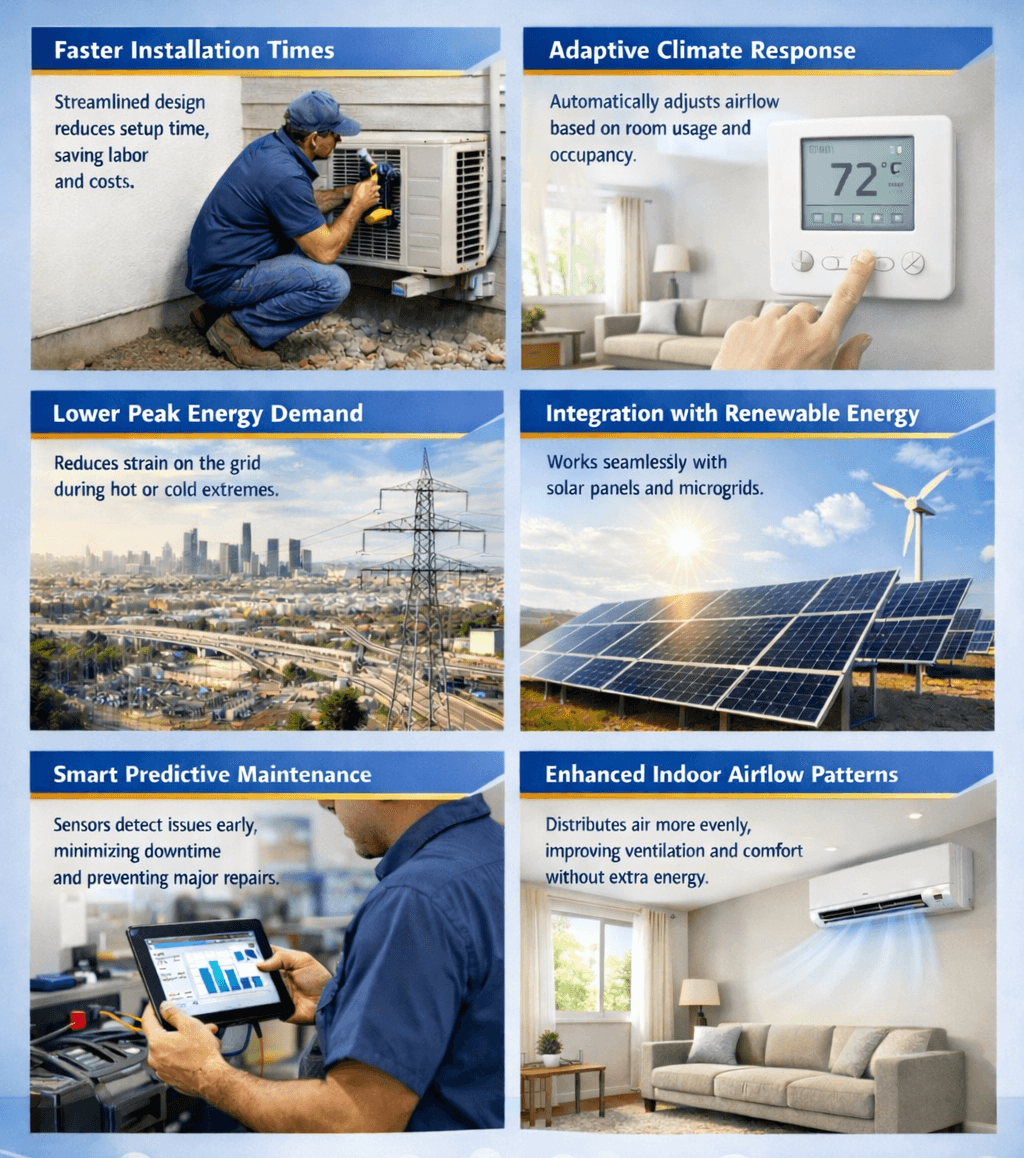
Advancements in heat pump technology are making side-discharge systems a smarter, more efficient choice for modern heating and cooling.
Check out the future of HVAC is green: switching to Low-GWP refrigerants for a Better Tomorrow, to see how low-GWP refrigerants improve efficiency.
What Comes Next for Heating and Cooling System Innovation in 2026
As 2026 unfolds, the future of heating and cooling is moving toward smarter, more adaptable systems. Side-discharge heat pumps are emerging as a game-changer, offering precise temperature control, energy efficiency, and quieter operation. With growing focus on sustainability and integration with renewable energy, these systems are not just improving comfort—they’re shaping a cleaner, greener future for homes and businesses alike.
Key Takeaways:
-
AI-Driven Climate Control: Systems that predict temperature needs and adjust automatically for maximum comfort and efficiency.
-
Full Home Energy Integration: HVAC units that sync with solar panels, batteries, and smart grids for optimized energy use.
-
Next-Gen Refrigerants: Adoption of ultra-low global warming potential refrigerants to cut emissions further.
-
Advanced Zoning Capabilities: Heating and cooling tailored to individual rooms or zones for precise comfort and lower energy use.
-
Self-Cleaning Air Systems: Innovative filters and ducts that reduce allergens and maintenance.
-
Hybrid Heat Pump Solutions: Systems combining multiple energy sources, like electricity and gas, for peak efficiency year-round.
-
Voice and App Integration: HVAC units controlled entirely via smart devices and voice assistants.
-
Enhanced Durability with Eco Materials: Using sustainable and longer-lasting components to reduce waste and environmental impact.
Side-discharge heat pumps offer high energy efficiency, quiet operation, and flexible installation. As part of advanced HVAC innovations, they reduce carbon emissions, lower energy costs, and integrate seamlessly with smart and renewable energy systems, making them a key solution for sustainable heating and cooling in 2026.
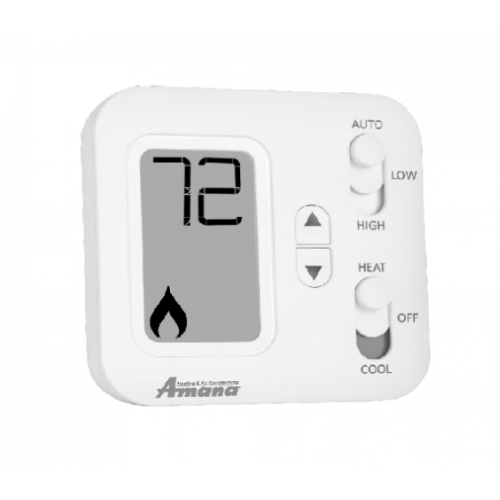
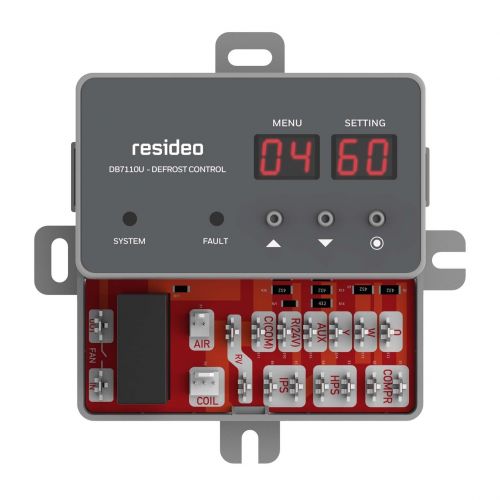
Looking to upgrade the heat pump in 2026? PartsHnC offers HVAC parts and supplies to keep your system running at peak efficiency. From side-discharge units to compressors, thermostats, condenser fan motors, control boards, and contactors and essential components from leading brands like Trane, Carrier, Rheem, and Goodman, we ensure your heating and cooling systems stay reliable all year long.
References:
https://basc.pnnl.gov/resource-guides/ground-source-heat-pumps
https://www.aceee.org/files/proceedings/2014/data/papers/1-483.pdf
FAQs
What makes side-discharge heat pumps different from traditional HVAC systems?
Side-discharge heat pumps release air from the side instead of the top, saving rooftop space. They integrate heating and cooling in a single efficient unit.
Why are side-discharge heat pumps considered more energy-efficient in 2025?
They use advanced compressors and smart controls to reduce energy consumption. Side discharge design improves airflow, lowering operational costs.
How do side-discharge heat pumps contribute to sustainable heating and cooling?
They reduce greenhouse gas emissions by using less electricity than traditional systems. Many models use eco-friendly refrigerants, supporting green building goals.
Are side-discharge heat pumps suitable for both residential and commercial buildings?
Yes, they can be scaled for homes, offices, and larger commercial spaces. Their compact design makes installation flexible in various settings.
Is 2025 the right time to invest in a side-discharge heat pump system?
Rising energy efficiency standards make 2025 ideal for upgrading HVAC systems. Government incentives and rebates can make the investment more cost-effective.