Loyalty Program

MRCOOL DIY Single-Zone vs. Multi-Zone Systems: Which Configuration Is Right for You?
Choosing the right HVAC system is essential for maintaining year-round comfort, controlling energy costs, and matching your home’s heating and cooling needs. MRCOOL DIY mini-split systems offer flexible installation options, but choosing between a single-zone and multi-zone configuration can make a significant difference in comfort, efficiency, and system performance.
MRCOOL DIY systems provide flexible heating and cooling for individual rooms and multiple zones while offering convenient installation and independent temperature control. Comparing MRCOOL DIY single-zone and multi-zone systems helps homeowners understand the differences in coverage, installation, energy efficiency, and operating flexibility, making it easier to choose the right configuration for their home and budget.
How Does an MRCOOL DIY Single-Zone System Work?
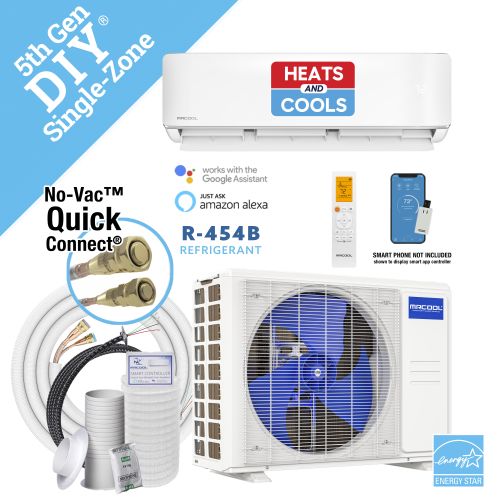
MRCOOL DIY single-zone system is a ductless heating and cooling setup that pairs one indoor air handler with one outdoor heat pump. It is designed to condition a specific room or area without requiring traditional ductwork, while allowing that zone to be controlled independently.
Here Is How MRCOOL DIY Single-Zone Systems Operate:
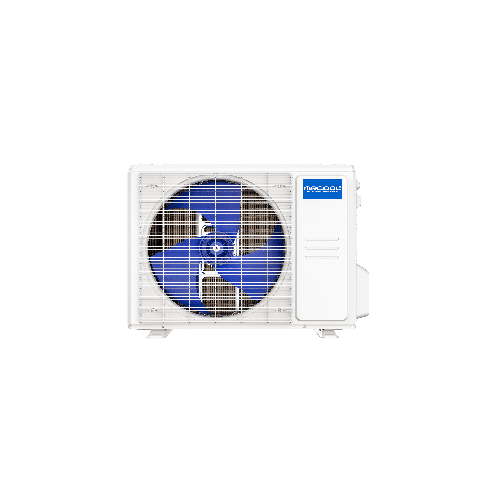
1. Outdoor Heat Pump: The outdoor unit houses the compressor and coil that support the system’s heat-transfer process. It moves refrigerant through the system according to the selected heating or cooling mode.
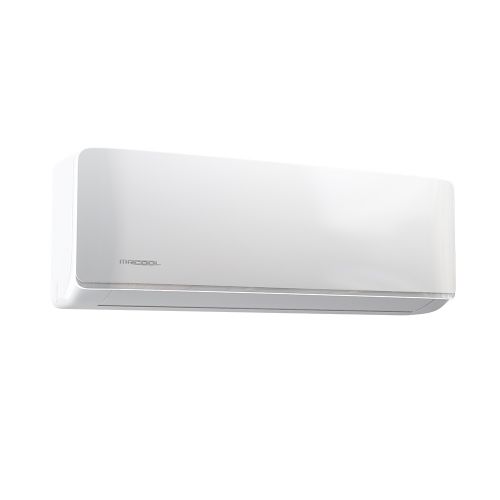
2. Indoor Air Handler: The indoor unit draws in room air, passes it across its coil, and circulates the conditioned air back into the space through its built-in fan.
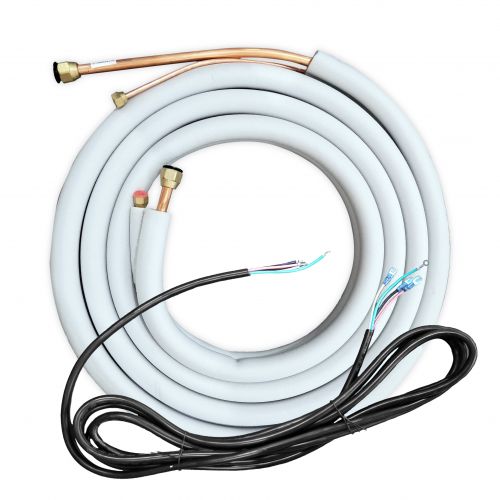
3. Quick Connect® Line Set: A pre-charged refrigerant line set connects the indoor and outdoor units. This connection simplifies installation compared with systems that require conventional field charging.
4. Cooling Cycle: In cooling mode, the indoor coil absorbs heat from the room. The refrigerant carries that heat to the outdoor unit, where it is released into the surrounding air.
5. Heating Cycle: In heating mode, the refrigeration cycle reverses direction. The outdoor coil extracts available heat from outdoor air, and the system transfers that heat indoors.
6. Variable-Speed Operation: The inverter-driven compressor can adjust its speed based on the zone’s heating or cooling demand, helping the system match output to changing conditions.
7. Dedicated Zone Control: Because one indoor unit serves one designated area, users can control the temperature of that space independently. This makes the configuration suitable for bedrooms, additions, garages, offices, and other individual areas.
Looking for an easy-to-install heating and cooling solution? Explore MRCOOL DIY mini-splits, including heat pump options in various capacities and configurations. Find compatible HVAC replacement parts at PartsHnC, with fast shipping delivered directly to your doorstep. Sign up for TradePro and get 500 reward points instantly, plus exclusive smart savings and offers through TradePro Rewards.
How Does an MRCOOL DIY Multi-Zone System Work?
An MRCOOL DIY multi-zone system is a ductless heating and cooling setup that connects multiple indoor air handlers to a single outdoor heat pump. Each indoor unit serves a designated area, allowing several parts of a home to receive conditioned air without installing traditional ductwork.
Here Is How MRCOOL DIY Multi-Zone Systems Operate:
1. Zone-Specific Indoor Units: Each connected air handler is assigned to a particular room or area, such as a bedroom, living room, or home addition. This creates separate conditioning zones throughout the home.
2. Central Outdoor Heat Pump: The outdoor condenser acts as the main source of heating and cooling for all connected indoor units rather than requiring a separate outdoor system for every zone.
3. Individual Refrigerant Lines: Dedicated line sets connect each indoor unit to the outdoor condenser, providing the pathway needed to transfer refrigerant between the indoor and outdoor components.
4. Demand-Based Operation: When a zone requires heating or cooling, its indoor unit communicates its demand to the system. The outdoor unit adjusts its operation to meet the requirements of the connected zones.
5. Room-Level Temperature Control: Each indoor unit has its own controls, allowing occupants to select the desired temperature for their individual zone rather than relying on one setting for the entire home.
6. Zoned Comfort Distribution: Because each air handler conditions its assigned area directly, homeowners can manage comfort according to the heating or cooling needs of different rooms.
7. Coordinated System Operation: The indoor units and outdoor heat pump operate as a connected system, coordinating heating and cooling across multiple zones while using one outdoor unit.
Explore the top 9 benefits of MRCOOL DIY heat pumps you should know before buying.
MRCOOL DIY Single-Zone vs. Multi-Zone: Key Differences Compared
MRCOOL DIY single-zone and multi-zone systems both provide efficient, ductless heating and cooling for homes across the U.S. The key differences are the number of indoor units, coverage, installation requirements, and temperature control. Knowing how each setup works can help homeowners choose the right option for their home. Here are the key differences:
|
Feature |
MRCOOL DIY Single-Zone System |
MRCOOL DIY Multi-Zone System |
|
Indoor Units |
Uses 1 indoor air handler to condition one room, open area, or designated zone. |
Uses 2 to 6 indoor air handlers, allowing multiple rooms or areas to operate as separate zones. |
|
Outdoor Unit Configuration |
Uses 1 outdoor condenser for 1 indoor air handler. Additional single-zone areas generally require additional outdoor units. |
Uses 1 higher-capacity outdoor condenser to serve multiple connected indoor air handlers. |
|
Temperature Control |
Provides temperature control for one designated zone through its connected indoor unit. |
Provides independent temperature settings for each connected indoor unit, allowing room-by-room comfort control. |
|
Operating Modes |
Provides heating or cooling for its single connected zone. |
Connected indoor units must operate in the same overall mode, such as heating or cooling. |
|
Best For |
Single rooms, garages, home additions, master bedrooms, offices, and open floor plans requiring dedicated climate control. |
Multiple bedrooms, whole-house zoning, separate offices, and multi-floor layouts requiring multiple conditioned zones. |
|
Upfront Cost |
Generally has a lower equipment cost because it requires one indoor and one outdoor unit. |
Generally has a higher equipment cost because it requires multiple indoor units and a higher-capacity outdoor condenser. |
|
Energy Efficiency |
Can operate efficiently when its capacity is properly matched to the load of the single zone. |
Efficiency depends on the number of active zones, combined load, system capacity, and operating conditions. |
|
Exterior Footprint |
Expanding coverage to multiple rooms can require multiple outdoor condensers, increasing exterior equipment space. |
One outdoor condenser can serve multiple indoor zones, helping reduce the number of outdoor units required. |
|
Installation Complexity |
Requires one line-set route and fewer connections, making the configuration simpler to install. |
Requires multiple refrigerant line sets, additional connections, and more routing, making installation more involved. |
|
System Redundancy |
A system failure affects one designated zone. Other areas can remain operational if they use separate systems. |
A failure of the shared outdoor condenser can affect all connected zones because they depend on the same outdoor unit. |
How to Choose the Right MRCOOL DIY Configuration for Your Home
Choosing an MRCOOL DIY system starts with understanding its available generations, capacities, and zone configurations. Comparing these options helps you find the right fit for your home. Consider these key factors when selecting your MRCOOL DIY system:
1. Available Models: MRCOOL DIY comes in different generations, capacities, and zone configurations. Here are the available options:
4th Gen E Star Single-Zone: The 4th Gen E Star lineup provides three single-zone capacity options:
-
DIY-12-HP-WM-115C25 — 12K BTU
-
DIY-18-HP-WM-230C25 — 18K BTU
-
DIY-36-HP-WM-230C25 — 36K BTU
5th Gen Single-Zone: The 5th Gen lineup expands the single-zone range from 9K to 36K BTU:
-
DIY-09-HP-WM-115D25-O — 9K BTU
-
DIY-12-HP-WM-115D25-O — 12K BTU
-
DIY-18-HP-WM-230D25-O — 18K BTU
-
DIY-24-HP-WM-230D25-O — 24K BTU
-
DIY-36-HP-WM-230D25-O — 36K BTU
5th Gen Multi-Zone: For applications requiring multiple indoor units, the 5th Gen multi-zone lineup includes:
-
DIY-MULTI3-18HP230D-O — 18K BTU, up to 3 zones
-
DIY-MULTI4-27HP230D-O — 27K BTU, up to 4 zones
-
DIY-MULTI5-36HP230D-O — 36K BTU, up to 5 zones
-
DIY-MULTI6-48HP230D-O — 48K BTU, up to 6 zones
-
DIY-MULTI6-55HP230D-O — 55K BTU, up to 6 zones
2. Compare Efficiency Ratings: Check the SEER2, EER2, and HSPF2 ratings when comparing models. For example, the documented 18K BTU configuration is rated at 22.5 SEER2, 13.7 EER2, and 11.5/8.5 HSPF2-4/HSPF2-5.
3. Check the Refrigerant: The documented newer configuration uses R-454B refrigerant. Also review the maximum line-set length and other refrigerant specifications for the selected SKU before installation.
4. Verify Electrical Requirements: The single-zone lineup includes both 115V and 230V configurations. The 9K and 12K models use 115V configurations, while the listed 18K, 24K, and 36K models use 230V configurations. Check the required circuit ampacity and maximum fuse or breaker rating for the exact model.
5. Consider Filter Type: The documented configuration uses a reusable filter, allowing the filter to be removed and cleaned rather than routinely replaced.
6. Check Certifications: The documented specifications list AHRI and ENERGY STAR certifications. Certification status should be checked against the exact model and configuration.
7. Review Warranty Coverage: The MRCOOL DIY 5th Gen system includes 5-year parts coverage and 7-year compressor coverage, helping protect homeowners against covered component and compressor failures during the applicable warranty period.
8. Verify Model-Specific Requirements: Before selecting or installing a system, review the exact SKU's electrical requirements, refrigerant specifications, line-set limitations, clearances, and installation instructions. This is especially important when comparing 115V and 230V models or configuring a multi-zone system.
Discover MRCOOL DIY 4th Gen vs 5th Gen Mini Splits: What’s New and Which One Should You Choose?
Summary: MRCOOL DIY Single-Zone or Multi-Zone: Which One Should You Buy?
MRCOOL DIY single-zone and multi-zone systems serve different installation strategies, so the better choice depends on how your home is divided and conditioned. Looking beyond capacity alone can help determine which configuration makes more practical sense for your layout.
Key Takeaways
-
Choose Around the Home’s Layout: A single-zone system can make sense when one space needs dedicated conditioning, while a multi-zone setup is better suited to homes with several areas requiring separate indoor units.
-
Think Beyond Total Square Footage: The number and location of conditioned spaces matter alongside the overall area when deciding between single-zone and multi-zone configurations.
-
Match the System to Future Needs: A multi-zone configuration can be useful when several rooms are part of the same heating and cooling plan rather than treating each space as an isolated project.
-
Compare Generation-Specific Choices: MRCOOL DIY 4th Gen E Star and 5th Gen models are not simply capacity variations; the available models differ by generation, electrical configuration, and system design.
-
Verify the MRCOOL Mini-Split Installation Requirements: Capacity, voltage, refrigerant, line-set requirements, and compatible indoor-unit configurations should be considered together rather than evaluating the BTU rating alone.
-
Use the Model to Confirm the Fit: Once you narrow down the required capacity and zone arrangement, checking the exact MRCOOL DIY model number helps verify that the selected configuration matches your installation requirements.
FAQs
Can an MRCOOL DIY Single-Zone System Cool More Than One Room?
An MRCOOL DIY single-zone system is designed to condition one designated zone with one indoor air handler. While air may naturally move into nearby spaces, it is not designed to provide independent temperature control for multiple rooms.
How Many Indoor Units Can an MRCOOL DIY Multi-Zone System Support?
The number of indoor units depends on the specific multi-zone condenser. MRCOOL DIY multi-zone models are available for configurations supporting up to three, four, five, or six indoor units, depending on the selected system.
Can I Expand an MRCOOL DIY Single-Zone System Into a Multi-Zone System Later?
A single-zone system cannot simply be expanded by adding indoor units. Single-zone and multi-zone systems use different outdoor-unit configurations, so homeowners planning for multiple zones should select a compatible multi-zone system from the beginning.
Do MRCOOL DIY Single-Zone and Multi-Zone Systems Use the Same Indoor Units?
Not necessarily. Indoor-unit compatibility depends on the specific MRCOOL DIY system and outdoor condenser. Always verify that the selected indoor and outdoor units are designed to work together before purchasing or installing additional components.
How Do I Determine the Correct BTU Capacity for an MRCOOL DIY System?
Choose the capacity based on the space being conditioned, its heating and cooling requirements, and the configuration of the home. Factors such as room size, insulation, windows, climate, and heat gain can affect the appropriate BTU requirement.
|
Disclaimer: This blog is intended for informational purposes only. MRCOOL DIY mini-split specifications, features, capacities, installation requirements, warranty details, and availability may vary by model and may be updated periodically. |