 Loyalty Program

Electric heating elements provide warmth in HVAC systems. Damaged or worn elements reduce performance and can cause uneven temperatures. Timely replacement restores heat output, efficiency, and protects electrical components.
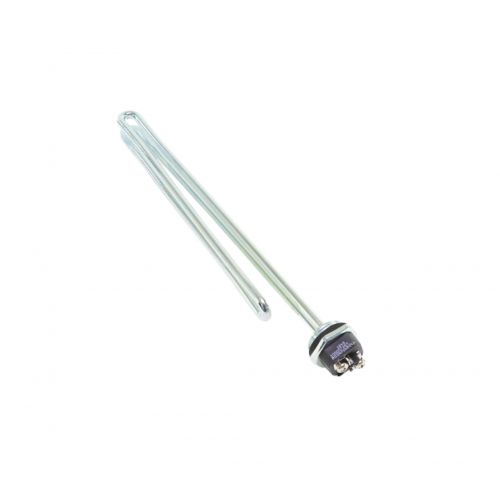
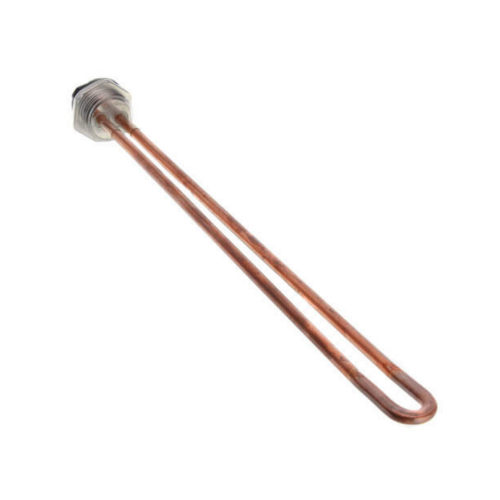 -23%Rheem-Ruud SP10552MH Heater Element 4500W 240VSpecial Price $26.43 Regular Price $34.36Out of stock
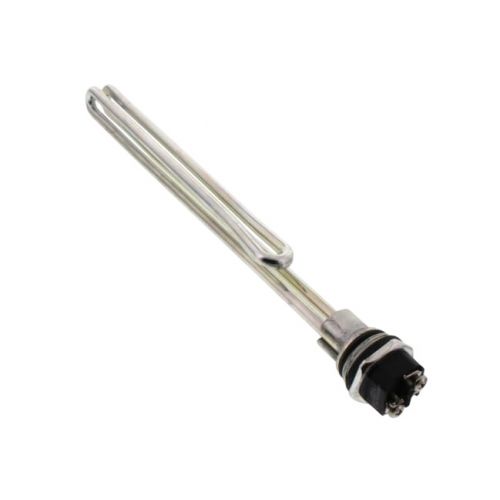
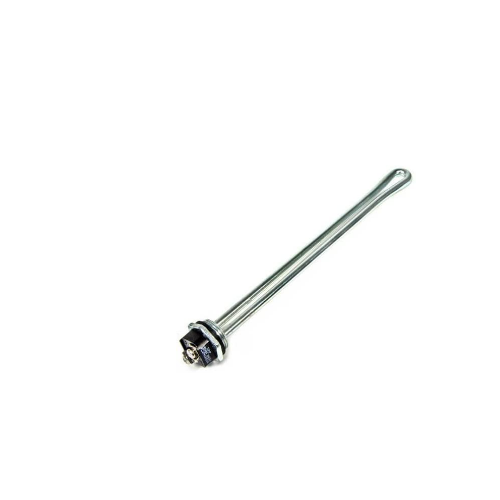 -23%Lochinvar & A.O. Smith 100108283 11" Copper Heating Element 4500W 240VSpecial Price $25.56 Regular Price $33.23
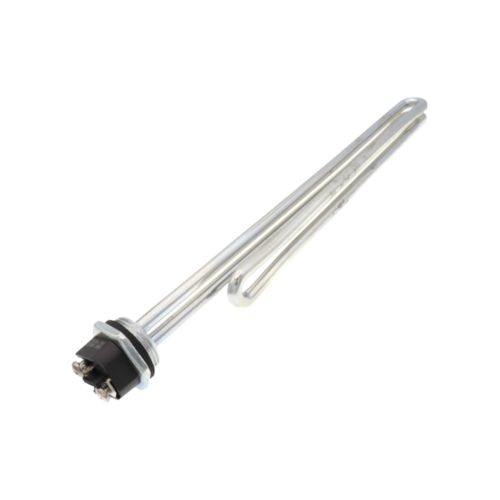 -23%Lochinvar & A.O. Smith 100108291 12" Heating Element 4500W 240VSpecial Price $27.09 Regular Price $35.22
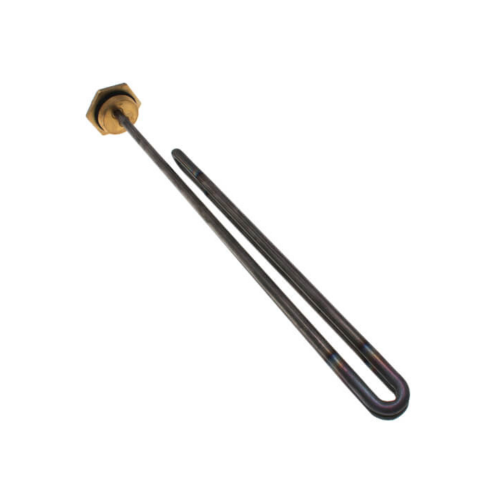
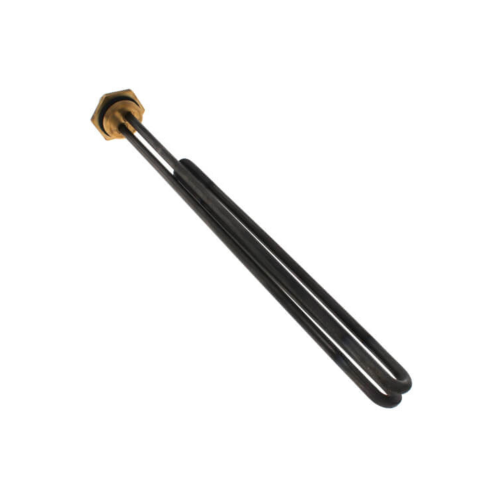 -13%Rheem-Ruud SP213790 Titanium Heating Element 4500WSpecial Price $120.67 Regular Price $138.77Out of stock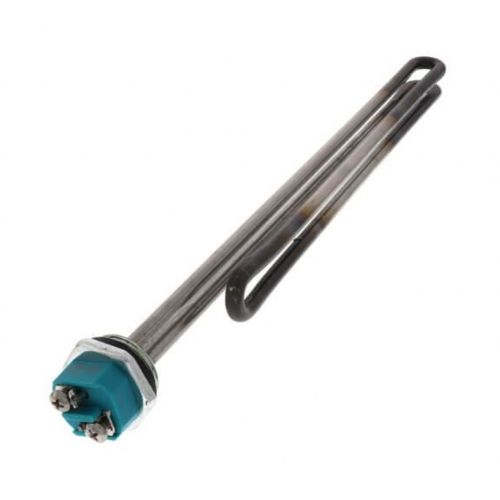
 -13%Lochinvar & A.O. Smith 100108346 13.125" Heating Element Kit 3800W 240VSpecial Price $53.28 Regular Price $61.27
- -13%Lochinvar & A.O. Smith 100110060 Sandhog Heating Element 4000W 240VSpecial Price $60.32 Regular Price $69.37Out of stock
- -23%Lochinvar & A.O. Smith 100210052 11" Heating Element 4500W 240VSpecial Price $33.70 Regular Price $43.81
- -23%Lochinvar & A.O. Smith 100108290 12" Copper Heating Element 4500W 240VSpecial Price $40.67 Regular Price $52.87
- -23%Lochinvar & A.O. Smith 100108803 Heating Element 240V 4500W 12-3/16"Special Price $43.34 Regular Price $56.35
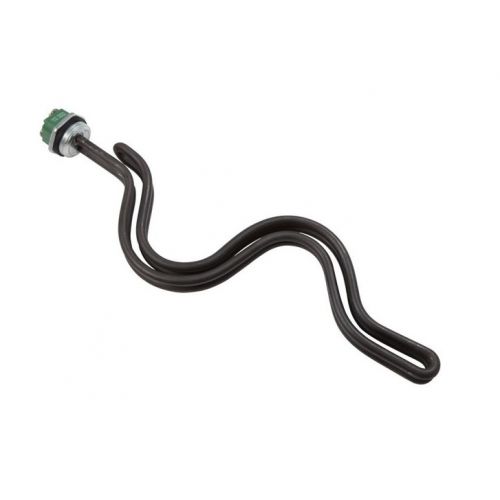
- -13%Rheem-Ruud SP213660 Titanium Water Heater Element LWD 4500W 240VSpecial Price $119.22 Regular Price $137.10
- -13%Lochinvar & A.O. Smith 100108812 4500W Sandhog Heating Element 240VSpecial Price $74.94 Regular Price $86.18Out of stock

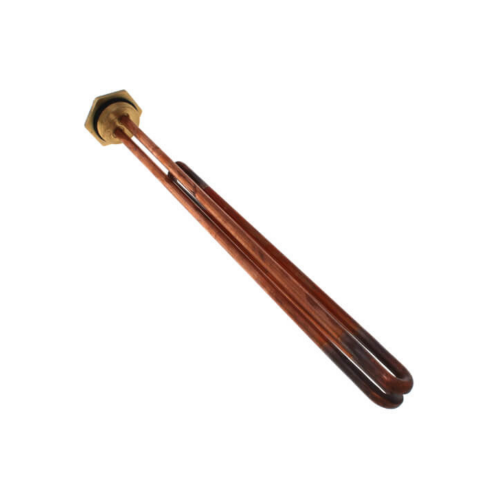
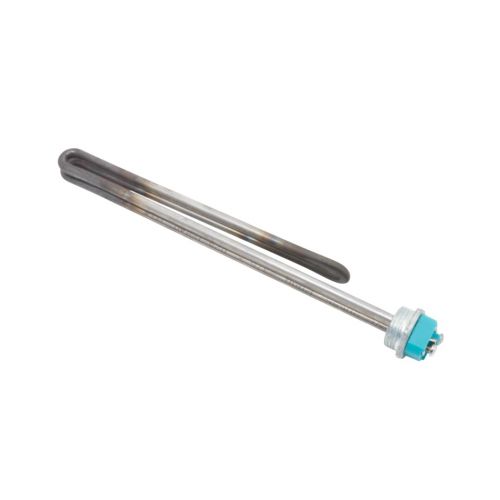
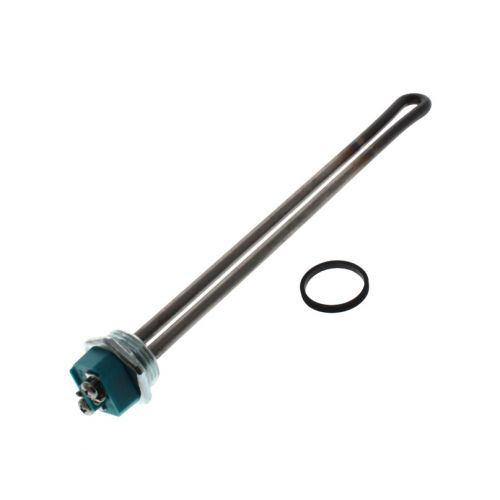
HVAC Furnace Heating Element Replacement Parts
Heating elements are the primary heat-producing components in electric furnaces and air handling units. Unlike gas-based systems, electric heating systems rely on resistance coils or strip heaters to generate warmth, which is then circulated throughout the duct system for even indoor temperature control.
Electric heating elements convert electrical current into heat through resistance. Strip heating coils provide staged heating, tubular elements deliver durable heat, mounting brackets secure placement, and sequencers control cycles to prevent overload. Proper selection ensures balanced temperature rise and consistent airflow distribution.
During long-term use, heating elements can weaken from continuous high temperatures or restricted airflow. Signs include cold air, broken coils, tripped breakers, short cycling, or uneven temperatures. Replacing damaged elements promptly prevents strain on blower motors and circuits, restoring safe, efficient heating.
PartsHnC offers a wide range of heating element parts, including water heater elements, copper and titanium heating elements, and multi-kW industrial furnace elements(120V to 480V), from top HVAC brands like Lochinvar & A.O. Smith, Rheem-Ruud, Lennox, and York, with fast, reliable shipping!
FAQs
What is the lifespan of an electric furnace heating element?
Most heating elements last 10–15 years depending on usage, airflow conditions, and electrical stability.
When should I choose titanium elements over copper?
Titanium elements are corrosion-resistant and long-lasting, making them ideal for industrial use or hard water conditions, whereas copper is better for standard residential systems.
How do I test a furnace heating element?
Use a multimeter to check continuity. For water heating elements, measure resistance according to the manufacturer’s specifications. No continuity usually indicates a failed element.
Why is my electric furnace blowing cold air?
A failed heating element, faulty sequencer, or tripped breaker may prevent heat production.
How do I check resistance on a furnace heating element?
Disconnect the power and test the element using a multimeter to verify continuity and proper resistance.
Is it safe to replace a heating element myself?
Only if you follow electrical safety procedures and use the correct replacement part; otherwise, consult a qualified HVAC technician.