 Loyalty Program

Oil pumps control fuel flow to burners in furnaces and heating systems. Replacing worn pumps or seals ensures consistent fuel delivery, proper combustion pressure, reliable burner operation, and prevents fuel leaks and ignition problems in HVAC systems.
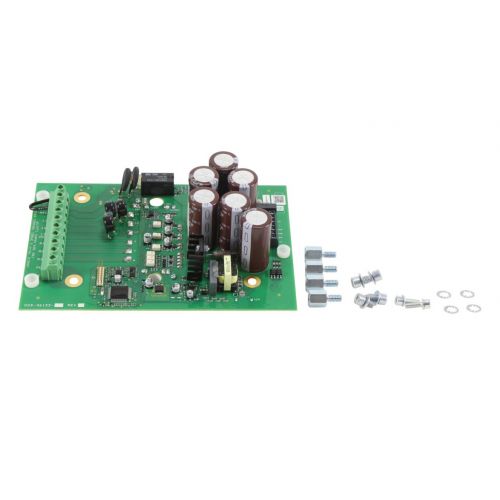 -10%York 024-36133-002 2HP Variable Speed Oil Pump DriveSpecial Price $1,745.00 Regular Price $1,936.96Out of stock
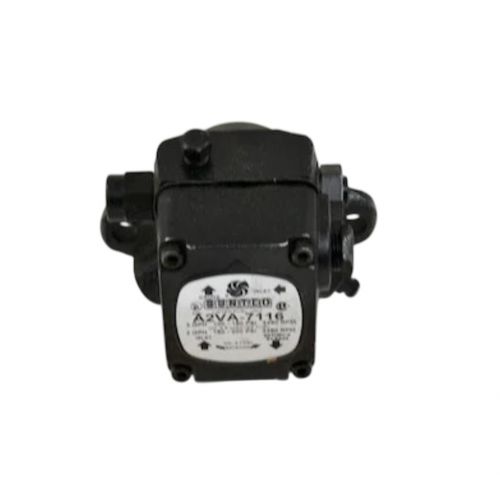 -10%International Comfort Products N01Z019 1-Stage Oil PumpSpecial Price $559.36 Regular Price $620.89Out of stock
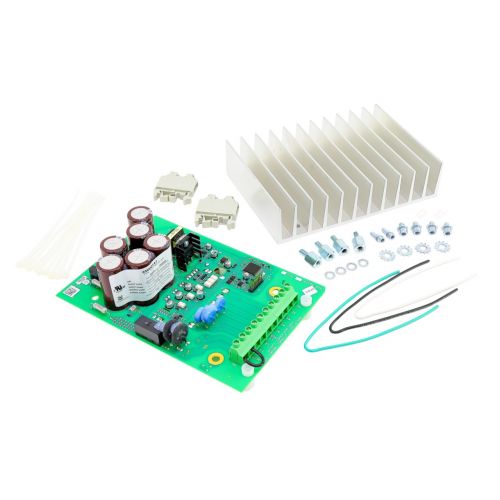 -10%
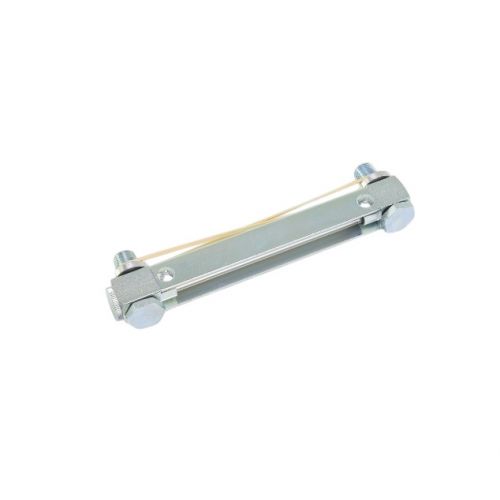
-10% -10%Daikin-McQuay 735005704 Oil Pump Sight GlassSpecial Price $299.02 Regular Price $331.92Out of stock
- -10%
- -10%
- -10%

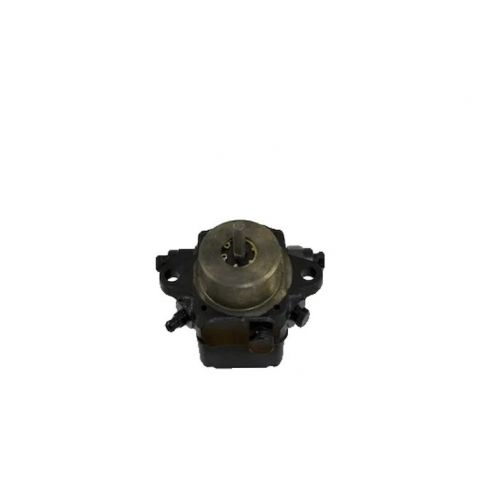
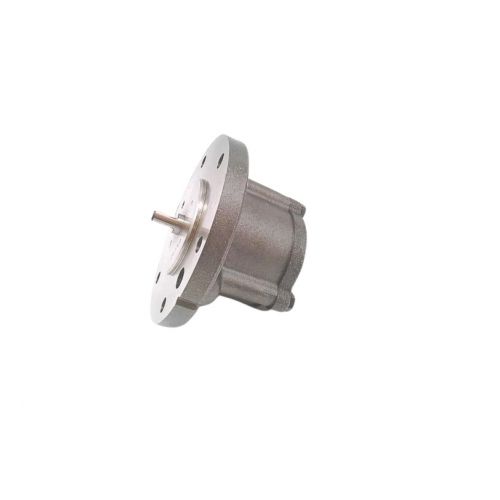
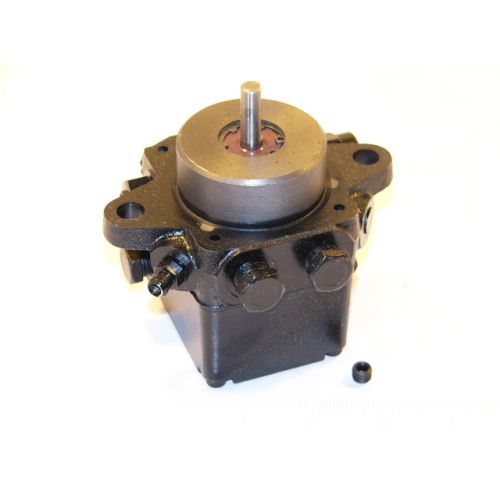
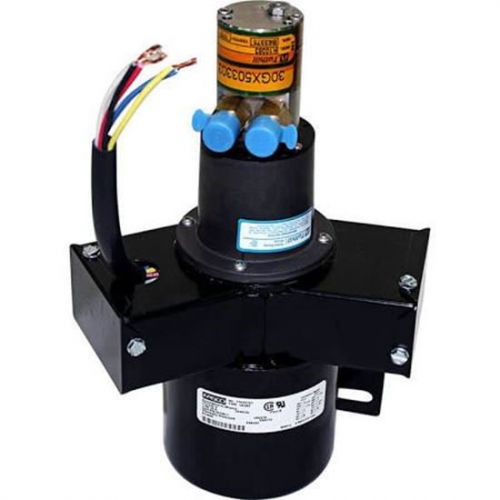
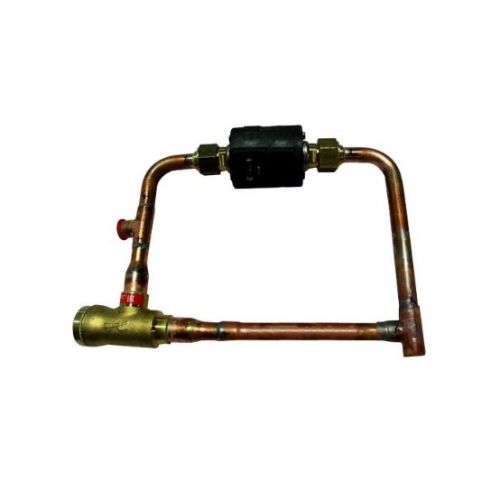
HVAC Oil Pump Replacement Parts for Furnace Burners
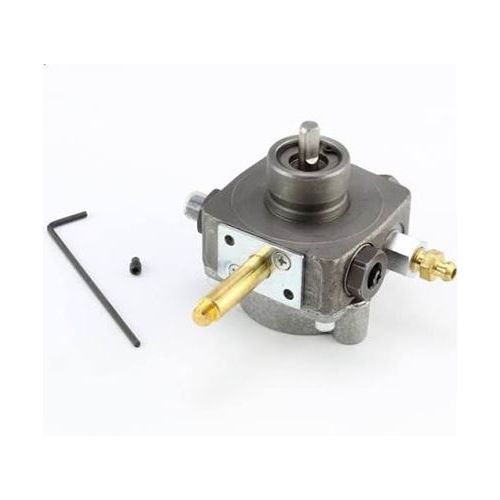
Oil pumps are designed to deliver a steady supply of fuel oil to burner assemblies in furnaces and heating systems. By maintaining correct oil pressure and flow, these pumps support stable combustion, proper ignition, and consistent heat generation in oil-fired HVAC equipment.
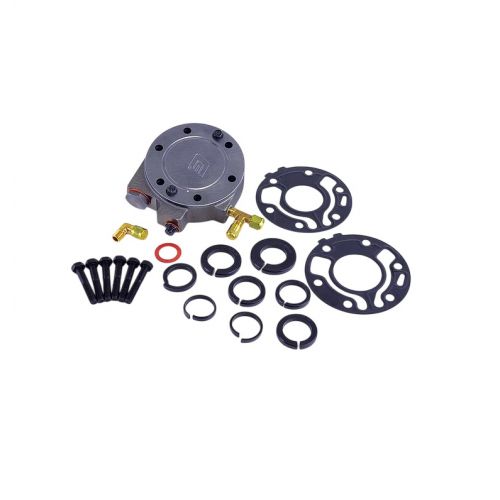
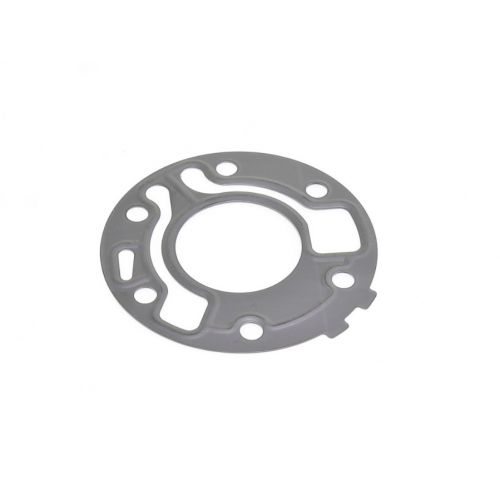
Oil pump assemblies include pump gears, pressure regulating valves, oil strainers, and drive couplings that control fuel movement from the storage tank to the burner nozzle. Sight glasses allow technicians to monitor oil flow, while pump gaskets and seal kits help prevent leakage and maintain proper system pressure.
Common signs of a failing oil pump include burner ignition delays, fluctuating flame, unusual pump noise, fuel leaks near the pump housing, or inconsistent heating performance. Replacing worn pump components helps restore proper fuel pressure and ensures efficient burner operation.
PartsHnC offers HVAC oil pump replacement parts, including oil pump couplings, drive shafts, oil filter housings, pump solenoids, vacuum regulators, flow control valves, and mounting gaskets from trusted HVAC brands like Beckett, Danfoss, and Suntec, with fast shipping directly to your doorstep.
FAQs
How do I know if an oil pump in my furnace is failing?
Symptoms include delayed burner ignition, unstable flame patterns, fuel leaks, or unusual noise from the pump housing during furnace operation.
Can a faulty oil pump affect furnace heating performance?
Yes. A worn pump may fail to maintain correct fuel pressure, causing poor combustion and reduced heating output.
How often should furnace oil pumps be inspected?
Oil pumps should be checked during annual furnace maintenance to verify pressure settings, clean strainers, and inspect seals.
How do I test a furnace oil pump pressure?
Use a pressure gauge connected to the pump test port and compare the reading with the manufacturer’s specified pressure range.
Can I replace a burner oil pump myself?
Replacement is possible, but proper pressure calibration and burner adjustment are required, so professional installation is recommended.
How do I adjust the pressure on a furnace oil pump?
Use a pressure gauge at the pump test port and turn the pressure adjustment screw clockwise to increase pressure or counterclockwise to decrease it according to manufacturer specifications.
How do I bleed air from an HVAC oil pump after replacement?
Open the pump bleed port, run the burner, and allow fuel to flow until all air bubbles are removed. Tighten the bleed screw once a steady oil stream appears.