 Loyalty Program

HVAC blower motors and components drive airflow in heating and cooling systems. These parts regulate air circulation, maintain comfort, and support efficient operation in furnaces, air handlers, and commercial HVAC equipment.
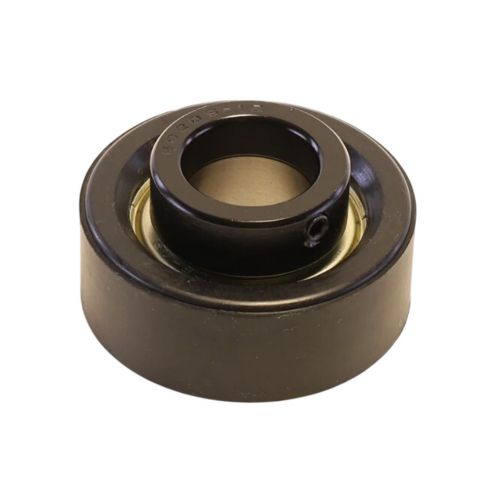 -23%Amana-Goodman 0163L00247 1" Blower Wheel Ball BearingSpecial Price $49.18 Regular Price $63.94Out of stock
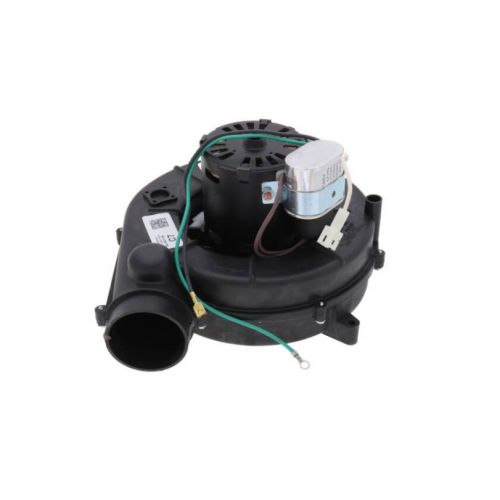 -10%
-10%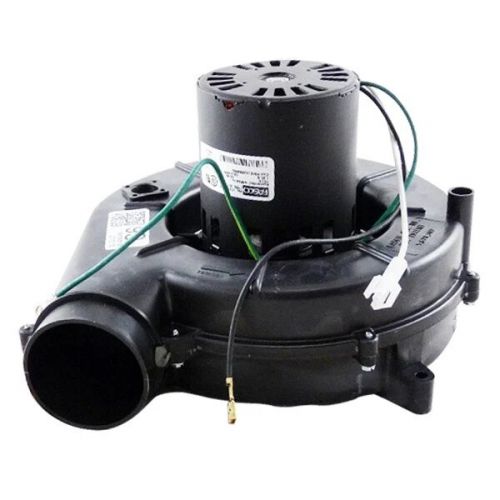 -10%
-10%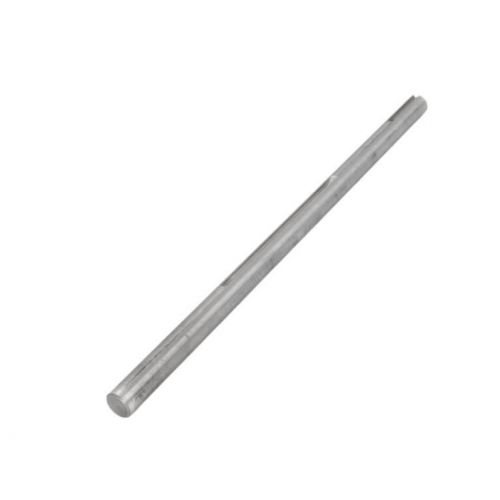 -13%York S1-001-07115-000 Blower Shaft 1" X 21.5"Special Price $144.00 Regular Price $165.59Out of stock
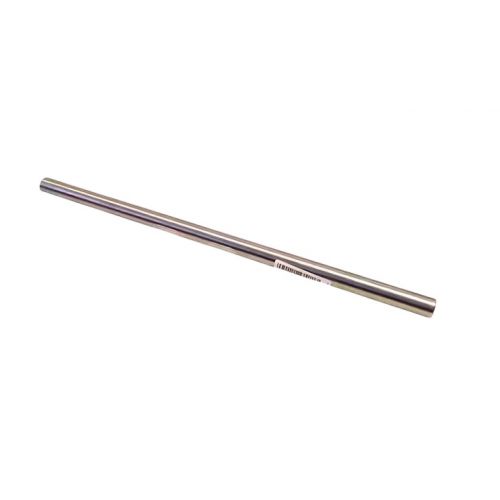 -13%York S1-063-70930-000 Blower Shaft 1" X 23"Special Price $157.46 Regular Price $181.08Out of stock
 -13%International Comfort Products 1175315 Blower Pulley 1" X 7"Special Price $65.14 Regular Price $74.91
- -10%International Comfort Products 1171717 1/10HP 2-Speed Blower Motor 900 RPM 230V/1PH 48FSpecial Price $320.64 Regular Price $355.91Out of stock
- -20%Carrier HC43AE115 Blower Motor 48 Frame CCW 1/2HP 115V 1075RPMSpecial Price $435.67 Regular Price $545.39
- -10%Carrier HC41AE117 1/3HP Blower Motor 1075 RPM 48-Frame 115VSpecial Price $356.96 Regular Price $396.23
- -23%



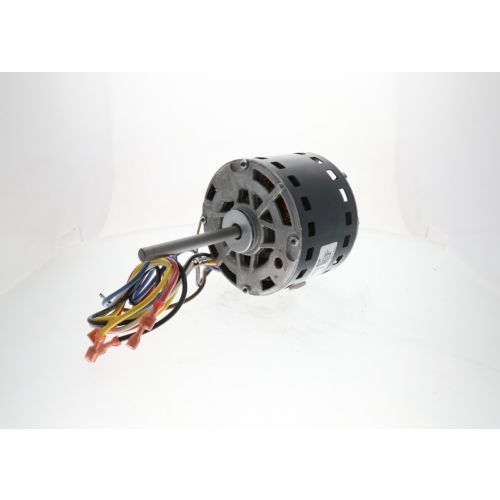
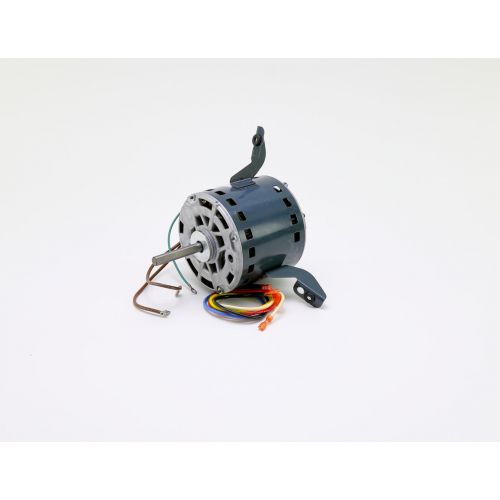
HVAC Blower Motors & Replacement Parts
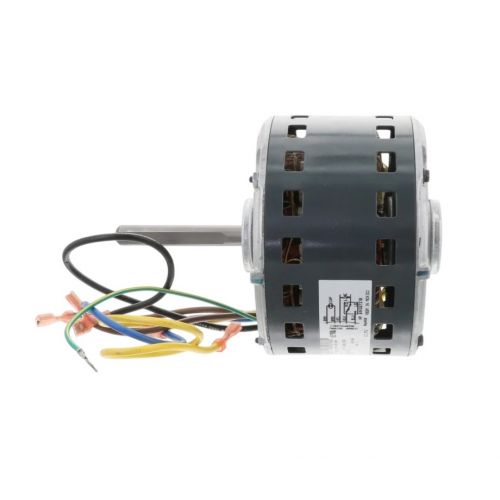
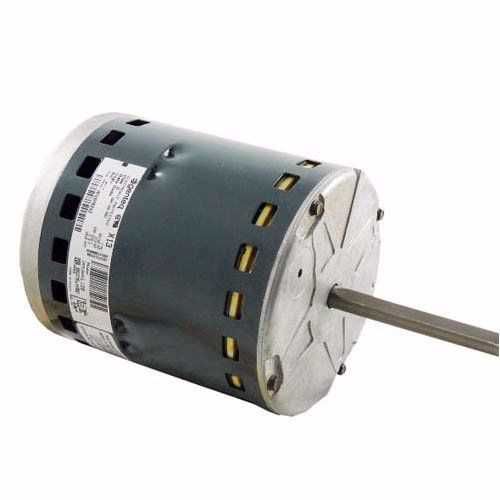
HVAC blower motors and components are essential for moving conditioned air through duct systems in furnaces, air handlers, rooftop units, and heat pumps. The HVAC blower motor powers the blower wheel, circulating heated or cooled air throughout residential and commercial spaces. Proper airflow ensures balanced temperature distribution, humidity control, and system efficiency.
In these systems, the blower motor converts electrical energy into mechanical rotation, driving the fan assembly at controlled speeds. Modern designs may include multi-speed or ECM configurations to optimize energy use. HVAC blower motor parts, such as capacitors, bearings, shafts, mounting brackets, and wiring harnesses, support smooth operation and electrical reliability. When a unit fails, HVAC blower motor replacement becomes necessary to restore airflow and prevent overheating.
Common wear signs include humming without startup, reduced airflow, overheating housings, vibration, or burning odors. Worn bearings, failed capacitors, or electrical faults increase motor load and energy consumption, potentially leading to system shutdown. Key replacement components include blower wheels, run capacitors, motor mounts, fan blades, and control modules to maintain safe, efficient performance.
At PartsHnC, we offer direct-drive and belt-drive blower motors, ECM modules, capacitor kits, blower wheels, and mounting hardware from trusted manufacturers such as Carrier, Trane, Lennox, Emerson, and Century, engineered for precise RPM ratings, voltage compatibility, and long service life.
FAQs
What causes a blower motor to stop working?
Common causes include failed capacitors, worn bearings, electrical shorts, overheating, or blocked airflow that overloads the motor.
How do I know if my HVAC blower motor needs replacement?
Signs include weak airflow, unusual noise, motor overheating, or the system running without air movement from vents.
Can a bad blower motor affect heating and cooling performance?
Yes, insufficient airflow can cause uneven temperatures, frozen coils, furnace limit trips, and higher energy consumption.
Why is my HVAC system running, but no air is coming out?
A failed blower motor, defective capacitor, or broken blower wheel can prevent air circulation even if the compressor or furnace is operating.
How long does an HVAC blower motor typically last?
Most blower motors last 10–15 years, depending on usage, maintenance practices, and operating conditions.