 Loyalty Program

HVAC contactors, along with AC contactors, control the flow of electricity to compressors, motors, and heating elements. Replacing worn or pitted contactors ensures reliable system startup, prevents electrical damage, and maintains consistent heating and cooling performance.
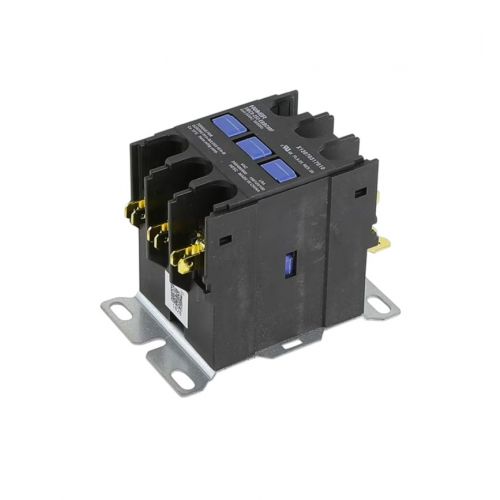
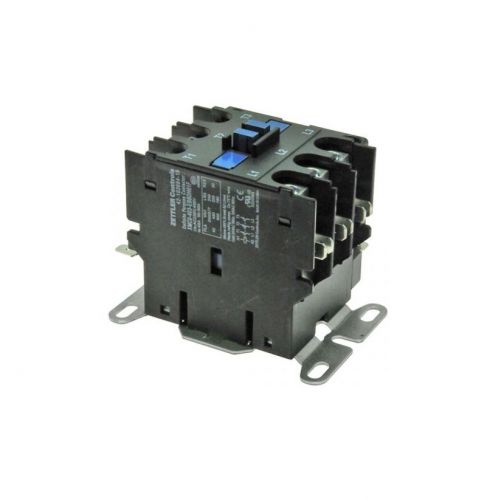 -23%Rheem-Ruud 42-102664-19 3-Pole Contactor W/Auxiliary 40A 24VSpecial Price $38.09 Regular Price $49.52Out of stock
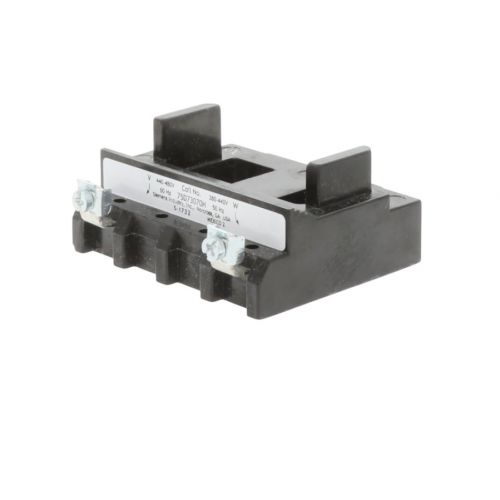 -13%Siemens Industrial Controls 75D73070H Contactor Coil Size 00-2 1/2 NEMA 440-480VSpecial Price $147.61 Regular Price $169.75
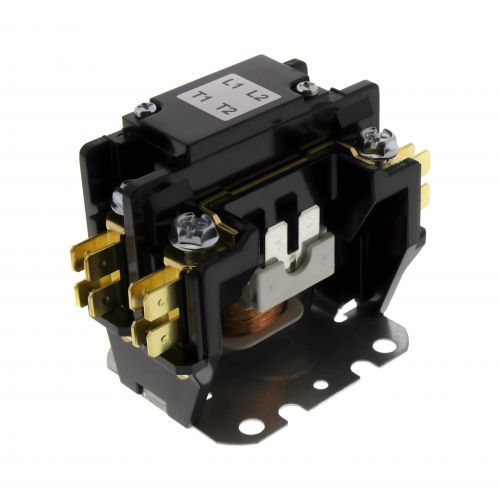
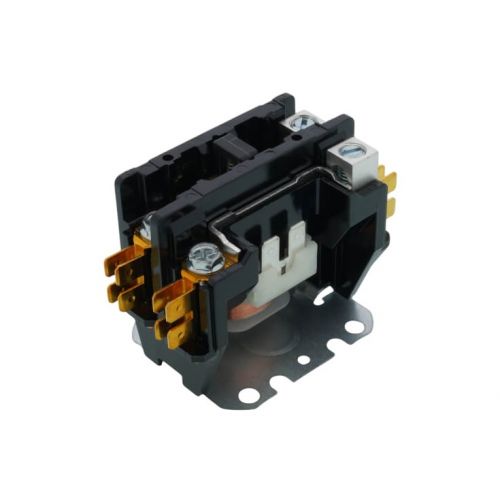 -14%Amana-Goodman CONT1P025240VS 1-Pole Contactor 25A 240V CoilSpecial Price $44.87 Regular Price $51.95
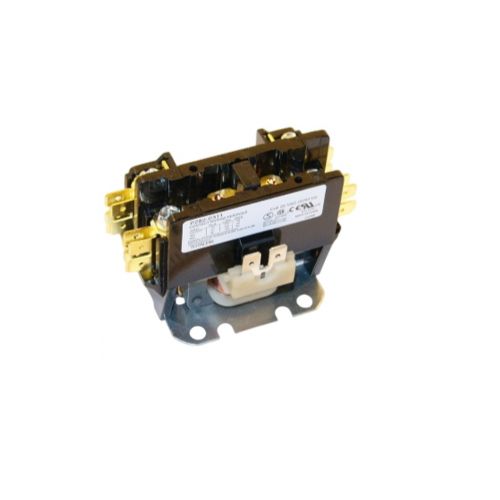 -10%
-10%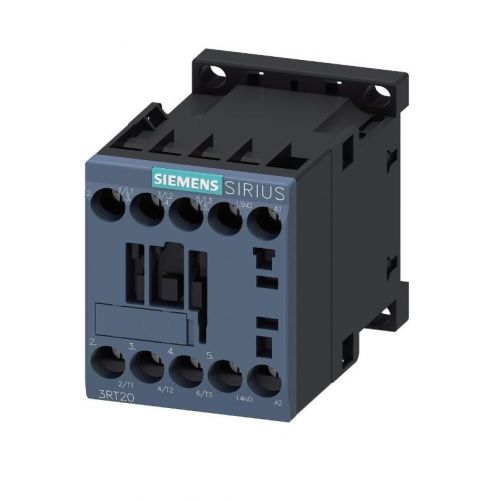 -13%Siemens Industrial Controls 3RT2017-1AB01 3-Pole IEC Power Contactor 12 AMP 24VSpecial Price $101.48 Regular Price $116.70
 -13%York S1-024-25964-000 1-Pole Contactor W/Shunt 20A 24VSpecial Price $63.92 Regular Price $73.51Out of stock
- -13%
- -23%
- -23%
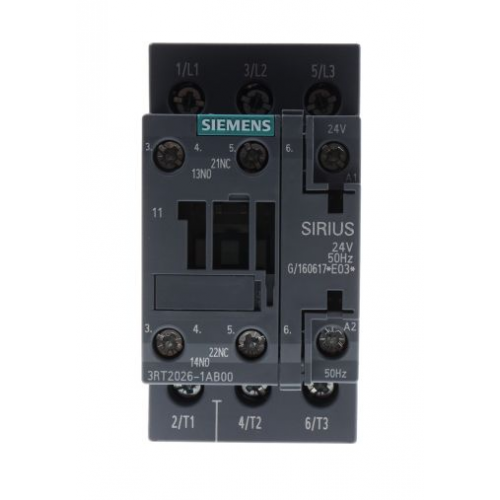
- -13%Siemens Industrial Controls 3RT2026-1AB00 3-Pole Contactor 1 NO/NC 25 AMP 24VSpecial Price $153.23 Regular Price $176.22

HVAC Electrical Contactor Replacement Parts
HVAC contactors are electrically controlled switches that manage high-voltage power to components like compressors, fans, blower motors, and heating elements. They close when the thermostat signals heating or cooling, allowing power flow, and open at cycle end to ensure safe, controlled operation of the system.
Contractors come in various configurations for specific HVAC applications. 1-pole contactors are typically used in lower-voltage or single-load systems where only one power circuit needs to be switched. 2-pole contactors are common in residential air conditioners and heat pumps, interrupting both sides of a 240V circuit to ensure safe and reliable operation.
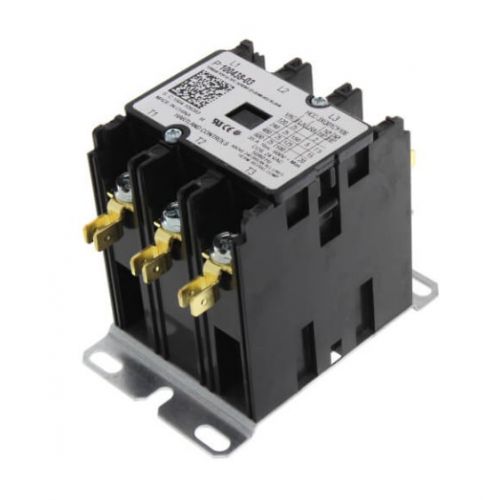
3-pole contactors are widely used in commercial HVAC systems to control three-phase equipment such as larger compressors and motors. 4-pole contactors are designed for more complex systems that require switching an additional circuit, making them suitable for advanced control panels or equipment with auxiliary electrical loads.
Signs of a failing contactor include chattering noises, pitted contacts, intermittent operation, or failure to start. Burned contacts or weak coils can damage compressors and motors. Using contactor kits or replacing faulty units restores reliable startup, protects system components, and helps prevent expensive HVAC breakdowns.
PartsHnC supplies HVAC contractors parts like compressor contactors, auxiliary contact kits at cost-effective prices. We also offfer furnace & heat pump contactors/coils, shunt contactors, heat relays, and sequencing relays (12V–240 V, 12A–80 A), compatible with leading brands such as Lennox, Carrier, Trane, Rheem-Ruud, York, Siemens, Copeland, Supco, Danfoss, and Emerson, with fast nationwide shipping.
FAQs
How do I know if my contactor needs fixing or replacement?
Check for burnt contacts, pitted surfaces, or coil failure. If the contacts are damaged or the coil won’t energize, replacement is usually required.
How often should I inspect contactors, relays, or kits?
Check annually or if the system shows unusual behavior like humming or failure to start. Routine cleaning, tightening, and testing extend component life and prevent breakdowns.
Can a bad contactor damage a compressor?
Yes. A faulty contactor can cause voltage drops or improper startup, leading to compressor strain.
How do I clean relays, heat relays, and sequencing relays?
Turn off all power and gently remove dust with a soft brush or air. Use electrical contact cleaner for stubborn dirt; avoid abrasive scrubbing.
Can heat pump and furnace contactors be repaired the same way?
Yes, basic testing, cleaning, and minor adjustments are similar. However, severe coil or contact damage often requires brand-specific replacement.
How do I fix humming or buzzing in contactors safely?
Humming usually comes from a weak coil or misaligned contacts. Tighten connections, clean contacts, or replace the coil if needed.