 Loyalty Program

Heaters generate and distribute warm air in residential and commercial HVAC systems. Replacing faulty heater parts restores heating performance, improves energy efficiency, and ensures safe, reliable system operation during colder seasons.
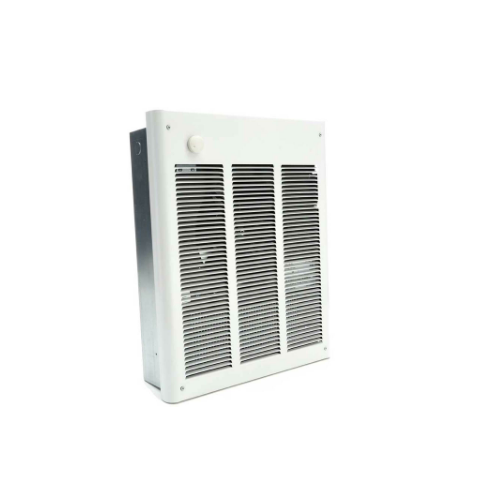
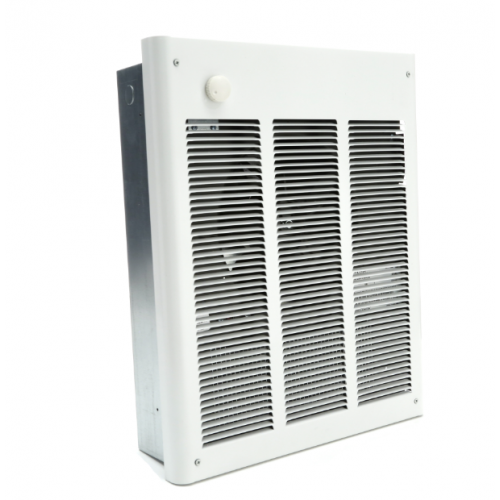
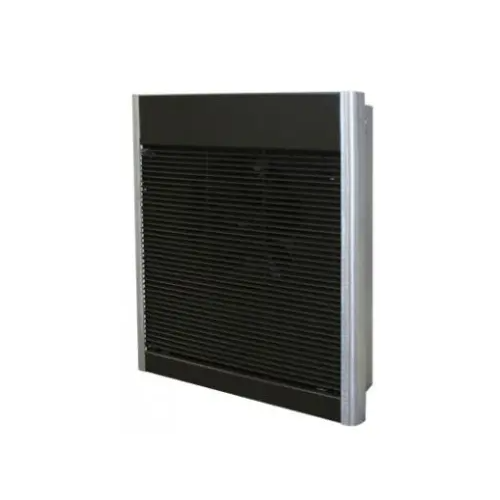 -10%Marley Engineered Products FRC4824F Wall Heater 4800W/3600W 240/208VSpecial Price $917.95 Regular Price $1,018.93Out of stock
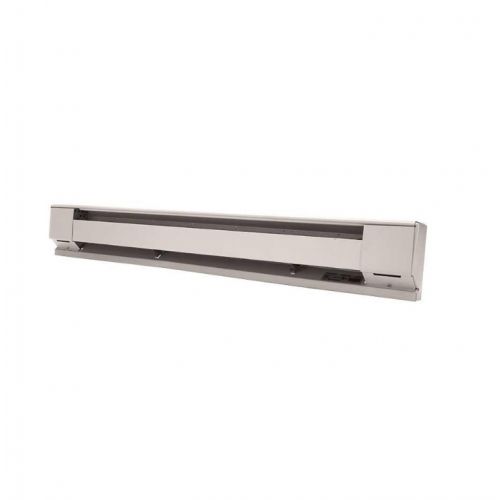 -10%Marley Engineered Products 2576W Electric Baseboard Heater 1128/1500W 6' 240-277VSpecial Price $300.12 Regular Price $333.13Out of stock
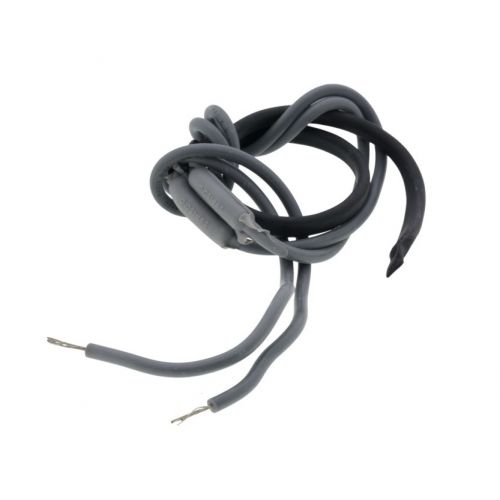 -23%
-23%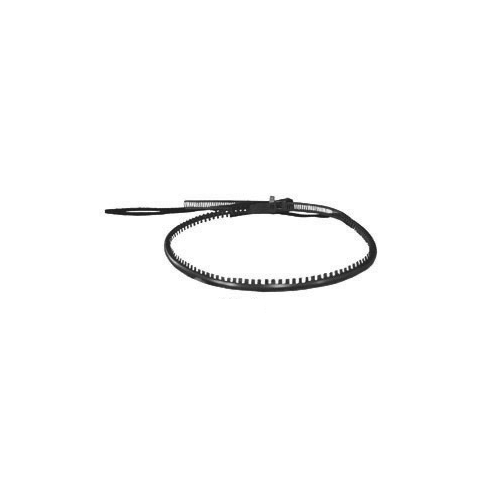 -23%York S1-025-17043-700 Wrap Heater 41-47" 75W 240VSpecial Price $47.59 Regular Price $61.86Out of stock
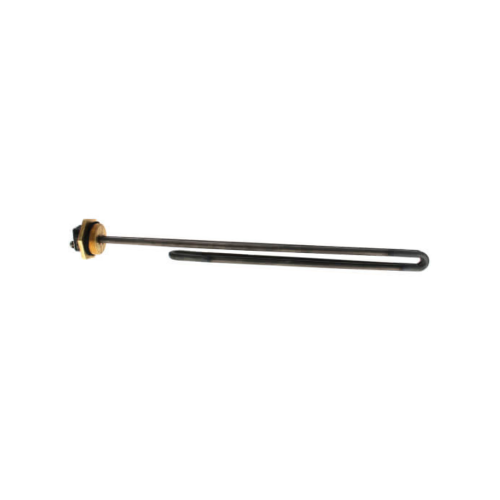
 -13%Rheem-Ruud SP213670 4500W 1-1/2" Water Heater Titanium Lower Element 240VSpecial Price $123.99 Regular Price $142.59
- -10%Marley Engineered Products FRA3027F Wall Heater Fan 3000/1500W 277VSpecial Price $610.03 Regular Price $677.14
- -10%Marley Engineered Products FRA4027F Fan-Forced Wall Heater 4000W/3000W 277-240VSpecial Price $610.03 Regular Price $677.14
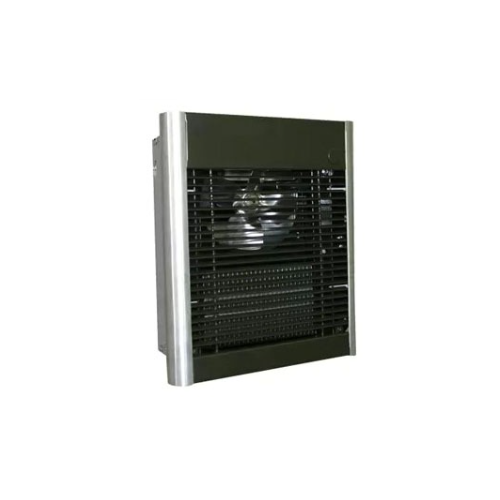
- -10%Marley Engineered Products SRA1527DSAF Wall Heater 1500-750W 277VSpecial Price $512.49 Regular Price $568.86Out of stock
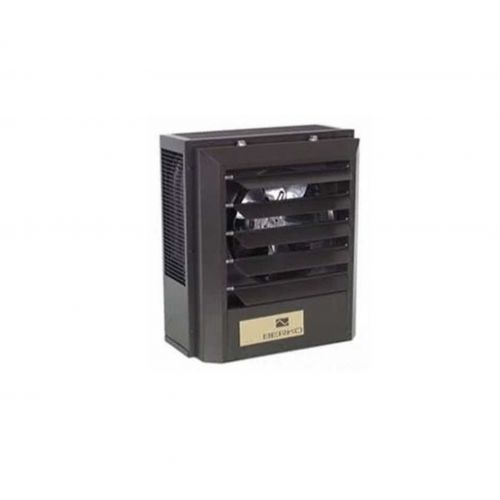
- -10%Marley Engineered Products HUHAA727 Electric Unit Heater 7.5kW 277V/1PHSpecial Price $1,157.20 Regular Price $1,284.49Out of stock
- -10%Marley Engineered Products FRC4307F Wall Heater 3000/1500W 277VSpecial Price $778.75 Regular Price $864.42Out of stock

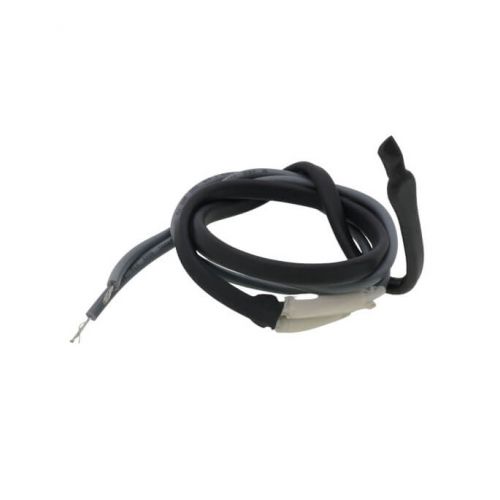
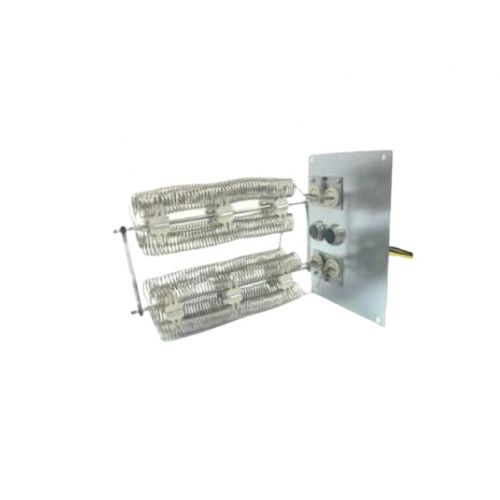
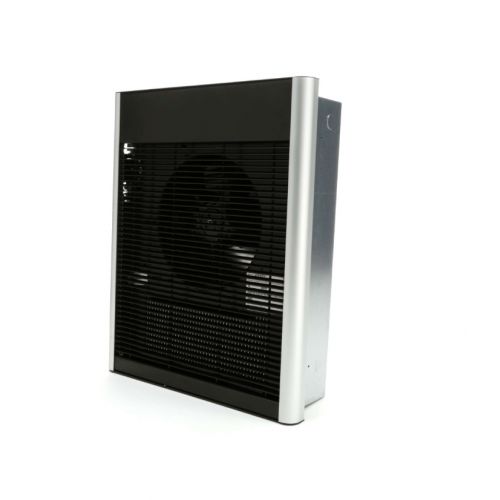
HVAC Furnace Heating Replacement Parts
Heaters are essential components in HVAC and furnace systems, designed to produce consistent and controlled indoor warmth. Whether powered by electricity, gas, or infrared technology, heaters convert energy into heat and distribute it through ductwork or direct airflow systems to maintain comfortable temperatures.
Heater parts ensure efficient and safe operation. Electric heating elements provide heat, gas burners enable controlled combustion, ignitors ensure startup, blower motors circulate air, and thermostats regulate performance. Limit switches and control boards protect against overheating and system faults.
Flame sensors monitor burner operation for safety, ignition electrodes provide reliable sparks, gas valves control fuel flow, fan guards protect moving parts, and fuses or thermal cutoffs prevent electrical faults and overheating, keeping your heater running efficiently and safely.
Common signs of heater failure include low heat, frequent cycling, unusual odors or noises, and higher energy bills. Issues often stem from faulty elements, burners, thermostats, or blower motors that reduce efficiency and safety. Timely replacement restores airflow, improves heating, and prevents further HVAC damage.
PartsHnC offers a wide range of heater parts, including wall heaters (208v–480V), unit heaters, heat kits (208v–230V), fan motors, baseboard heaters (240v–277V), and drain heaters, from leading HVAC brands Marley Engineered Products, Lennox, York, Rheem-Ruud, and Amana-Goodman, with fast and reliable shipping!
FAQs
What should I do if my heater is overheating?
Check limit switches, control boards, and airflow. Faulty switches or blocked vents can cause overheating. Replace defective parts immediately to maintain safety and performance.
Can I repair damaged unit heaters?
Minor repairs like replacing blower motors, fan motors, or control boards are possible. For major damage, replacing the heater or heat kit is recommended to ensure safety and efficiency.
How can I test and fix a noisy unit heater?
Use a multimeter to check continuity on elements, heat kits, and blower motors. Clean dust, lubricate moving parts, and replace the blower motor or other faulty components if noise or issues persist.
Can I install a heater myself?
Yes, electric heaters, heat kits, and drain heaters can be installed with basic electrical knowledge. Make sure to follow voltage specifications and secure mounting brackets properly.
What to do if a heat kit breaker keeps tripping?
Ensure the kit matches system voltage, inspect elements for shorts, and replace faulty components.
How can I extend the life of my horizontal/vertical unit heater?
Regularly clean fan motors, inspect wrap heaters, and test limit switches and heat kits to prevent overheating and ensure safe operation.