 Loyalty Program

Potential relays regulate compressor start circuits in HVAC systems by disconnecting the start capacitor once the motor reaches operating speed. These relays ensure smooth compressor startup, prevent electrical overload, and maintain efficient cooling performance in air conditioners and refrigeration equipment.
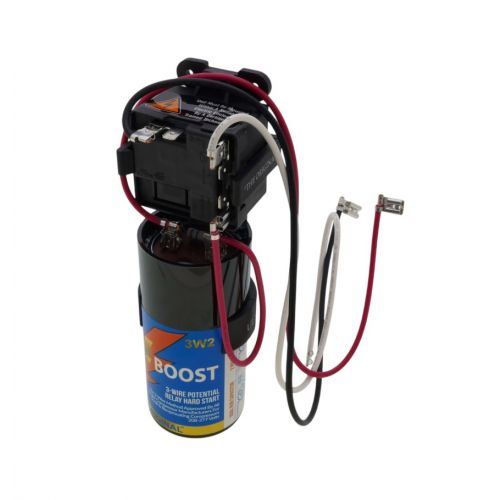 -13%
-13%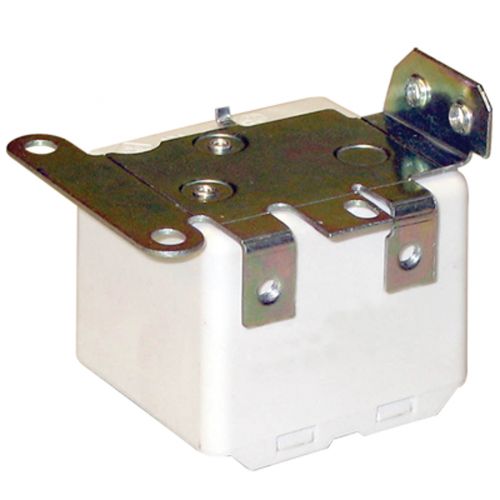 -13%MARS 19002 Universal Potential Relay-63 170V CoilSpecial Price $92.06 Regular Price $105.87Out of stock
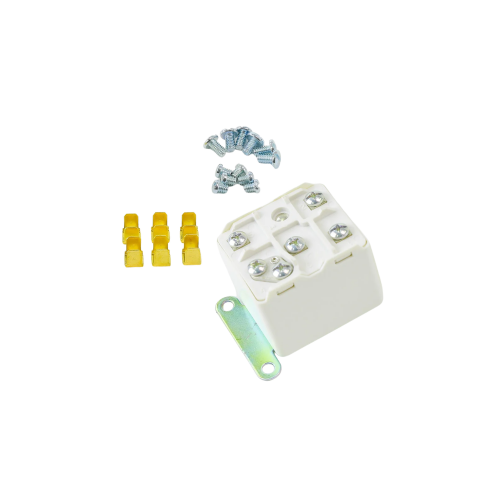 -13%
-13% -13%
-13%- -23%
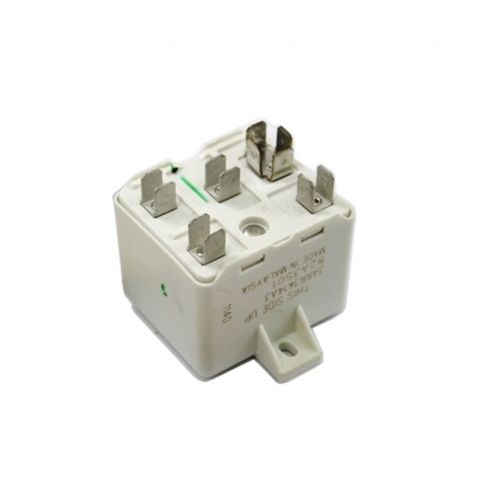

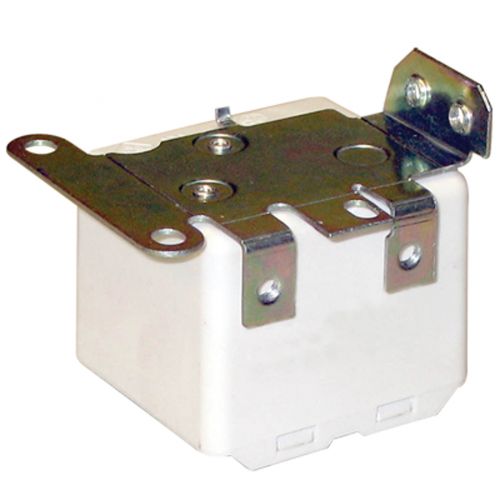
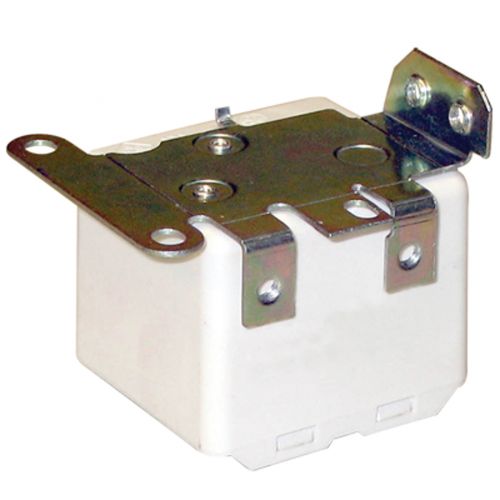
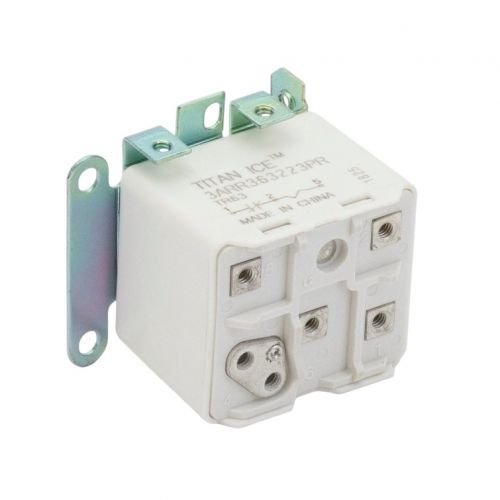
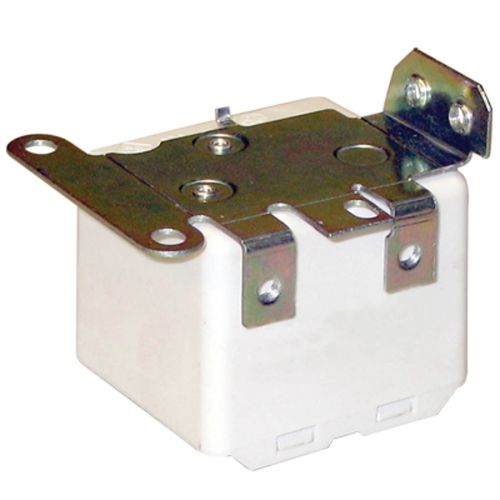
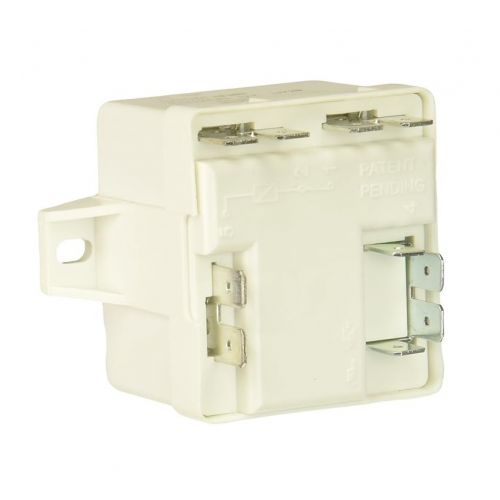
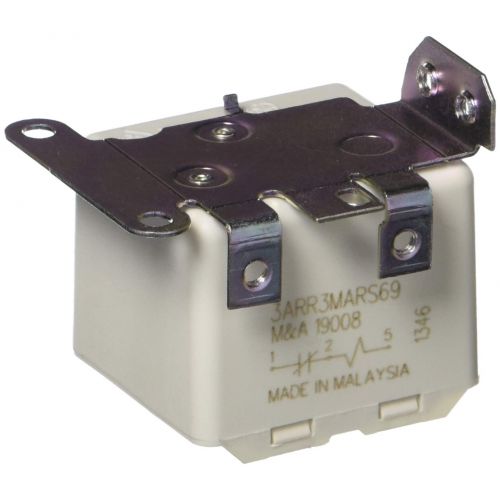
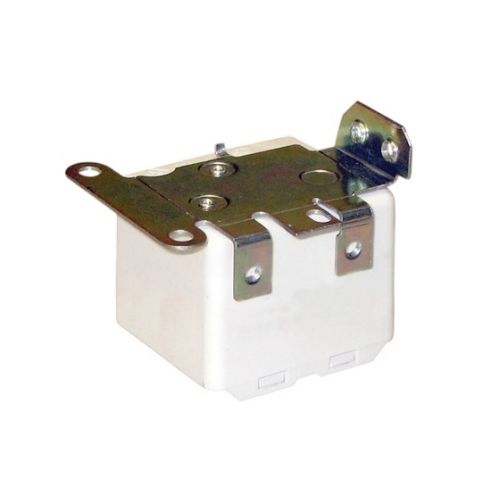
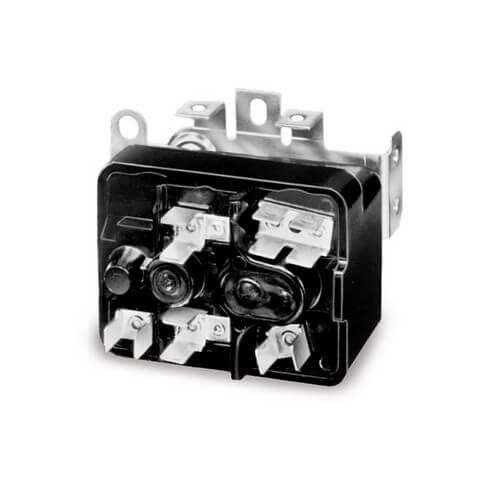
HVAC Potential Relays for AC & Compressor Start Systems
An HVAC potential relay is an electrical switching device used in compressor start circuits. It controls the engagement and disengagement of the start capacitor during compressor startup. When the compressor motor reaches the correct voltage level, the relay opens the circuit, removing the start capacitor to prevent electrical overload.
Potential relays are used in air conditioners, heat pumps, and refrigeration systems to help compressors start smoothly. An AC potential relay works with start and run capacitors to manage current during startup and protect the compressor.
Over time, relays can fail due to coil damage, arcing, or worn contacts. Common signs include a compressor not starting, humming noises, short cycling, or overheating. Replacing faulty relays along with components like capacitors, hard start kits, and contactors helps restore reliable HVAC performance.
At PartsHnC, we supply reliable HVAC electrical components, including potential relays, start relays, compressor contactors, hard start kits, run capacitors, terminal connectors, and relay bases from trusted manufacturers like Supco, Mars, Packard, Emerson, Carrier, Trane, and Lennox, engineered for high voltage tolerance and dependable compressor startup performance.
FAQs
What does a potential relay do in an HVAC system?
A potential relay controls the start capacitor in the compressor circuit and disconnects it once the compressor reaches proper operating speed.
What happens if an AC potential relay fails?
A failed relay may prevent the compressor from starting, cause repeated clicking noises, or result in overheating due to improper capacitor operation.
How do I know if a compressor potential relay is bad?
Signs include a compressor that hums but does not start, frequent tripping, or visible burn marks on relay terminals.
Why is my HVAC compressor not starting, even with a new capacitor?
The issue may be caused by a faulty potential relay that cannot properly engage or disengage the start capacitor.
When should a HVAC potential relay be replaced?
Replace the relay when the compressor struggles to start, electrical contacts show burn damage, or the relay coil fails during startup testing.