 Loyalty Program

HVAC impellers drive airflow and fluid circulation in heating, cooling, and pumping systems. Designed for balanced rotation and efficient performance, these components help maintain consistent air movement, pressure control, and reliable operation in residential and commercial HVAC equipment.
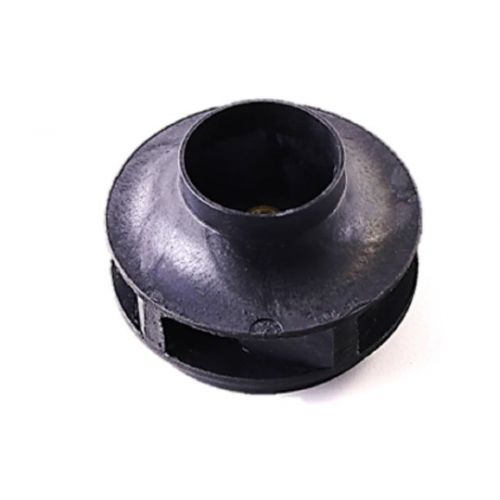 -10%
-10%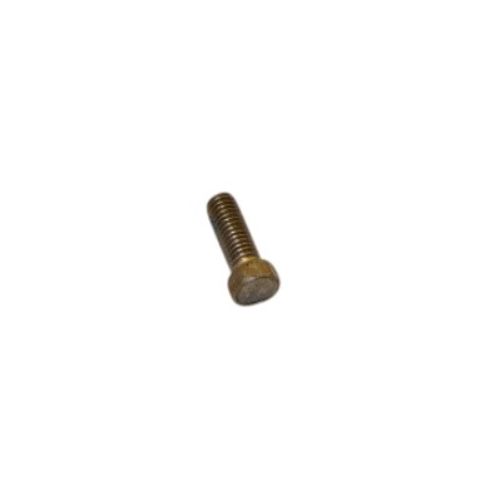 -23%Xylem-Hoffman Specialty DJ0213 Impeller Lock ScrewSpecial Price $18.70 Regular Price $24.31Out of stock
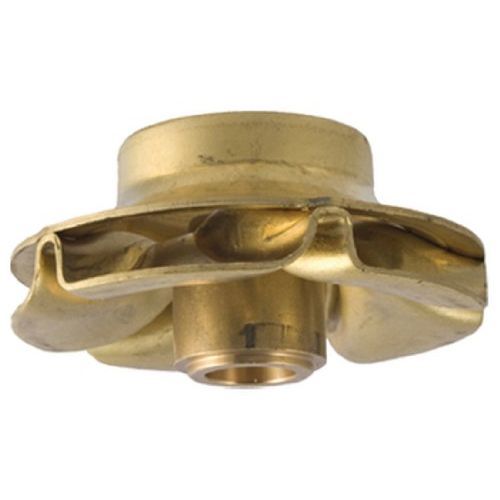 -13%Armstrong Fluid Technology 812961-041 Bronze Impeller 2-3/4''Special Price $138.96 Regular Price $159.80Out of stock
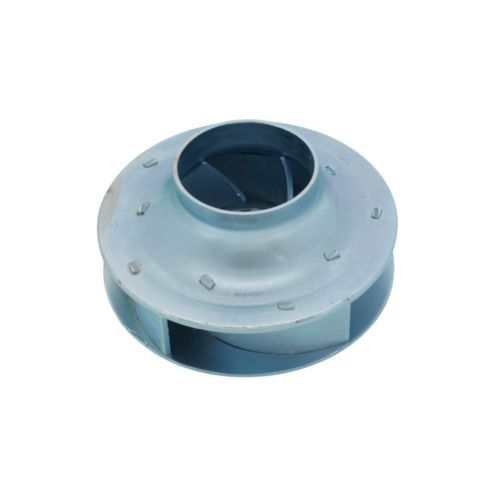 -10%Xylem-Bell & Gossett 118675 4.25" Full Runner Steel ImpellerSpecial Price $392.75 Regular Price $435.96Out of stock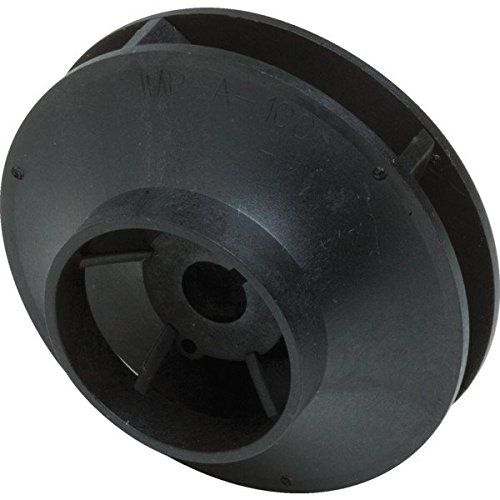
 -13%Armstrong Fluid Technology 812961-111 Impeller Non-Ferrous PlasticSpecial Price $89.59 Regular Price $103.02Out of stock
- -13%Armstrong Fluid Technology 816556-111 Plastic ImpellerSpecial Price $133.67 Regular Price $153.72Out of stock
- -10%Armstrong Fluid Technology 816305-055 4.25" Bronze ImpellerSpecial Price $1,330.20 Regular Price $1,476.52Out of stock
- -10%
- -10%Xylem-Bell & Gossett 118629 5.25" STL Impeller Full RunnerSpecial Price $492.28 Regular Price $546.43

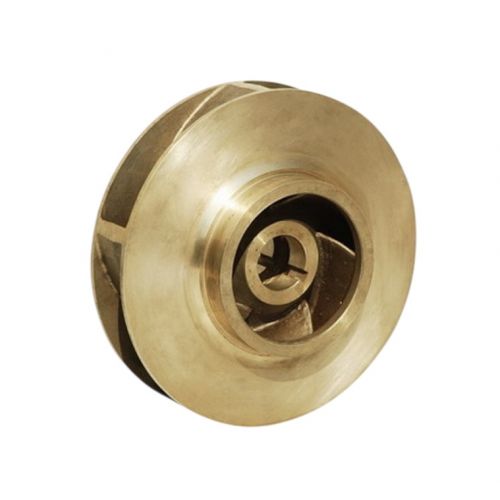
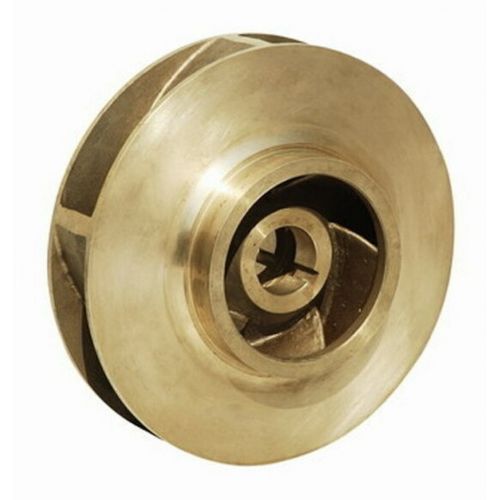
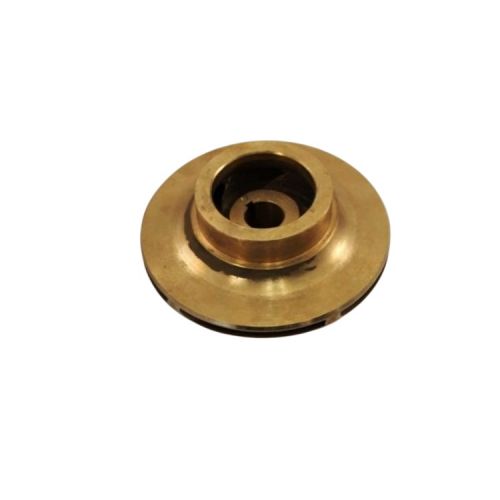
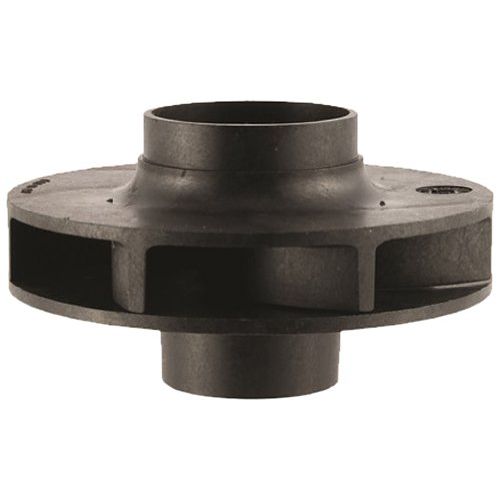
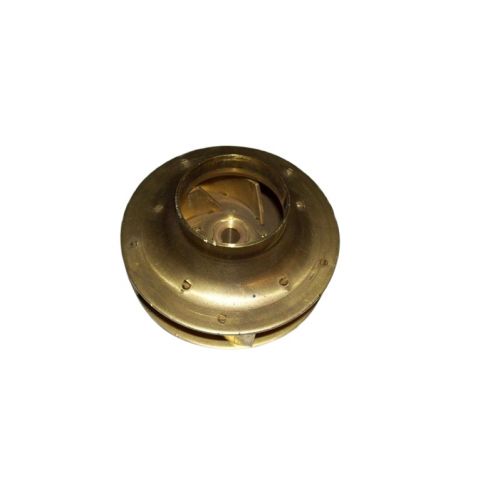
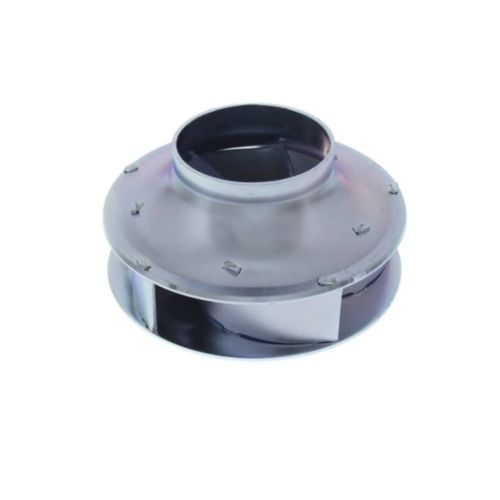
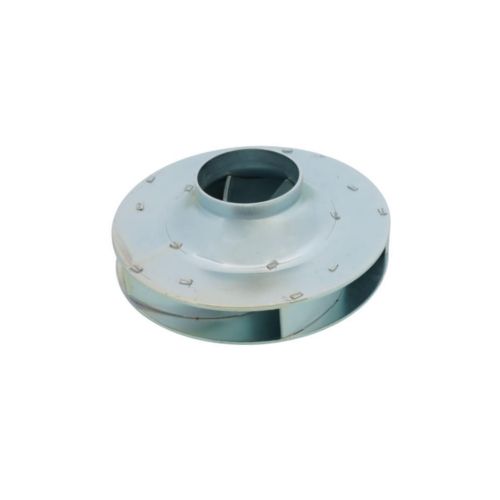
Impellers Replacement Parts for Motors & Fan Systems
Impellers are rotating components designed to move air or fluids by converting motor-driven mechanical energy into pressure and flow. In HVAC equipment, an HVAC impeller plays a key role in maintaining proper airflow through blowers, air handlers, and ventilation systems. These components are engineered with curved blades that efficiently direct air or liquid through ducts or piping systems.
Impellers are commonly used in furnaces, air conditioners, pumps, and ventilation equipment. In heating systems, a furnace impeller motor works with the blower assembly to circulate warm air through duct networks. Pump-driven equipment often uses a centrifugal pump impeller to move water or coolant within hydronic heating and cooling systems. Proper impeller performance ensures balanced airflow, consistent temperature distribution, and effective system operation.
Over time, impellers may suffer from blade wear, corrosion, dust buildup, or imbalance caused by constant rotation and airflow resistance. Common warning signs include reduced airflow, unusual vibration, noisy operation, or increased motor load. These issues can lower system efficiency and place additional strain on motors. Replacement components may include blower wheels, fan blades, motor shafts, mounting hubs, and balancing kits to restore proper airflow and equipment performance.
At PartsHnC, we supply HVAC impellers, blower wheels, centrifugal fan components, motor shafts, and mounting hubs from trusted manufacturers like Carrier, Trane, Lennox, Goodman, Packard, and Mars, designed with corrosion-resistant materials, precision-balanced blades, and durable construction for reliable airflow and pump performance.
FAQs
What does an HVAC impeller do in a system?
An HVAC impeller rotates with a motor to move air or liquid through ducts, blowers, or pumps, enabling proper circulation and system performance.
What are the signs of a damaged impeller?
Common signs include vibration, unusual noise, reduced airflow, uneven air distribution, or visible blade damage caused by debris or corrosion.
Can a worn centrifugal pump impeller affect HVAC efficiency?
Yes, a worn or damaged centrifugal pump impeller can reduce fluid flow and pressure, leading to poor heating or cooling performance in hydronic systems.
Why is my HVAC blower making vibrating noises?
Vibration often occurs when the impeller blades are bent, clogged with debris, or unbalanced, causing uneven rotation inside the blower assembly.
When should an HVAC impeller be replaced?
An impeller should be replaced when airflow drops significantly, blades show corrosion or damage, or excessive vibration occurs during system operation.