 Loyalty Program

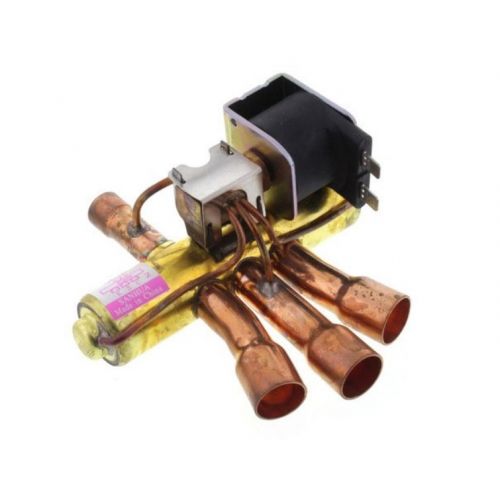
HVAC reversing valves control refrigerant flow direction in heat pumps. Replacing faulty valves restores heating and cooling operation, improves efficiency, and ensures dependable year-round comfort.
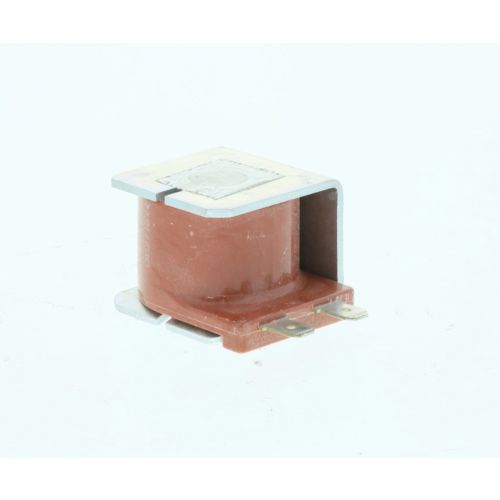
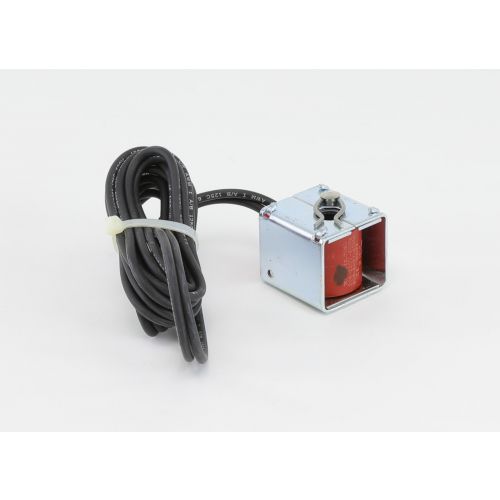 -13%International Comfort Products 1066549 240V Reversing Valve Solenoid CoilSpecial Price $86.80 Regular Price $99.82
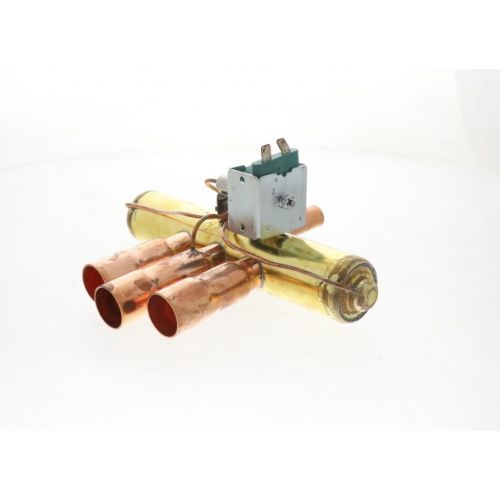 -10%International Comfort Products 1095224 Reversing Valve W/Coil 240VSpecial Price $243.38 Regular Price $270.15Out of stock
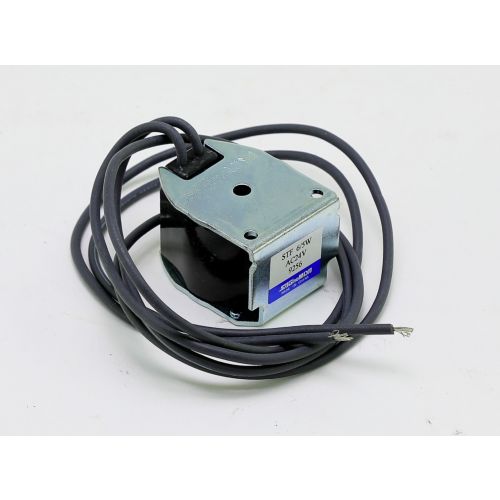
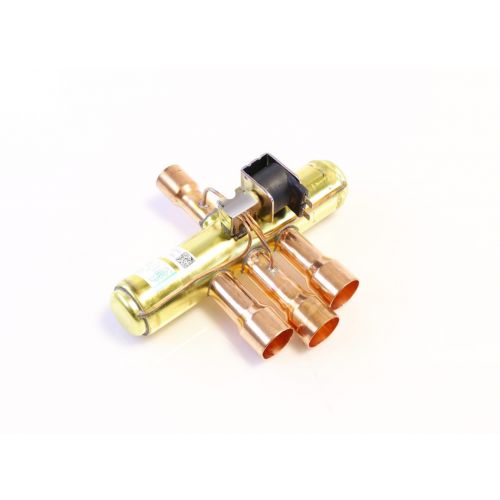 -10%York S1-025-33379-003 Reversing Valve W/Coil 24V 4WSpecial Price $437.80 Regular Price $485.95Out of stock
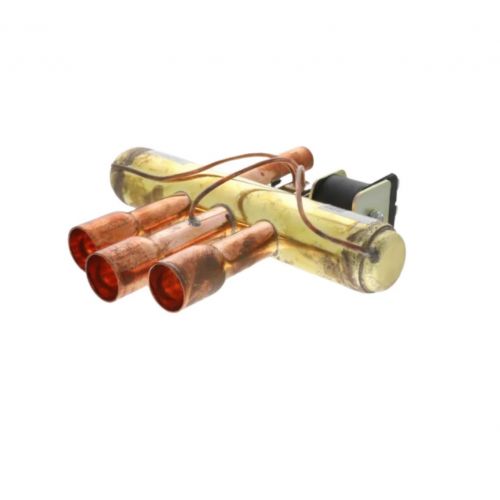 -13%
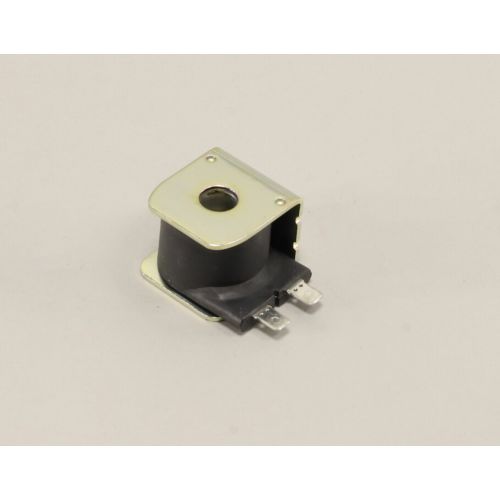
-13% -23%International Comfort Products 1186721 24V Reversing Valve CoilSpecial Price $26.18 Regular Price $34.03
- -13%York S1-VLSC-024RVS Reversing Valve Coil 24VSpecial Price $137.69 Regular Price $158.35Out of stock
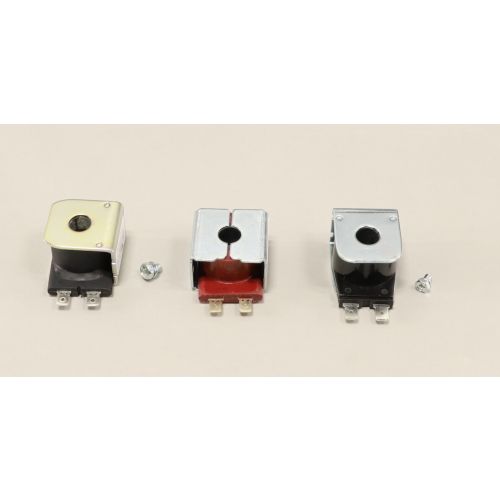
- -13%Rheem-Ruud 61-101713-92 Reversing Valve Coils Kit 24VSpecial Price $152.29 Regular Price $175.13Out of stock

HVAC Reversing Valve Replacement Parts for Heat Pump Systems
HVAC reversing valve replacement components are essential for enabling heat pumps and certain air conditioning systems to switch between heating and cooling modes.
These valves control the direction of refrigerant flow, allowing the system to either absorb heat from indoors or release heat outside, depending on the operating mode. An HVAC reversing valve plays a central role in maintaining year-round comfort by ensuring smooth transitions between heating and cooling functions.
A reversing valve for a heat pump redirects refrigerant to reverse the refrigeration cycle, making heat pumps highly versatile and energy efficient. In cooling systems, an air conditioner reversing valve ensures proper refrigerant routing for effective temperature control and system performance. When the valve becomes worn or stuck, timely HVAC reversing valve replacement is necessary to restore proper operation.
Common signs of failure include the system blowing warm air in cooling mode, inability to switch modes, unusual noises, or reduced efficiency. Regular inspection and replacement help protect compressors, maintain energy efficiency, and ensure reliable heating and cooling performance in residential and commercial applications.
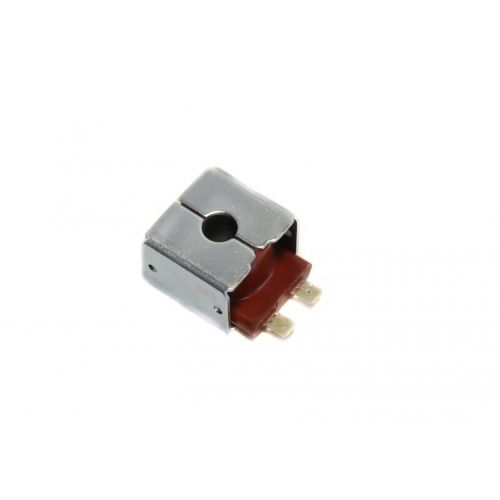
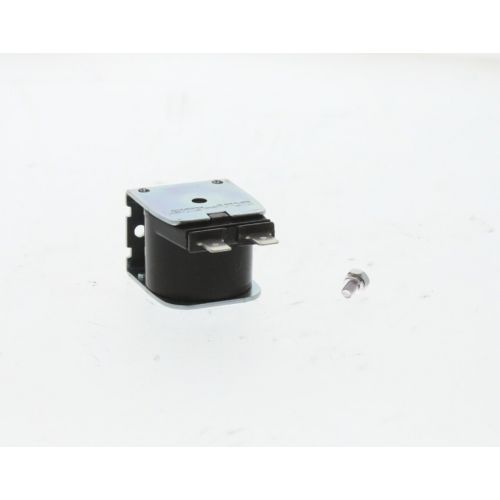
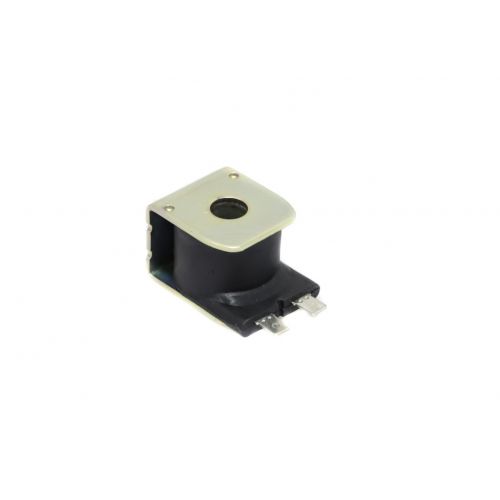
At PartsHnC, we offer reversing valve coils, reversing valves with harness, 1-ton Dunan reversing valves, and reversing valve coil leads. Compatible with Amana-Goodman, Carrier, Trane, Daikin-McQuay, and Lennox for reliable heat pump performance.
FAQs
Can a reversing valve be repaired or must it be replaced?
Most faulty reversing valves require replacement, as internal mechanical issues are typically not repairable.
What causes a reversing valve to fail?
Common causes include electrical coil failure, internal wear, contamination in the refrigerant, or overheating of system components.
Will a bad reversing valve stop a heat pump from working?
Not completely, but it may lock the system in heating or cooling mode, preventing proper temperature control.
Where is the reversing valve located in a heat pump?
It is typically located in the outdoor unit near the compressor and refrigerant lines.
How do you test an HVAC reversing valve?
Technicians check coil voltage, listen for the valve shifting sound, and measure temperature differences across refrigerant lines.