 Loyalty Program

Air conditioning motors power condenser fans and blower assemblies to maintain proper airflow and heat exchange. Built for efficiency and durability, these motors support consistent cooling, prevent overheating, and ensure dependable performance in residential and commercial HVAC systems.
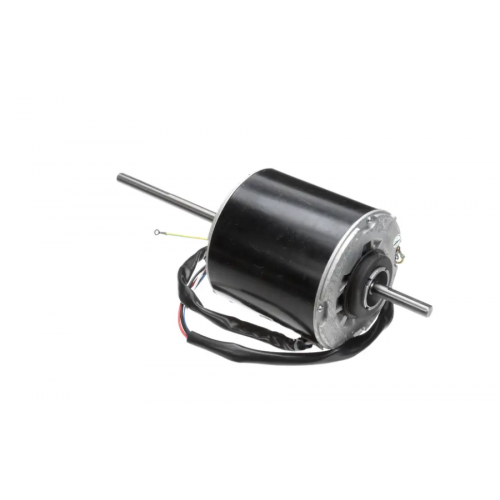
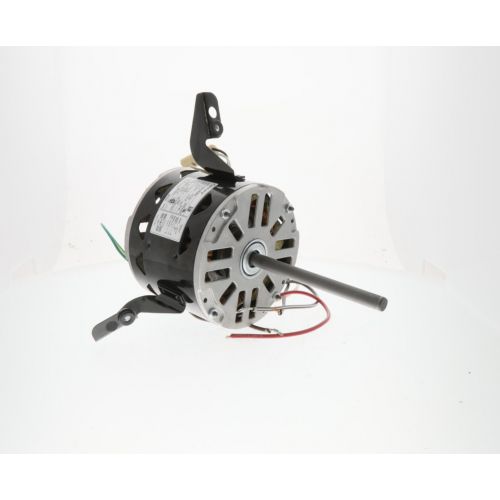 -10%Century Motors 9432A 1/4/1/6/1/8HP Air Conditioning Motor 1075 RPM 277V/1PHSpecial Price $373.22 Regular Price $414.27
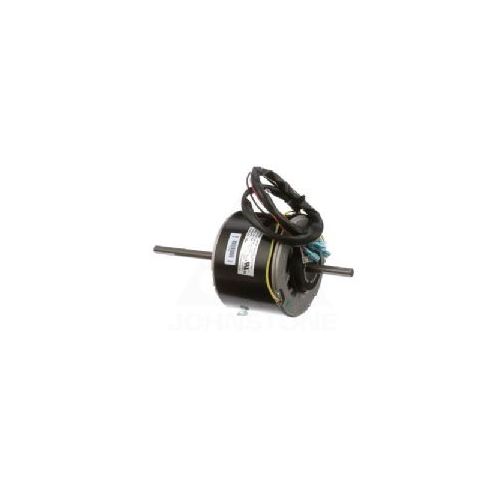 -13%Friedrich Air Conditioning 61871495 1/4HP 6Pole Motor 208-230V/1PHSpecial Price $139.53 Regular Price $160.47Out of stock
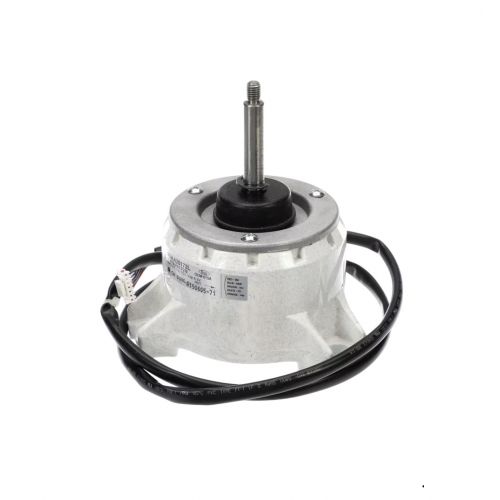
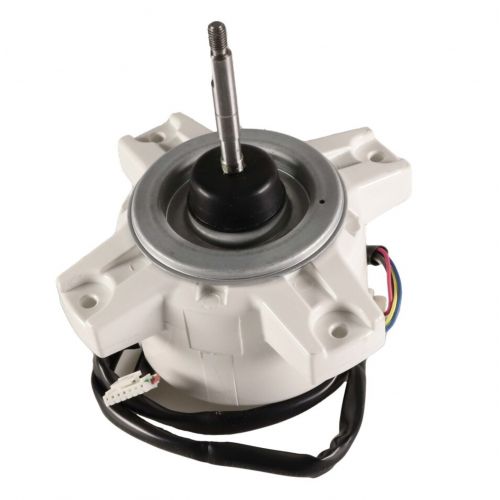 -13%Friedrich Air Conditioning 67603316 Brushless DC Motor-310VSpecial Price $153.95 Regular Price $177.05Out of stock
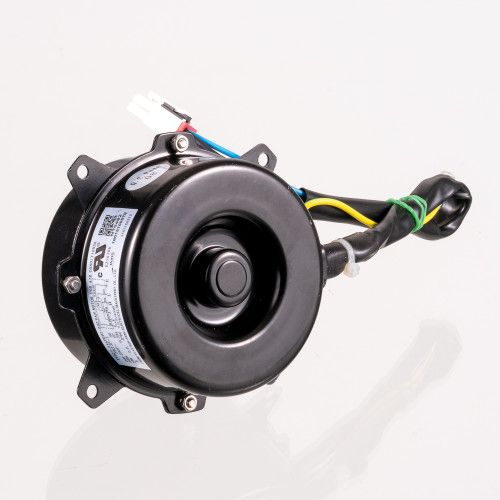 -13%Friedrich 69700383 Air Conditioning 208-230V 23W 6P MotorSpecial Price $74.21 Regular Price $85.34Out of stock
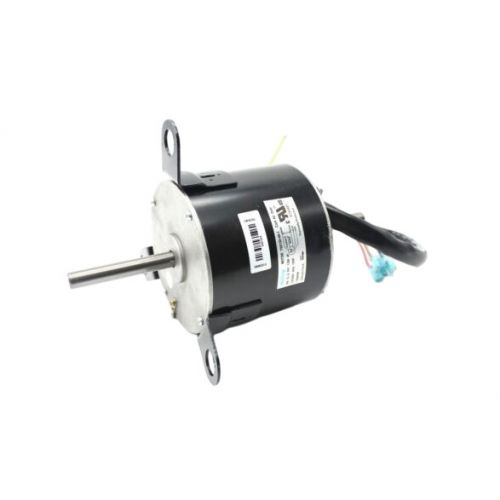 -13%Friedrich Air Conditioning 61871474 1/5HP Motor 1380 RPM 208-230V/1PHSpecial Price $134.69 Regular Price $154.89Out of stock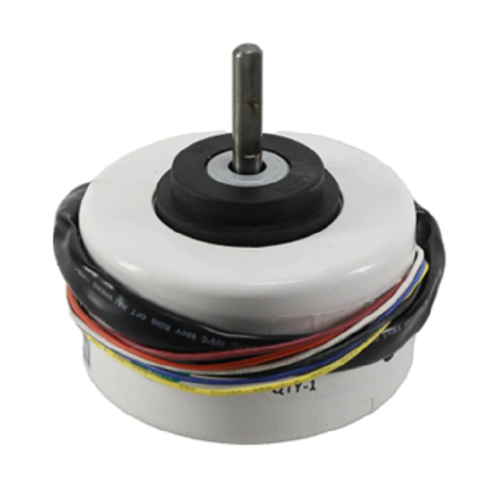
 -13%Friedrich Air Conditioning 67812105 4-Pole Indoor Motor 208-230V/1-PHSpecial Price $81.31 Regular Price $93.51Out of stock
- -13%Friedrich Air Conditioning 61871496 6-Pole Motor 105W 208-230V 1PHSpecial Price $134.19 Regular Price $154.32Out of stock
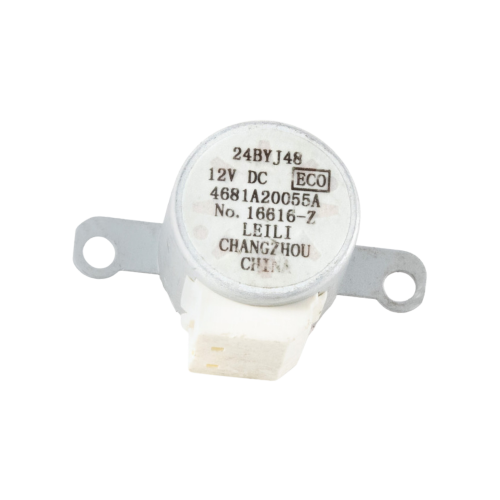
- -13%Motor Assy Dc Stepping For Friedrich Air Conditioning -Part# 67603319Special Price $66.05 Regular Price $75.96Out of stock
- -13%
- -13%Friedrich Air Conditioning 67603314 Condenser Fan MotorSpecial Price $195.49 Regular Price $224.81Out of stock
- -13%Friedrich Air Conditioning 68700182 4-Pole Out Door Motor 208-230V 65WSpecial Price $87.17 Regular Price $100.24

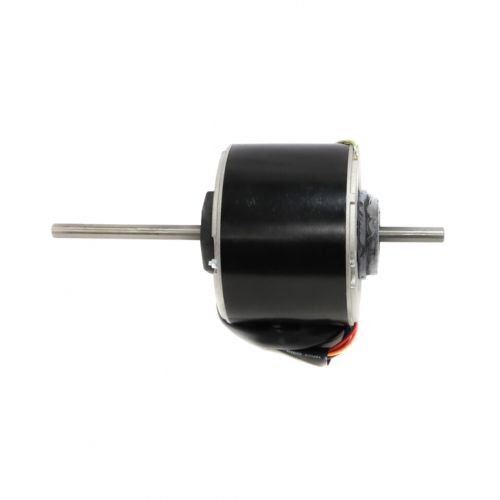
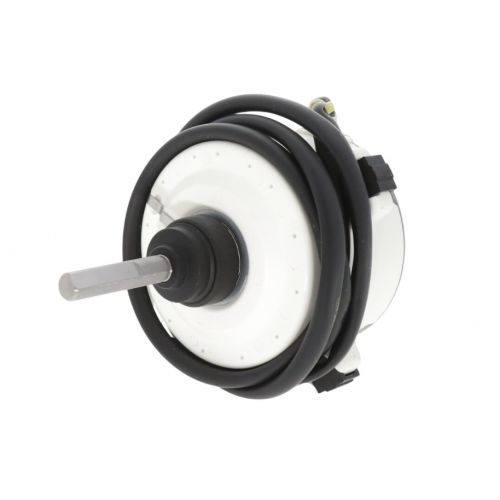
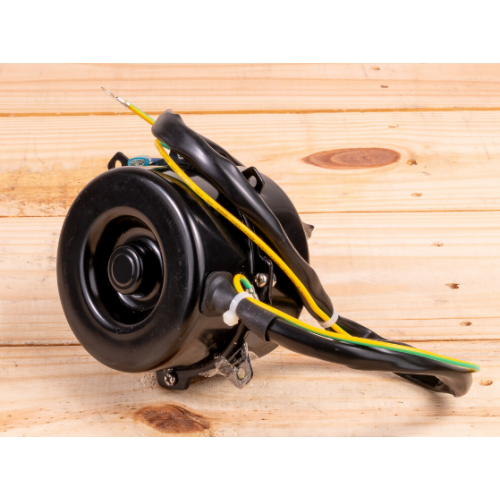
Air Conditioning Motors Replacement Parts for Cooling Systems
An air conditioning motor is a critical electromechanical component that drives condenser fans and indoor blower assemblies in HVAC systems. It converts electrical energy into rotational motion, ensuring consistent airflow across the condenser and evaporator coils for efficient heat transfer. Proper motor performance directly affects cooling capacity, system pressure balance, and energy consumption.
These motors are used in central air conditioners, split systems, packaged units, rooftop systems, and heat pumps. The condenser fan motor expels heat from the outdoor coil, while the blower motor circulates conditioned air indoors. During an air conditioning motor replacement, matching voltage, horsepower, RPM, frame size, and shaft length is essential to maintain design airflow and prevent system imbalance.
Common wear signs include humming without startup, overheating, weak airflow, vibration, squealing bearings, and frequent breaker trips. Failed run capacitors, worn bearings, or damaged windings can reduce efficiency and strain compressors. Key replacement components include capacitors, fan blades, motor mounts, contactors, blower wheels, and relay switches to restore safe and reliable operation.
At PartsHnC, we supply condenser fan motors, blower motors, ECM motors, direct-drive assemblies, capacitor kits, mounting brackets, and fan blades from trusted brands like Century, Fasco, US Motors, Carrier, Trane, Lennox, and Goodman, featuring thermally protected windings, multi-horsepower ratings, and high-efficiency performance designs.
FAQs
What causes an air conditioning motor to overheat?
Overheating can result from restricted airflow, a weak capacitor, dirty coils, high ambient temperatures, or internal winding failure.
How do I know if I need an air conditioning motor replacement?
Signs include reduced airflow, unusual noises, the motor not starting, overheating, or visible shaft wobble and bearing wear.
Can a bad motor affect the compressor?
Yes, poor airflow from a failing motor can increase system pressure and cause compressor overheating or premature failure.
Why is my AC fan motor running but not blowing cold air?
The issue may involve low refrigerant, a failing compressor, or improper airflow despite the motor operating.
How long does an air conditioning motor last?
Most HVAC motors last 8–15 years, depending on maintenance, operating conditions, and electrical stability.