 Loyalty Program

HVAC ball valves regulate fluid flow and provide reliable shutoff. Replacing worn 2-way, 3-way, or water heater ball valves ensures leak prevention, efficient operation, and dependable heating and cooling system performance.
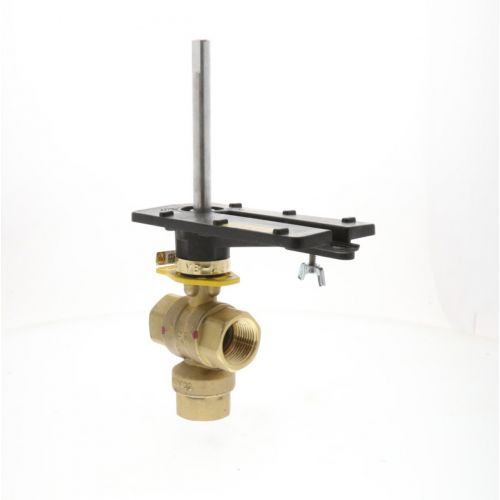 -10%Schneider Electric (Barber Colman) VB-2313-500-9-26 1 Inch 3W 4.5Cv Brassball Valve W/LinkSpecial Price $214.38 Regular Price $237.96Out of stock
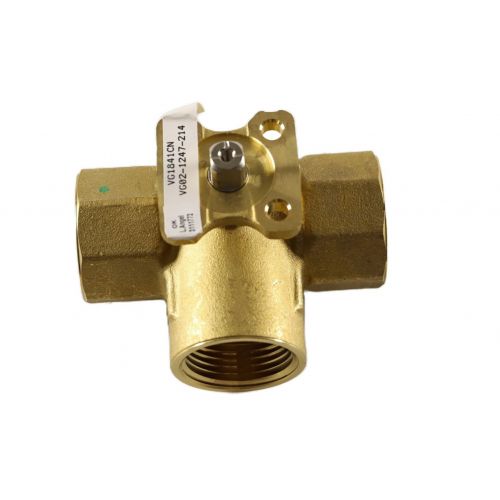 -13%
-13%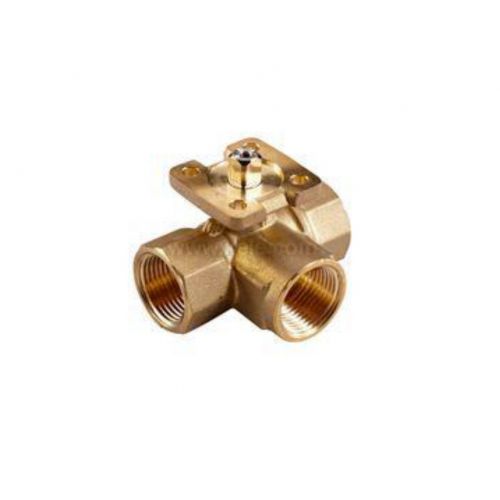 -13%Johnson Controls VG1841CP 3-Way Ball Valve 1" 18.7CvSpecial Price $181.47 Regular Price $208.69Out of stock
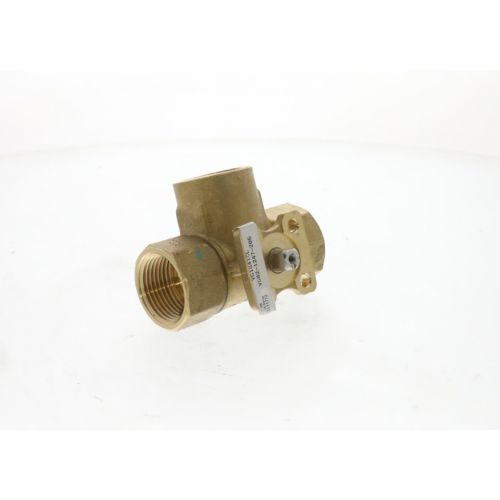 -13%Johnson Controls VG1841CL 3-Way Ball Valve 1" 7.4CvSpecial Price $157.23 Regular Price $180.82Out of stock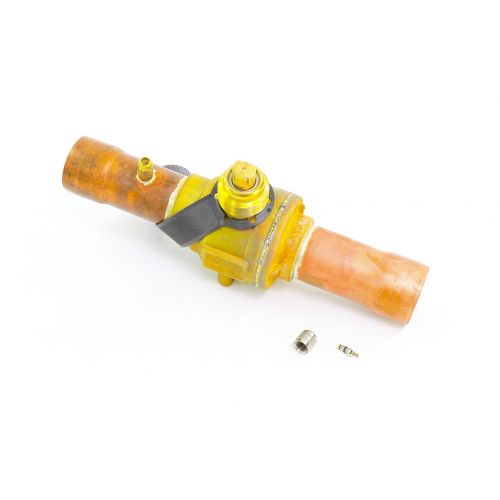
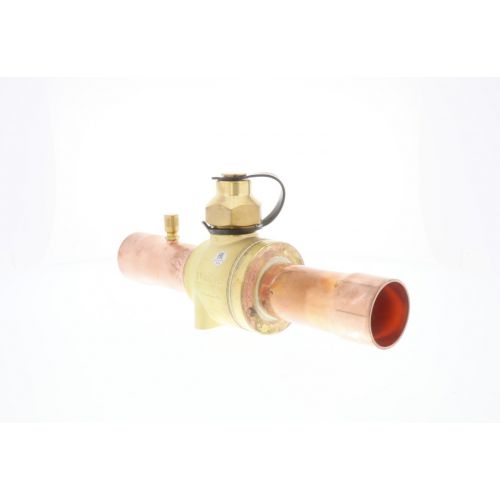
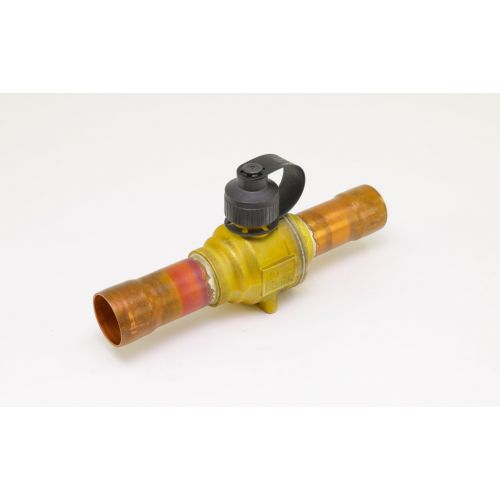
 -13%Emerson Flow Control (Alco) 806762 Ball Valve W/Access Valve 1-5/8" ODFSpecial Price $156.27 Regular Price $179.71
- -13%Emerson Flow Control (Alco) 806742 1 5/8 Inch Odf Shut Off Ball ValveSpecial Price $146.60 Regular Price $168.59
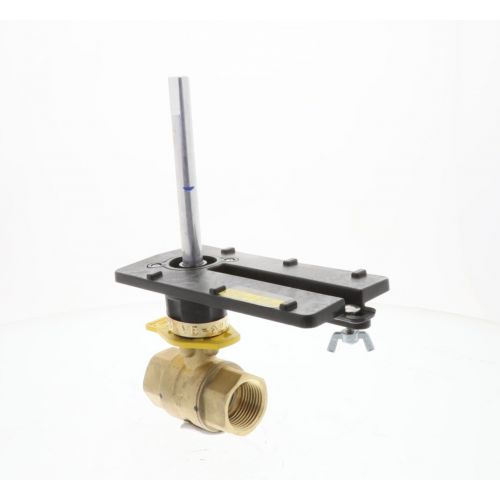
- -13%Schneider Electric (Barber Colman) VB-2253-500-9-27 1" Ball Valve 54.2Cv W/LinkageSpecial Price $145.58 Regular Price $167.41
- -13%
- -13%Schneider Electric (Barber Colman) VBB2N02 2-Way Brass Ball Valve 1/2" NPT 1.2CvSpecial Price $63.87 Regular Price $73.45Out of stock
- -13%
- -13%Schneider Electric (Barber Colman) VB-2253-500-9-4 2-Way Ball Valve 1/2" NPT 2.6Cv W/LinkageSpecial Price $113.70 Regular Price $130.76

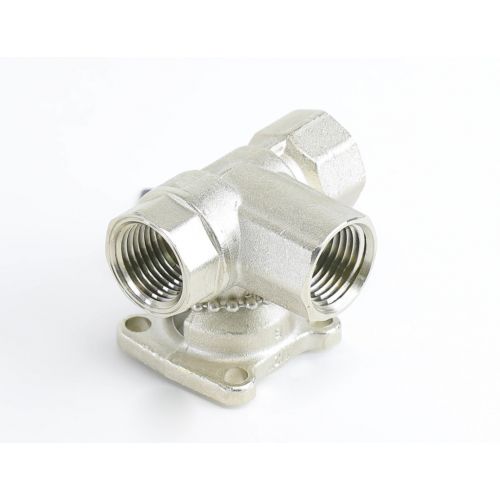
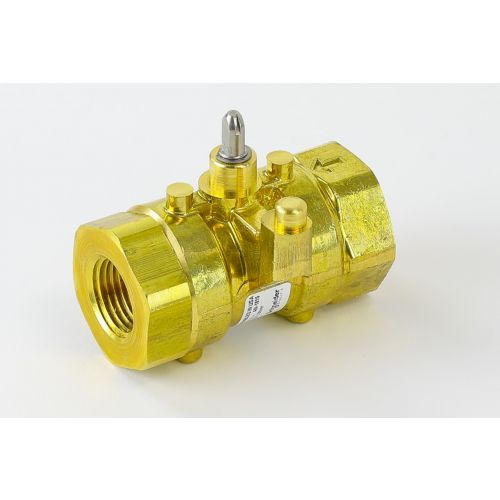
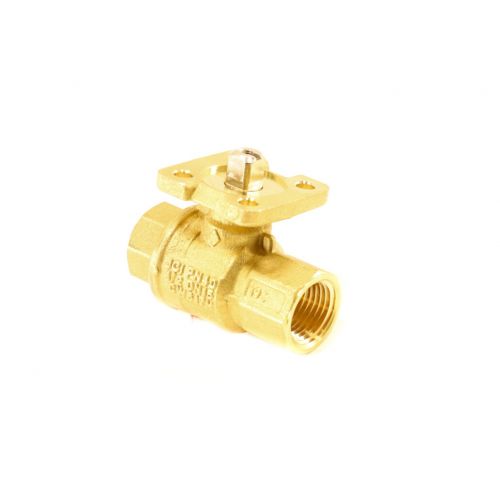
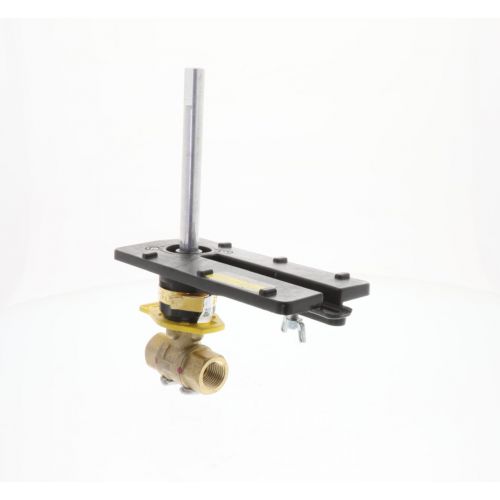
HVAC Ball Valve Replacement Components for Control Systems
HVAC ball valve replacement components are essential for controlling water, steam, or other fluid flow in heating and cooling systems. Using a rotating ball with a central opening, they provide quick shutoff and precise regulation, ensuring reliable operation in hydronic, chilled water, and plumbing systems.
A hot water heater ball valve allows quick isolation of the heater for maintenance or emergency shutdown, preventing leaks and system damage. A 2-way ball valve controls flow in a single direction, making it ideal for on/off applications, while 3-way ball valves enable flow diversion or mixing between multiple lines for advanced system control.
Signs of wear may include difficult operation, dripping connections, or reduced flow. Timely replacement helps maintain efficiency, protect equipment, and ensure dependable HVAC performance. Proper maintenance of these valves ensures smooth operation, prevents leaks, and extends equipment lifespan.
At PartsHnC, we offer 2-way ball valve assemblies, on/off floating NSR ball valves, gas shutoff ball valves, and control ball valves. Compatible with GC Valves, Belimo, Maxitrol, and Schneider Electric for reliable HVAC fluid and gas flow control.
FAQs
What is the difference between 2-way and 3-way ball valves?
A 2-way valve controls flow in one direction, while a 3-way valve diverts or mixes flow between multiple lines.
Can a faulty ball valve cause leaks?
Yes, worn seals or damaged components can lead to dripping, reduced flow control, or complete valve failure.
Are ball valves suitable for gas applications?
Yes, specific gas-rated ball valves are designed to safely control natural gas or propane in HVAC systems.
How do I know if an HVAC ball valve is bad?
Signs include leaks, difficulty turning the handle, reduced flow, or the valve not fully opening or closing.
Can I replace a ball valve without draining the system?
Usually no, most systems must be isolated and drained to safely remove and install a new valve.