 Loyalty Program

Manifolds and headers manage fuel or fluid distribution within furnace systems, ensuring balanced flow and safe operation. Replacing worn manifolds, cracked headers, or damaged sealing components helps prevent leaks, maintain pressure stability, and support consistent heating performance.
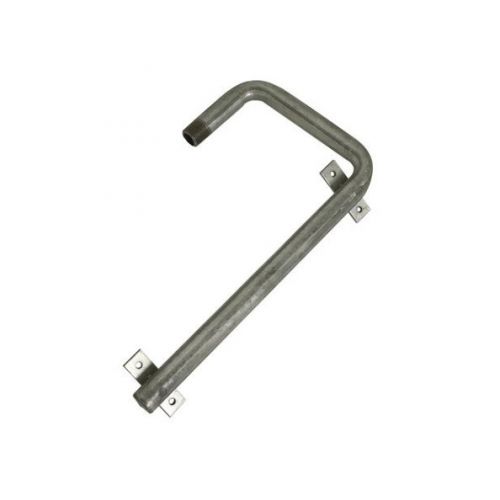 -23%
-23%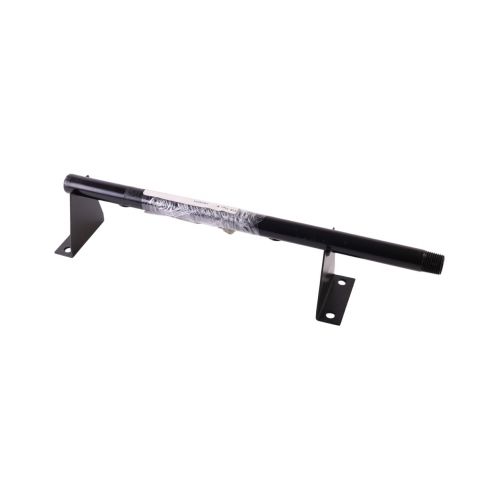 -13%Utica-Dunkirk 14616034 1/2" Manifold 4-Section Natural gasSpecial Price $58.03 Regular Price $66.73Out of stock
 -10%Laars Heating Systems R10364504 Inlet/Outlet Glass-Lined HeaderSpecial Price $519.91 Regular Price $577.10
- -13%Lochinvar & A.O. Smith 100093804 Manifold Door TC Ignition Project KitSpecial Price $175.73 Regular Price $202.08
- -13%
- -10%Carrier 50DK407883 Lower Header AssemblySpecial Price $1,509.06 Regular Price $1,675.06Out of stock

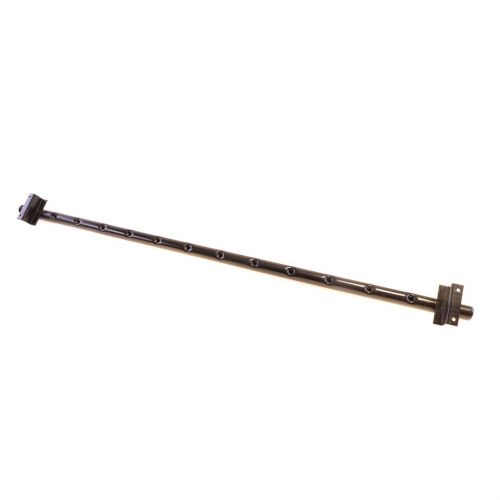
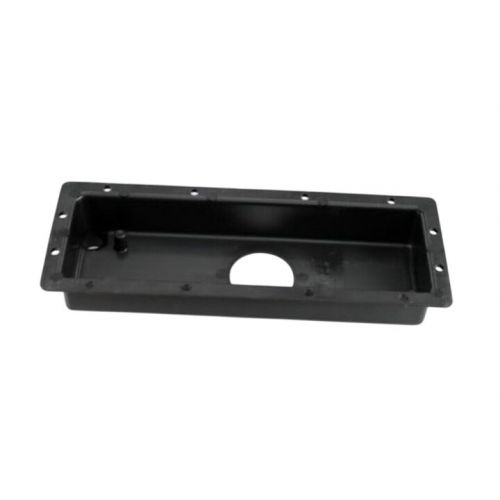
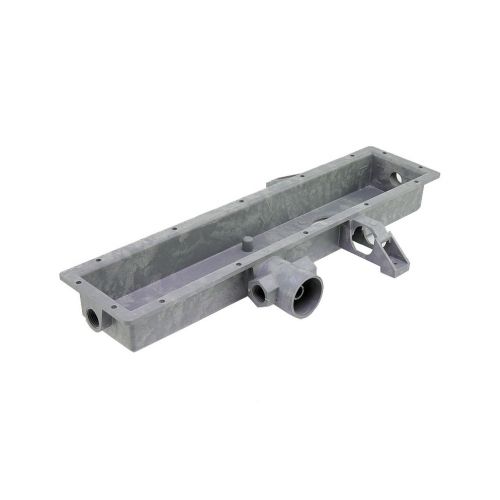
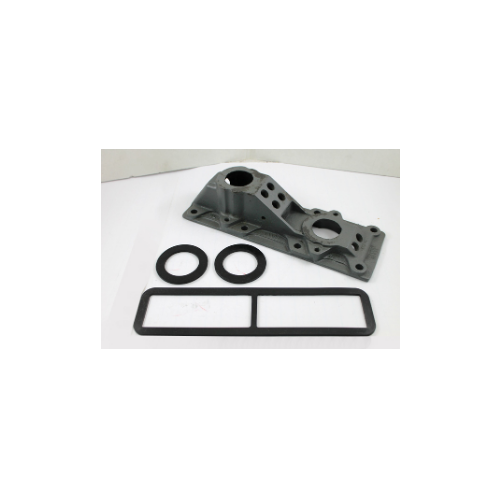
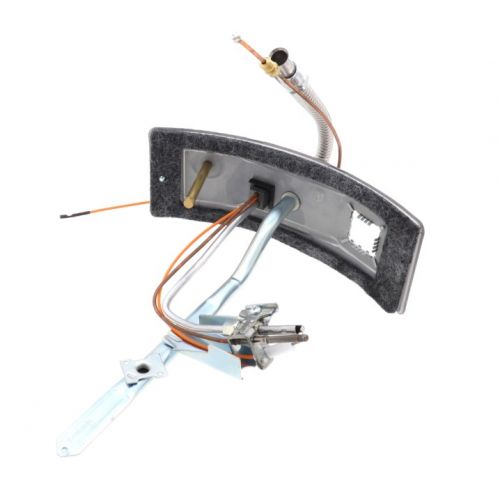
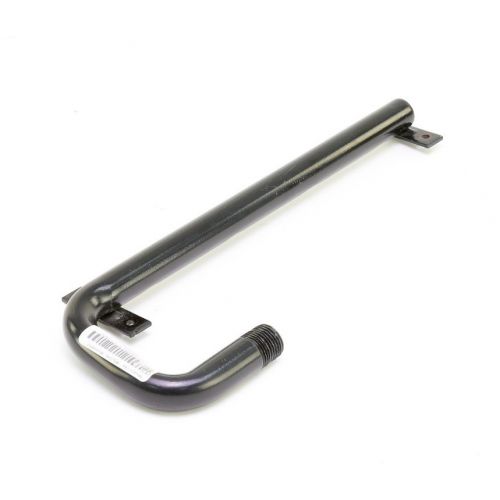
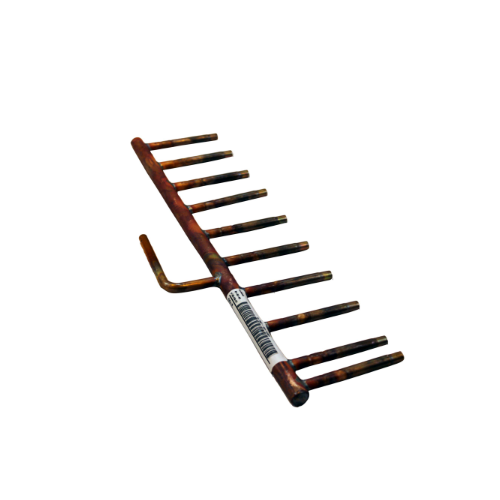
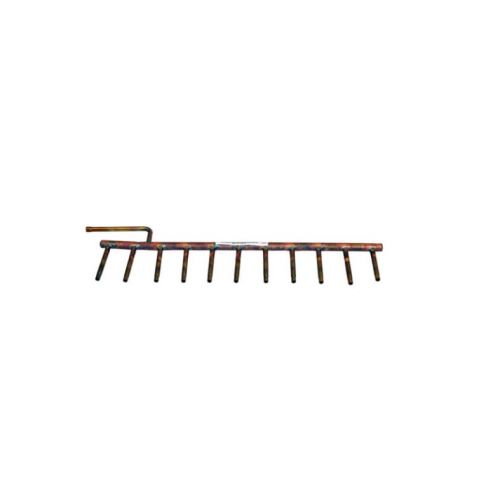
HVAC Furnace Manifolds & Header Replacement Parts
Manifolds and headers are critical distribution components in heating and furnace systems. They channel gas, air, or hydronic flow evenly to burners or heat exchangers, ensuring proper combustion and balanced heating output. Accurate distribution is essential for maintaining safe pressure levels and steady system performance.
Furnace manifolds distribute fuel to multiple burners, ensuring uniform flame ignition. Furnace headers organize piping for structured flow in gas or hydronic systems. Supporting parts—header gaskets, O-rings, flange bolts, pressure taps, and mounting brackets—maintain airtight seals, prevent leaks, enable monitoring, and ensure proper alignment.
Common signs of manifold or header issues include uneven burner flames, gas odors, pressure drops, corrosion, loose fittings, or reduced system efficiency. Cracks or leaks compromise combustion and heating reliability. Prompt replacement of damaged manifolds, headers, or seals restores balanced fuel flow and furnace operation.
PartsHnC supplies high-quality manifold and header replacement parts, including 1/2" manifold 4-section, 12-port manifold, 6-port manifold, 3-burner manifold, 3-probe manifold, brass and cast-iron inlet/outlet headers, and support burner manifolds, from leading HVAC brands Lennox, Carrier, Amana-Goodman, and Reznor, with fast and reliable shipping!
FAQs
Can a cracked manifold be repaired?
A: No. A cracked manifold should always be replaced. Welding or patching is unsafe and can lead to gas leaks, combustion issues, or fire hazards.
How can I test a burner manifold for proper operation?
Use a manometer to measure gas pressure at the inlet and outlets. Check that all burners ignite evenly with steady blue flames. Uneven flames or delayed ignition may indicate blockages or pressure imbalance.
How do I know if my manifold is leaking?
Signs include gas smell, uneven burner flames, corrosion, or pressure irregularities.
Can I reuse old manifold gaskets?
No, new gaskets and O-rings should always be installed to maintain proper sealing.
How do I check pressure through a header tap?
Use a calibrated pressure gauge connected to the pressure tap to verify system pressure levels.
How do I replace a furnace manifold?
Turn off gas supply, disconnect burner assembly, remove the faulty manifold, install the compatible replacement, secure fittings, and test for leaks before restarting the system.
How do I install a multi-section or port manifold?
Turn off the furnace and shut off the gas supply. Align the manifold ports with the burners, secure all connections with bolts, and ensure O-rings or gaskets are properly seated. After installation, perform a leak test before restoring power.