 Loyalty Program

Sensors and thermistors replacement parts play a critical role in monitoring temperature, flame, pressure, and humidity in Furnace and AC systems. Properly functioning HVAC sensors ensure safe operation, energy efficiency, and accurate climate control throughout the system.
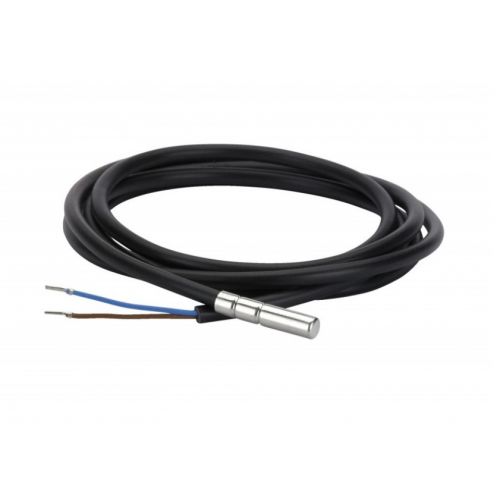 -23%
-23%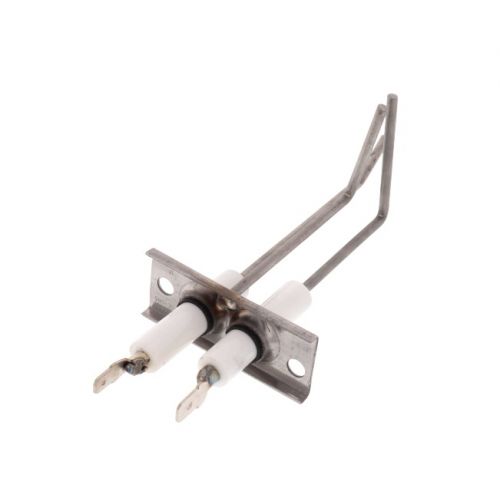 -23%
-23%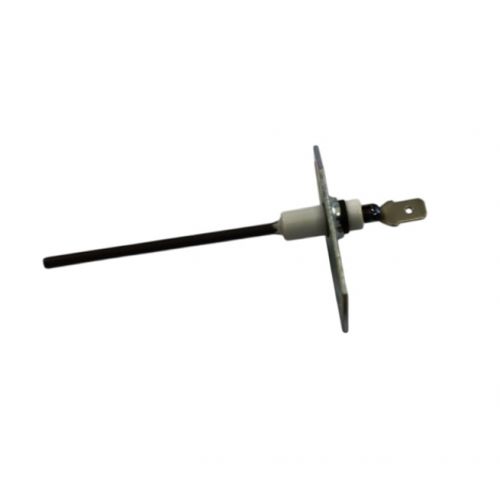 -13%
-13%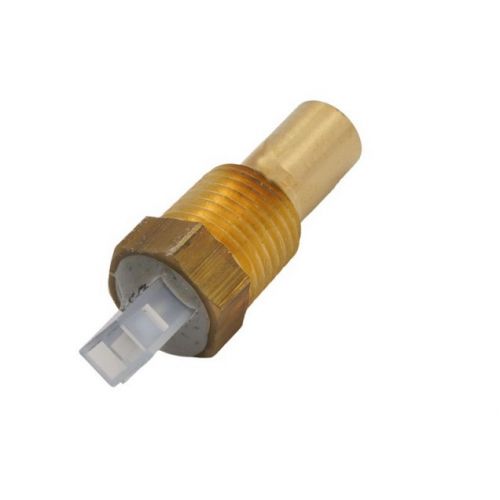
 -13%Laars Heating Systems 2400-446 Endurance Return SensorSpecial Price $128.70 Regular Price $148.01Out of stock
- -13%Laars Heating Systems 2400-445 Tank Supply Endurance SensorSpecial Price $149.31 Regular Price $171.70
- -13%York 025-40273-002 Entering Water Temperature SensorSpecial Price $164.26 Regular Price $188.89Out of stock
- -13%York 025-40273-005 Entering Water Temperature SensorSpecial Price $182.64 Regular Price $210.04Out of stock
- -13%Honeywell C7400C2007 Analog Enthalpy Sensor W/4-20mA OutputSpecial Price $118.78 Regular Price $136.60

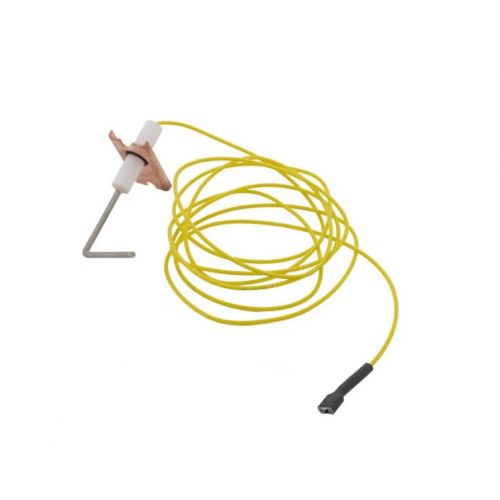
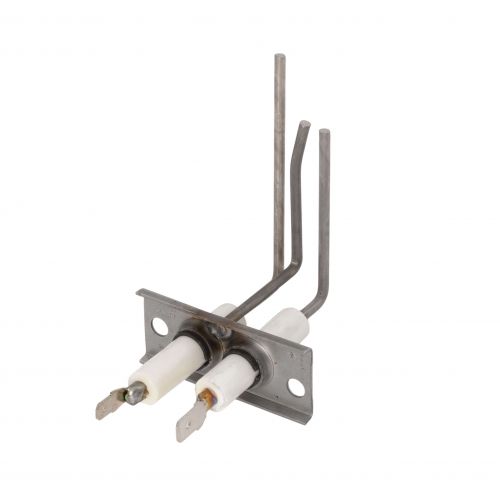
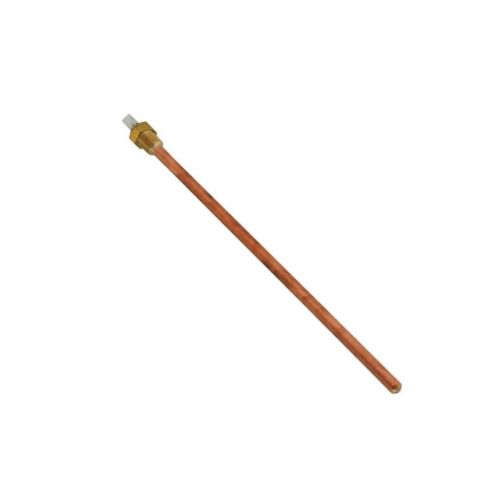
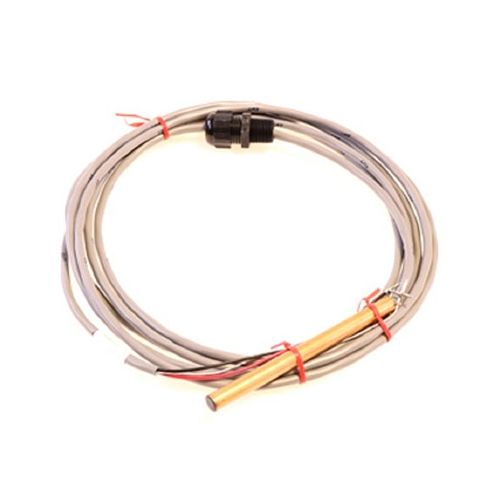
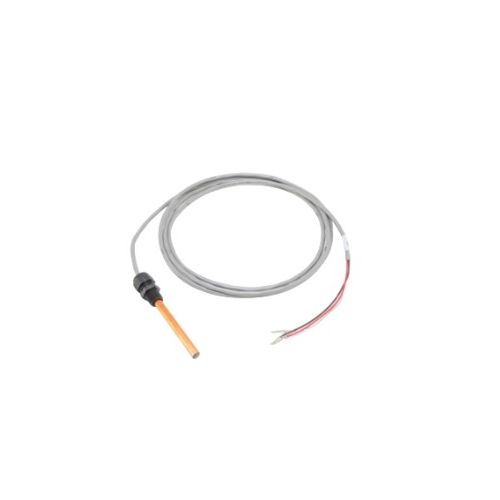
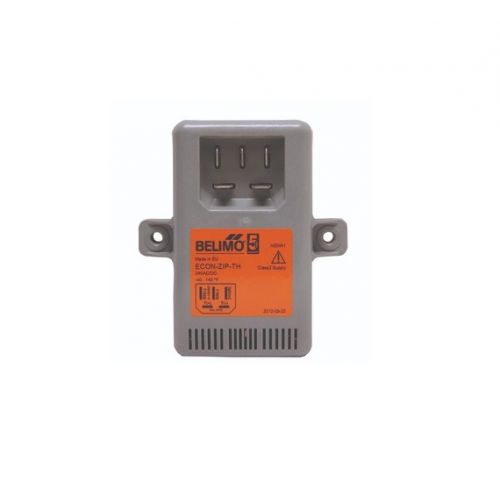
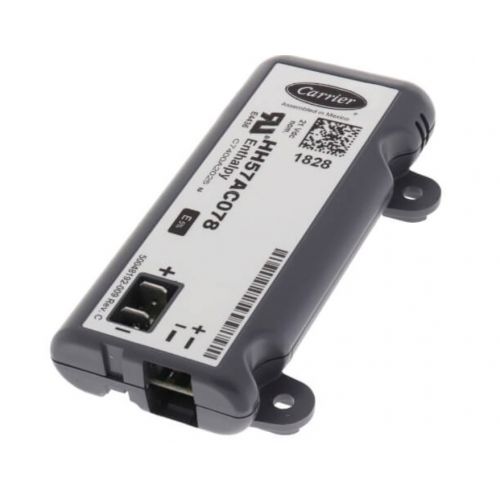
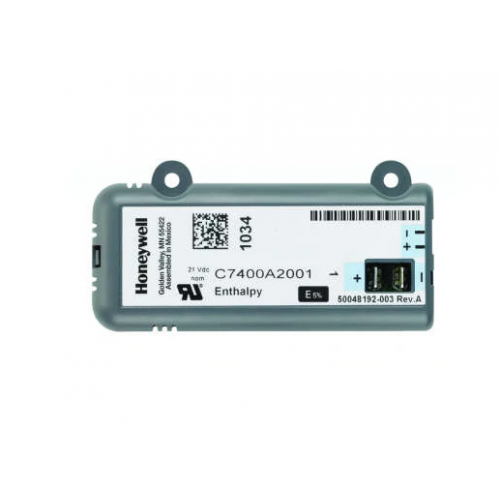
Sensors & Thermistors Replacement Parts for HVAC Controls & Sensing Devices
Sensors and thermistors replacement parts are vital components in HVAC controls and sensing devices, used to monitor temperature, pressure, humidity, and flame conditions in Furnace and AC systems. A reliable hvac thermistor measures temperature changes and communicates with the control board to maintain stable and efficient operation.
Different hvac sensors support safe heating and cooling performance. An HVAC temperature sensor manages airflow and coil temperature, while an hvac flame sensor confirms proper burner ignition in a Furnace to prevent unsafe operation.
Systems may also use an hvac differential pressure sensor to monitor airflow and filter status, along with an hvac humidity sensor to maintain balanced indoor moisture. Common signs of failure include error codes, uneven temperatures, ignition issues, or short cycling. Timely replacement helps ensure accurate control and dependable HVAC performance.
At PartsHnC, we offer quality sensor and thermistor replacement parts, including Hhumidity Ssensor, Ddifferential Ppressure Ssensor, Ppressure Ggauge Ssensor, and Dduct Aaverage Ssensor. Compatible with trusted brands like Honeywell, Johnson Controls, Siemens, Trane, and Daikin-McQuay for accurate monitoring and dependable HVAC system performance.
FAQs
What is the function of an HVAC thermistor?
An HVAC thermistor measures temperature changes and sends signals to the control board to regulate heating or cooling operation.
What happens if a flame sensor fails?
If the flame sensor fails, the system may shut down the burner shortly after ignition to prevent unsafe gas buildup.
How do I know if an HVAC temperature sensor is bad?
Signs include incorrect temperature readings, uneven cooling or heating, system short cycling, or error codes on the control panel.
How do you test an HVAC thermistor for accuracy?
Turn off the power, remove the thermistor, and use a multimeter to measure its resistance, then compare the reading to the manufacturer’s temperature-resistance chart.
Can a faulty HVAC sensor cause short cycling?
Yes, a malfunctioning sensor can send incorrect readings to the control board, causing the system to turn on and off more frequently than normal.