 Loyalty Program

HVAC control modules regulate temperature, ignition, and system communication to ensure safe and efficient operation. Replacing a faulty control module restores reliable heating and cooling performance.
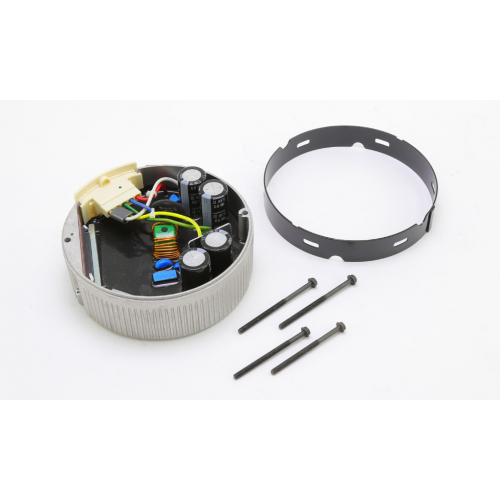
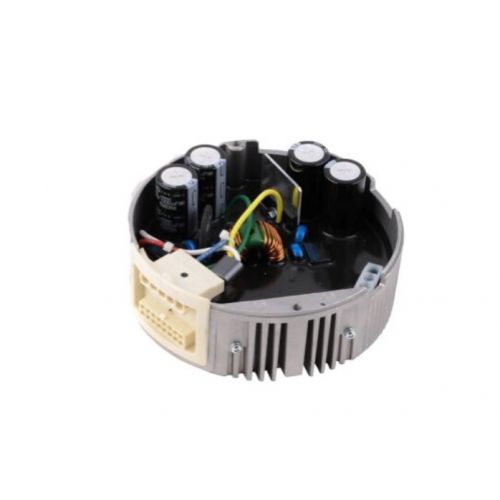
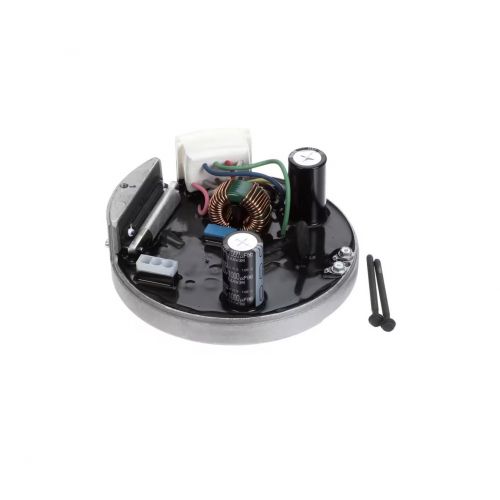 -10%International Comfort Products 1185287 ECM Control ModuleSpecial Price $260.67 Regular Price $289.35Out of stock
 -10%
-10% -10%
-10%
 -13%
-13%- -13%
- -10%Amana-Goodman 0131M00661 ECM End Bell ModuleSpecial Price $513.06 Regular Price $569.49Out of stock
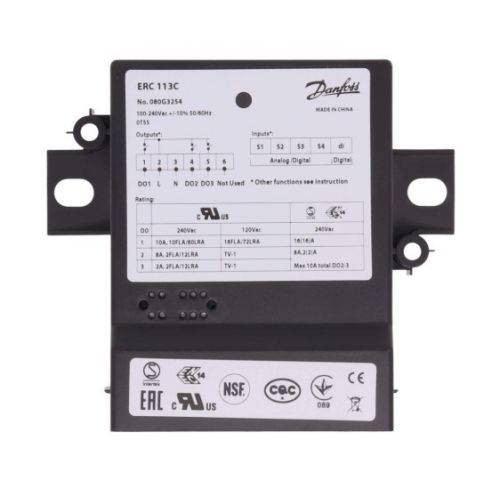
- -13%Danfoss 080G3254 GDM ERC113C Refrigeration Controller Command ModuleSpecial Price $91.23 Regular Price $104.91


HVAC Control Module Replacement Parts
HVAC control modules are critical electronic components that manage heating and cooling systems. They coordinate with thermostats, sensors, and control boards to maintain precise temperature, safe ignition, and balanced airflow. Well-functioning modules boost energy efficiency, operational reliability, airflow consistency, and temperature accuracy.
Furnace ignition control modules oversee burner startup, monitor flame sensing, and manage automatic safety shutoff functions to ensure reliable and secure heating performance. AC control modules regulate compressor cycles and condenser fan speeds to maintain steady indoor cooling and balanced temperature control.
Heater control modules manage heating elements and blower timing for consistent airflow and warmth distribution. Temperature and humidity modules improve indoor climate accuracy, while advanced options such as CoreSense modules and relay expansion modules enhance system diagnostics, communication, and overall HVAC operational efficiency.
Common signs of a failing control module include ignition failure, irregular cycling, inconsistent temperatures, or flashing diagnostic codes. Electrical surges, wiring faults, and normal wear can cause module malfunction. Prompt HVAC control module replacement helps prevent extended downtime and protects major components from further damage.
PartsHnC provides premium HVAC control modules, including 24V 3TFi and trial ignition modules, 120/24V HSI modules, (208V–265V) control modules, DSI, Coresense, ECM, defrost, and expansion/interface modules, compatible with top brands like Laars, Johnson Controls, Rheem-Ruud, and Weil-McLain, with fast shipping.
FAQs
How do I repair a power module?
Check for burnt traces, loose wires, or damaged components. Replace faulty capacitors or relays, then test voltage outputs before reinstalling.
How can I tell if an ignition control module is bad?
Symptoms like no sparking, repeated ignition attempts, or error codes often mean the module is failing due to overheating or electrical surges. Testing continuity and looking for diagnostic LED codes can confirm failure.
How do I test an ignition control module before replacement?
Turn off the power, access the module, and use a multimeter to check for the expected 24 VAC at the terminals. A lack of correct voltage or output suggests the module needs replacement
How do I know if my 3TFi ignition module needs replacement?
If your furnace sparks repeatedly but doesn’t ignite, or cycles erratically, the 3TFi module could be faulty. Replacing it fixes ignition issues and ensures safe startup. Always test voltage and wiring first.
How much voltage should a furnace ignition module receive for proper operation?
Control modules typically operate on low‑voltage (around 24 VAC) supplied by the transformer, which must be consistent for reliable ignition and control signalling.
How to fix a 2-diaphragm kit disc module?
Replace worn diaphragms causing pressure inconsistencies. Check for leaks and proper installation to restore system accuracy.
How do I install an HSI module safely?
Turn off all power before connecting. Follow the wiring diagram for your model, ensure proper grounding, and verify voltage with a multimeter. Proper installation prevents short circuits and ignition failure.