 Loyalty Program

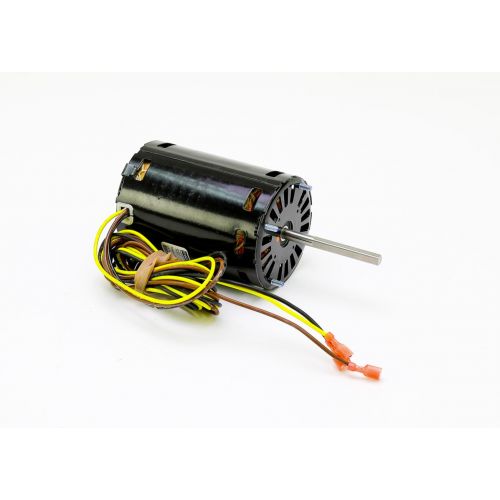
HVAC motors power fans, blowers, and compressors in heating and cooling systems. They regulate airflow, support heat exchange, and maintain system efficiency in residential and commercial HVAC equipment.
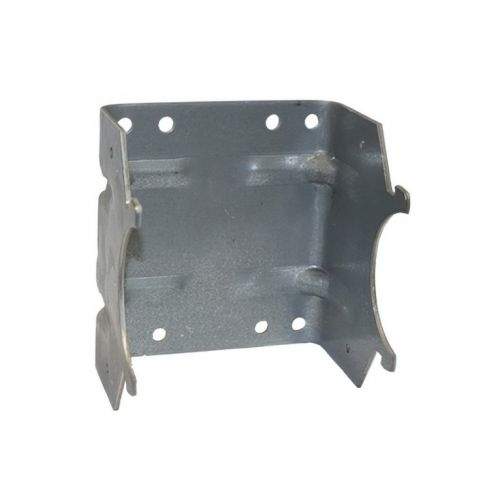
 -23%Rheem-Ruud AE-58384-81 4-Piece Motor Mounting Bracket Kit W/Screw ShellSpecial Price $12.80 Regular Price $16.64
 -10%
-10%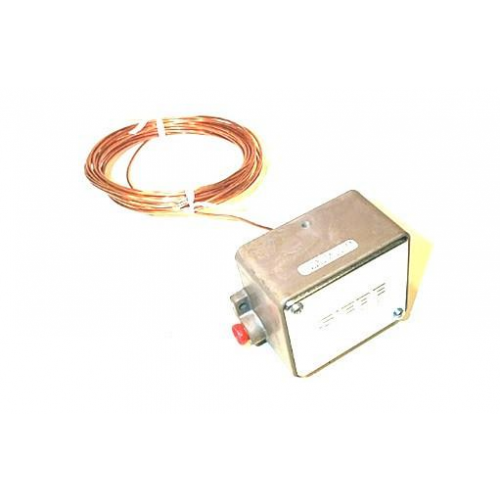 -10%Schneider Electric (Barber Colman) 2252-501 Temperature Transmitter 40-140°FSpecial Price $944.27 Regular Price $1,048.15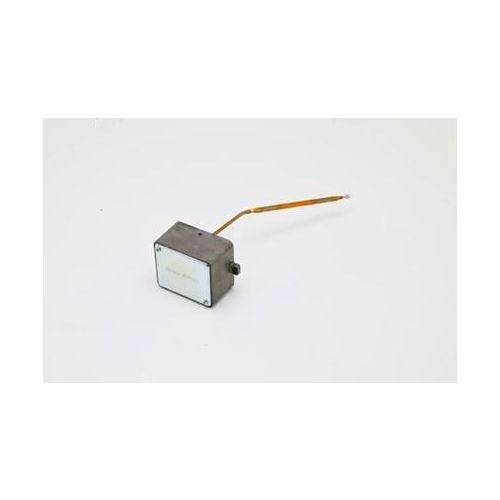
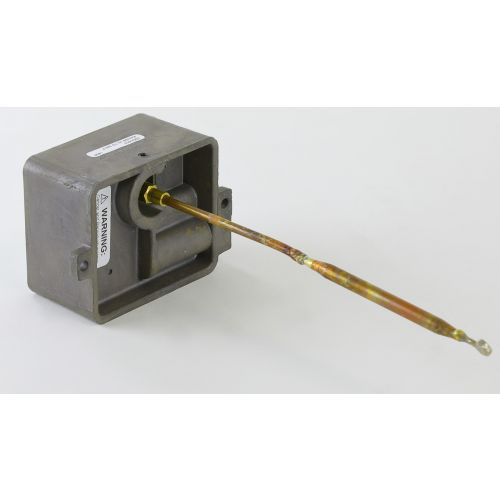
 -10%Schneider Electric (Barber Colman) 2252-510 40/140F Temp.Trans Motor ,9.25 Inch El.Special Price $812.31 Regular Price $901.67Out of stock
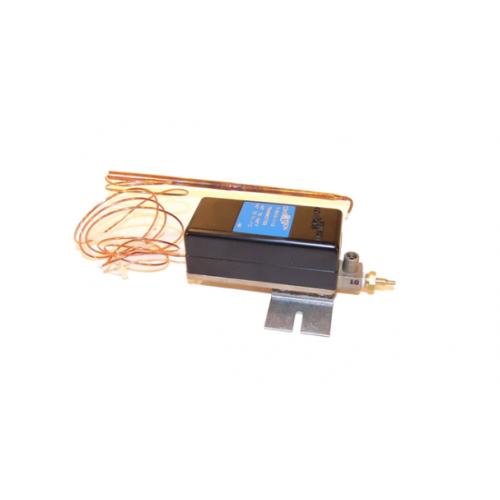
- -10%Johnson Controls T-5210-1113 Pneumatic Temperature Motor -40°F/160°F Remote Buld 4ftSpecial Price $548.15 Regular Price $608.44
- -10%Schneider Electric (Barber Colman) 2252-610 40/240F Temp.Trans Motor ,7 1/16 InchSpecial Price $638.99 Regular Price $709.27
- -23%
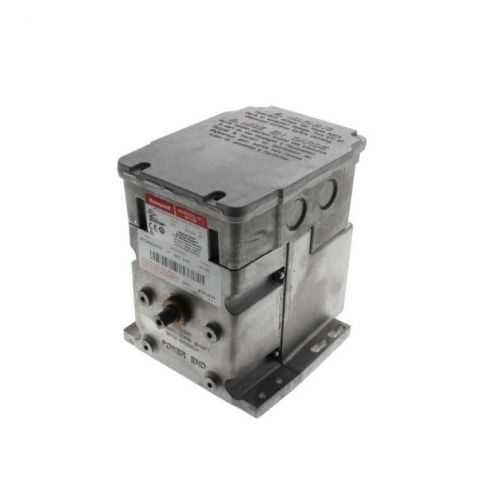
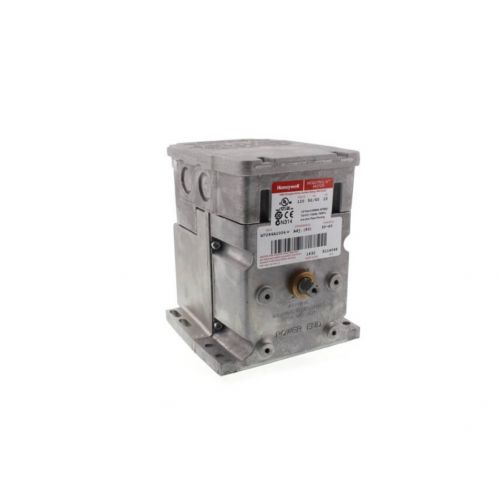
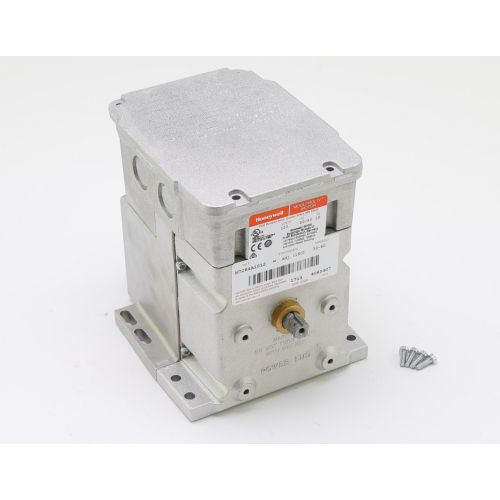
- -10%Honeywell M7284C1000 Modutrol IV Motor W/2-Switch 4-20mA 150 In-lbs 90°-160°F 120VSpecial Price $1,516.60 Regular Price $1,683.42
- -10%Honeywell M7284A1004 Modutrol IV Motor Actuator 150 lb-in Torque 4-20mA Input 210VSpecial Price $1,245.26 Regular Price $1,382.24
- -10%Honeywell M7284A1012 Modutrol IV Motor 150 in-lb Adjustable Stroke 4/20mA 210VSpecial Price $1,346.73 Regular Price $1,494.87

HVAC Motors & Replacement Parts for Air & Cooling Systems
HVAC motors are electromechanical devices that drive airflow and mechanical movement within air conditioners, furnaces, heat pumps, rooftop units, and air handlers. These systems rely on properly sized HVAC motors to rotate blower wheels, condenser fans, and inducer assemblies.
In heating and cooling equipment, motors convert electrical energy into rotational force to move air across evaporator and condenser coils. This process supports heat transfer, temperature regulation, and indoor comfort. When wear occurs, HVAC motor replacement may be necessary to prevent overheating and airflow imbalance.
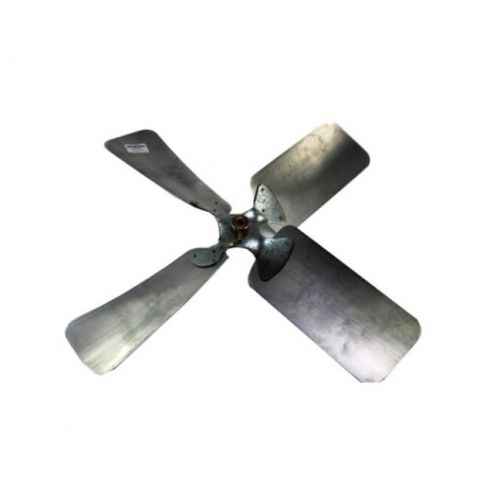
Common wear signs include humming noises, overheating housings, reduced RPM, excessive vibration, or tripped breakers. Bearing wear, winding failure, or capacitor issues can increase energy draw and strain connected components. Ignoring these symptoms may result in compressor overload or complete system shutdown. Key HVAC motor parts for replacement include blower motors, condenser fan motors, ECM motors, motor mounts, shafts, bearings, and cooling fans to restore reliable airflow and efficiency.
At PartsHnC, we supply high-performance blower motors, condenser fan motors, ECM variable-speed motors, motor brackets, shafts, and wiring harnesses from trusted manufacturers such as Century, Marathon Motors, US Motors, Carrier, Trane, and Lennox, engineered for precise RPM ratings, voltage compatibility, thermal protection, and long service life.
FAQs
What causes an HVAC motor to overheat?
Overheating may result from restricted airflow, failing bearings, incorrect voltage supply, or a weak capacitor that increases amperage draw.
How do I know if I need HVAC motor replacement?
Signs include slow fan speed, loud grinding sounds, frequent breaker trips, inconsistent airflow, or a motor that will not start.
Can a bad motor reduce cooling efficiency?
Yes. A failing motor lowers airflow across coils, reducing heat transfer and causing longer run times and higher energy costs.
Why is my furnace blower motor making noise?
Grinding or squealing noises often indicate worn bearings, loose mounting hardware, or shaft misalignment requiring inspection or replacement.
How long do HVAC motors typically last?
Most HVAC motors last 10–15 years with proper maintenance, though high heat, dust buildup, and voltage fluctuations can shorten lifespan.