 Loyalty Program

Hydronic parts maintain water circulation, pressure, and zone control in heating systems. Replacing worn valves, pumps, and controls prevents uneven heating, system strain, and energy loss, ensuring safe, efficient, and consistent performance.
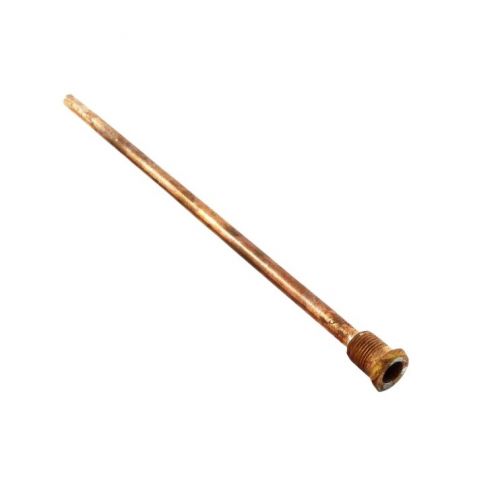
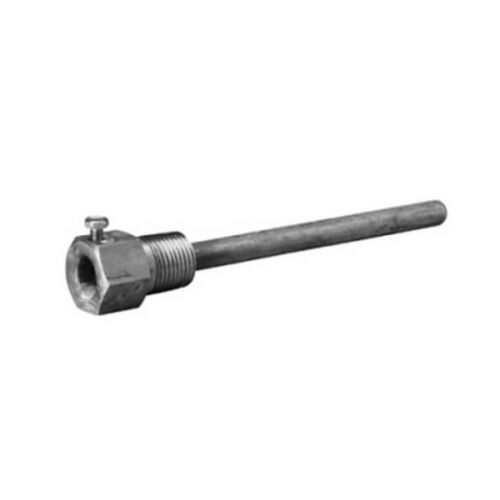 -13%Siemens 184-119 4" Temperature Transmitters Copper Well 15/16" 1/2" NPTSpecial Price $151.23 Regular Price $173.91Out of stock
 -13%
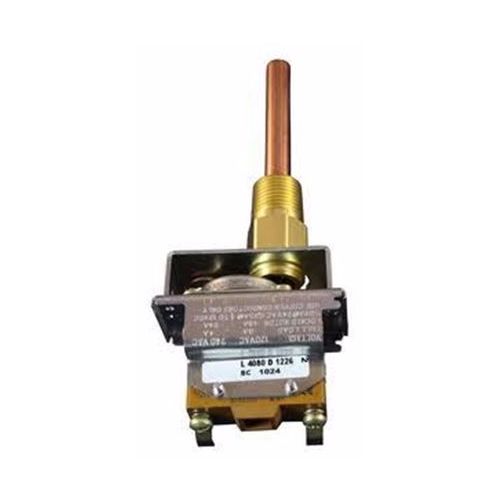
-13%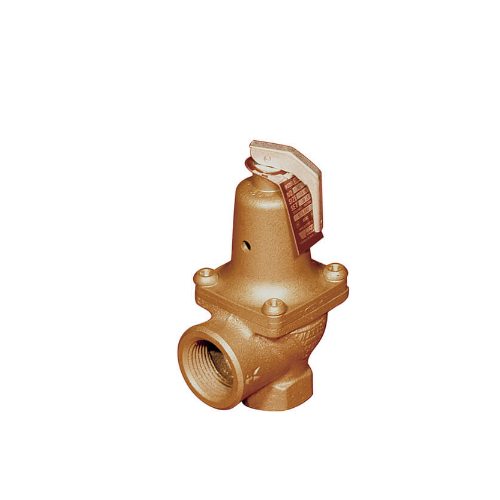 -13%Automation Components Inc (ACI) 121499 10Kohm Thrmstr Well 6 Inch NemaSpecial Price $61.95 Regular Price $71.24Out of stock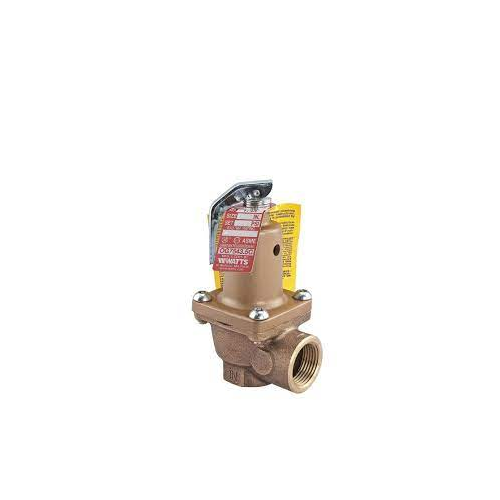
 -13%Automation Components Inc (ACI) 121504 10Kohm Thrmstr Well 6 Inch NemaSpecial Price $75.83 Regular Price $87.20Out of stock
- -13%
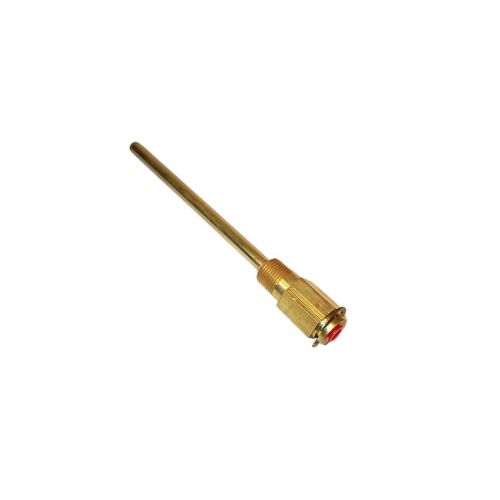
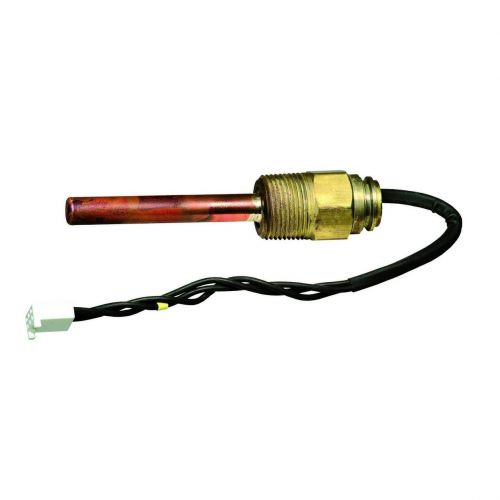
- -13%Resideo 123870A Copper Well Assembly 3/4" NPT x 3/8" Dia x 3" InsertionSpecial Price $61.64 Regular Price $70.89
- -23%
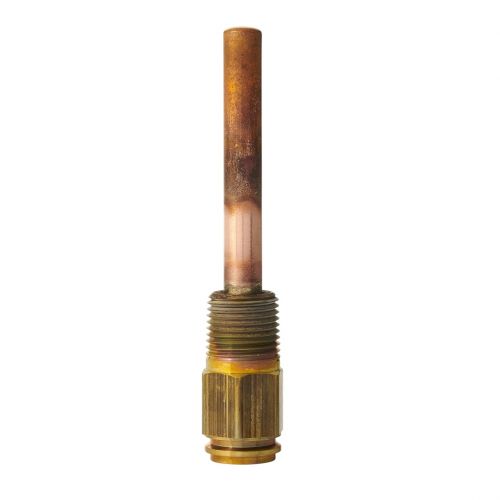
- -13%Resideo 123871A Well Assembly W/3" Insertion Depth 3/4" NPT CopperSpecial Price $64.61 Regular Price $74.30
- -23%

Hydronic Heating System Replacement Parts
Hydronic parts are essential for efficient hot water and steam heating systems, used in residential, commercial, and industrial HVAC applications to regulate water flow, maintain pressure, and ensure consistent heat distribution throughout the building.
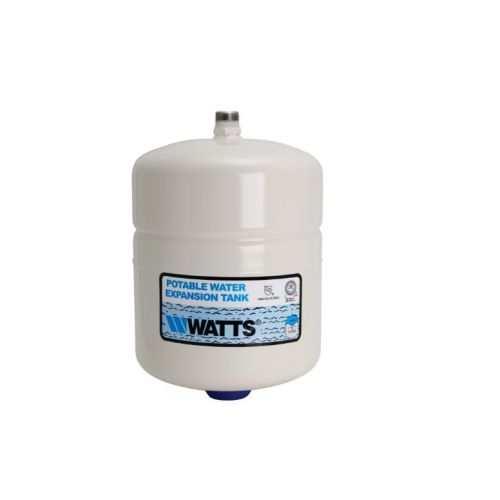
Circulator pumps move hot water through the system for steady heat. Expansion tanks control pressure caused by thermal expansion. Zone valves direct water to specific heating areas for accurate temperature control. Air separators remove trapped air to prevent noise and flow blockages.
Pressure relief valves protect the boiler from excess pressure buildup. Flow control valves stop unwanted water circulation when the system is off. Manifolds distribute water evenly across multiple heating loops. Boiler trim kits include required safety and control components for proper, code-compliant operation.
Common signs that hydronic parts need replacement include uneven room temperatures, noisy pipes, low system pressure, leaking valves, or reduced heating efficiency. Routine inspection and timely replacement of hydronic accessories help extend boiler life, improve energy efficiency, and maintain safe system operation.
PartsHnC offers a wide selection of hydronic parts and accessories, including plate, mixing valves, balancing valves, pressure reducing valves, backflow preventers, and temperature gauges from trusted brands like Johnson Controls, Automation Components Inc, Honeywell, and Lochinvar, with fast shipping available nationwide.
FAQs
How do I know if a hydronic circulator pump needs replacement?
Noisy operation, leaks, or uneven heating indicate pump issues. Pumps older than 10–15 years should be checked or replaced.
How often should pressure relief valves be tested or replaced?
Test annually and replace every 5–10 years or if leaking. They protect the system from dangerous pressure buildup.
Can I replace hydronic parts myself, or should I hire a professional?
Minor parts can be DIY, but pumps and expansion tanks need professionals. Proper installation ensures safety and code compliance.
Vocie search:
How do I size a circulator pump for a hydronic loop?
Calculate flow rate (GPM) and total system head (feet of pressure). Use the pump curve to select a pump that matches these requirements.
How do I know if a hydronic temperature gauge is accurate?
Compare its reading to a calibrated thermometer at the same point. Inaccurate gauges should be replaced to avoid misdiagnosing system issues.