 Loyalty Program

Temperature regulators maintain accurate heating and cooling in HVAC systems. Replacing faulty regulators ensures stable temperature control, prevents overheating or overcooling, protects equipment, and improves system efficiency while maintaining consistent comfort.
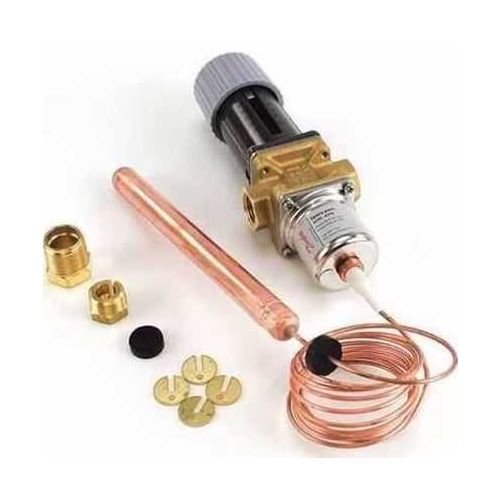 -10%Danfoss 003N-6032RA 1/2" Temperature Regulator 32°F-85°F Opens on RiseSpecial Price $632.01 Regular Price $701.54
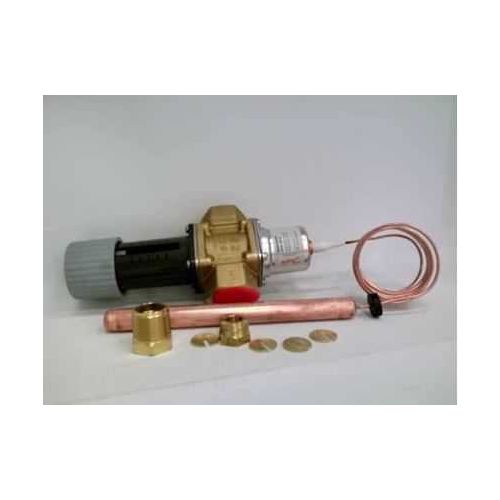 -10%Danfoss 003N-8252RA 1" Temperature Regulator 77°F-149°F Open/RiseSpecial Price $720.37 Regular Price $799.61
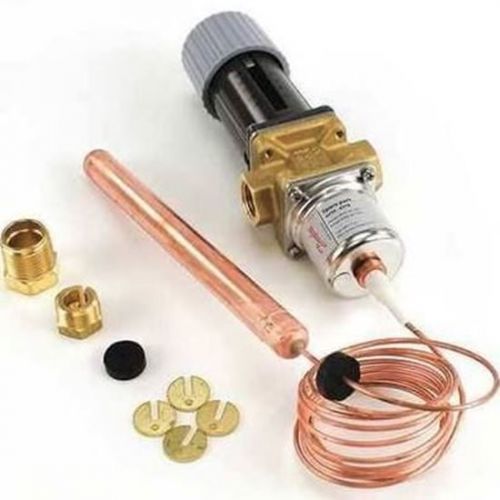 -10%Danfoss 003N-6032 1/2" Temperature Regulator 32°F-86°F Closes on RiseSpecial Price $540.82 Regular Price $600.31Out of stock
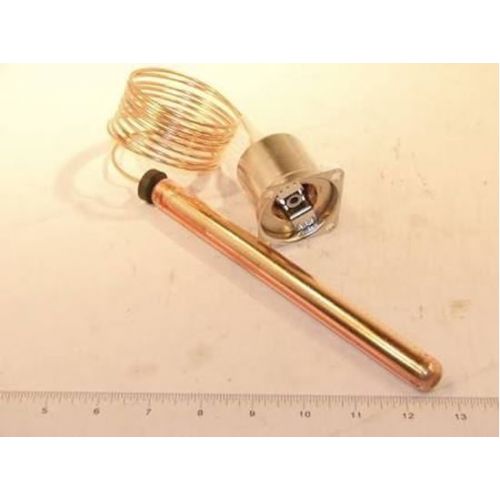 -10%Danfoss 003N-6252 1/2" Temperature Regulator 70°F-140°F Closes on RiseSpecial Price $632.01 Regular Price $701.54
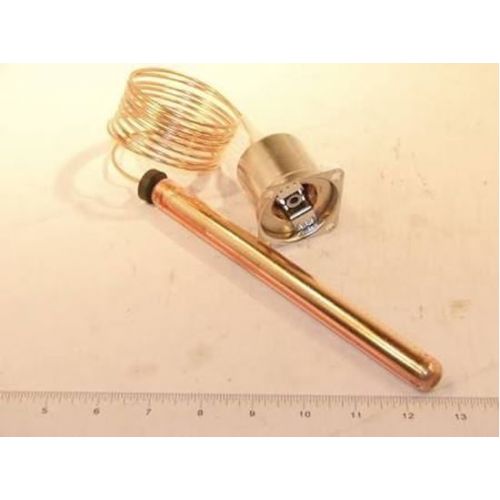 -10%Danfoss 003N-6252RA 1/2" Temperature Regulator 77°F-149°F Opens on RiseSpecial Price $632.01 Regular Price $701.54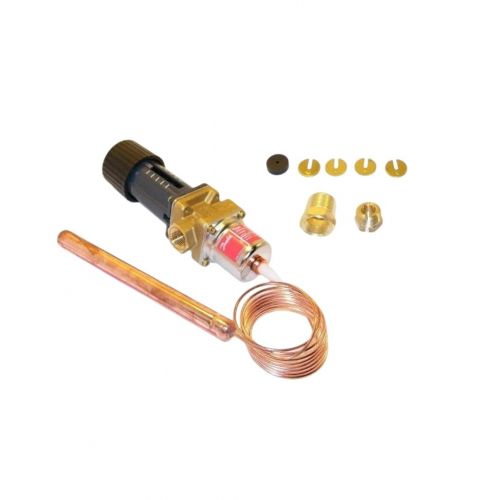
 -10%Danfoss 003N-6272 1/2" Temperature Regulator 122°F-194°F Closes on RiseSpecial Price $632.01 Regular Price $701.54Out of stock
- -10%Danfoss 003N-8032RA 1" Temperature Regulator 32°F-86°F Open/RiseSpecial Price $616.42 Regular Price $684.23Out of stock
- -10%Danfoss 003N-8252 1" Temperature Regulator 70°F-140°F Close/RiseSpecial Price $616.42 Regular Price $684.23Out of stock
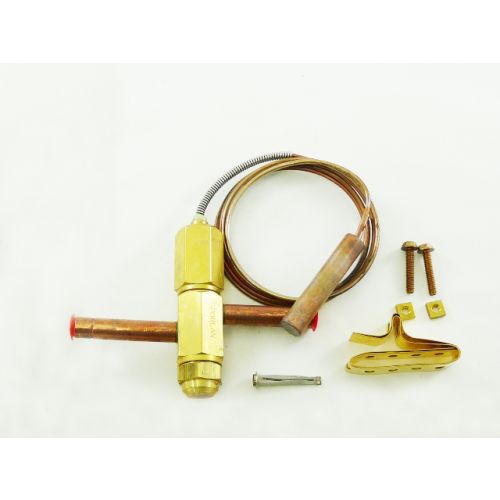
- -10%Sporlan Controls 154597 1-Ton Temperature Regulator 230°F 3/8" x 3/8"Special Price $493.01 Regular Price $547.24Out of stock
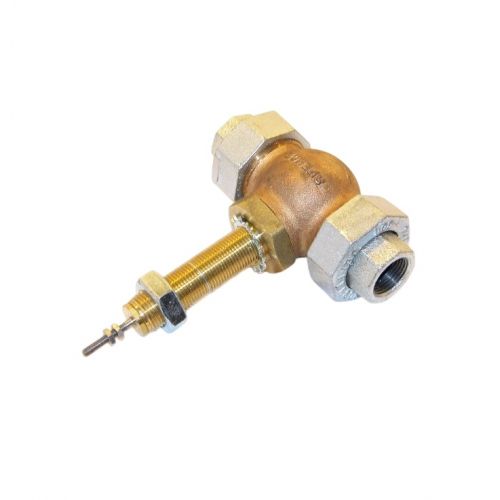
- -10%Spence Engineering 2010TD 3/4" Direct Acting Temperature RegulatorSpecial Price $1,083.65 Regular Price $1,202.85Out of stock
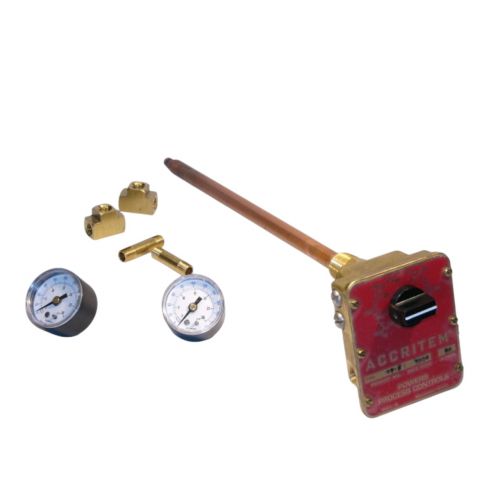
- -10%Powers Process Controls 744-1218 Temperature Regulator Reverse Acting Water-Operated Rigid Bulb 50-350°FSpecial Price $4,434.17 Regular Price $4,921.93Out of stock

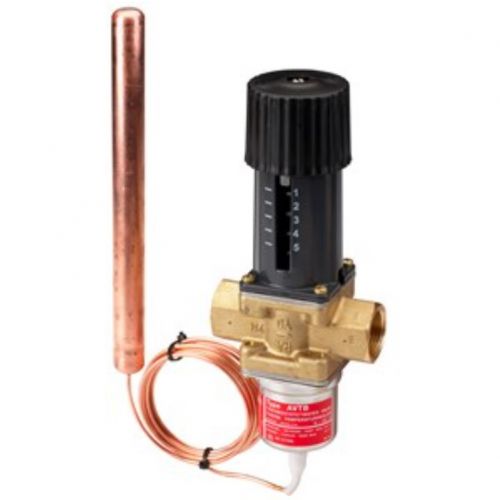
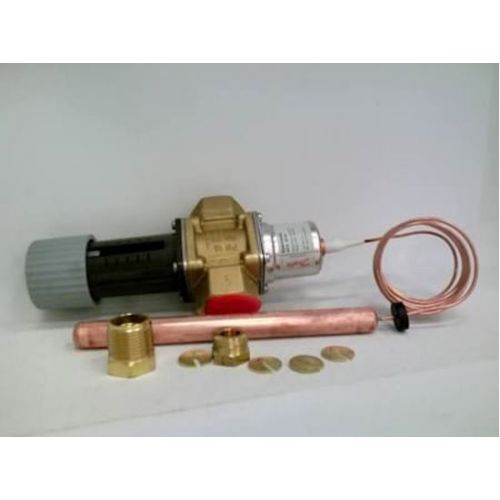


HVAC Temperature Regulators for Heating & Cooling Systems
Temperature regulators are essential components in HVAC systems, designed to monitor and control system temperatures accurately. They manage heating and cooling operations by sensing temperature changes and adjusting system outputs to maintain desired conditions.
Temperature regulators help maintain accurate heating and cooling levels in HVAC systems by controlling fluid or steam flow. Other related components include temperature controllers, analog thermostats, temperature sensors, and replacement regulator parts that support reliable temperature regulation and system performance.
Signs of malfunctioning regulators include fluctuating temperatures, poor heating or cooling performance, and unexpected system shutdowns. Timely replacement of worn regulators helps maintain efficiency, extend equipment life, and ensure reliable HVAC performance.
PartsHnC offers temperature regulator spare parts, including digital thermostats, PID controllers, electronic actuator valves, thermocouple assemblies, limit switches, expansion modules, and control relays from trusted HVAC brands like Honeywell, Siemens, and Schneider Electric, with fast shipping directly to your doorstep.
FAQs
How do I know if a temperature regulator is failing?
Signs include inconsistent temperatures, system cycling issues, or the heating and cooling system not responding to set points. These issues may indicate a worn regulator or faulty control mechanism.
Can I replace a steam temperature regulator myself?
Yes, with proper safety precautions. Ensure the system is powered off and depressurized before removing and replacing the regulator. Following manufacturer guidelines helps ensure safe and correct installation.
How often should temperature regulators be inspected?
They should be checked during routine HVAC maintenance or whenever temperature fluctuations occur. Regular inspection helps maintain accurate temperature control and system reliability.
How do I calibrate a temperature regulator in HVAC systems?
Follow the manufacturer’s instructions and use a calibrated thermometer to verify set points. Adjust the controller or valve settings as needed to achieve accurate temperature regulation.
Can a faulty temperature regulator damage my HVAC system?
Yes, improper regulation can cause overheating, freezing, or inefficient system operation. These conditions may lead to component wear, reduced performance, or system failure.
Can a water temperature control valve be upgraded to improve efficiency?
Yes, upgrading to a precision or electronically controlled valve can improve system responsiveness. It can also optimize flow control and reduce overall energy consumption.
How do I test a steam temperature regulator?
Measure the output steam temperature at different set points using a reliable thermometer. Compare the readings with the desired temperature and check if the regulator responds properly to load changes.