 Loyalty Program

HVAC gas valves regulate fuel flow for safe combustion. Replacing faulty natural or propane furnace gas valves ensures reliable ignition, efficient heating, and safe system operation.
 -10%
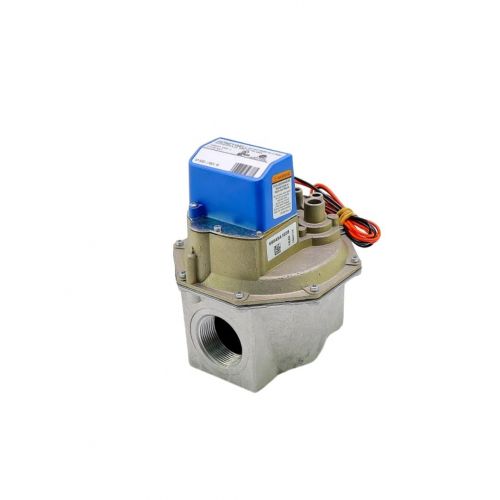
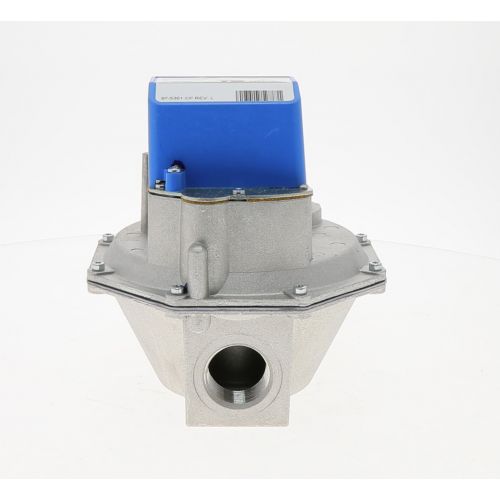
-10%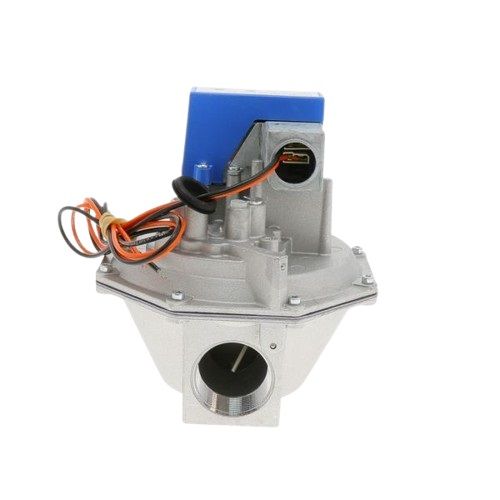 -10%Honeywell V8943N1021 1-1/4" Diaphragm Gas Valve 7" In-4" 24V Out ValveSpecial Price $577.83 Regular Price $641.39
 -10%
-10%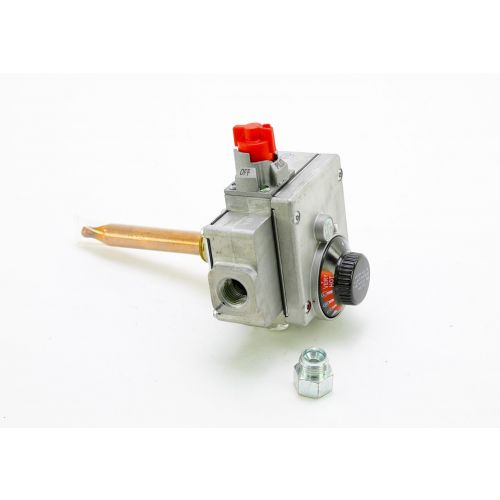 -10%Lochinvar & A.O. Smith 100108714 1/2" Liquid Propane Gas Valve 10"WC 24VSpecial Price $357.33 Regular Price $396.63Out of stock
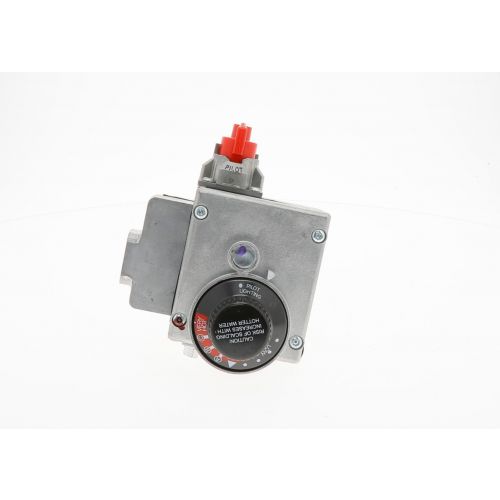 -10%Lochinvar & A.O. Smith 100109372 1/2" LP Gas Valve 10" WC 24VSpecial Price $282.39 Regular Price $313.45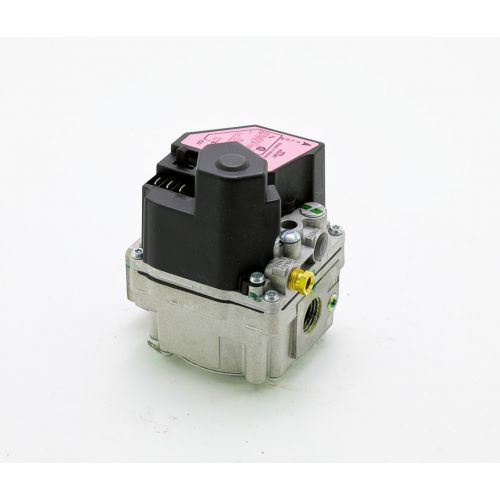
 -10%Modine 5H0806820000 24V 10 Inch Wc Lp 1/2 Inch Gas ValveSpecial Price $254.32 Regular Price $282.29
- -10%Lochinvar & A.O. Smith 100172017 3/4" LP Gas Valve 10" WC 24VSpecial Price $322.14 Regular Price $357.58
- -10%Lochinvar & A.O. Smith 100288535 3/4" LP Gas Valve 24V 10" WCSpecial Price $283.16 Regular Price $314.30Out of stock
- -10%Utica-Dunkirk 550002740 3/4" X 1/2" LP Gas Valve 10" WC 24VSpecial Price $243.12 Regular Price $269.87
- -10%

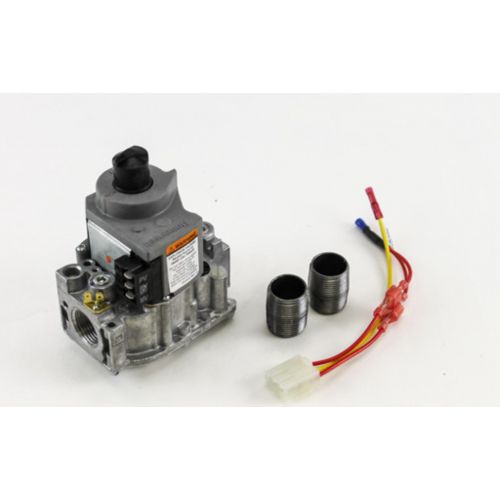
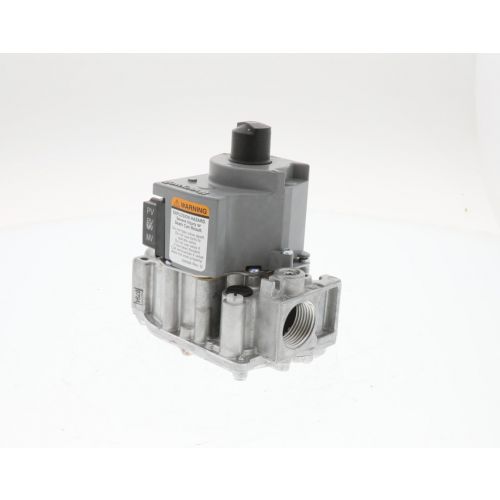
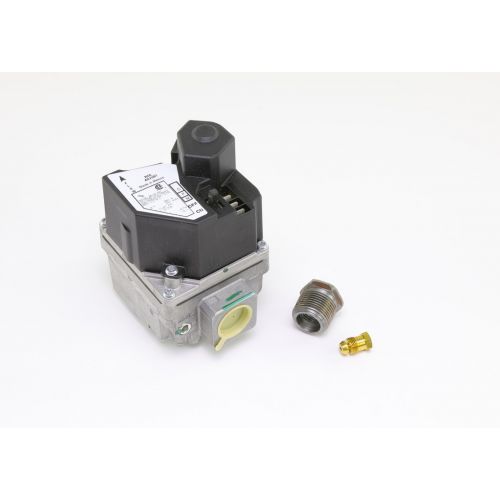
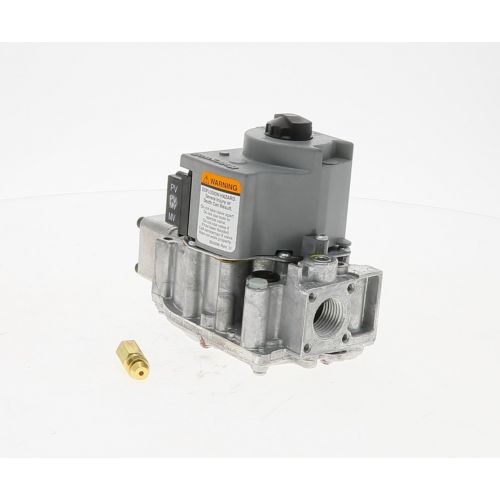
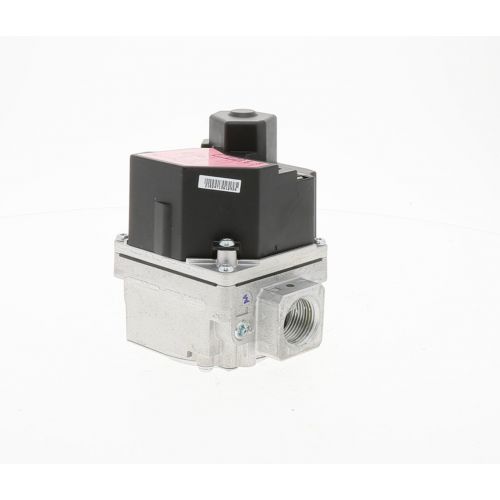
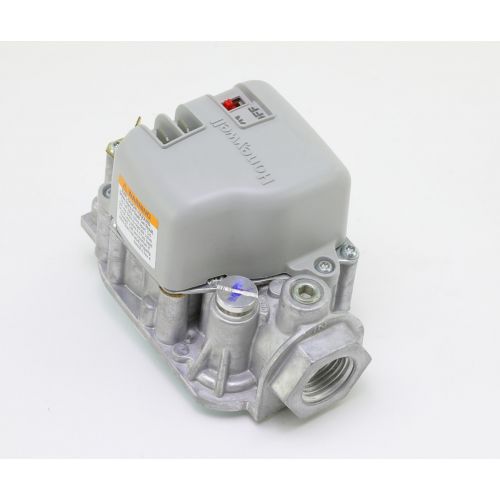
HVAC Gas Valve Replacement Components for Control Systems
HVAC gas valve replacement components are essential for safely controlling fuel flow to furnaces, boilers, and unit heaters. They regulate gas supply during ignition and operation, responding to thermostat signals
A gas valve for a furnace ensures that fuel is supplied only when proper ignition conditions are met, protecting both the equipment and occupants. Depending on the fuel type, systems may use a natural gas valve for furnace or a propane gas valve for a furnace, each designed to handle specific pressure and combustion requirements.
Common warning signs include burners not lighting, delayed ignition, or the furnace shutting down unexpectedly. Regular inspection and replacement help maintain safe operation, efficient fuel use, and dependable heating performance. Timely HVAC gas valve replacement is essential when valves become worn or malfunction, as faulty valves can cause ignition failures, gas leaks, or inconsistent heating
At PartsHnC, we offer bimetal gas valves, ignition gas valves, universal gas valve fast-slow kits, and smart gas valve step opening models. Compatible with Resideo, Robertshaw, Trane, Raypak, Lochinvar, and A.O. Smith for safe, reliable HVAC heating control.
FAQs
Can a gas valve be repaired, or must it be replaced?
Most faulty gas valves require replacement because internal components are not typically serviceable.
Are gas valves different for propane and natural gas systems?
Yes, valves are designed for specific fuel types due to differences in pressure and combustion characteristics.
How long does an HVAC gas valve usually last?
Gas valves can last many years, depending on usage, fuel quality, and maintenance conditions.
What causes a gas valve to fail in a furnace?
Common causes include electrical faults, debris buildup, worn internal components, or prolonged exposure to heat and moisture.
Can a faulty gas valve cause no heat?
Yes, if the valve does not open properly, gas will not reach the burner, preventing the furnace from producing heat.