 Loyalty Program

Crankcase heaters protect HVAC and furnace compressors by preventing refrigerant migration and oil dilution during shutdown. Replacing a faulty heater reduces startup strain, limits compressor wear, and ensures reliable heating performance in residential and commercial systems.
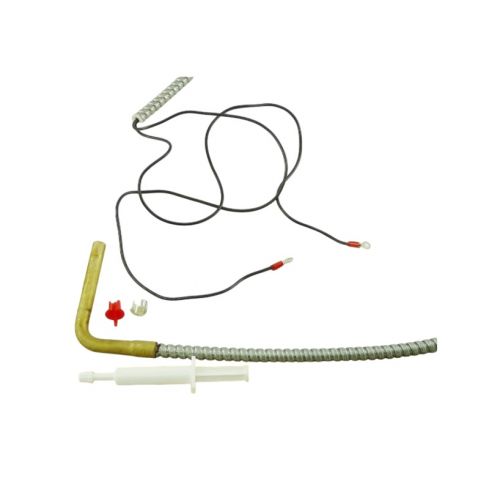 -10%Carrier 06EA660108 Crankcase Heater 240V 125W 52" Insert 73"Special Price $252.15 Regular Price $279.89
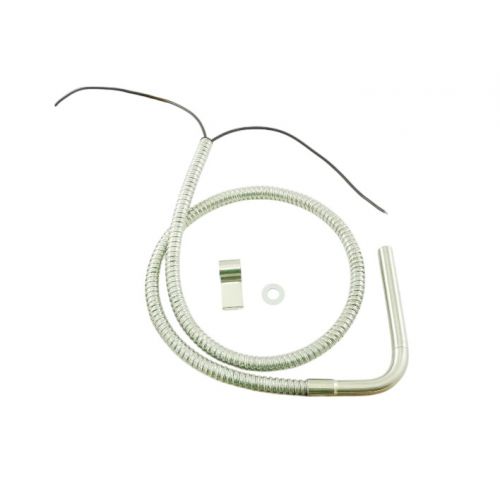 -13%Copeland 918-0518-01 200W Crankcase Heater 5-1/2" DIA 40" Leads 240 VACSpecial Price $127.43 Regular Price $146.54Out of stock
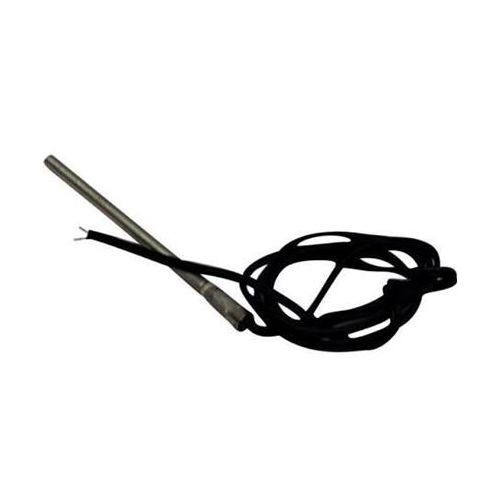 -10%Carrier HT31AZ241 Crankcase Heater 240V 200WSpecial Price $275.21 Regular Price $305.48Out of stock
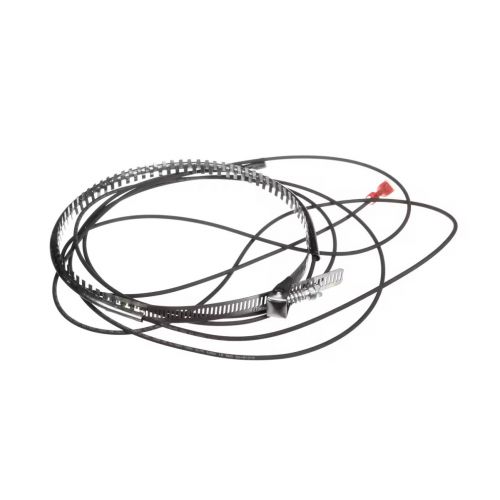 -13%International Comfort Products 1173944 Crankcase Heater 40W 240VSpecial Price $55.17 Regular Price $63.45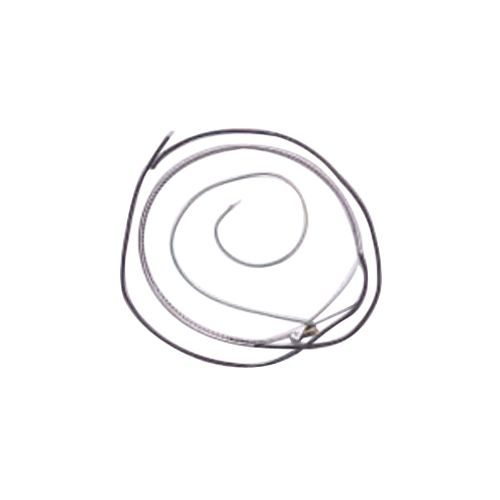
 -13%Copeland 918-0038-02 Crankcase Heater Wrap Around 240V 45WSpecial Price $101.74 Regular Price $117.00
- -13%
- -13%Carrier HT31AZ120 Crankcase Heater 100W 120V 7" Insert 48" LeadsSpecial Price $129.25 Regular Price $148.63Out of stock
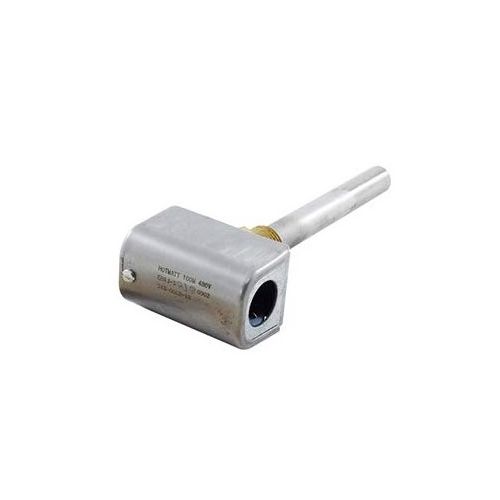

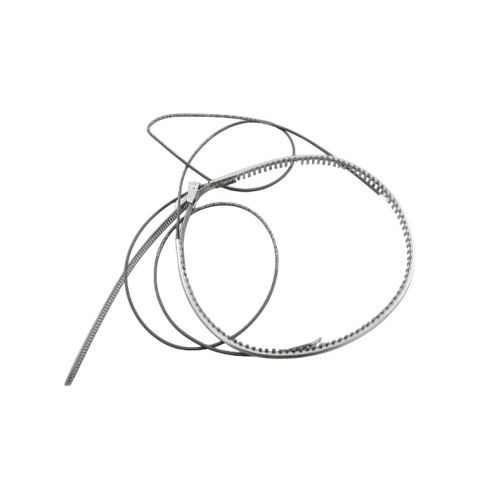
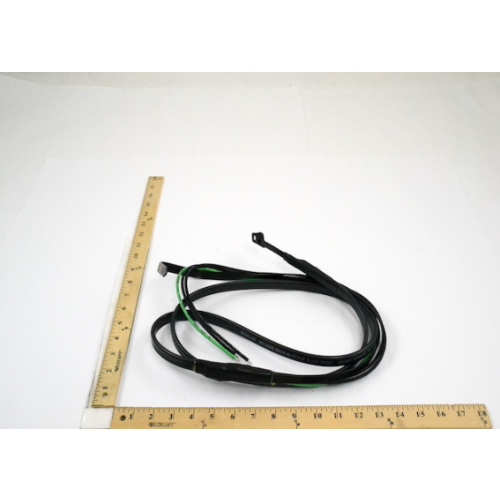
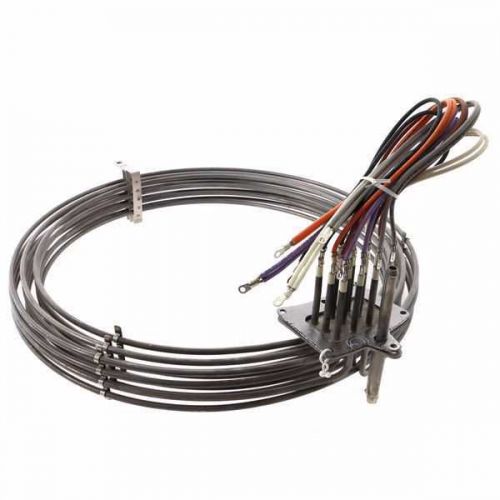
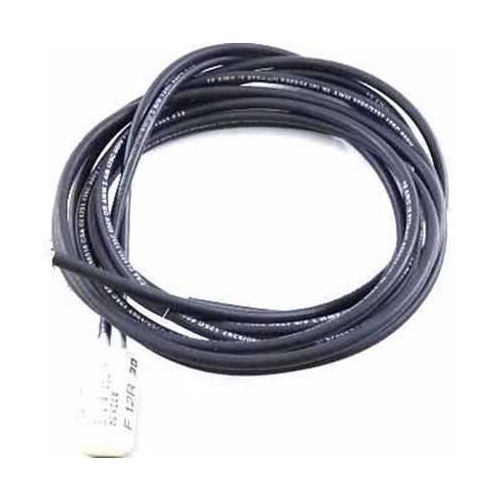
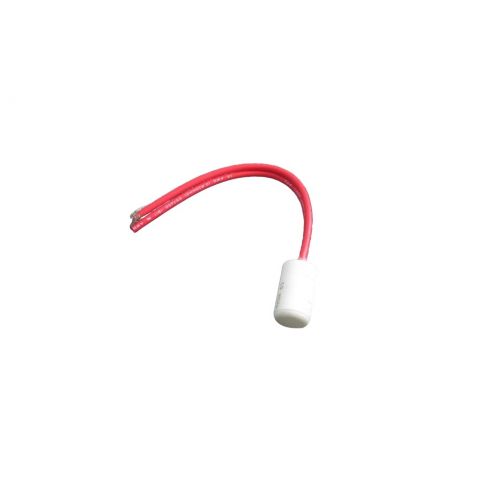
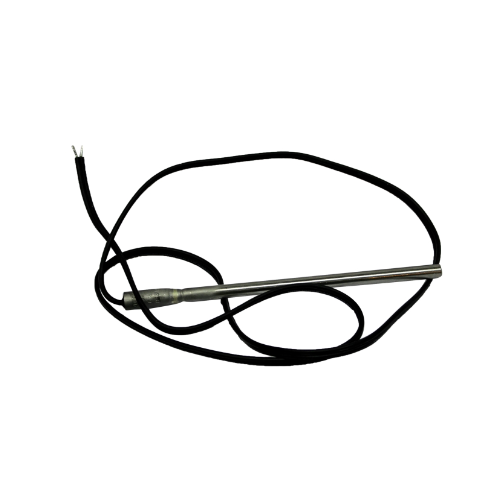
HVAC Crankcase Heaters Replacement Parts
Crankcase heaters are designed to protect HVAC compressors during low ambient temperatures by inhibiting refrigerant accumulation in the compressor oil. In heating and furnace systems with heat pump components, crankcase heaters maintain proper oil temperature, reducing startup strain and internal wear.
Crankcase heater parts help protect HVAC compressors during system shutdown and low ambient conditions. Crankcase heater bands maintain oil temperature, heater elements generate internal heat, thermostats control activation, wiring leads supply power, and mounting clamps secure proper installation for consistent compressor protection.
Common signs of crankcase heater failure include hard starting, compressor noise at startup, frequent breaker trips, or reduced heating efficiency. Replacing a faulty crankcase heater helps protect the compressor, maintain performance stability, and prevent costly system repairs.
PartsHnC offers an extensive range of furnace crankcase heater parts, including heater belts (240–480V, 40–150W), sump heaters (230–480V, 40W), band heaters, bolt-on heaters, and electric heaters (208–480V, 8–12kW) from leading HVAC brands like Daikin-McQuay, Copeland, and Danfoss, with fast shipping directly to your doorstep.
FAQs
Can I replace a crankcase heater with a different wattage?
No. Always use the manufacturer-recommended wattage and voltage. Incorrect sizing can cause inadequate heating or compressor overheating.
How is a belt-style crankcase heater installed?
Disconnect power, wrap the heater securely around the lower compressor shell, ensure firm surface contact, tighten properly, and connect wiring according to unit specifications.
How long should a crankcase heater remain energized before startup?
Typically, the heater should be energized for 8–24 hours before starting the compressor after long shutdown periods to prevent refrigerant dilution.
Can a faulty crankcase heater damage the compressor?
Yes. Without proper heating, refrigerant can mix with compressor oil, leading to lubrication failure, internal wear, and potential compressor burnout.
How do I test a crankcase heater?
Use a multimeter to check resistance (ohms). An open circuit indicates failure. Also, verify the correct voltage supply during operation.
How do I verify a crankcase heater is functioning correctly before startup?
Check resistance with a multimeter against manufacturer specs, verify proper voltage at terminals, and ensure the heater body maintains thermal output on energized units.