 Loyalty Program

Actuators in HVAC systems convert control signals into mechanical motion to modulate valves accurately. They are essential for maintaining flow stability, temperature consistency, and efficient operation in both small and large-scale systems.
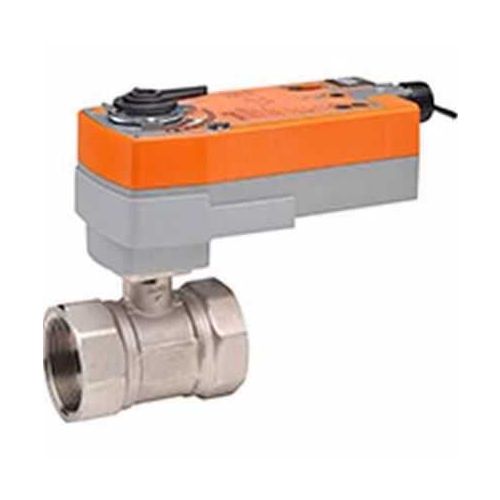 -10%Belimo AFRBUP 2-Position Control Valve Actuator Spring Return 24-240V 180 in-lbSpecial Price $480.83 Regular Price $533.72
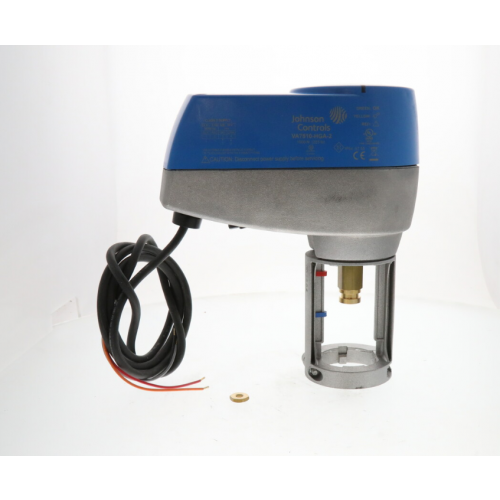 -10%Johnson Controls VA7810-HGA-2 Non-Spring Return Electric Valve Actuator 24V 0-10 VDCSpecial Price $541.59 Regular Price $601.17
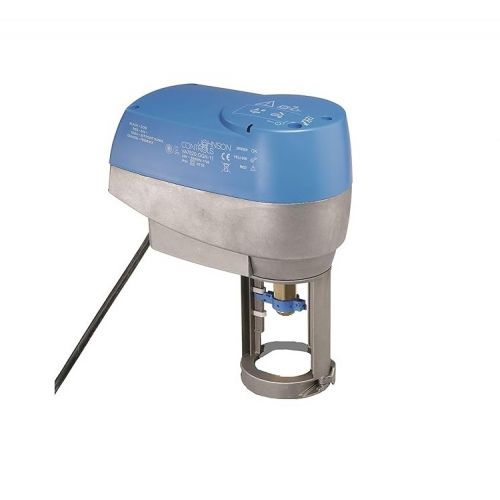 -10%Johnson Controls VA7820-HGC-2 2-Switch Electric Valve Actuator Spring Return Proportional 0–10VDC 24VSpecial Price $831.53 Regular Price $923.00
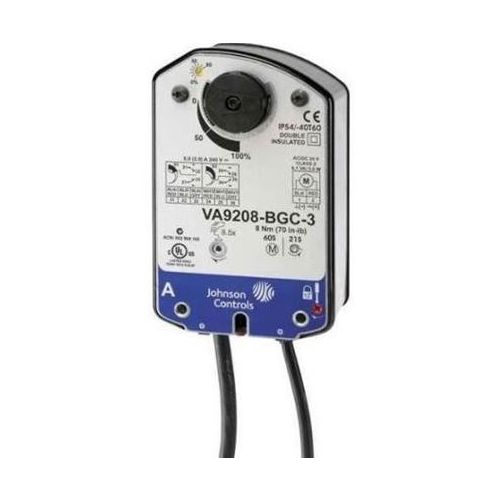 -10%Johnson Controls VA9208-GGC-3 S/R Ball Valve Actuator Proportional Auxiliary 2-Switch 24V 150 SecSpecial Price $330.32 Regular Price $366.66
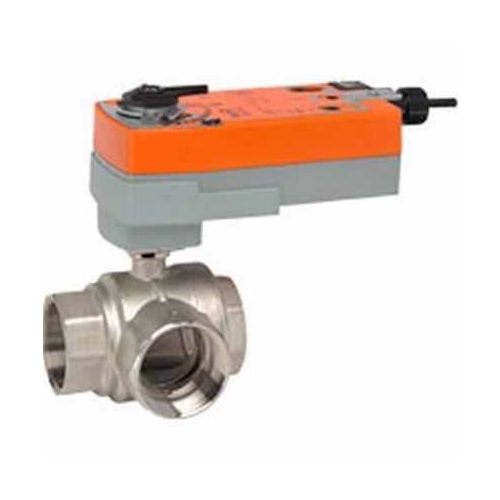 -10%
-10%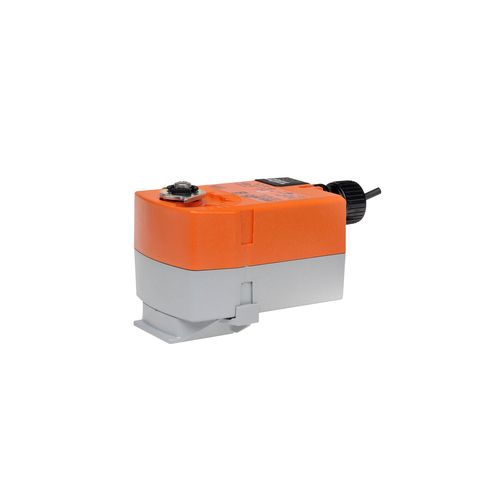
 -10%Belimo TFRB24-3-S S/R Control Valve Actuator 22 in-lb 24V On/OffSpecial Price $336.25 Regular Price $373.24Out of stock
- -10%Belimo TFRB24-3 S/R Valve Actuator 22 In-lb On/Off Floating Point 24VSpecial Price $290.12 Regular Price $322.03
- -13%Johnson Controls VA9104-IGA-2S Ball Valve Actuator +25%/-20% 50/60Hz 24VSpecial Price $151.15 Regular Price $173.82
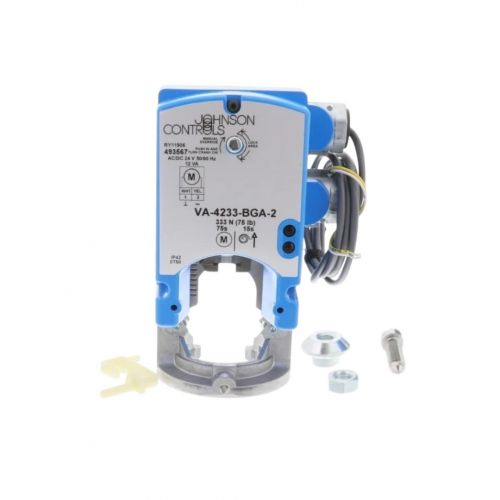
- -10%Johnson Controls VA-4233-BGA-2 Electric Valve Actuators Stroke 24V 2-Position 75lb 1/2" StrokeSpecial Price $357.87 Regular Price $397.23Out of stock
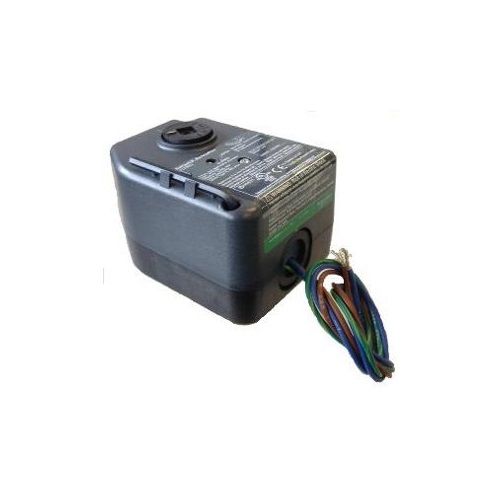
- -10%Schneider Electric (Barber Colman) M220A01 2-Position SR N/C Actuator W/10'Cable 24VSpecial Price $225.59 Regular Price $250.41
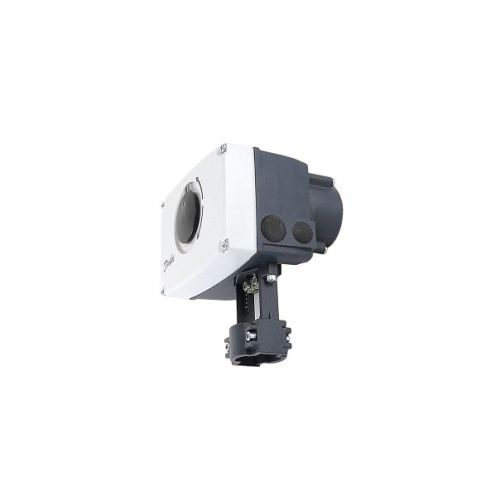
- -10%Danfoss 082H3038 Valve Actuator 24V 3-Point/Modulating Control 0-10V AME25SDSpecial Price $805.09 Regular Price $893.65Out of stock

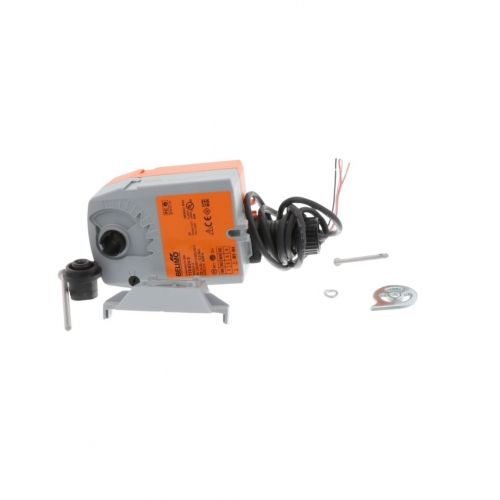
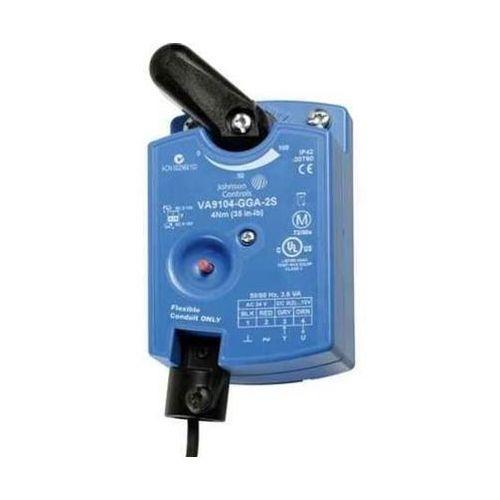
HVAC Actuator Replacement Parts
HVAC actuators are precision control devices that automatically regulate valves in heating, cooling, and ventilation systems. They convert electrical or pneumatic signals into mechanical motion to control water, steam, or air flow. By responding to thermostats and building automation systems, actuators ensure consistent temperature control and improved energy efficiency.
Common types include electric valve actuators for hydronic systems, pneumatic actuators for air and fluid control, and spring return actuators for fail-safe operation during power loss. These components are widely used in commercial buildings, industrial facilities, and residential HVAC systems to maintain precise environmental control.
Common signs include motor burnout, worn internal gears, signal failure, or slow response times, which can lead to uneven heating or cooling and reduced system efficiency. Routine inspection and timely replacement of faulty actuators ensure reliable operation and extended equipment life.
PartsHnC offers a full range of actuator replacement parts, including pneumatic actuator valves, diaphragm actuated valves, electronic valve actuators, and thermostatic radiator actuators.
Our inventory also features 24V–120V electric actuators, 0–10V and 2–10VDC proportional models, and 2-way and 3-way valve actuator assemblies from trusted brands like Johnson Controls, Schneider Electric, Resideo, and Honeywell, with fast shipping available across nationwide.
FAQs
How does a pneumatic actuator valve maintain precise modulation in HVAC systems?
It converts controlled air pressure (psi range) into linear stem movement for accurate valve positioning. This allows stable flow control in high-capacity commercial and industrial systems.
How do electronic valve actuators integrate with building automation systems (BAS)?
They accept control signals such as 0–10V, 2–10VDC, or 4–20mA for precise positioning. This enables remote monitoring, feedback control, and energy optimization.
Why is actuator torque or thrust rating critical in valve selection?
Proper torque or thrust ensures the actuator can fully open and close the valve under system pressure. Undersizing can cause incomplete stroke and control instability.
How do I fix a diaphragm-actuated valve that is not responding?
Inspect for air leaks, cracked diaphragms, or blocked air lines. A damaged diaphragm usually requires full actuator head replacement.
How do I fix an actuator with slow or partial stroke movement?
Check for incorrect voltage, signal mismatch, or mechanical binding in the valve stem. Cleaning, recalibration, or actuator replacement may be necessary
How do I know when actuator replacement is better than repair?
If the motor is burned out, internal gears are stripped, or electronics have failed, replacement is more cost-effective. Frequent recalibration issues also indicate end-of-life wear.