 Loyalty Program

Thermal expansion valves (TXVs) are crucial components in HVAC and refrigeration systems that regulate refrigerant flow into the evaporator coil. By maintaining proper pressure and temperature, TXVs ensure efficient heat transfer, prevent compressor damage, and support consistent cooling performance.
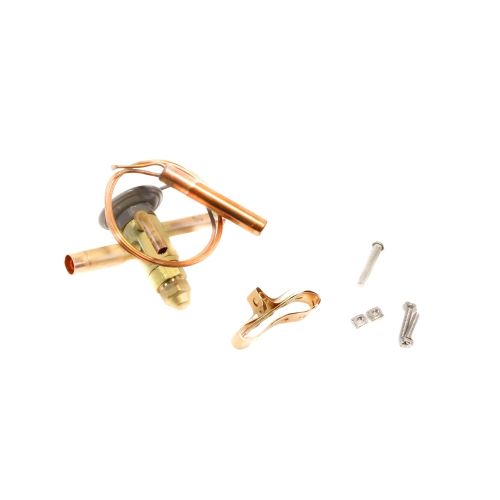 -10%Sporlan Controls 110018 Thermal Expansion Valve(TXV) 3/8" X 1/2" 1/4" ODF EBFFSE-B-CSpecial Price $256.92 Regular Price $285.18
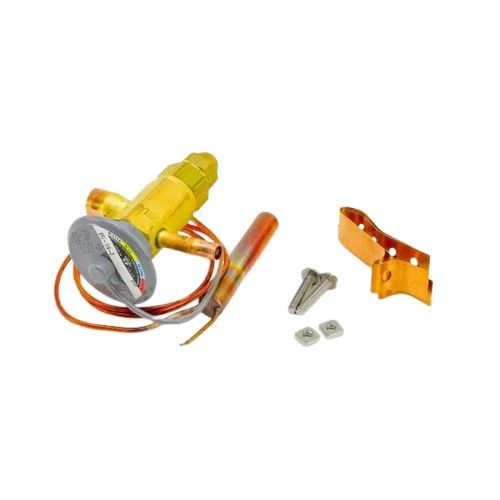 -13%Sporlan Controls 109702 Thermal Expansion Valve (TXV) R134A 30" Capillary EFJ-1/4-CSpecial Price $195.93 Regular Price $225.32Out of stock
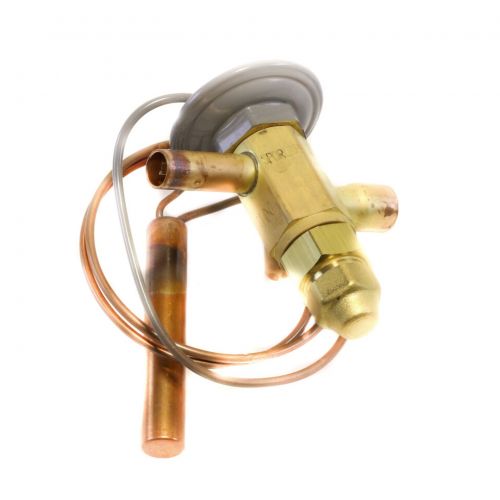 -10%Sporlan Controls 109915 Thermal Expansion Valve (TXV) R404A 1/2" EFSE-1 1/2-CSpecial Price $233.09 Regular Price $258.73
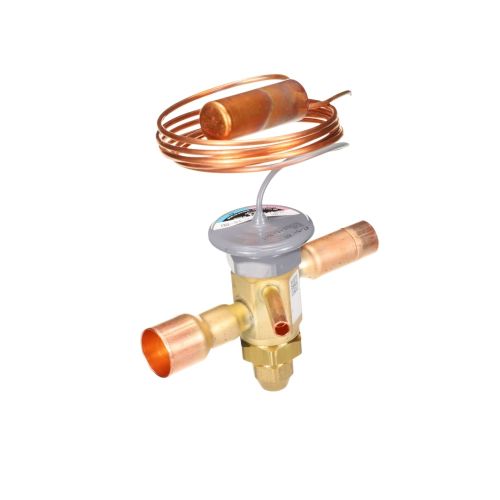 -10%Sporlan Controls 168801 12.5-Ton Thermal Expansion Valve (TXV) R-410A 5/8" X 7/8" ODF ERZE-12.5-GASpecial Price $375.11 Regular Price $416.37
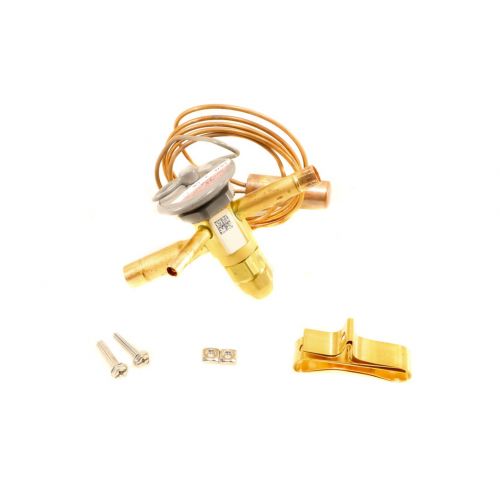 -10%Sporlan Controls 168788 3-Ton Thermal Expansion Valve R410A ERZE-3-GASpecial Price $261.19 Regular Price $289.92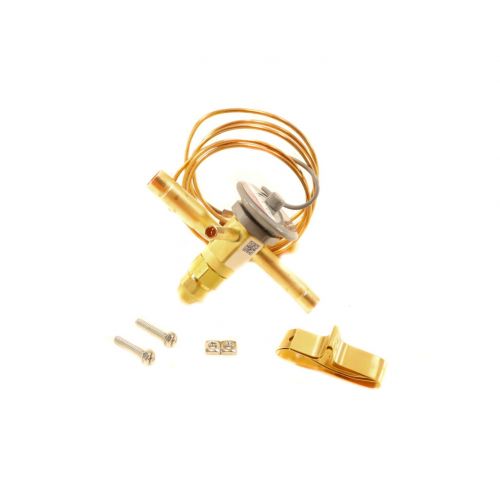
 -10%Sporlan Controls 168792 5-Ton Thermal Expansion Valve 3/8" X 1/2" Sweat ERZE-5GASpecial Price $261.19 Regular Price $289.92
- -10%Sporlan Controls 168797 8-Ton Thermal Expansion Valve (TXV) R-410A 1/2" X 7/8" ODF 60" CapillarySpecial Price $375.11 Regular Price $416.37
- -10%York S1-168719 Thermal Expansion Valve(Txv) ERZE-8-Ga 5"X7" ODFSpecial Price $461.58 Regular Price $512.35Out of stock
- -13%Lennox 29M11 ODF 4Ton 30" Cap Thermal Expansion Valve 3/8" X 5/8"Special Price $140.38 Regular Price $161.44
- -13%Amana-Goodman B1284655 Thermal Expansion Valve(TXV) 3/8" X 1/2" X 1/4"Special Price $117.41 Regular Price $135.02Out of stock
- -13%Lennox 31J32 5-Ton Thermal Expansion Valve(TXV) 3/8" X1/2" ODF R22Special Price $120.45 Regular Price $138.52Out of stock
- -13%Lennox 59W21 Thermal Expansion Valve(TXV) 3/8" X1/2" ODF 8-Ton 30" CapSpecial Price $158.49 Regular Price $182.26

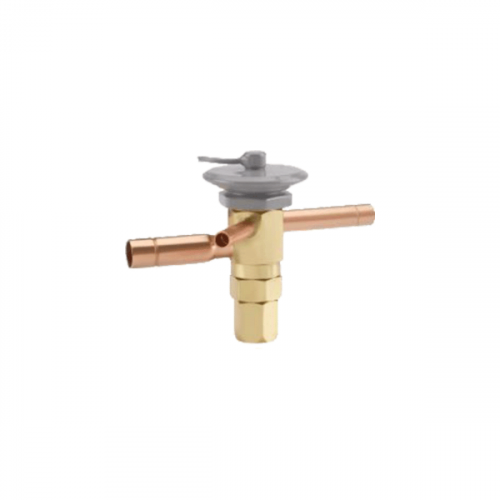
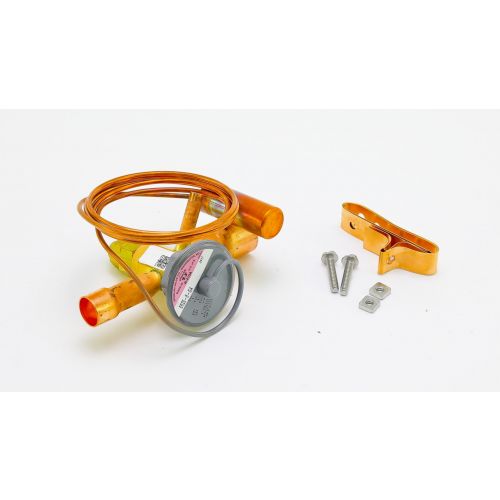
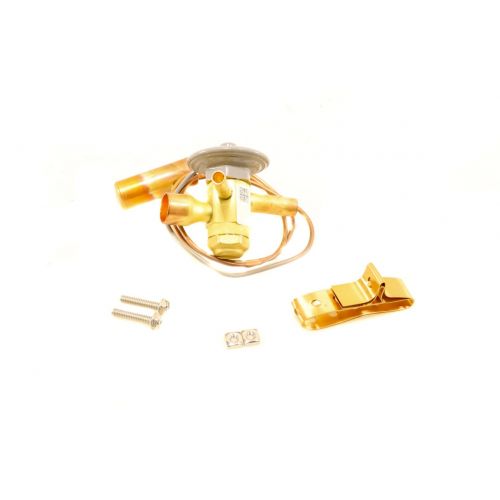
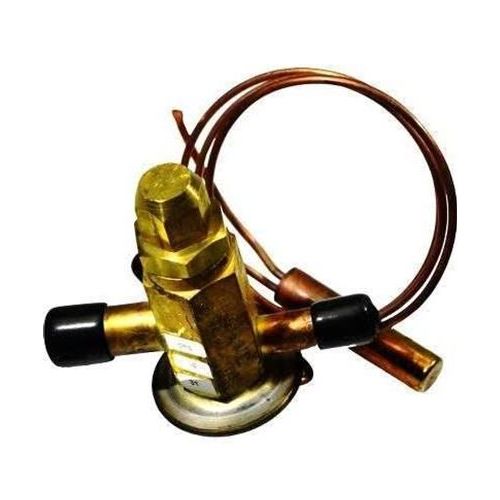
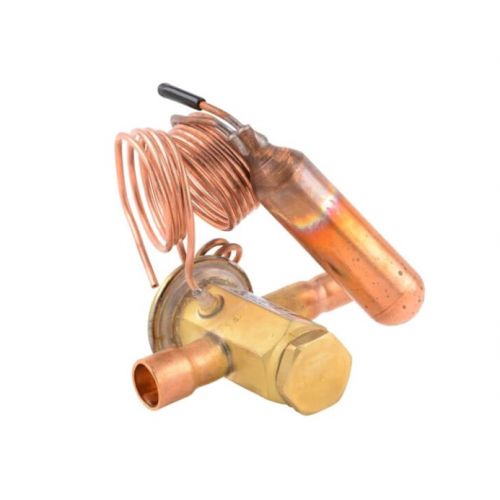
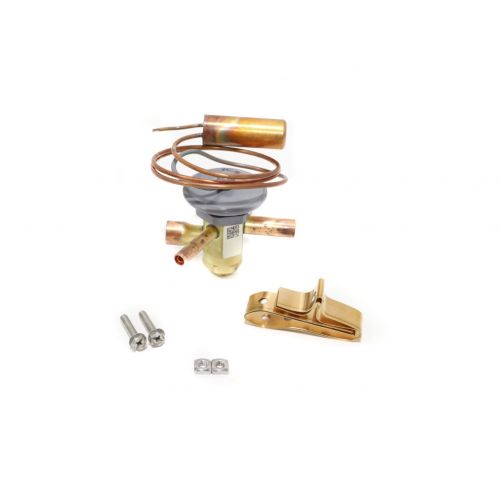
Thermal Expansion Valves for HVAC Systems
TXVs control the refrigerant flow into the evaporator based on temperature and load conditions, ensuring balanced cooling. They are widely used in air conditioner expansion valve applications to optimize energy efficiency and maintain proper evaporator performance. In heat pump systems, a reliable heat pump expansion valve ensures smooth operation and prevents overfeeding or starving the coil.
Key components of a TXV include the sensing bulb, valve body, diaphragm, needle or pin, and capillary tube. Issues such as fluctuating evaporator pressure, inconsistent cooling, or erratic refrigerant flow are common. A refrigeration expansion valve often requires inspection for blockages, proper refrigerant charge, and correct response to temperature changes.
In commercial and residential setups, the TXV valve HVAC is critical for maintaining efficiency and protecting compressors from damage. Diagnosing problems involves checking the sensing bulb, verifying refrigerant charge, inspecting for debris, and confirming the valve operates correctly.
At PartsHnC, we offer a wide selection of thermal expansion valves, including valves with equalizers, bi-directional TXVs, capillary tube valves, and 3-ton thermal expansion valves. Our inventory supports trusted brands such as Carrier, Trane, Emerson, and Lennox, ensuring reliability, accurate fit, and long-lasting operation.
FAQs
How do I replace a TXV in HVAC or refrigeration systems?
Turn off the system, recover refrigerant, remove the old TXV, install the new valve, reconnect lines, recharge refrigerant, and test system performance.
Why isn't my thermal expansion valve regulating the refrigerant properly?
It could be blocked, overfeeding, undercharged, or have a damaged sensing bulb. Inspect and replace faulty components.
Can I repair a malfunctioning TXV?
Minor blockages can sometimes be cleared, but most TXVs should be replaced if they are malfunctioning to ensure proper cooling and system protection.
How do I install a TXV in an air conditioner?
Recover refrigerant, remove the old valve, install the new TXV, reconnect lines, recharge refrigerant, and test the system.
Why is my heat pump TXV not working properly?
Check for blockages, incorrect refrigerant charge, or a damaged sensing bulb; repair or replace the valve to restore proper refrigerant flow.