 Loyalty Program

Circulator pumps maintain consistent hot water flow in HVAC and hydronic heating systems. Replacing worn circulator pumps helps prevent uneven heating, poor water circulation, and energy loss while supporting reliable temperature control in residential and commercial systems.
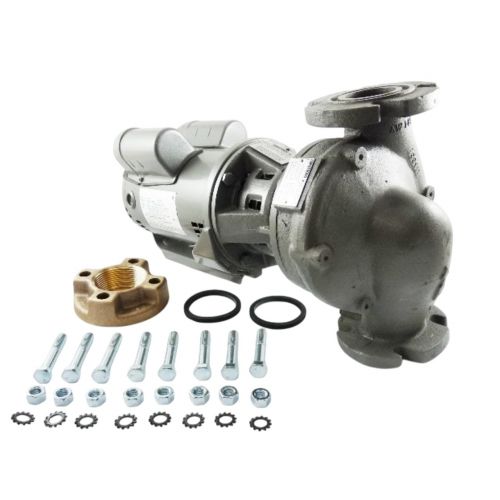 -10%Lochinvar & A.O. Smith 100133618 3/4HP Circulator Pump Bronze FitSpecial Price $3,808.81 Regular Price $4,227.78Out of stock
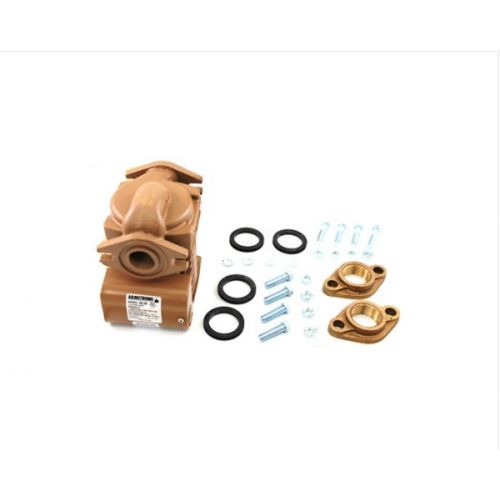 -10%Lochinvar & A.O. Smith 100166430 1/6HP Circulator Pump 3250 RPM 115VSpecial Price $1,292.57 Regular Price $1,434.75
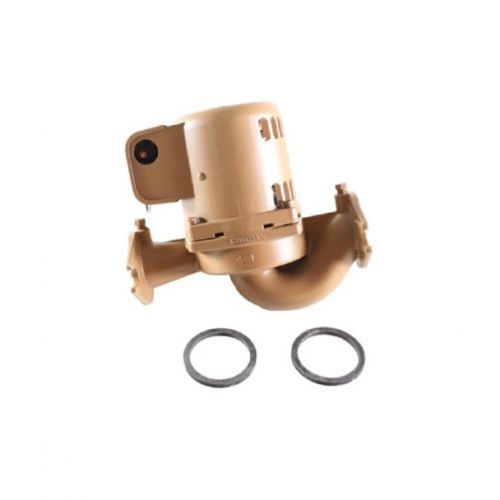 -10%Laars Heating Systems A0095704 1/6HP Bronze Circulator Pump 115VSpecial Price $877.61 Regular Price $974.15
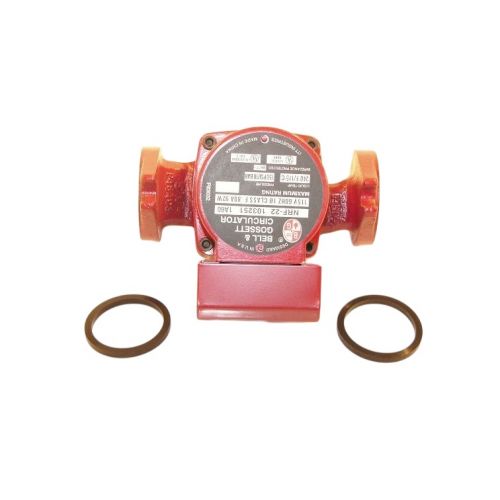 -10%Xylem-Bell & Gossett 103251 Cast Iron Circulator Pump NRF-22Special Price $272.00 Regular Price $301.92
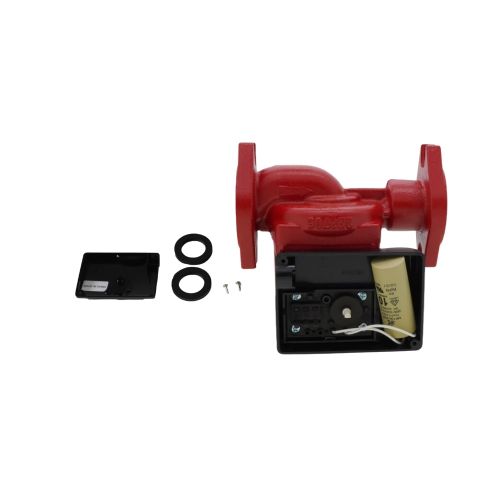 -25%Armstrong Fluid Technology 110223-305 Astro 230 Circulator Pump 115V Cast IronSpecial Price $189.47 Regular Price $253.44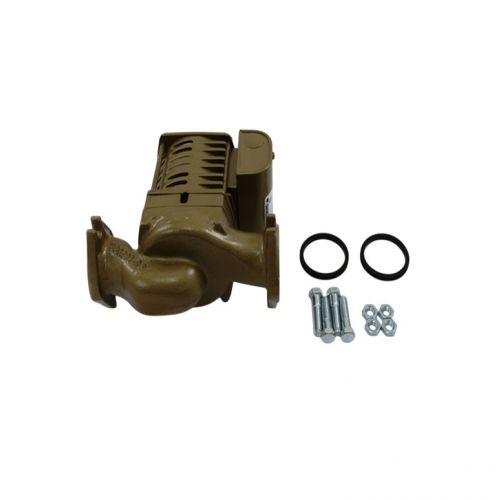
 -10%Armstrong Fluid Technology 182202-656 Bronze Circulator Pump 120V E13.2BSpecial Price $1,665.93 Regular Price $1,849.18
- -10%Armstrong Fluid Technology 182202-649 Circulator Pump 120V Cast Iron E10.2Special Price $917.70 Regular Price $1,018.65
- -10%Armstrong Fluid Technology 182212-843 Cast Iron Circulator 120V E14.2Special Price $1,646.84 Regular Price $1,828.00
- -10%Armstrong Fluid Technology 182202-660 Bronze Circulator Pump 120V E9.2BSpecial Price $1,383.21 Regular Price $1,535.36
- -10%Xylem-Bell & Gossett 103350 1/15HP Circulator Pump Iron Body 1PH NRF-33Special Price $346.61 Regular Price $384.73
- -47%Armstrong Fluid Technology 182202-644 Bronze Circulator Pump E7.2B 120VSpecial Price $823.75 Regular Price $1,540.00
- -10%Armstrong Fluid Technology 182212-842 Bronze Circulator Pump 120V E12.2BSpecial Price $2,054.67 Regular Price $2,280.68Out of stock

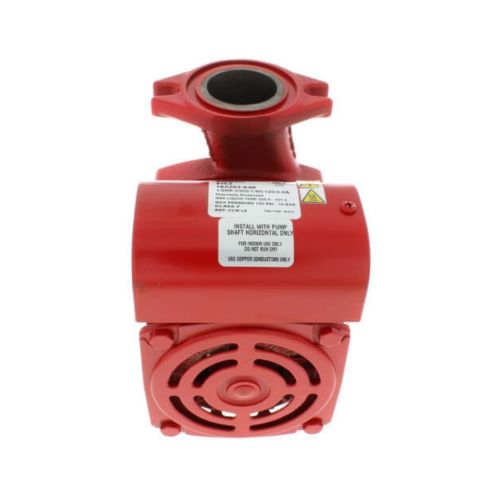
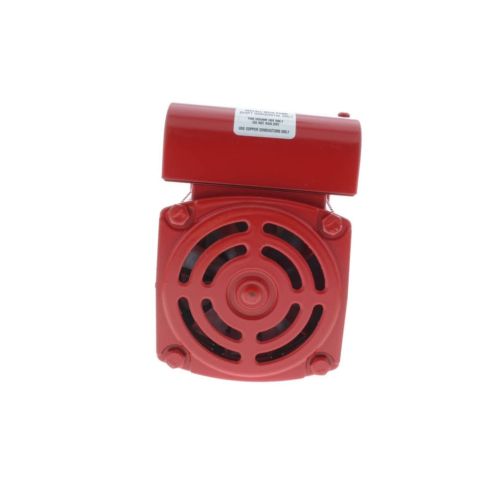
HVAC Circulator Pumps for Hydronic Heating Systems
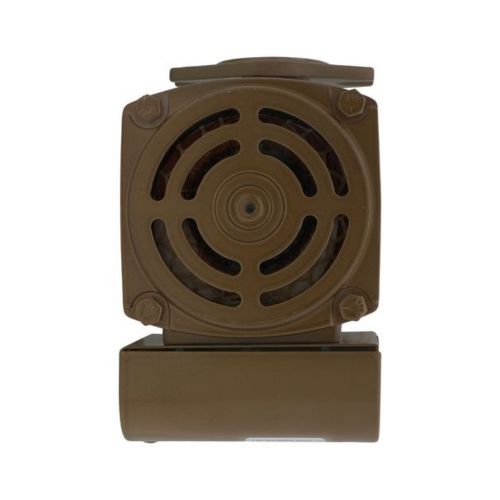
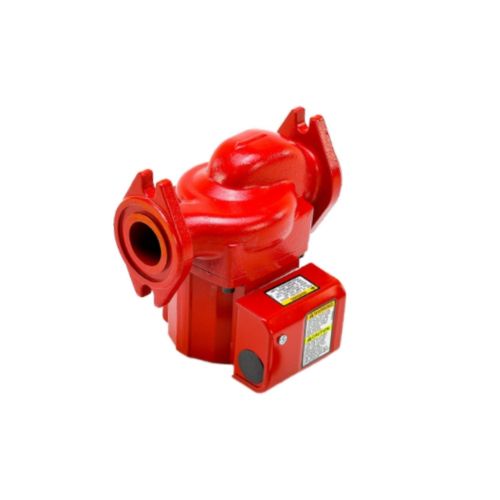
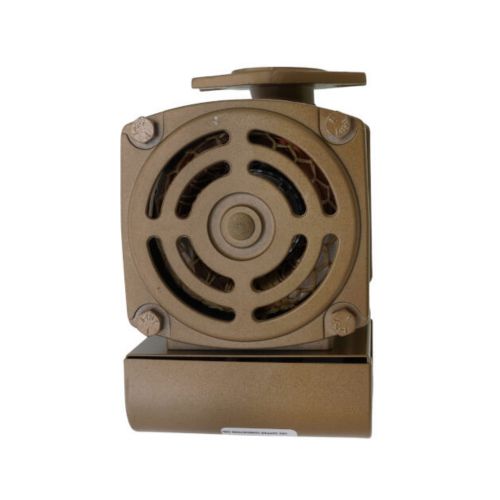
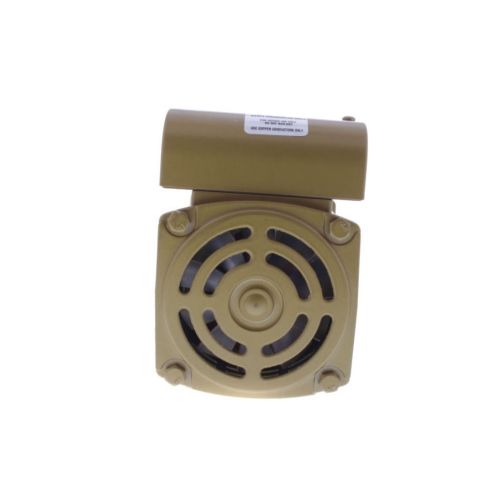
Circulator pumps are essential in HVAC and hydronic heating systems, moving heated water through boilers, radiators, baseboards, and heat exchangers. They ensure consistent flow, maintain stable temperatures across zones, improve system responsiveness, and reduce heat loss in both residential and commercial applications
Hydronic circulating pumps move heated water from boilers through piping loops to distribute warmth across heating zones. Boiler circulator pumps regulate water flow between the boiler and heating components, helping maintain steady circulation and consistent heat delivery in hydronic HVAC systems.
Hot water circulator pumps maintain continuous domestic hot water movement for faster delivery at fixtures. Tankless water heater circulation pumps reduce waiting time for hot water, while oil furnace circulator pumps move heated water through hydronic loops to support balanced heating performance.
Common signs of circulator pump issues include poor heat distribution, unusual pump noise, vibration, or inconsistent hot water supply. Replacing a failing pump restores proper circulation, improves heating performance, and helps maintain dependable HVAC system operation.
PartsHnC provides HVAC circulator pump replacement parts, including wet rotor, inline, stainless steel, and ECM variable-speed pumps, plus flanges and motors. Trusted brands like Taco, Xylem-Bell & Gossett, Grundfos, and Armstrong are available with fast doorstep shipping.
FAQs
What size circulator pump do I need for my heating system?
Pump size depends on system flow rate (GPM) and head pressure requirements. Always match the replacement pump to the original specifications or manufacturer recommendations.
Can a faulty circulator pump lead to uneven heating in a hydronic system?
Yes. A faulty circulator pump may reduce water flow, causing some radiators or zones to receive less hot water and create uneven heating. Check for trapped air, blockages, or replace the pump if it is not operating correctly.
How long does an HVAC circulator pump last?
Most circulator pumps last 10–15 years depending on usage, water quality, and maintenance. Regular inspection and cleaning help extend pump lifespan.
Can I replace a circulator pump myself?
It is possible for experienced technicians, but most homeowners should hire an HVAC professional. Proper installation ensures correct flow direction, electrical connection, and system pressure balance.
Do circulator pumps run continuously in heating systems?
Many pumps run when the thermostat calls for heat. In zoned or variable-speed systems, pumps operate only when needed to maintain proper hot water circulation and system efficiency.
How do I know if my HVAC circulator pump is failing?
Common signs include unusual noise, poor hot water circulation, uneven heating, or the pump running continuously without proper flow. These symptoms may indicate worn bearings, air blockage, or motor failure.