 Loyalty Program

HVAC temperature transmitters monitor air temperature and send signals for system control. Replacing faulty duct temperature transmitters ensures accurate regulation, energy efficiency, and reliable HVAC performance.
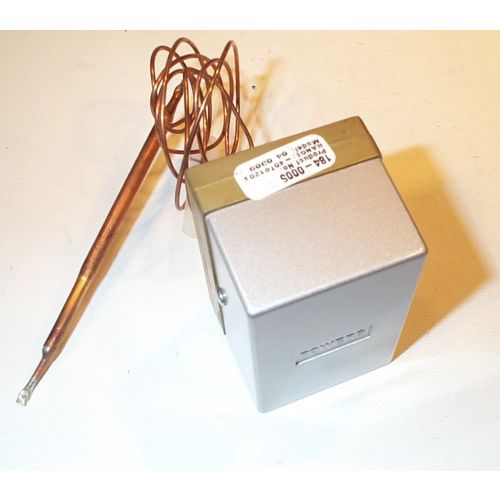 -10%Siemens 184-0005 Temperature Transmitter Remote Bulb 3' -40 to 120°FSpecial Price $219.75 Regular Price $243.92Out of stock
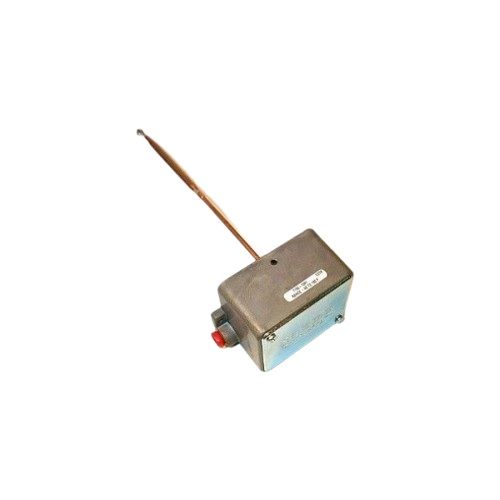 -10%Schneider Electric (Barber Colman) 2252-110 Temperature Transmitter -40°F to 160°FSpecial Price $2,760.01 Regular Price $3,063.61
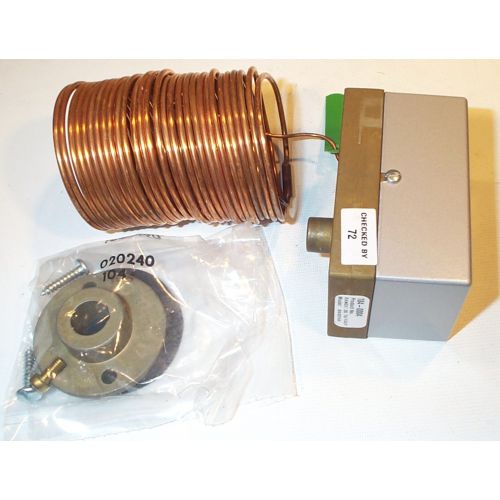 -10%Siemens 184-0004 Temperature Transmitter, Remote Averaging Bulb 35-135°FSpecial Price $280.13 Regular Price $310.95Out of stock
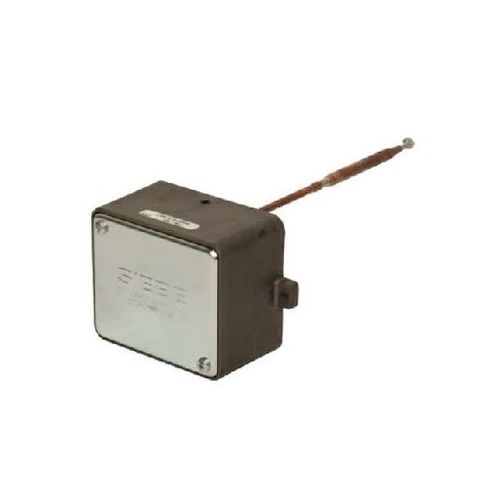 -10%Schneider Electric (Barber Colman) 2252-250 Temperature Transmitter 0°F-100°FSpecial Price $661.49 Regular Price $734.25Out of stock
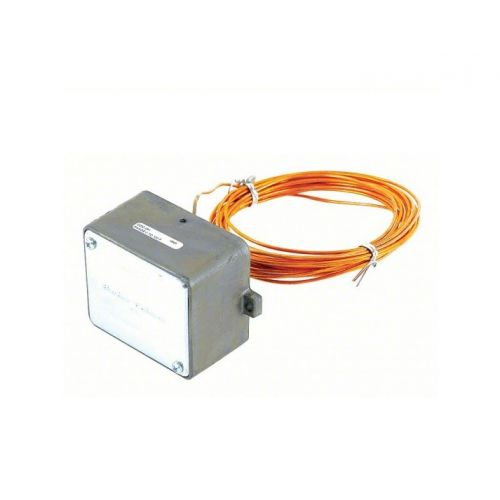 -10%Schneider Electric (Barber Colman) 2252‑251 Temperature Transmitter W/20′ AVG 0–100°FSpecial Price $749.51 Regular Price $831.96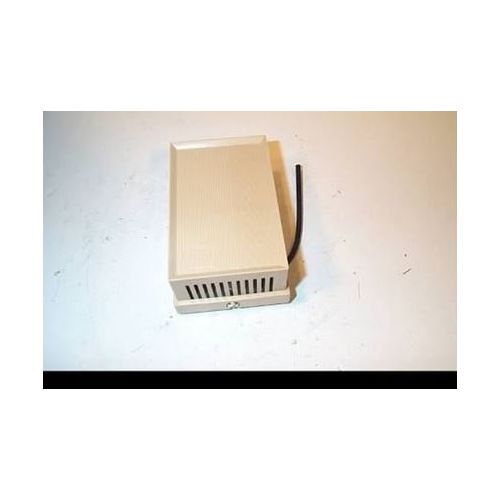
 -10%Schneider Electric (Barber Colman) TKS-5001 Wall-Mount Temperature Transmitter 50°F-100°FSpecial Price $421.85 Regular Price $468.25Out of stock
- -10%Johnson Controls T-5210-1004 Duct Temperature Transmitter 40°F-240°FSpecial Price $521.97 Regular Price $579.38
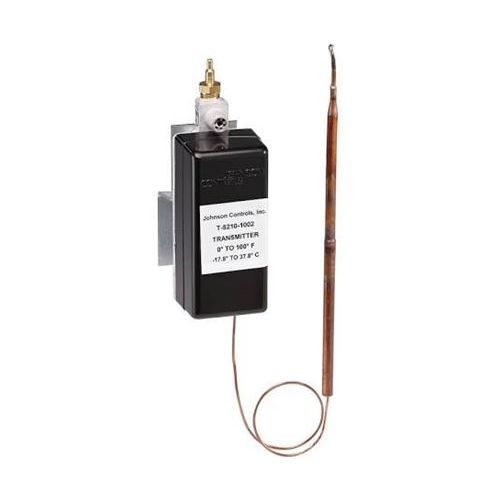
- -10%Johnson Controls T-5210-1002 Duct Temperature Transmitter 0°F-100°FSpecial Price $521.97 Regular Price $579.38
- -10%Johnson Controls T-5210-1007 Pneumatic Temperature Transmitter 50°F-150°F W/8' CapillarySpecial Price $586.59 Regular Price $651.11
- -10%Johnson Controls T-5210-1114 Pneumatic Temperature Transmitter 0-100°F 4' CapillarySpecial Price $548.15 Regular Price $608.44
- -10%Johnson Controls T-5210-1009 Pneumatic Temperature Transmitter 0°F-100°F W/8' CapillarySpecial Price $586.59 Regular Price $651.11
- -10%Johnson Controls T-5210-1118 Pneumatic Temperature Transmitter 0°F-100°F W/17' Copper Averaging ElementSpecial Price $598.65 Regular Price $664.50Out of stock

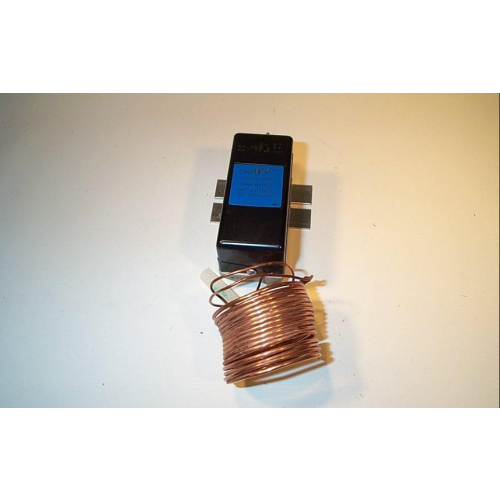
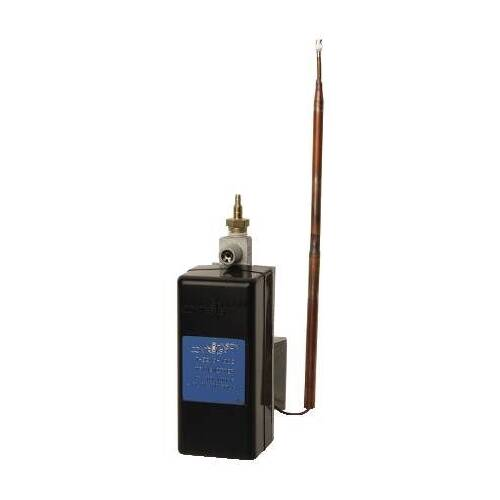
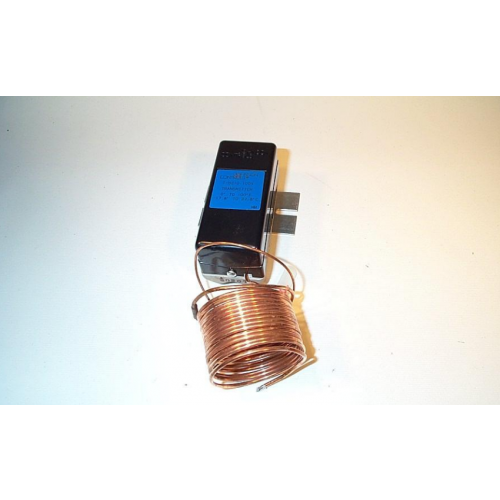
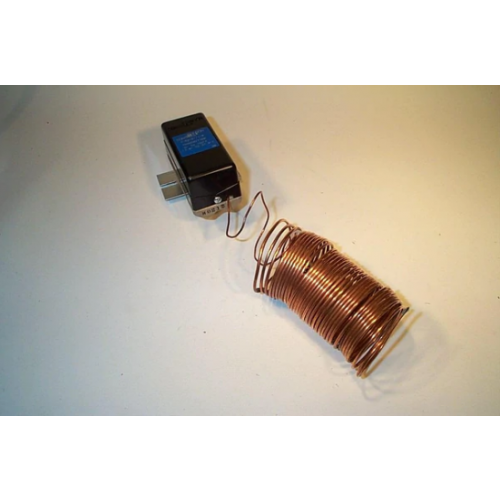
HVAC Temperature Transmitter Replacement Components for Control Systems
HVAC temperature transmitter replacement parts are essential for accurately monitoring and controlling temperatures in heating, ventilation, and air conditioning systems. They convert temperature readings into electrical signals used by building management systems, ensuring precise control, energy efficiency, equipment protection, and consistent indoor comfort throughout the facility.
A duct temperature transmitter is specifically designed to measure air temperature within ductwork, providing critical data for airflow regulation and system balancing. By continuously monitoring air conditions, these transmitters help prevent overheating, freezing, or inefficient operation of HVAC equipment. Accurate temperature feedback allows control systems to adjust fans, dampers, and heating or cooling output as needed.
Signs of a failing transmitter may include inaccurate readings, unstable system performance, or poor temperature regulation. Regular inspection and timely replacement help maintain reliable monitoring, protect system components, and ensure efficient operation in residential, commercial, and industrial environments.
At PartsHnC, we offer temperature transmitters, rigid averaging temperature sensors, explosion-proof RTD temperature transmitters, and remote bulb temperature transmitters. Compatible with Siemens, Johnson Controls, Dwyer Instruments, and Schneider Electric for precise and reliable HVAC monitoring and control.
FAQs
Where is a duct temperature transmitter installed?
It is typically installed inside ductwork to monitor air temperature for proper airflow control and system balancing.
How do I know if a temperature transmitter is faulty?
Signs include inaccurate temperature readings, unstable system performance, or inconsistent heating and cooling.
Why are temperature transmitters important in HVAC systems?
They provide precise temperature data that helps maintain energy efficiency, equipment protection, and consistent indoor comfort.
How do I test an HVAC temperature transmitter?
Test by measuring the output signal with a meter and comparing it to actual temperature readings or calibration standards.
Can a faulty temperature transmitter affect HVAC efficiency?
Yes, incorrect temperature data can cause improper system control, leading to energy waste and inconsistent comfort levels.