 Loyalty Program

Reciprocating compressors play a key role in HVAC and refrigeration systems by compressing refrigerant and maintaining proper pressure circulation. These compressors support reliable cooling performance, efficient heat transfer, and dependable operation in residential and commercial equipment.
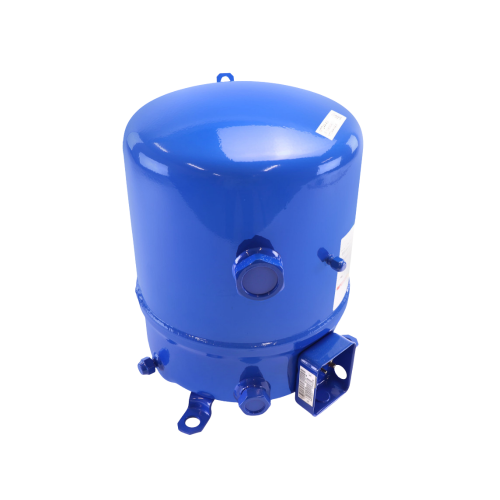
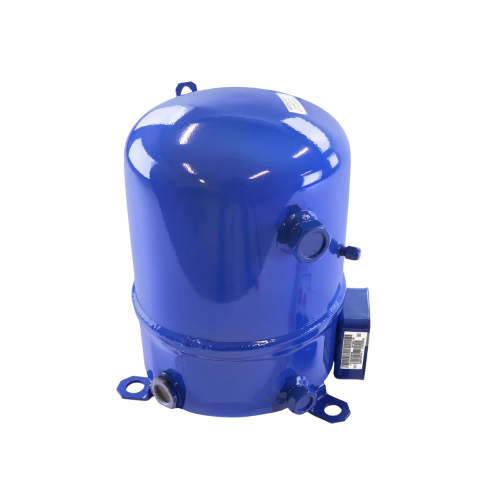 -10%Danfoss MTZ36-4VI 3-HP Reciprocating Compressor 3-PH 460VSpecial Price $1,671.46 Regular Price $1,855.32
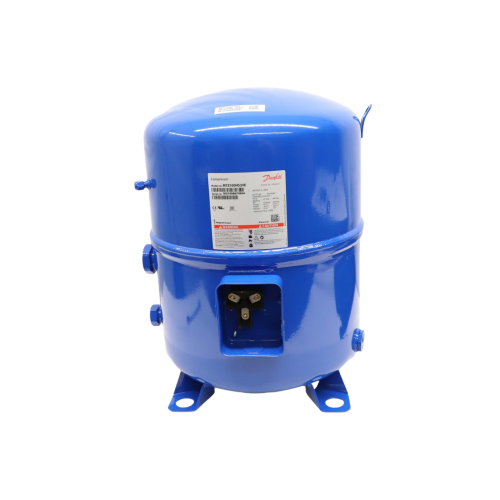
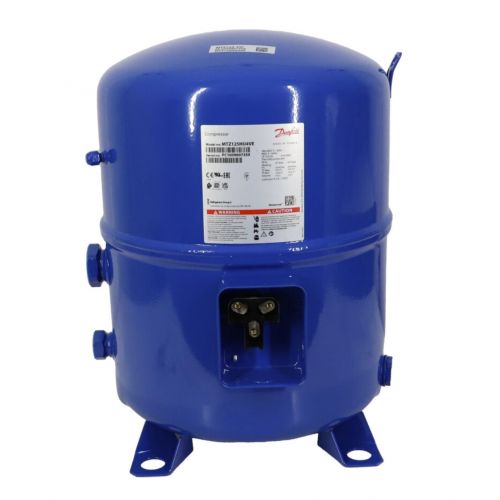 -10%Danfoss MTZ125-4VI 10.5-HP Reciprocating Compressor 3-PH 460VSpecial Price $3,627.17 Regular Price $4,026.16Out of stock
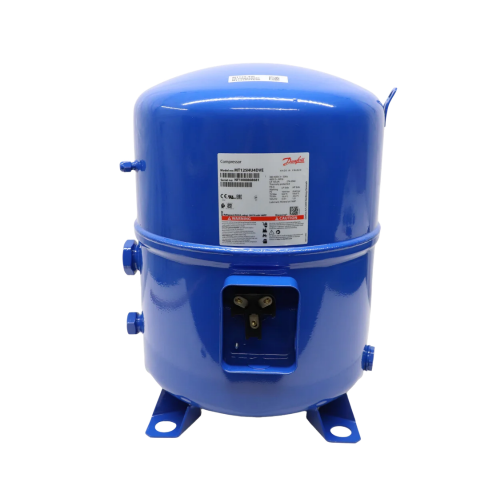 -10%Danfoss MT125-4VI 10-HP Reciprocating Compressor 3-PH 460VSpecial Price $3,727.69 Regular Price $4,137.73Out of stock
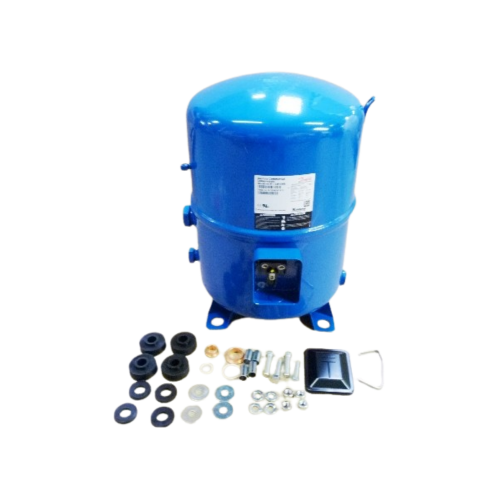 -10%Danfoss MT144-4VI 12-HP Reciprocating Compressor 3-PH 460VSpecial Price $4,046.10 Regular Price $4,491.17Out of stock
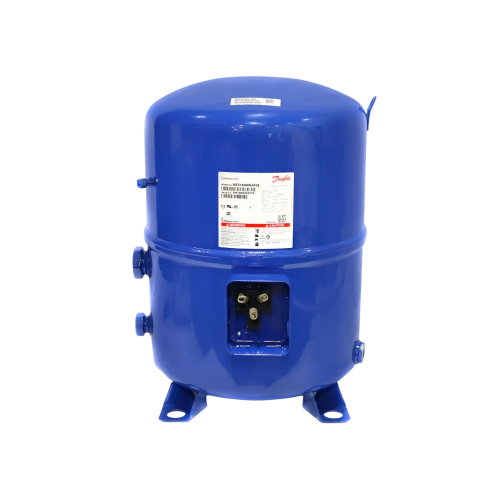 -10%Danfoss MTZ160-4VI 13.5-HP Reciprocating Compressor 3-PH 460VSpecial Price $4,342.66 Regular Price $4,820.35Out of stock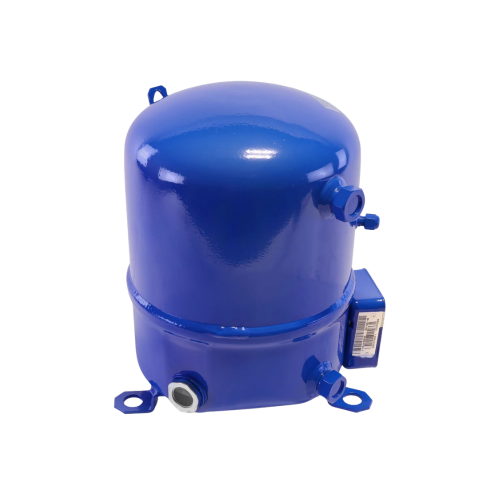
 -10%Danfoss MTZ18-4VI 1.5-HP Reciprocating Compressor 460V 3-PHSpecial Price $1,350.09 Regular Price $1,498.60
- -10%Danfoss MT22-4VI 2-HP Reciprocating Compressor 3-PH 460VSpecial Price $1,556.32 Regular Price $1,727.51Out of stock
- -10%Danfoss MTZ44-4VI 3-PH Reciprocating Compressor 45200 BTU R22 460VSpecial Price $1,827.94 Regular Price $2,029.01
- -10%Danfoss MT64-1VI 5.5HP Reciprocating Compressor 230V/1PHSpecial Price $2,063.57 Regular Price $2,290.57Out of stock
- -10%Danfoss MTZ100-3VI Reciprocating Compressor 100,000BTU 230V/3PHSpecial Price $3,534.25 Regular Price $3,923.02Out of stock
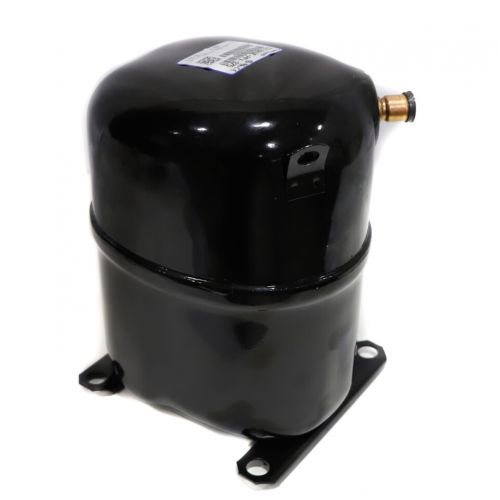
- -10%Copeland CR18K6E-PFV-875 Reciprocating Compressor 18,400BTU R22 230V/1PHSpecial Price $1,245.66 Regular Price $1,382.68Out of stock

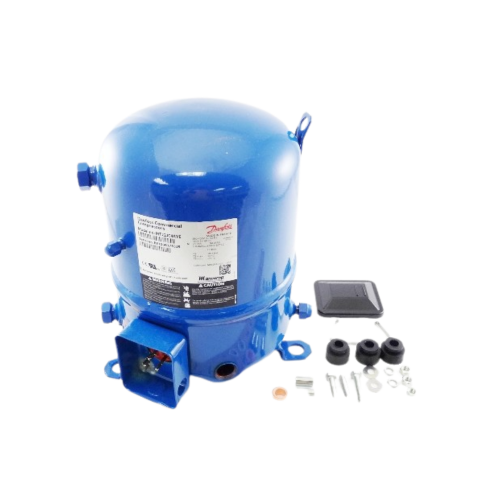
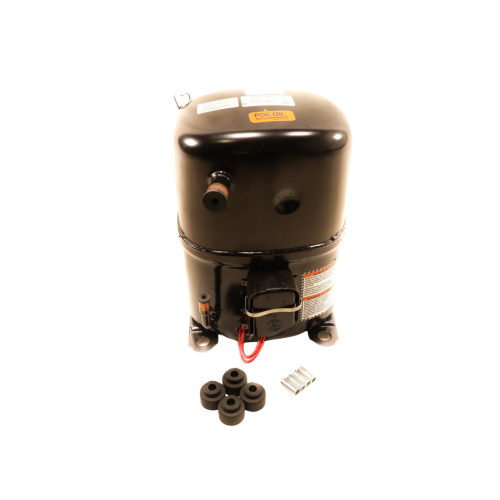
Reciprocating Compressors Replacement Parts for Refrigerations
Reciprocating compressors are mechanical refrigeration components that compress refrigerant using a piston-driven mechanism inside a sealed cylinder. These reciprocating compressors operate by drawing low-pressure refrigerant vapor into the cylinder and compressing it into high-pressure gas before sending it to the condenser.
A reciprocating compressor HVAC unit is commonly used in air conditioners, heat pumps, refrigeration systems, and commercial cooling equipment. In these systems, the compressor maintains refrigerant pressure and circulation throughout the refrigeration cycle. A reciprocating air conditioner compressor ensures refrigerant moves through the evaporator, condenser, and expansion components to support efficient cooling and heat transfer.
Over time, internal parts like pistons, valves, and bearings may wear due to vibration, heat, or refrigerant contamination. Warning signs include knocking noises, hard starting, reduced cooling capacity, or increased energy use. When issues occur, technicians often inspect or replace related parts such as start capacitors, contactors, pressure controls, filter driers, crankcase heaters, and compressor mounts to maintain reliable system operation.
At PartsHnC, we supply reciprocating compressors, start capacitors, overload protectors, crankcase heaters, mounting kits, and filter driers from leading manufacturers such as Copeland, Danfoss, Tecumseh, Emerson, and LG, designed for efficient refrigerant compression, durable construction, and consistent HVAC system performance.
FAQs
What is a reciprocating compressor used for in HVAC systems?
It compresses refrigerant vapor and circulates it through the cooling system, allowing heat to be removed from indoor spaces.
Why is my reciprocating compressor making loud noises?
Unusual knocking or vibration may indicate worn pistons, damaged valves, or internal mechanical wear within the compressor.
Can a reciprocating air conditioner compressor lose efficiency over time?
Yes. Continuous operation, overheating, or refrigerant contamination can reduce compression efficiency and cooling performance.
How does a reciprocating compressor work in an air conditioner?
It uses a piston that moves up and down inside a cylinder to compress refrigerant vapor and push it through the refrigeration cycle.
What are signs that an HVAC reciprocating compressor is failing?
Common signs include reduced cooling, loud mechanical noise, hard starting, and increased electricity consumption during operation.