 Loyalty Program

HVAC pressure transmitters measure and convert pressure data for system control. Replacing faulty differential transmitters ensures accurate monitoring, efficient airflow, and reliable HVAC performance.
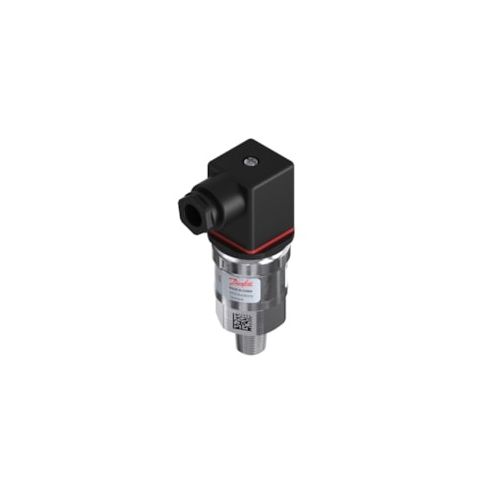
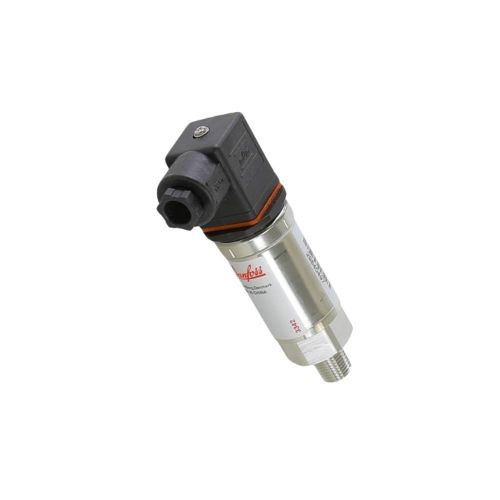 -10%Danfoss 060G2102 Pressure Transmitter 1-20 Bar 1/4" NPT 4-20mA AKS 33Special Price $440.75 Regular Price $489.24Out of stock
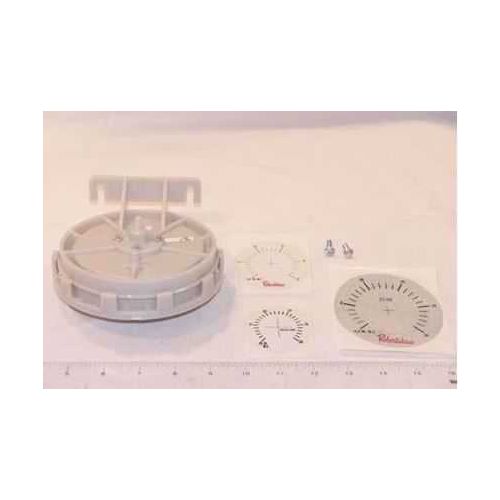 -10%Schneider Electric (Barber Colman) 2323-505 Differential/Static Pressure Transmitter -0.05" to +0.2"WCSpecial Price $514.37 Regular Price $570.95Out of stock
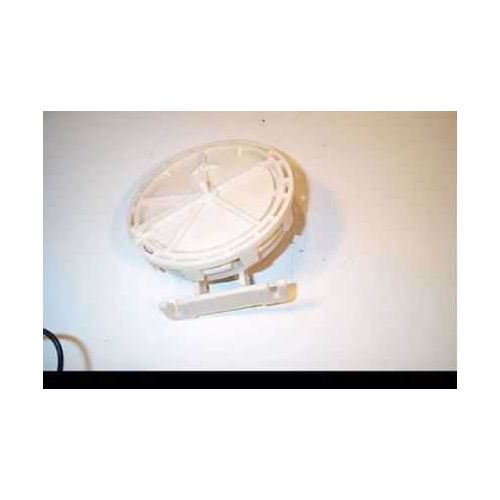 -10%Schneider Electric (Barber Colman) 2323-504 Differential/Static Pressure Transmitter 0-10"WCSpecial Price $453.41 Regular Price $503.28Out of stock
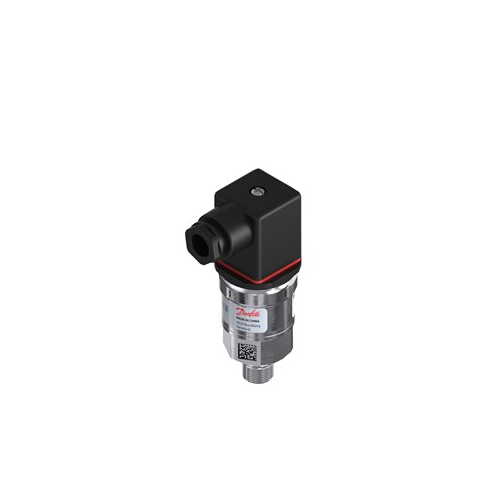
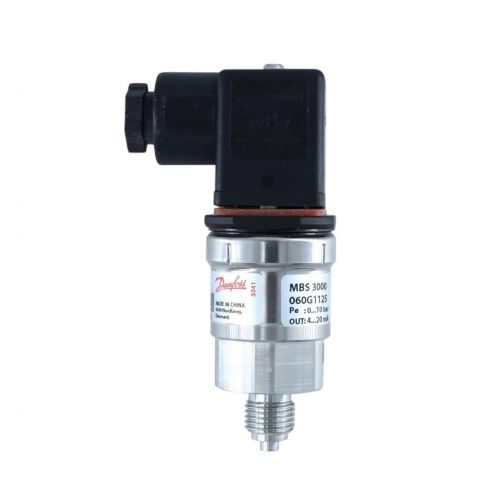 -10%Danfoss 060G1125 Pressure Transmitter 0-145 PSI 4-20mASpecial Price $854.71 Regular Price $948.73Out of stock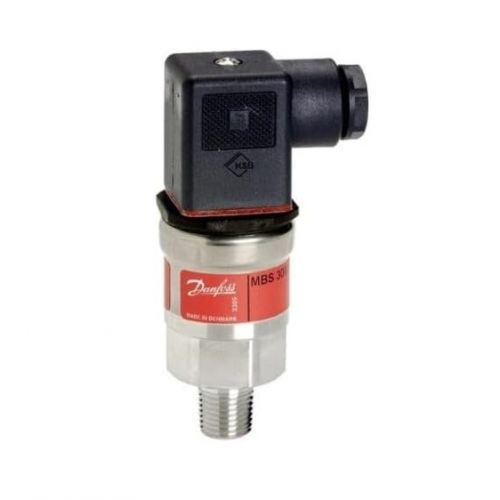
 -10%Danfoss 060G1142 Pressure Transmitter 1/4" NPT 0-150 PSI 4-20mASpecial Price $853.99 Regular Price $947.93
- -10%Danfoss 060G1133 Pressure Transmitter G-14" 420mASpecial Price $623.69 Regular Price $692.29Out of stock
- -10%Schneider Electric (Barber Colman) 2323-500 Static/Differential Pressure Transmitter 0-3"WCSpecial Price $678.36 Regular Price $752.98
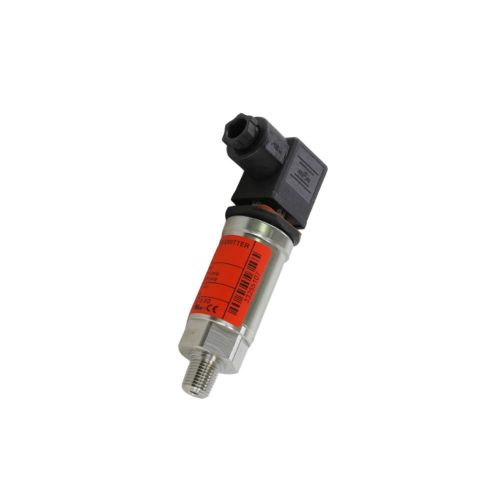
- -10%Danfoss 060G1712 Pressure Transmitter 0-500 PSI 4-20mA AKS33Special Price $1,013.96 Regular Price $1,125.49
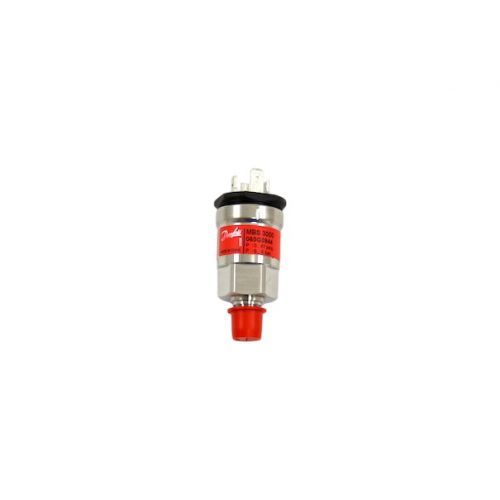
- -10%Danfoss 060G3944 Pressure Transmitter 0-87 PSI 1/4" 4-20mASpecial Price $734.00 Regular Price $814.74
- -10%Danfoss 060G115414 Pressure Transmitter MBS 3050 4-20mA 0-5800 PSISpecial Price $1,108.36 Regular Price $1,230.28Out of stock
- -10%Danfoss 060G2101 Pressure Transmitter 1/4" NPT 1-12 Bar 4-20mA OutputSpecial Price $438.97 Regular Price $487.25

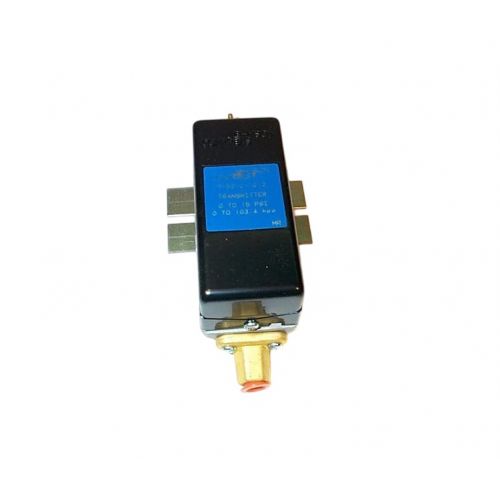
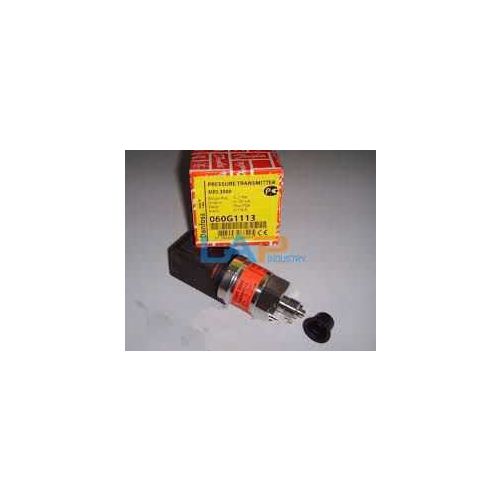
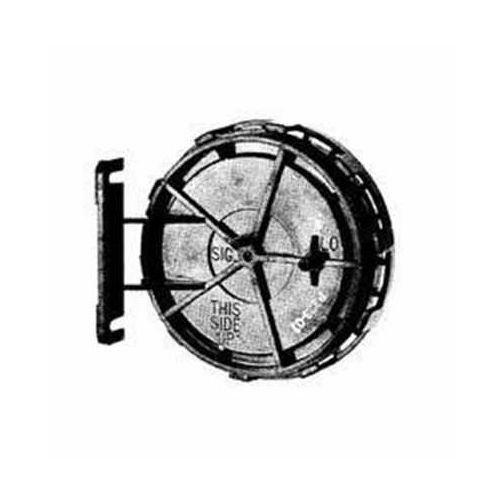
HVAC Pressure Transmitter Replacement Components for Control Systems
HVAC pressure transmitter replacement parts are essential for monitoring and controlling air and fluid pressure in heating, ventilation, and air conditioning systems. They convert pressure readings into electrical signals used by building management systems, ensuring accurate monitoring, system efficiency, indoor air quality, and reliable equipment operation.
A differential pressure transmitter for HVAC measures the pressure difference across filters, coils, and duct sections, providing critical data to ensure proper airflow and detect blockages or clogged filters. Similarly, an air differential pressure transmitter monitors pressure variations within ventilation systems, supporting balanced air distribution and energy-efficient operation.
Signs of a faulty transmitter may include inaccurate readings, system imbalance, or unexpected alarms. Regular inspection and timely replacement ensure precise monitoring, protect HVAC components, and support dependable performance in residential, commercial, and industrial environments. Proper functioning of these transmitters helps prevent equipment strain, reduces energy consumption, and maintains consistent comfort levels.
At PartsHnC, we offer differential pressure indicating transmitters, pressure transmitters with cable, and static differential pressure transmitters. Compatible with Johnson Controls, Dwyer Instruments, Siemens Combustion, and Veris Industries for precise and reliable HVAC pressure monitoring and control.
FAQs
Why is a differential pressure transmitter important in HVAC?
It monitors pressure differences across filters and ducts, helping maintain proper airflow, efficiency, and indoor air quality.
How often should HVAC pressure transmitters be calibrated?
They should be calibrated periodically during maintenance to ensure accurate readings and reliable system control.
Can a faulty pressure transmitter affect energy efficiency?
Yes, incorrect pressure data can cause improper airflow control, leading to higher energy consumption and reduced HVAC performance.
Where is an HVAC pressure transmitter installed?
It is typically installed in ducts, air handlers, or across filters to monitor system pressure and airflow conditions.
How do I test a differential pressure transmitter?
Testing involves checking output signals with a meter and verifying readings against known pressure values or calibration standards.