 Loyalty Program

Thermostatic expansion valves (TXVs) are vital components in HVAC and refrigeration systems, regulating the flow of refrigerant to the evaporator coil. Proper TXV operation ensures efficient heat transfer, maintains optimal system pressure, and prevents compressor damage.
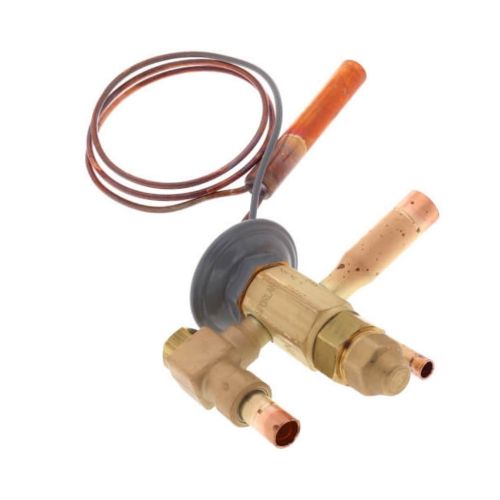 -10%Sporlan Controls 109199 1-1/4-2 Ton Thermostatic Expansion Valve (TXV) R404A 3/4" X 1/2" 60" CapillarySpecial Price $271.83 Regular Price $301.74
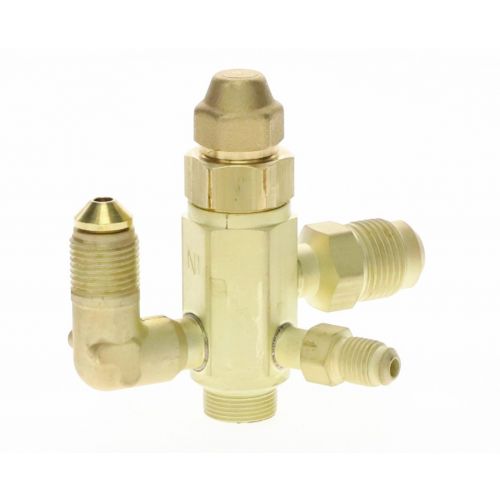 -13%Sporlan Controls 168183 Thermostatic Expansion Valve (TXV) Body R22 3/4"-1/2" SAESpecial Price $113.60 Regular Price $130.64
 -10%Sporlan Controls 108247 3/8" X 1/2" Thermostatic Expansion Valve W/Strainer 134ASpecial Price $254.35 Regular Price $282.33Out of stock
- -13%Trane VAL8712 Thermostatic Expansion Valve (TXV) R-22 1-Ton 3/8 x 1/2" 55/51 PSISpecial Price $131.49 Regular Price $151.21
- -31%Trane VAL18751 1-1/2 Ton Thermostatic Expansion Valve 3/8″X1/2″ ODF 5' CapillarySpecial Price $825.71 Regular Price $1,198.95
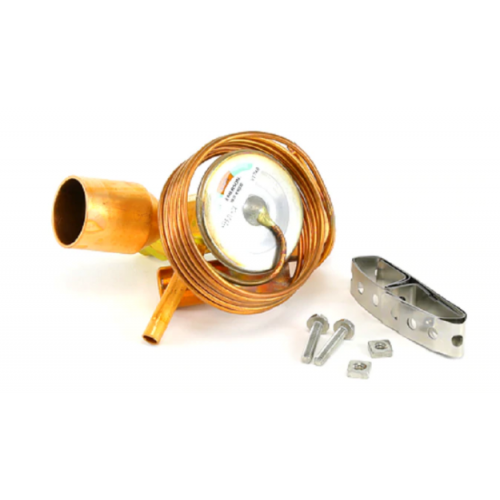

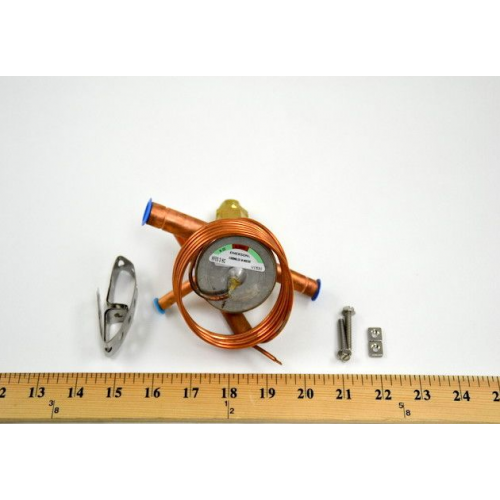
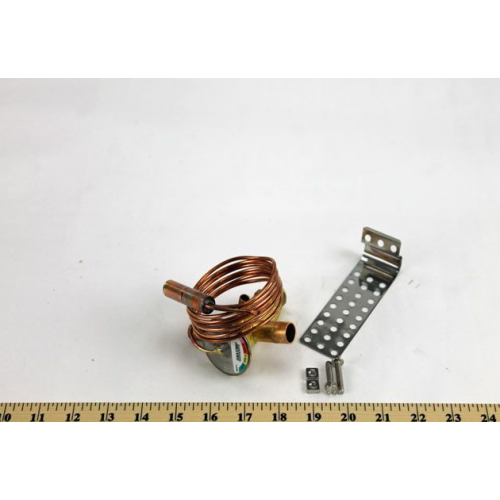
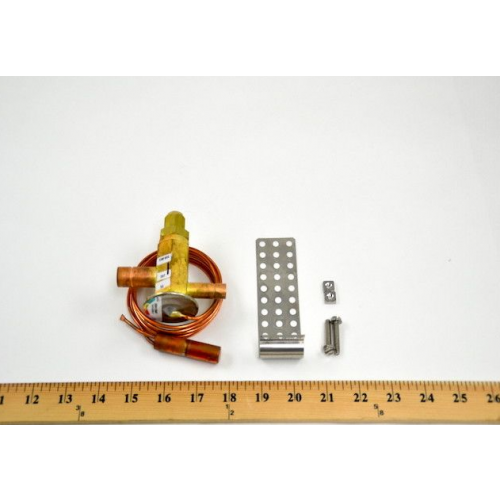
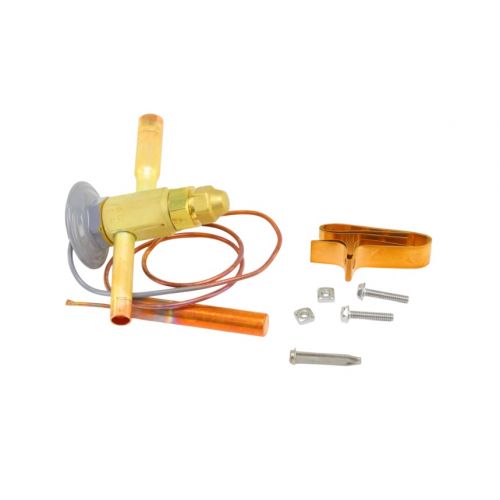
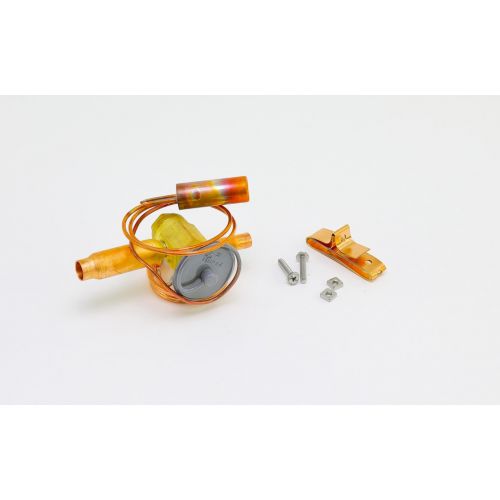
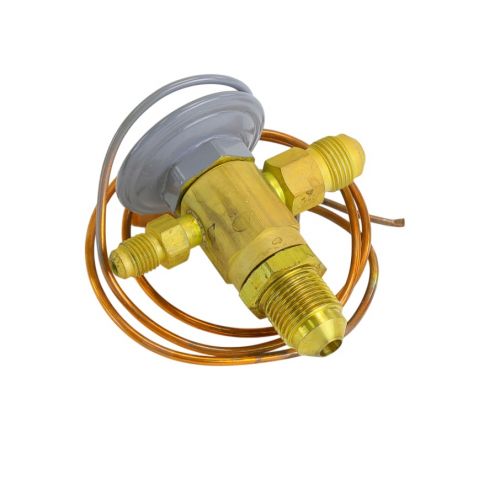
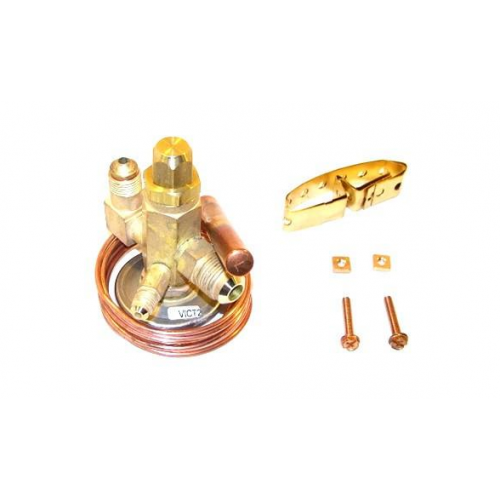

Thermostatic Expansion Valves for HVAC Systems
TXVs are critical for precise refrigerant control in refrigeration units, air conditioners, and heat pumps. They automatically adjust refrigerant flow based on evaporator load and temperature, providing consistent cooling performance. In modern systems, an ac txv valve is often used to regulate refrigerant efficiently, while heat pump txv valve designs are optimized for reversible systems, ensuring proper heating and cooling operation.
Key components of TXVs include the sensing bulb, diaphragm, valve body, internal needle, and capillary tube. Common issues involve fluctuating evaporator pressure, insufficient cooling, or refrigerant overfeeding. Diagnosing problems requires checking the sensing bulb, inspecting for blockages, verifying refrigerant charge, and ensuring the valve responds correctly to system load.
At PartsHnC, we offer a variety of thermostatic expansion valves, including 2-ton TXVs, Emerson flow control valves, valves with strainers, and capillary TXVs. Our inventory supports trusted brands such as Carrier, Trane, Lennox, and Emerson, ensuring reliable performance
FAQs
How do I replace a TXV in HVAC systems?
Turn off the system, safely recover refrigerant, remove the old valve, install the new TXV, reconnect the lines, recharge the refrigerant, and test the cooling performance.
Why isn't my TXV valve regulating the refrigerant properly?
It could be blocked, overfeeding, undercharged, or have a damaged sensing bulb. Inspect and replace faulty components as needed. Using the correct refrigeration thermostatic expansion valve can prevent these issues.
Can I repair a malfunctioning thermostatic expansion valve?
Minor blockages can sometimes be cleared, but most TXVs should be replaced if faulty to ensure optimal cooling and system safety. For heat pump TXV valve systems, replacement is often preferred for reliable operation.
How do I install a TXV in an air conditioner?
Recover refrigerant, remove the old valve, install the new AC TXV valve, reconnect lines, recharge refrigerant, and test the system.
Why is my heat pump TXV not controlling refrigerant flow?
Check for blockages, incorrect refrigerant charge, or a damaged sensing bulb; repair or replace the heat pump TXV valve to restore proper operation.