 Loyalty Program

HVAC pressure switches monitor airflow and system pressure to ensure safe operation. Replacing faulty furnace, air, or differential pressure switches maintains efficiency, prevents failures, and ensures reliable HVAC performance.
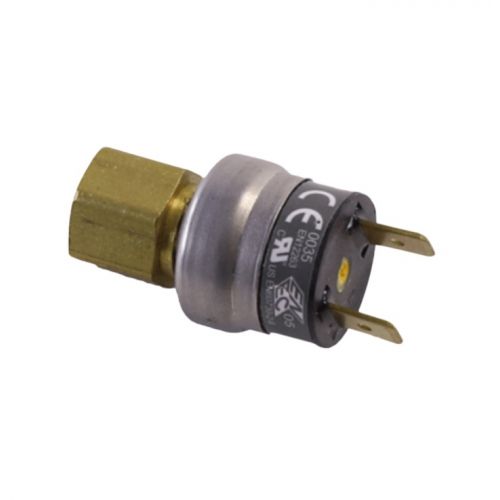
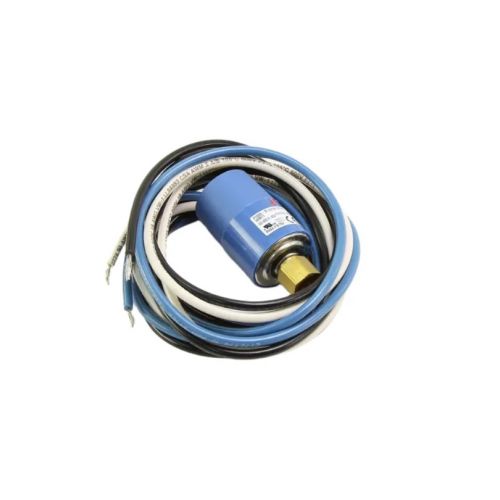 -13%Johnson Controls P100EE-78 SPDT Auto Pressure Switch 400 PSI Open 300 PSI CloseSpecial Price $64.82 Regular Price $74.54Out of stock
 -24%
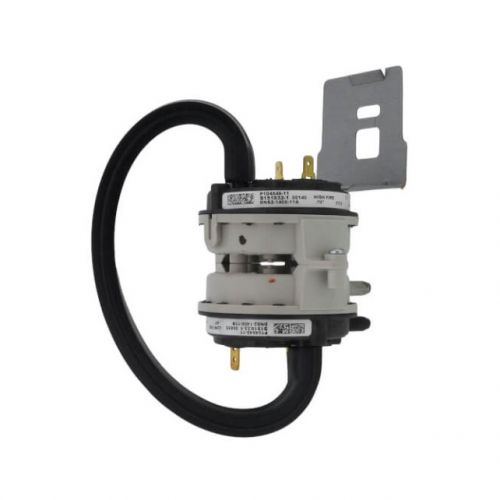
-24%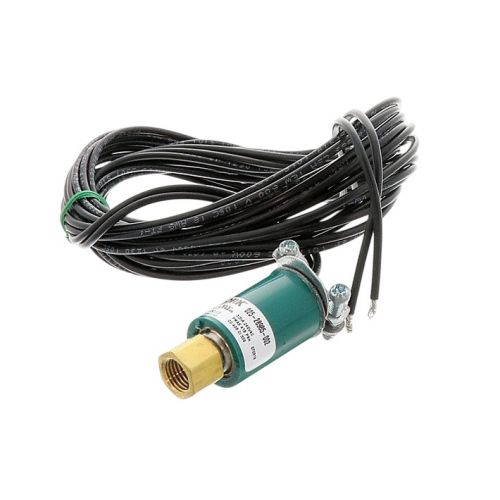 -13%York 025-28985-002 High Pressure Switch 405/330PSISpecial Price $126.32 Regular Price $145.27Out of stock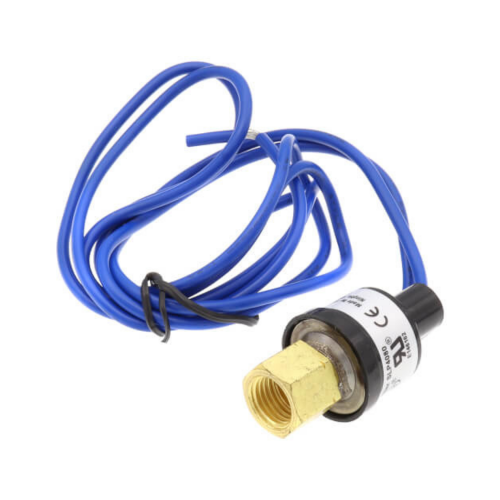
 -23%Supco SLP4080 Low Pressure Switch 40 Open PSI (CUT-OUT) 80 Close PSI (CUT-IN)Special Price $21.34 Regular Price $27.74
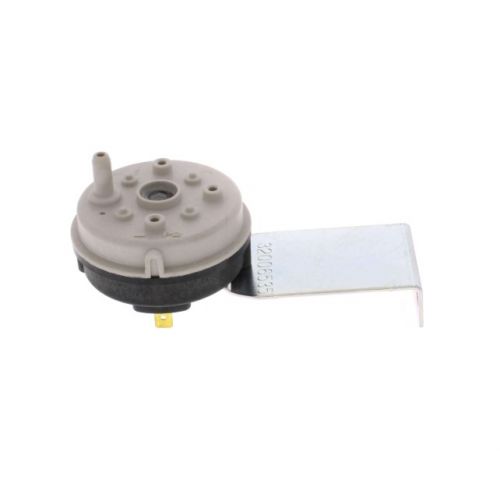
- -13%Rheem-Ruud 42-24195-03 Drain Pressure Switch 40" WCSpecial Price $73.16 Regular Price $84.13Out of stock
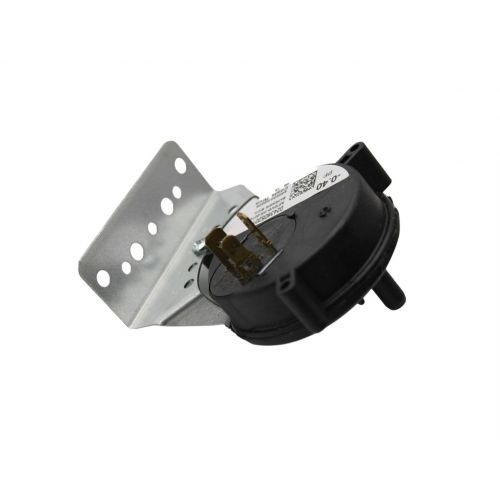
- -23%York S1-024-36052-013 Pressure Switch 0.40" WCSpecial Price $46.27 Regular Price $60.15Out of stock
- -13%
- -13%

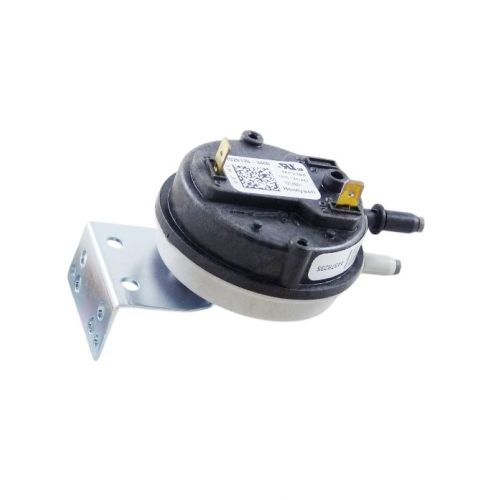
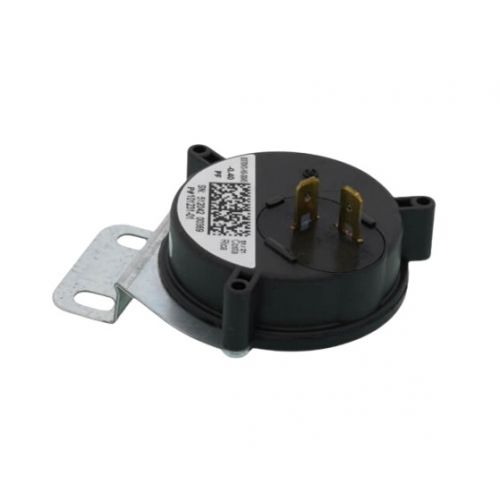

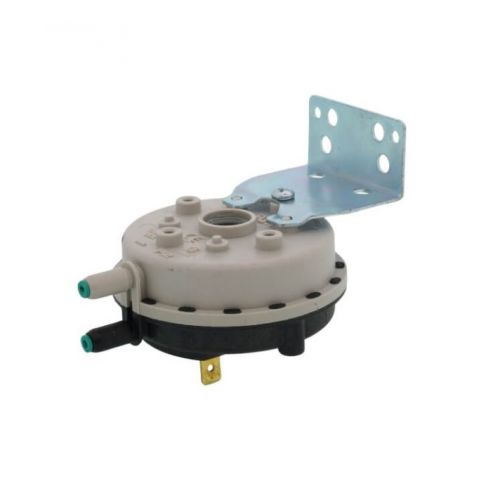
HVAC Pressure Switch Replacement Components for Electrical Systems
HVAC pressure switches are essential for maintaining safe and efficient operation in heating, ventilation, and air conditioning systems. They monitor air or fluid pressure and trigger control actions to prevent unsafe conditions, ensuring furnaces, air handlers, and other equipment operate within limits, protecting components and system performance.
A furnace pressure switch monitors airflow and combustion pressure to confirm that burners operate safely, preventing hazards such as flame rollout or incomplete combustion. An HVAC air pressure switch regulates airflow through ducts and fans, while a differential pressure switch for HVAC measures pressure differences across filters, coils, or other components to maintain proper system function. Similarly, a low-pressure switch HVAC helps prevent damage from under-pressurized conditions in compressors or refrigerant lines.
Signs of a failing switch include frequent system shutdowns, inaccurate pressure readings, or heating and cooling inconsistencies. Timely HVAC pressure switch replacement ensures accurate monitoring, prevents system failures, and maintains energy-efficient, safe operation.
At PartsHnC, we offer water pump pressure switches, differential pressure switches, SPST pressure switches, and Photohelic pressure switches. Compatible with Dwyer Instruments, Schneider Electric, Weil McLain, Armstrong Furnace, and Asco for precise and reliable HVAC pressure control.
FAQs
How do I know if a furnace pressure switch is faulty?
Signs include frequent system shutdowns, burners failing to ignite, inaccurate pressure readings, or inconsistent heating and cooling.
Can a differential pressure switch improve HVAC efficiency?
Yes, it ensures proper airflow and pressure across filters, coils, and components, helping the system operate efficiently and safely.
How often should HVAC pressure switches be inspected?
Pressure switches should be checked during routine maintenance to ensure accurate readings and prevent system malfunctions or safety issues.
Where is a furnace pressure switch located?
It is usually installed near the inducer fan or burner assembly to monitor proper airflow and combustion pressure.
How do I test an HVAC pressure switch?
Use a multimeter to check continuity while the system is running; a properly working switch will open or close according to pressure changes.