 Loyalty Program

HVAC safety controls monitor system conditions and shut down equipment during unsafe operation. Replacing faulty controls ensures safe performance, protects equipment, and maintains reliable heating and cooling in residential and commercial systems.
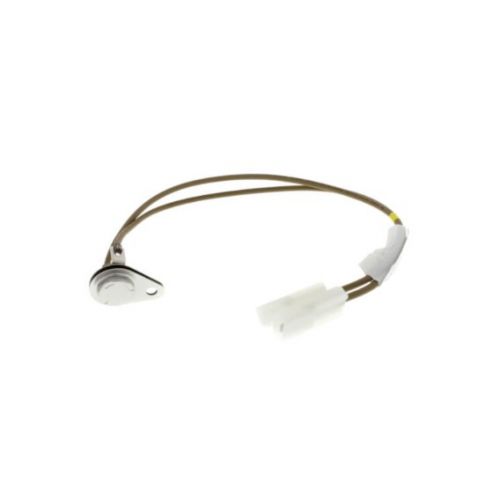 -13%
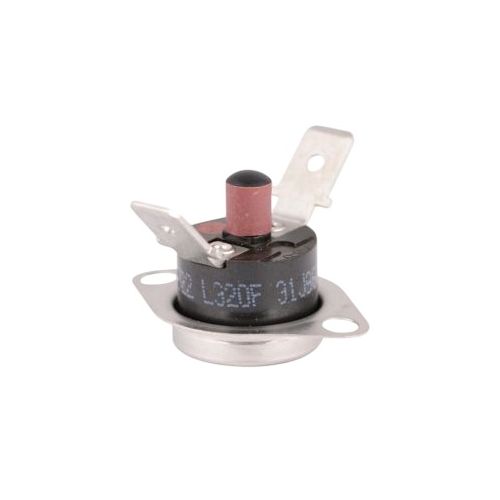
-13%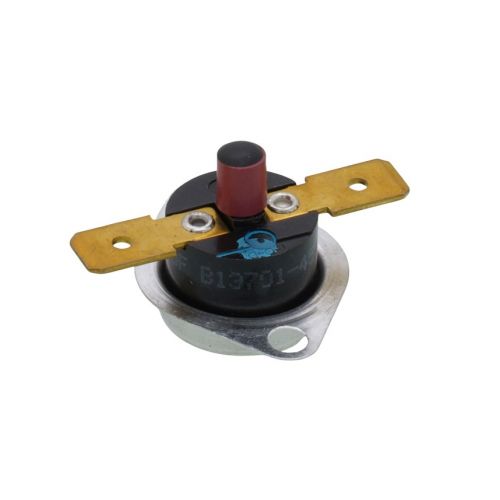 -26%Amana-Goodman B1370145 SPST Manual Reset Rollout Limit Switch 300°FSpecial Price $8.18 Regular Price $11.04
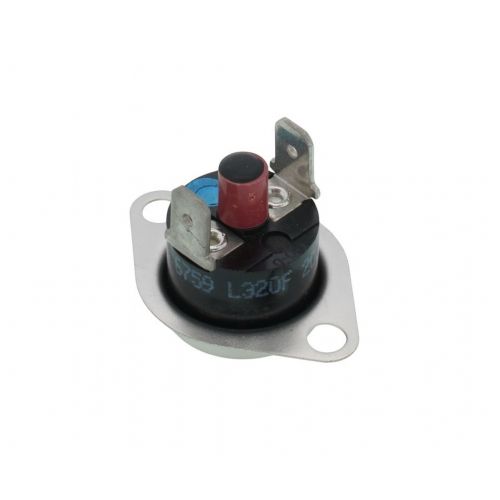
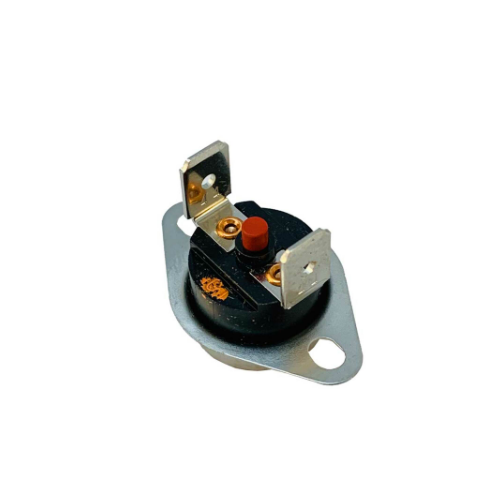 -13%Modine 5H0750020007 SPST Manual Reset Rollout Switch 300°FSpecial Price $79.91 Regular Price $91.90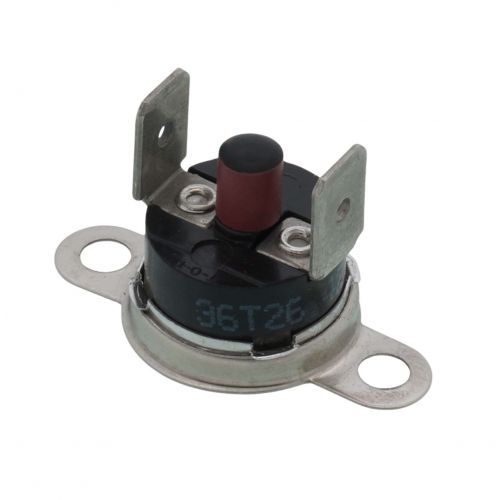
 -23%
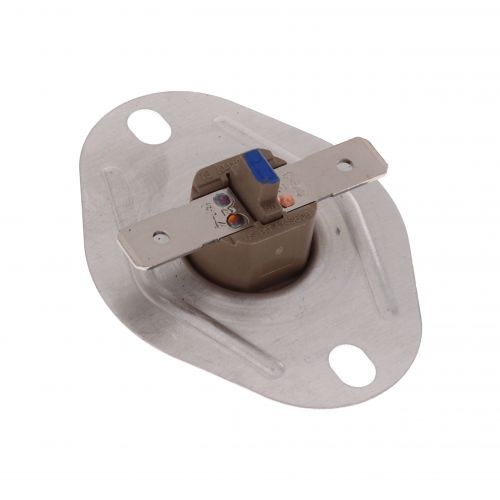
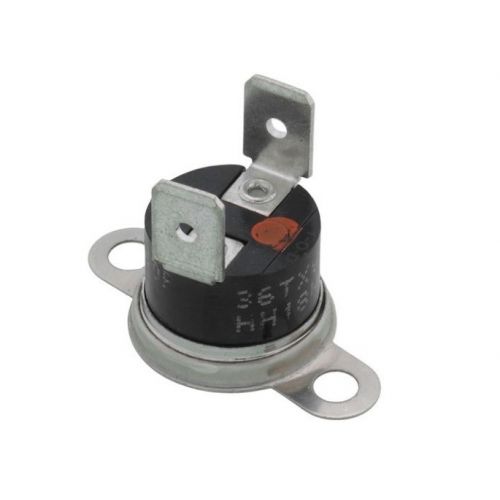
-23%- -23%International Comfort Products 522559 SPST A/R Rollout Switch 300°F-50°FSpecial Price $30.10 Regular Price $39.13
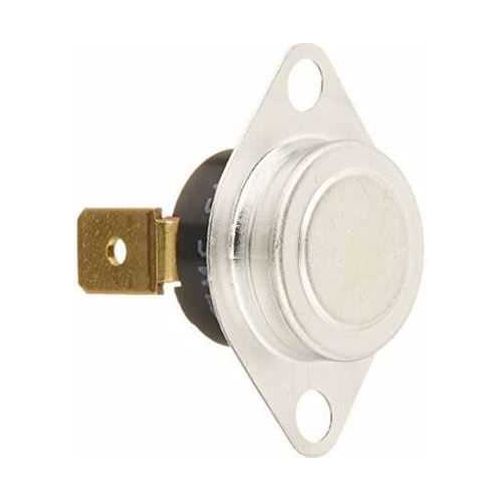
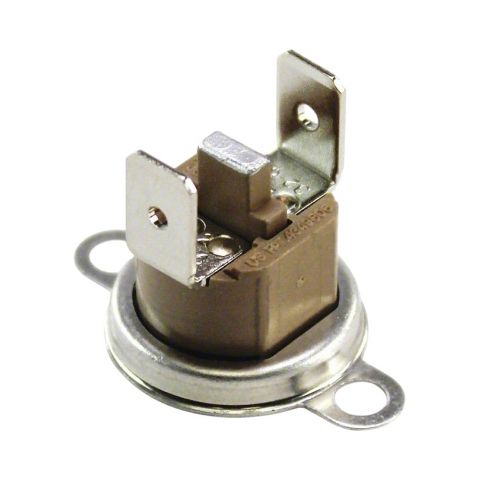
- -23%York S1-025-27747-016 Rollout Switch M/R 320°F OpenSpecial Price $44.98 Regular Price $58.48Out of stock
- -13%Lochinvar & A.O. Smith 100290350 M/R Rollout Switch 325°FSpecial Price $88.91 Regular Price $102.25Out of stock

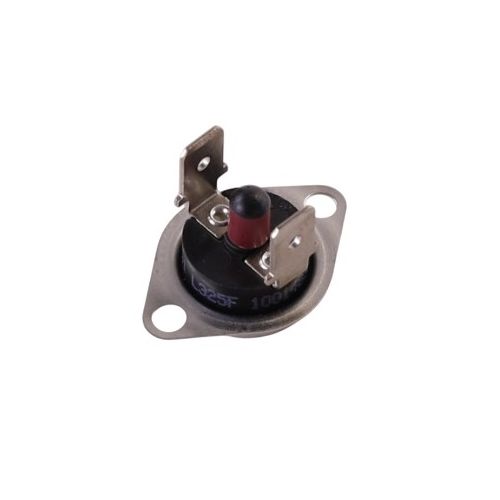
HVAC Safety Control Replacement Parts for Electrical Systems
HVAC safety control replacement parts are essential for protecting heating and cooling equipment from hazardous operating conditions and ensuring reliable system performance.
These devices monitor critical parameters such as temperature, pressure, airflow, and flame presence, automatically shutting down the system if unsafe conditions are detected. HVAC safety controls help prevent equipment damage, reduce fire risks, and maintain safe operation in residential and commercial environments.
In heating equipment, gas furnace safety controls play a crucial role by monitoring burner operation, airflow, and internal temperatures to ensure proper combustion and ventilation. When abnormalities occur—such as overheating, blocked airflow, or ignition failure—these controls interrupt operation to protect both the system and occupants.
Common signs of failing safety controls include frequent shutdowns, failure to start, error codes, or inconsistent heating and cooling. Regular inspection and timely replacement of faulty components help maintain system efficiency, extend equipment lifespan, and ensure dependable performance. Properly functioning safety controls are critical for maintaining safe, efficient, and compliant HVAC operation throughout the year.
At PartsHnC, we offer electronic low water cut-off, low water cut-off, SPST manual reset rollout switch, rollout switch with bracket, and low water cut-off tapping steam, compatible with Slant Fin, Hydrolevel, Xylem-McDonnell & Miller, and Weil McLain.
FAQs
Are safety controls important for boilers and furnaces?
Yes, they are critical for boilers and furnaces to prevent overheating, dry firing, and other hazardous operating conditions.
Can faulty safety controls damage HVAC equipment?
Yes, malfunctioning safety controls may fail to stop unsafe conditions, potentially leading to overheating, component damage, or system failure.
How often should HVAC safety controls be inspected?
Safety controls should be inspected regularly during routine maintenance to ensure they function properly and provide reliable protection.
What happens if a furnace safety switch trips?
The furnace will shut down to prevent unsafe operation, overheating, or combustion problems until the issue is resolved.
Can I reset an HVAC safety control switch myself?
Some switches have manual reset buttons, but the underlying problem should be fixed before restarting the system.