 Loyalty Program

HVAC gaskets and seals provide airtight and watertight connections within heating and cooling systems. They prevent air leakage, moisture intrusion, and pressure loss, ensuring energy efficiency, stable airflow, and reliable equipment protection in residential and commercial HVAC applications.
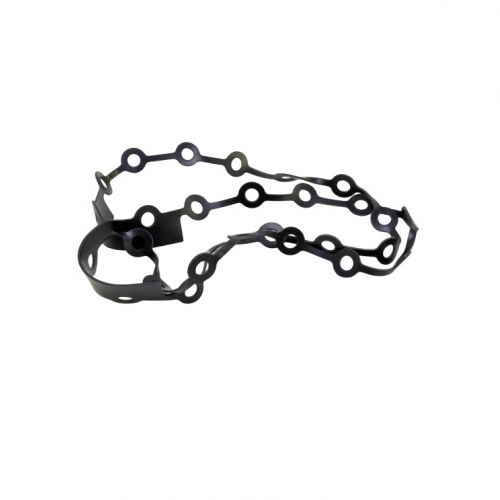
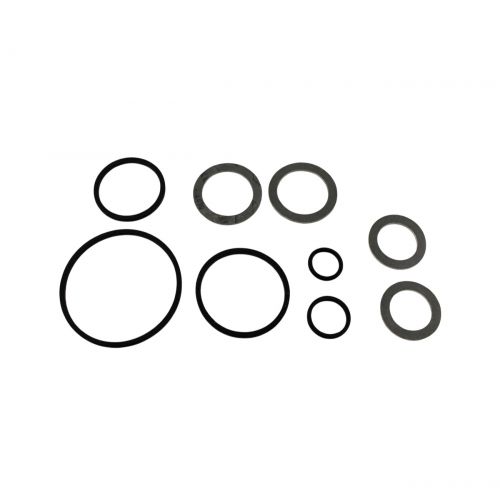
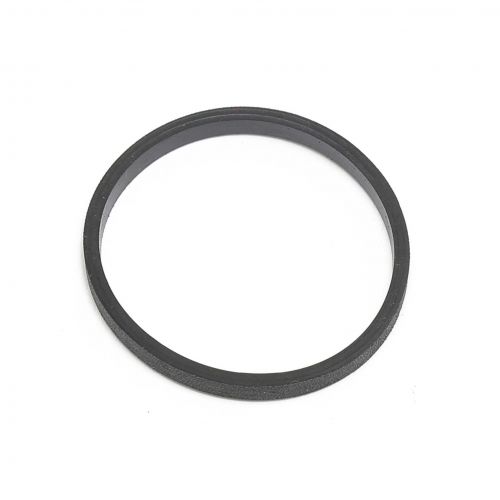 -23%Lochinvar & A.O. Smith 100208099 Element GasketSpecial Price $19.43 Regular Price $25.26Out of stock
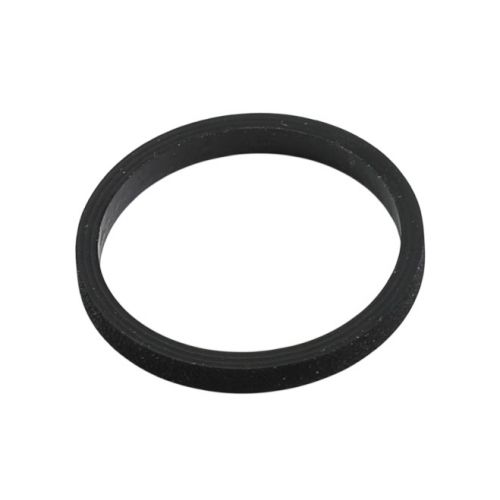 -23%
-23% -23%
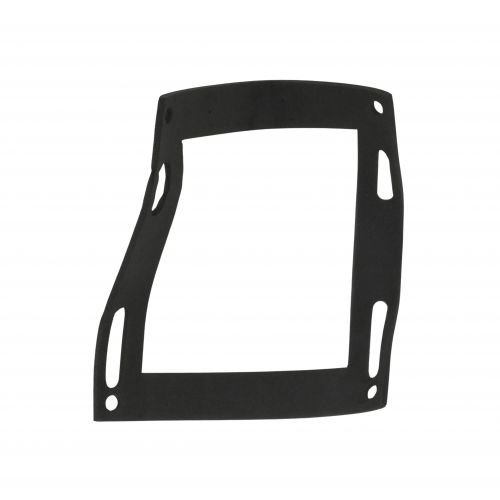
-23%- -10%Carrier 10XR35000201 Evaporator Water Box GasketSpecial Price $267.50 Regular Price $296.92Out of stock
- -23%
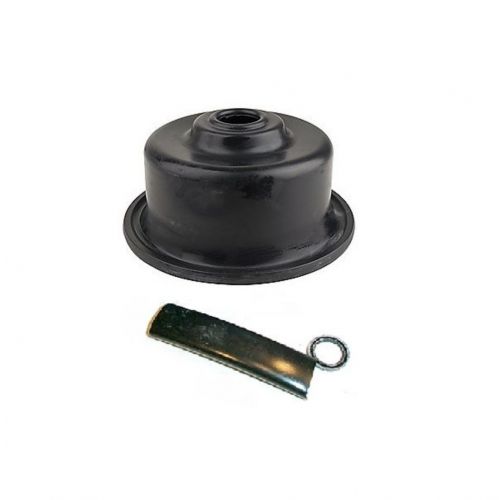
- -13%Johnson Controls MP8000-6325 Diaphragm & Seal Kit MP-82 & MP-83Special Price $127.64 Regular Price $146.79
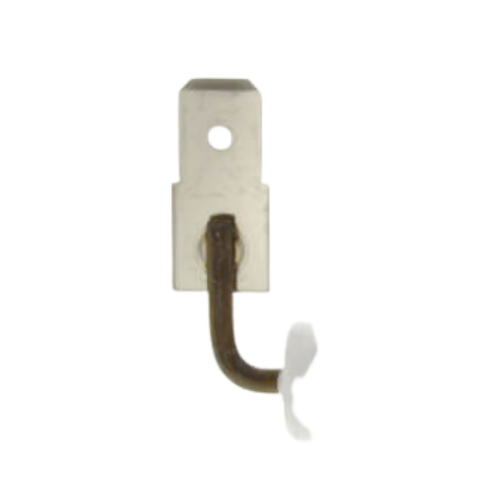

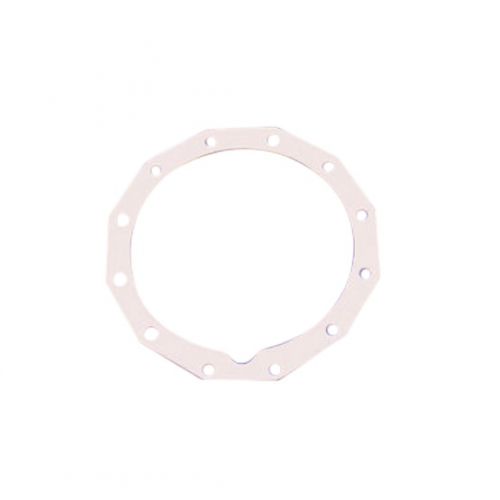
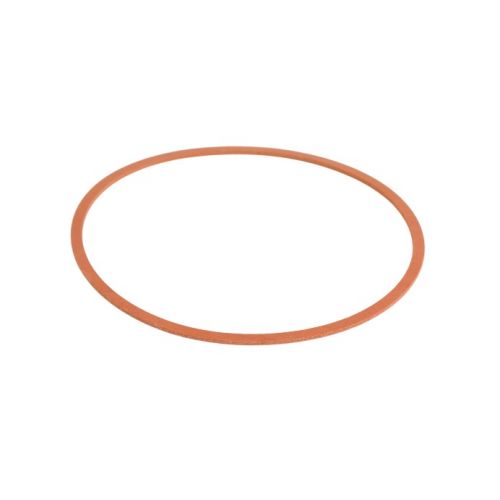
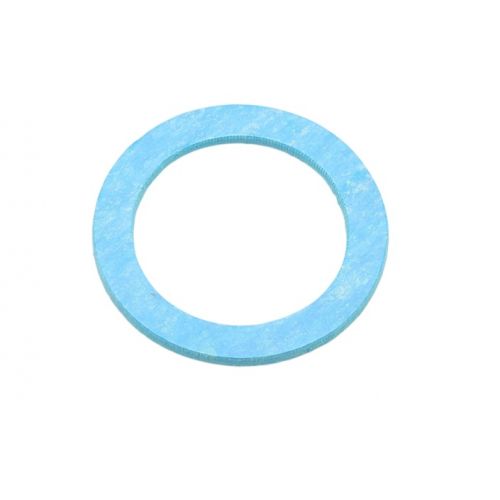
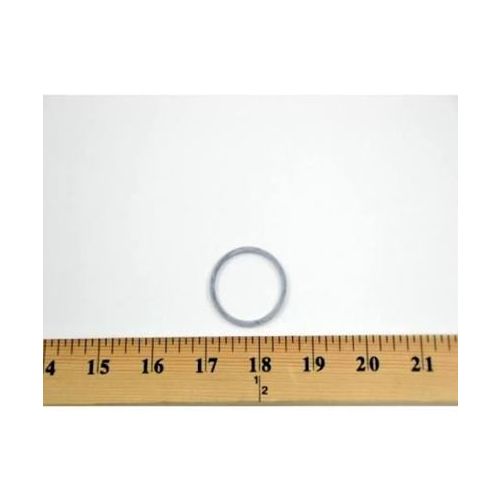
HVAC Gaskets & Seals Replacement Parts for Heating & Cooling Systems
HVAC gaskets and HVAC seals are critical sealing components used to create airtight and moisture-resistant connections in air handlers, rooftop units, furnaces, condensers, heat pumps, and duct assemblies. These parts are installed between access panels, flanges, coil sections, blower housings, and service doors to prevent conditioned air leakage and external contamination.
Their primary function is to maintain internal pressure balance and thermal efficiency. Properly installed HVAC gaskets reduce vibration transfer and ensure tight equipment assembly, while HVAC seals block moisture intrusion that can corrode metal surfaces or degrade insulation. In high-pressure or variable-air-volume systems, sealing integrity directly affects airflow accuracy and system capacity.
Over time, gaskets may harden, compress, crack, or lose elasticity due to heat cycling, UV exposure, and vibration. Worn seals can cause air leaks, reduced cooling or heating output, higher energy consumption, and condensation issues. Key replacement parts include EPDM rubber gaskets, silicone seals, neoprene strips, foam tape seals, flange gaskets, and panel door sealing kits.
At PartsHnC, we supply durable sealing solutions, including high-temperature silicone gaskets, closed-cell foam seals with moisture resistance, oil-resistant neoprene strips, and pre-cut panel gaskets engineered for precise fit. Our inventory features dependable products from trusted manufacturers such as DiversiTech, RectorSeal, Carrier, Trane, Lennox, and Johnson Controls, designed for long service life and reliable sealing performance in commercial and residential HVAC systems.
FAQs
What causes HVAC gaskets to fail prematurely?
Excessive heat exposure, constant vibration, chemical contact, and improper compression during installation can cause gaskets to harden or crack early.
How do air leaks from worn seals affect system efficiency?
Air leaks reduce static pressure control, disrupt airflow balance, and force the system to run longer, increasing energy consumption.
Can damaged seals cause condensation problems?
Yes. Compromised seals allow warm air to mix with cooled surfaces, creating condensation that may lead to corrosion or insulation damage.
When should HVAC gaskets be replaced?
Replace them when visible cracking, flattening, air leakage, moisture intrusion, or reduced system efficiency is observed during inspection.
Are silicone gaskets better than rubber for HVAC systems?
Silicone gaskets typically handle higher temperatures and resist aging better, while rubber options like EPDM provide excellent moisture and ozone resistance.