 Loyalty Program

HVAC fuses protect systems from electrical overloads and short circuits. Timely inspection and replacement of blown or worn fuses, including blower motor and control board fuses, ensure safe operation, prevent downtime, and maintain efficient HVAC performance.
 -23%
-23% -23%
-23% -23%
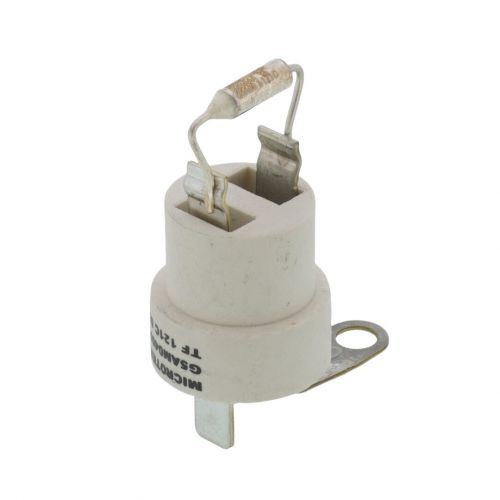
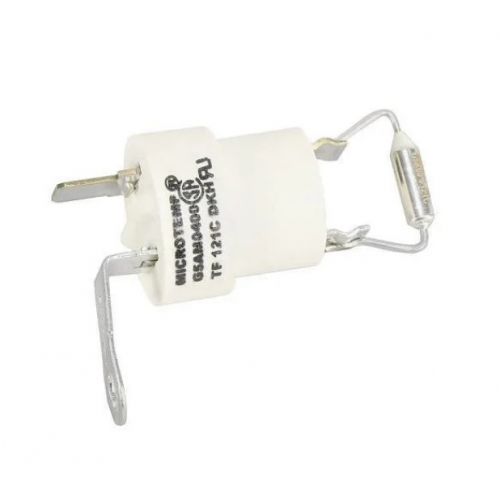
-23% -13%York S1-024-35663-000 Surface Mount Fuse Link 121°C 249°FSpecial Price $106.08 Regular Price $121.99Out of stock
- -13%
- -23%

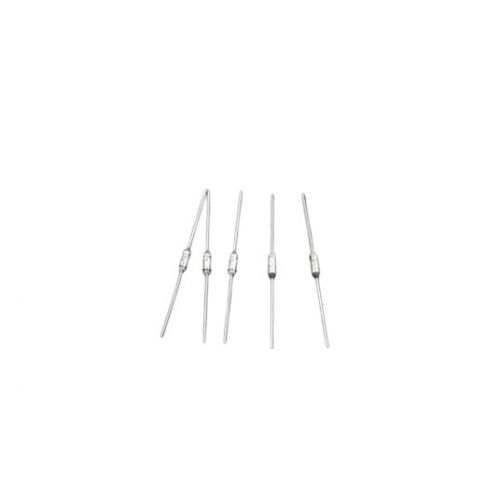
HVAC Fuse Replacement Parts for Electrical & Circuit Protection
HVAC fuse replacement parts are essential for protecting heating, ventilation, and air conditioning systems from electrical overloads, short circuits, and potential damage. HVAC fuses safeguard critical components by interrupting the electrical flow when a fault occurs, preventing damage to sensitive equipment. Common applications include fuses for AC units, fuses for furnaces, HVAC blower motor fuses, and HVAC control board fuses, all of which help maintain safe and reliable system operation.
Timely HVAC fuse replacement is crucial to ensure uninterrupted performance and prevent system downtime. Fuses are designed to protect specific circuits, so using the correct type and rating is essential for proper operation. Regular inspection can identify signs of wear, overheating, or blown fuses before they cause further issues. Replacing worn or damaged fuses restores electrical protection, improves system efficiency, and ensures long-term reliability. Proper maintenance and the right replacement fuses help keep residential and commercial HVAC systems operating safely and efficiently.
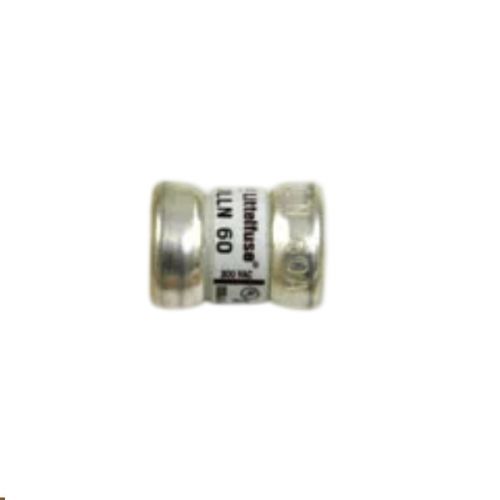
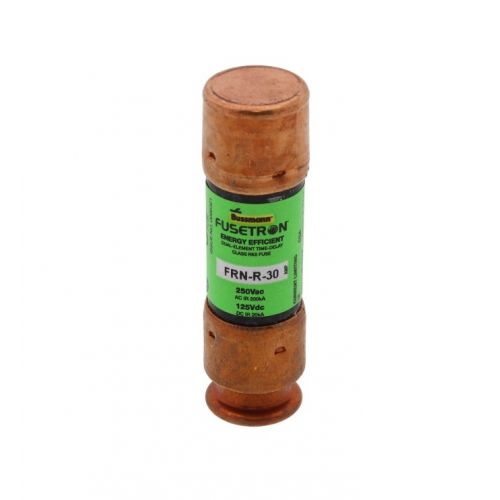
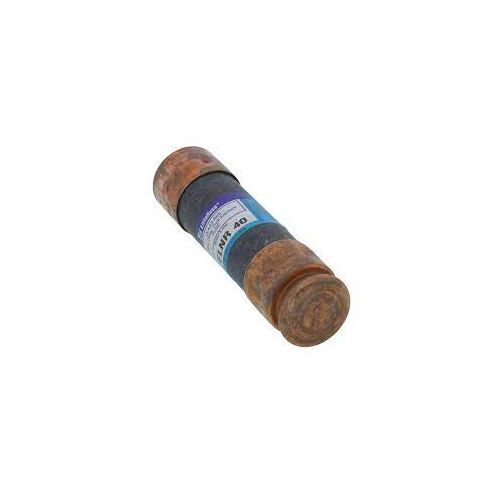
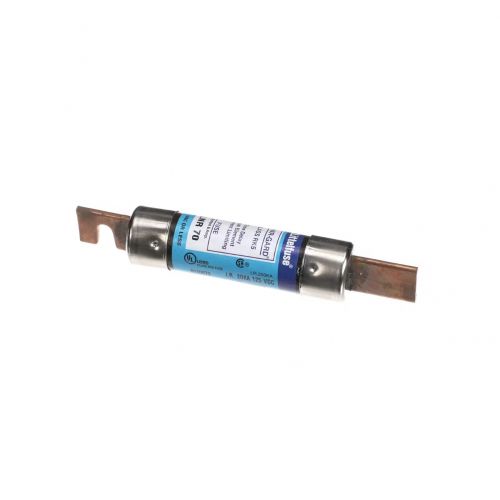
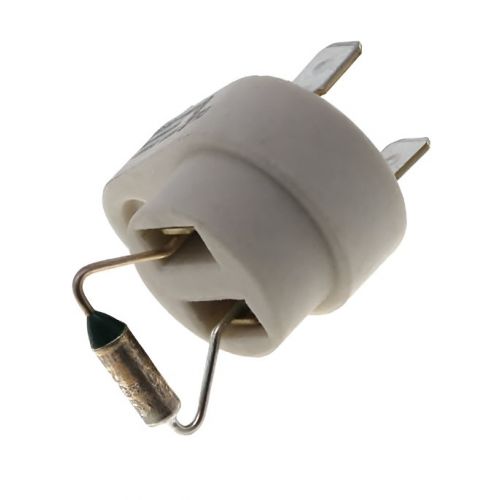
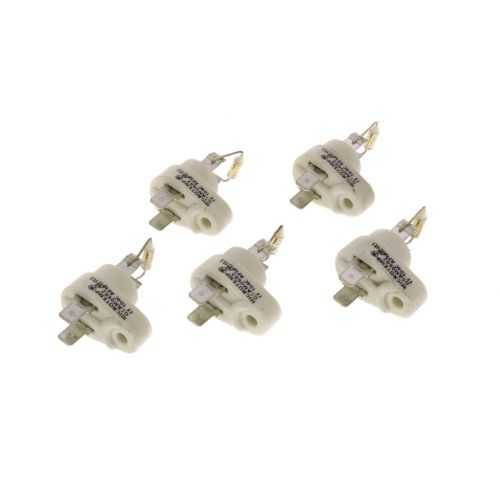
PartsHnC offers reliable HVAC fuse replacement parts, including fusible links, buss fuses, fast blow fuse kits, pole fuse holders, and gas thermal fuses. These high-quality components are compatible with top brands such as Littelfuse, MARS, York, Carrier, Aaon, and Trane, ensuring safe electrical protection and efficient HVAC system performance.
FAQs
What is the purpose of an HVAC fuse?
An HVAC fuse protects the system from electrical overloads and short circuits by interrupting the circuit when a fault occurs, preventing damage to components.
What is the difference between a fast blow fuse and a regular fuse?
A fast blow fuse reacts quickly to electrical surges or short circuits, protecting sensitive components, while a regular (slow blow) fuse can handle brief power spikes without blowing.
What types of HVAC fuses are commonly used?
Common types include fusible links, buss fuses, fast blow fuses, pole fuses, and gas thermal fuses, each designed for specific circuits and protection needs.
How do I know if my HVAC fuse is blown?
A blown fuse may cause the HVAC system to stop working, show no power, or the fuse itself may appear darkened or broken. Checking with a multimeter can confirm if it’s blown.
How do I know when an HVAC fuse needs replacement?
Signs include a blown fuse, frequent tripping, overheating, or the HVAC system failing to operate properly. Timely replacement prevents further damage.