 Loyalty Program

Keep your HVAC system running efficiently with control and sensing device replacement parts. Acting as the system’s “nervous system,” they detect temperature, pressure, and airflow, ensuring precise operation, safety, and reliable comfort in every space.
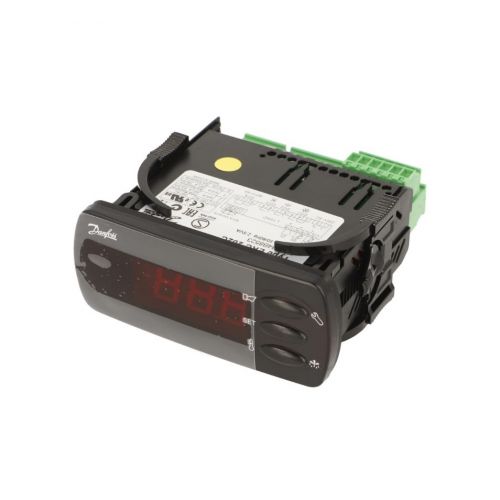 -13%
-13%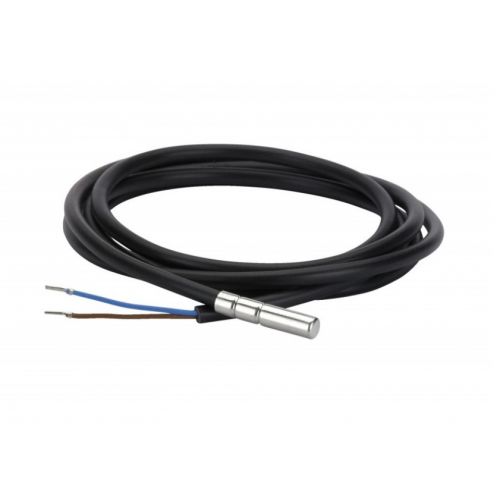 -23%
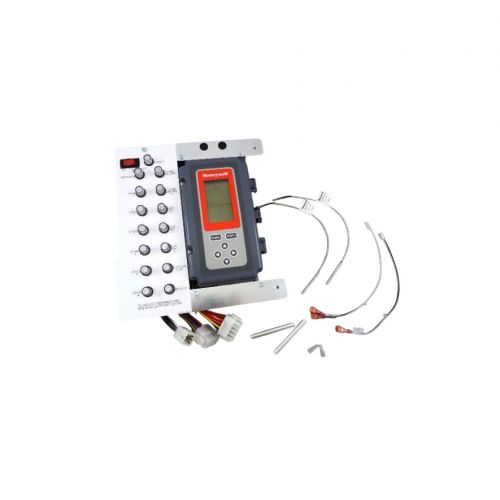
-23%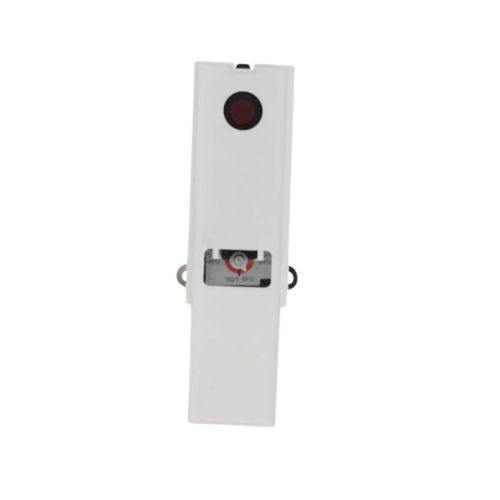 -13%Lochinvar & A.O. Smith 100223771 Electric Thermostat Kit TOD 120°F - 181°FSpecial Price $74.08 Regular Price $85.19
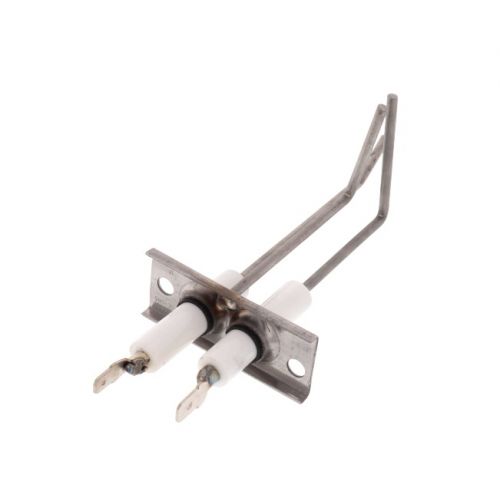 -23%
-23%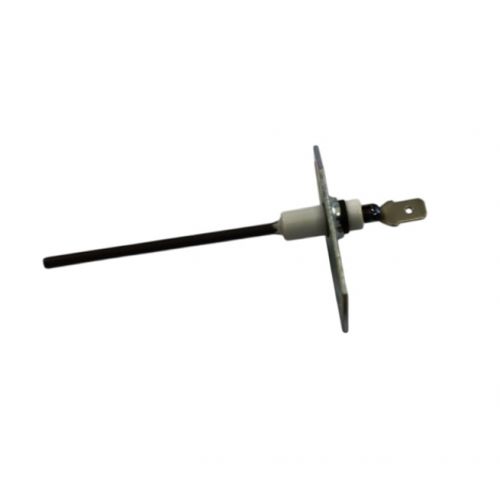 -13%
-13% -10%Johnson Controls A525AEDN-0203C Electronic Defrost Temperature ControlSpecial Price $316.90 Regular Price $351.76Out of stock
- -10%Lochinvar & A.O. Smith 100164435 Electronic ThermostatSpecial Price $1,831.30 Regular Price $2,032.74
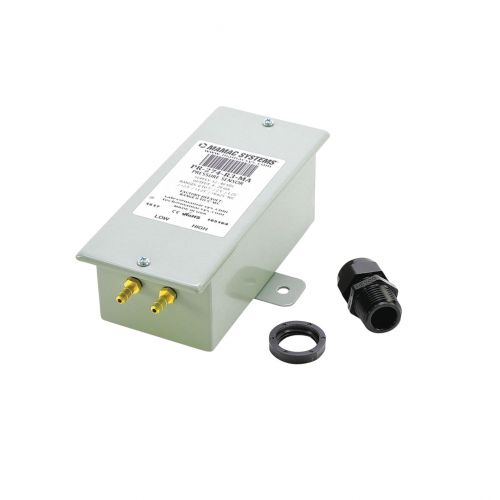
- -13%MAMAC Systems PR-274-R3-MA Enclosed Low Pressure Transducer 4-20mA OutputSpecial Price $133.38 Regular Price $153.38
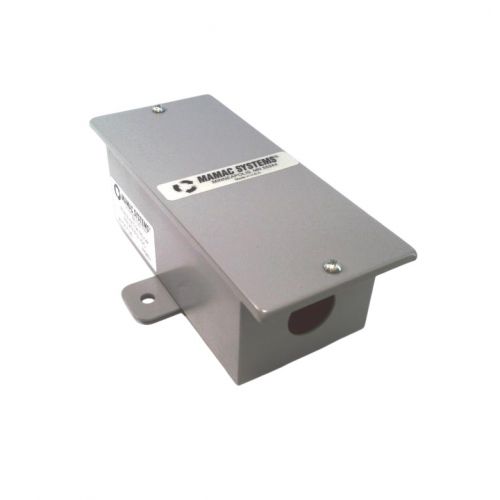
- -13%MAMAC Systems PR-274-R2-VDC Enclosed Low pressure Transducer 0-5/10 VDCSpecial Price $133.38 Regular Price $153.38
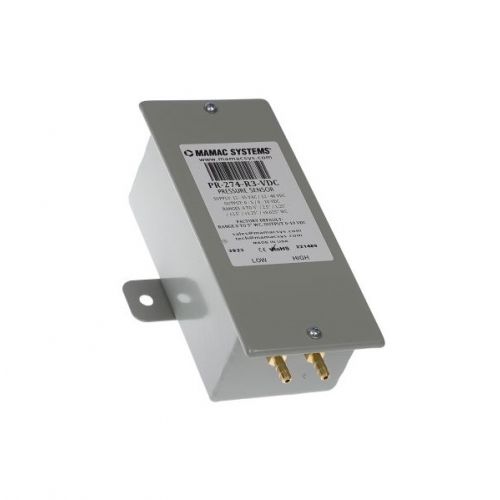
- -13%MAMAC Systems PR-274-R3-VDC Enclosed Low pressure Transducer 0-5-10 VDCSpecial Price $133.38 Regular Price $153.38

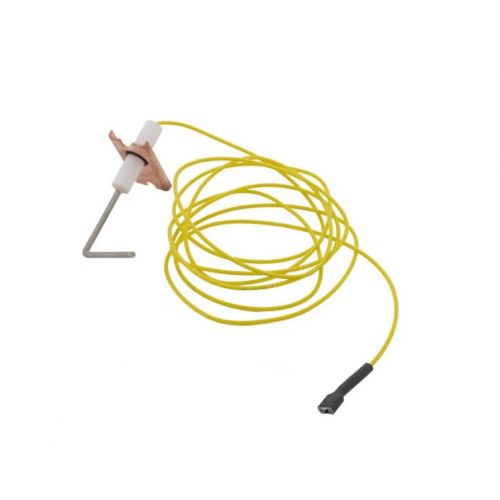
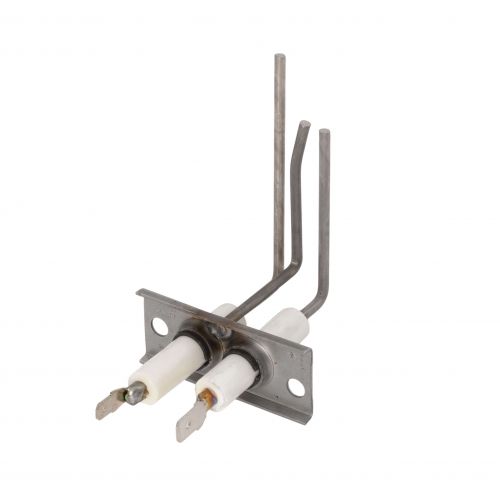
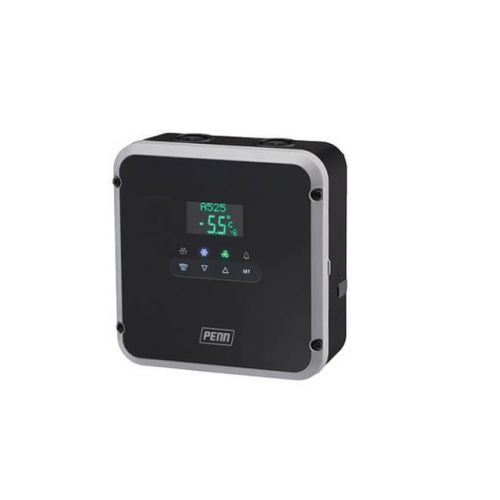
HVAC Control & Sensing Devices Replacement Parts
HVAC control and sensing devices manage and monitor critical system functions to maintain safe and efficient heating and cooling performance. These components interpret signals from thermostats and sensors, activate electrical loads, and ensure proper sequencing of compressors, blowers, and heating elements.
Aquastats are commonly used in boiler and hydronic systems to regulate water temperature and prevent overheating. Humidity controls and humidistats manage indoor moisture levels, improving comfort and protecting equipment from excess condensation. Pilot assemblies assist with controlled ignition in gas-fired systems, ensuring reliable startup and safe burner operation.
Sensors and thermistors monitor temperature changes and send resistance feedback to control boards for precise system adjustments. Temperature controllers keep setpoints stable, thermostats let users manage heating and cooling, thermocouples ensure flame safety, and transducers convert readings into standardized signals for accurate system operation.
When HVAC control and sensing devices malfunction, systems may experience irregular cycling, inaccurate temperature control, ignition failure, or unexpected shutdowns. Replacing defective aquastats, thermostats, thermistors, or transducers restores precise communication between components and ensures dependable system performance.
PartsHnC supplies HVAC control and sensing devices, including temperature controllers, SPDT/DPDT switches, aquastats, thermocouples, thermistors, occupancy sensors, and duct averaging sensors, compatible with leading manufacturers such as Lochinvar & A.O. Smith, Honeywell, Johnson Controls, Trane, with fast shipping available for doorstep delivery.
FAQs
Can a faulty sensor cause my HVAC system to shut down?
Yes. Incorrect readings may trigger safety shutdowns to protect equipment.
What is the correct installation procedure for a strap-on or pipe sensor?
Attach securely using provided clamps, ensure full contact with the pipe surface, insulate if required, and connect wiring to the control board following polarity guidelines.
How should I handle failed solid-state humidity sensors?
Inspect wiring and voltage output first; replace the sensor if it fails to provide stable 2-10VDC signals; recalibrate after installation.
How do I safely fix a faulty sensor or thermistor?
Turn off power, check wiring connections, replace the sensor if resistance readings are out of specification, and ensure proper calibration.
How can I clean sensors and controllers without causing damage?
Use a soft cloth or compressed air; avoid water or harsh chemicals; ensure probes, caps, or electronic contacts are dry before powering on.
How do I test an HVAC control device?
Use a multimeter to verify voltage, continuity, and coil resistance according to manufacturer specifications.