 Loyalty Program

HVAC thermostats regulate indoor temperature by controlling heating and cooling cycles. Replacing outdated or faulty thermostats improves energy efficiency, comfort control, and overall system performance.
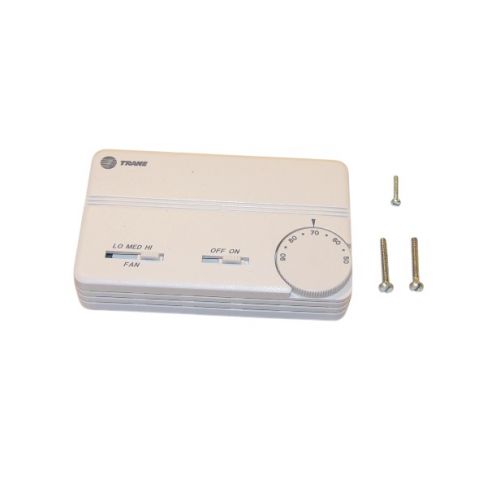 -10%Trane THT2409 On/Off 4-Speed Horizontal Mount Thermostat Switch 24V-277VSpecial Price $284.73 Regular Price $316.05
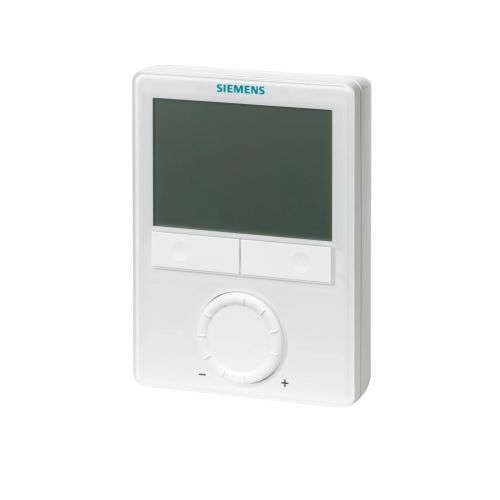 -13%Siemens RDG400 Floating Wall Room Thermostat 24V 0-10 VDCSpecial Price $150.83 Regular Price $173.45
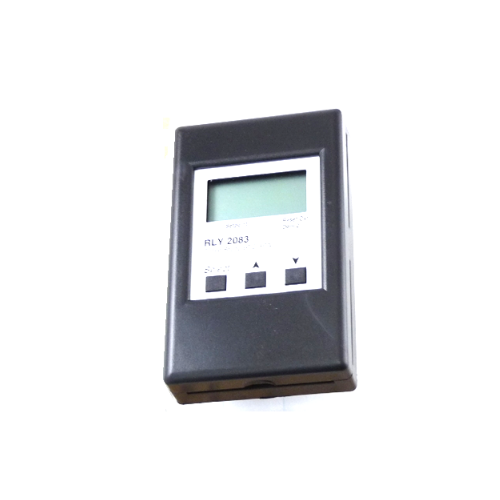 -10%Lochinvar & A.O. Smith 100208492 3-Stage Control ThermostatSpecial Price $601.47 Regular Price $667.63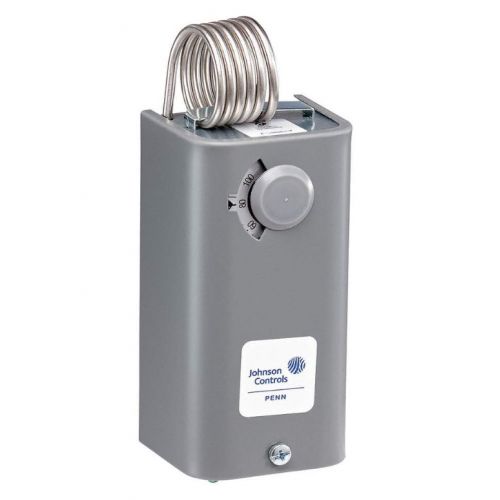
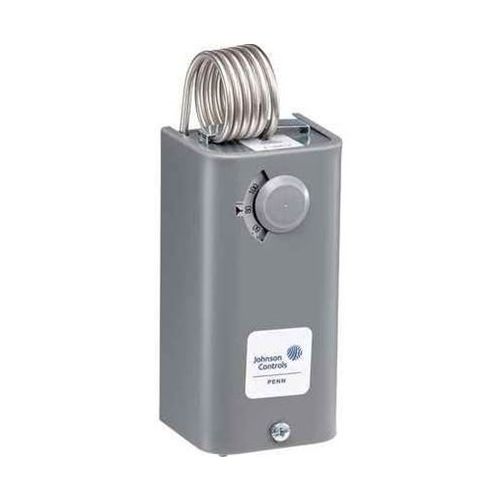
 -13%Johnson Controls A19BBC-2 SPDT Coiled Bulb Thermostat W/Adjustable Differential -30°F to 100°FSpecial Price $161.28 Regular Price $185.47
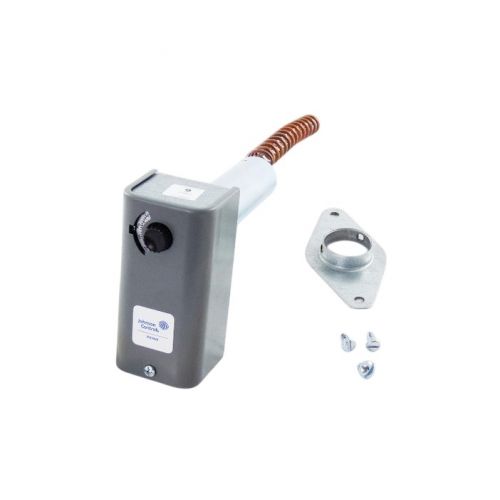
- -13%Johnson Controls A19EAF-2 SPDT Flange Mounted Duct Thermostat 30°F/110°FSpecial Price $177.81 Regular Price $204.49
- -13%Johnson Controls A19BAC-1 SPDT Single-Stage Mechanical Thermostat 30°F-110°F Coiled BulbSpecial Price $162.76 Regular Price $187.17
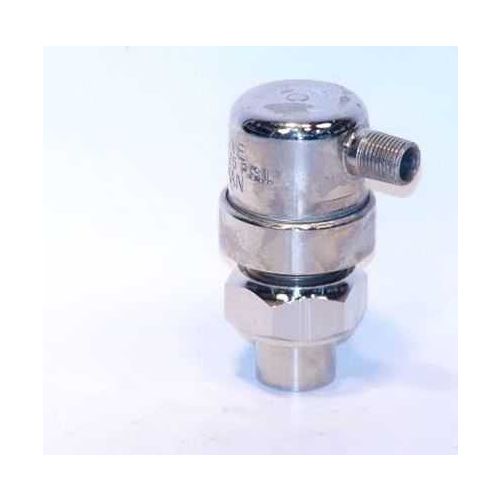
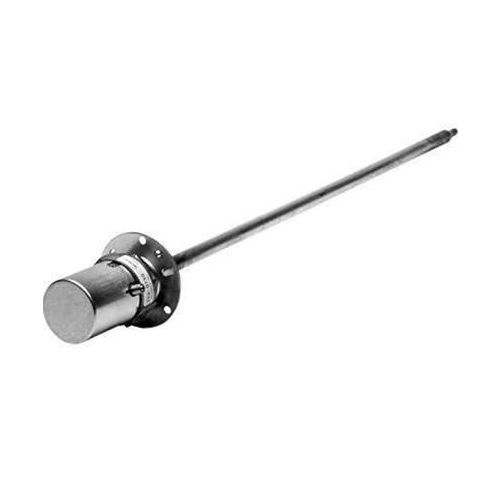
- -10%Siemens Building Technology 356-0750Pneumatic Thermostat Direct Acting Rigid Bulb 30–180°FSpecial Price $356.96 Regular Price $396.22Out of stock
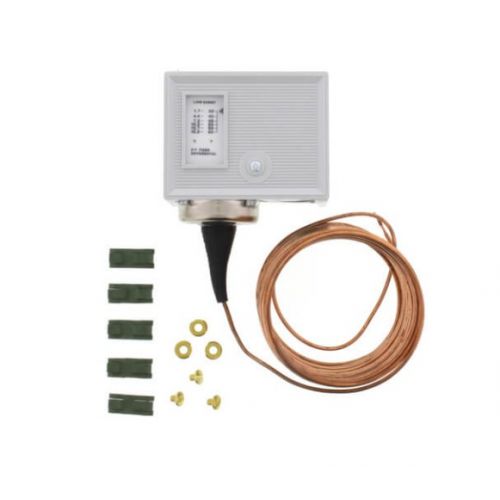
- -10%Schneider Electric (Barber Colman) TC-5241 SPDT Low Temperature M/R Thermostat 35°F-60°F Setpoint Range Switch 20' CapillarySpecial Price $203.50 Regular Price $225.88
- -13%
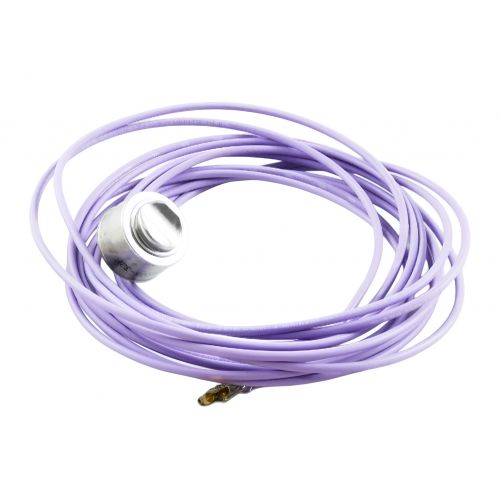
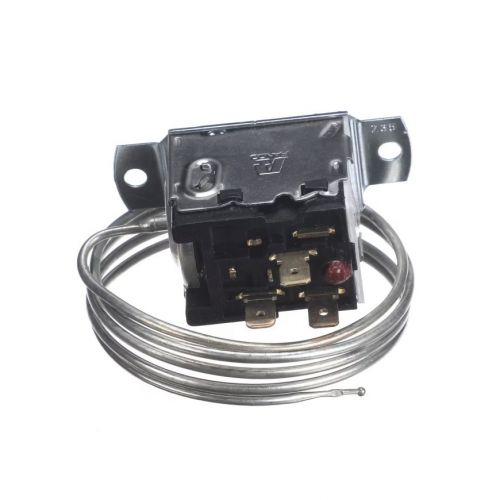
- -13%Daikin-McQuay 4ELN7604 SPDT Thermostat W/Capillary 28°F/48°F 277VSpecial Price $64.18 Regular Price $73.81


HVAC Thermostat Replacement Parts
HVAC thermostats are the primary control interface for managing indoor climate in heating and cooling systems. These devices detect room temperature and signal the furnace, air conditioner, or heat pump to cycle on or off based on user settings. Accurate thermostat operation ensures consistent comfort and optimized energy use. HVAC Thermostats come in various types to suit different HVAC systems and comfort needs. Programmable models allow scheduled temperature changes, while digital thermostats offer precise readings. Non-programmable units provide simple manual control, and advanced thermostats support multi-stage systems, humidity regulation, and improved energy efficiency.
A malfunctioning thermostat can cause short cycling, temperature fluctuations, delayed startup, or continuous system operation. Incorrect calibration or wiring issues may reduce efficiency and increase utility costs. Replacing a faulty thermostat restores proper communication between system components and maintains stable indoor comfort.
PartsHnC offers HVAC thermostat replacement parts, including SPST thermostats, 3-speed fan coil thermostats(120V–240V), room heating thermostats, electric thermostat kits, 2-pipe direct-acting thermostats, 2-setpoint pneumatic thermostats, and more from top brands like Trane, Honeywell, Johnson Controls, and Rheem with fast shipping directly to your doorstep.
FAQs
How do I know if my thermostat needs replacement?
If it gives inaccurate readings, fails to switch HVAC on/off, or the display malfunctions. Older or corroded units often require replacement for reliable performance.
Can SPST or DPST thermostats fail over time?
Yes, SPST and DPST thermostats may wear out due to burned contacts, loose wiring, or mechanical jams. Replacement is recommended if contacts are pitted or switching fails.
How do I maintain pneumatic or coiled-bulb thermostats?
Inspect capillary tubes and coiled bulbs for kinks, leaks, or dust. Ensure mechanical linkages move freely; replace damaged parts as needed.
How do I clean wall-mounted temperature sensors?
Turn off the system before cleaning and gently wipe the sensor with a dry cloth. Avoid water or liquids that can damage electronics or sensing elements.
How do I adjust the temperature differential on a mechanical thermostat?
Use the differential adjustment screw, typically located under the cover or near the sensor. Turn slowly and test until the system cycles correctly.
How do I test a pneumatic thermostat for leaks?
Apply soapy water along tubing and joints and watch for bubbles indicating air leaks. Replace damaged tubing or diaphragms to restore proper function.