 Loyalty Program

Dampers and actuators in HVAC control and regulate airflow, ensuring balanced air distribution, energy efficiency, and optimal comfort. Actuators adjust dampers automatically, enhancing system performance and indoor air quality in any space.
 -23%
-23%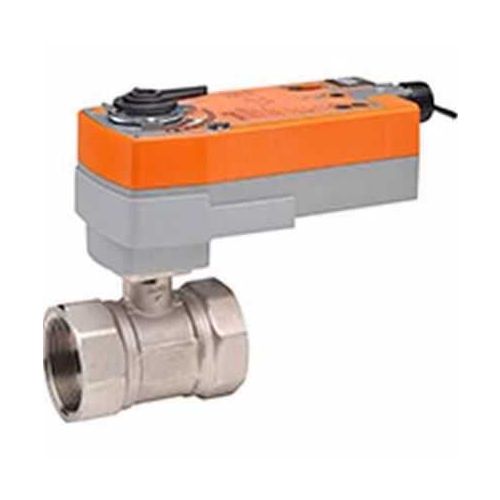 -10%Belimo AFRBUP 2-Position Control Valve Actuator Spring Return 24-240V 180 in-lbSpecial Price $480.83 Regular Price $533.72
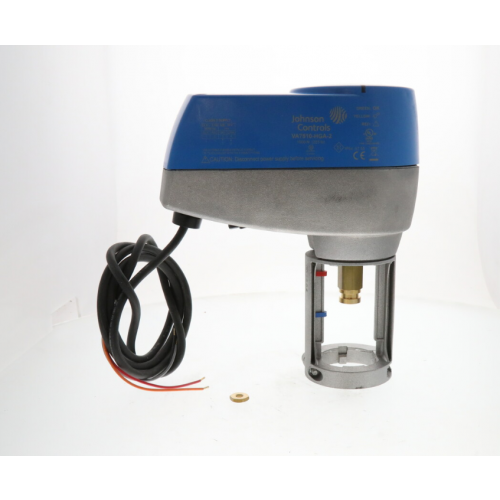 -10%Johnson Controls VA7810-HGA-2 Non-Spring Return Electric Valve Actuator 24V 0-10 VDCSpecial Price $541.59 Regular Price $601.17
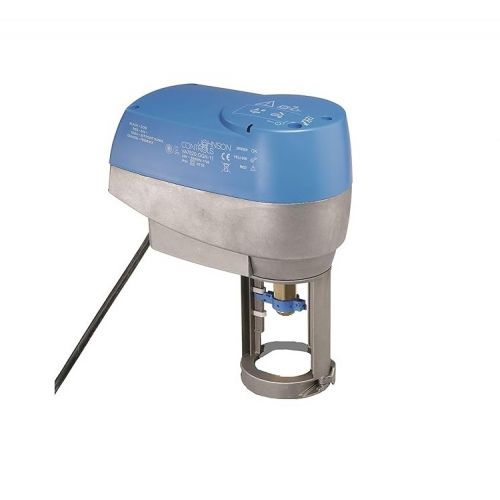 -10%Johnson Controls VA7820-HGC-2 2-Switch Electric Valve Actuator Spring Return Proportional 0–10VDC 24VSpecial Price $831.53 Regular Price $923.00
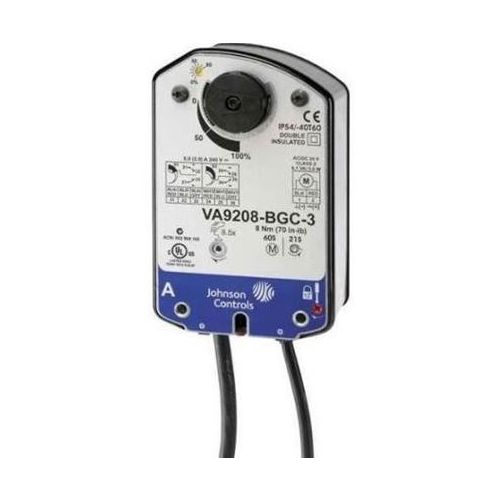 -10%Johnson Controls VA9208-GGC-3 S/R Ball Valve Actuator Proportional Auxiliary 2-Switch 24V 150 SecSpecial Price $330.32 Regular Price $366.66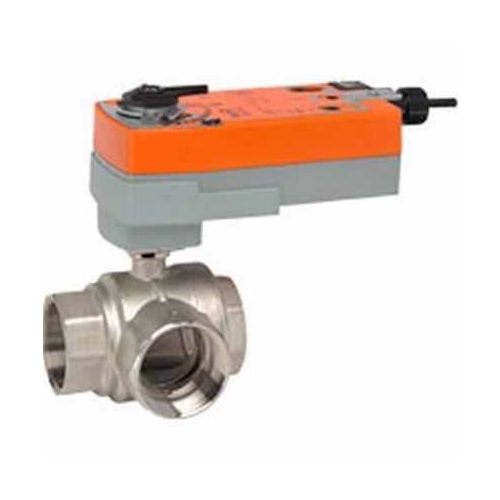
 -10%
-10%- -10%Belimo TFRB24-3-S S/R Control Valve Actuator 22 in-lb 24V On/OffSpecial Price $336.25 Regular Price $373.24Out of stock
- -10%Belimo TFRB24-3 S/R Valve Actuator 22 In-lb On/Off Floating Point 24VSpecial Price $290.12 Regular Price $322.03
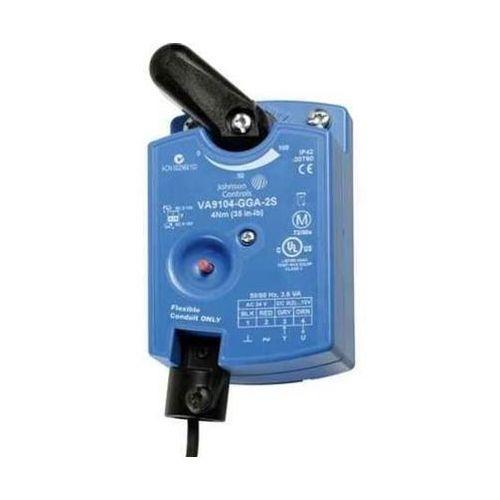
- -13%Johnson Controls VA9104-IGA-2S Ball Valve Actuator +25%/-20% 50/60Hz 24VSpecial Price $151.15 Regular Price $173.82
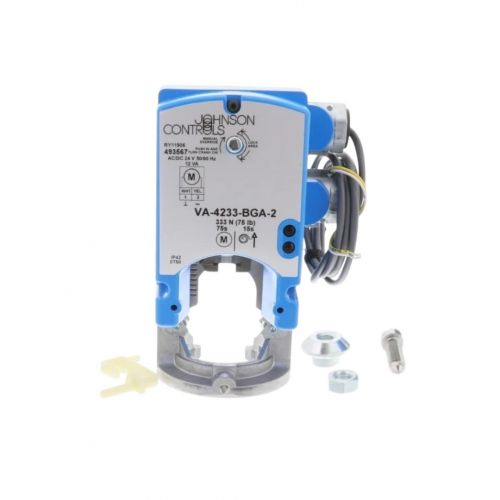
- -10%Johnson Controls VA-4233-BGA-2 Electric Valve Actuators Stroke 24V 2-Position 75lb 1/2" StrokeSpecial Price $357.87 Regular Price $397.23Out of stock
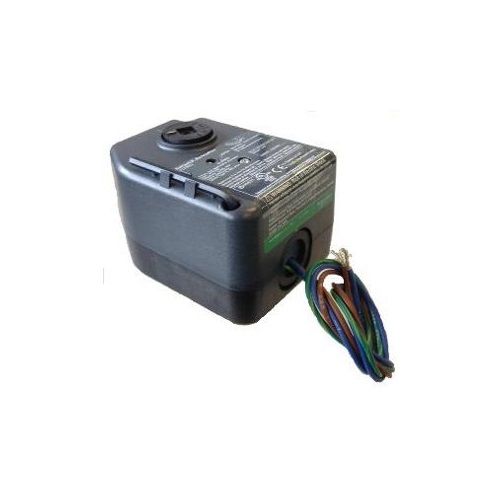
- -10%Schneider Electric (Barber Colman) M220A01 2-Position SR N/C Actuator W/10'Cable 24VSpecial Price $225.59 Regular Price $250.41
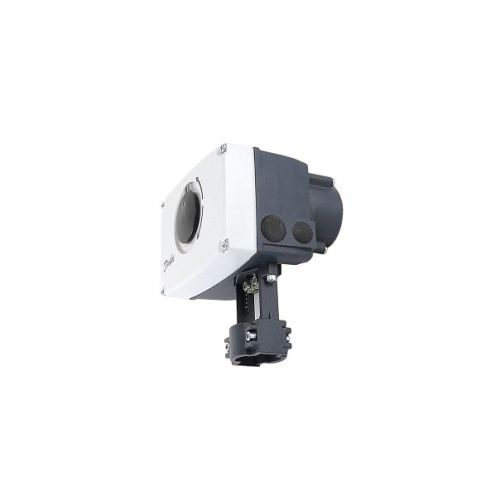
- -10%Danfoss 082H3038 Valve Actuator 24V 3-Point/Modulating Control 0-10V AME25SDSpecial Price $805.09 Regular Price $893.65Out of stock

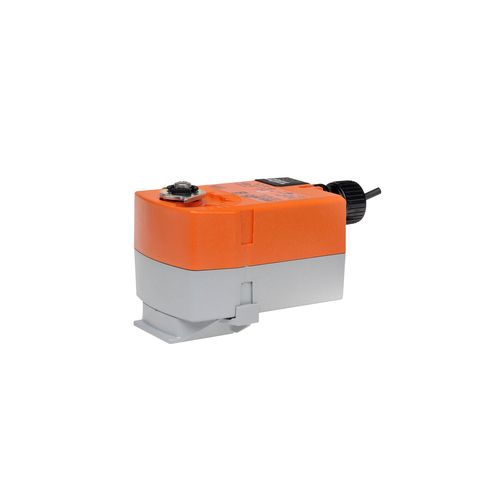
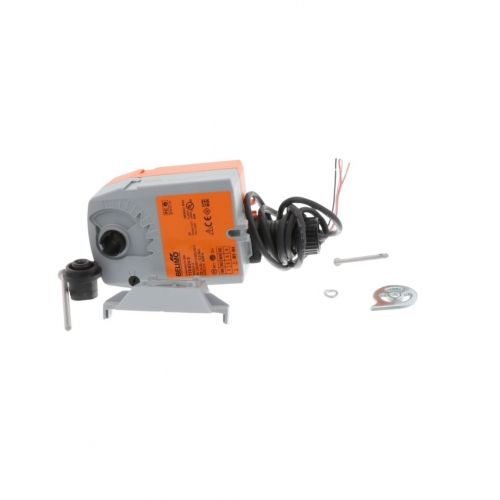
HVAC Dampers and Actuators Replacement Parts
Dampers and actuators are essential components in modern HVAC systems, playing a critical role in regulating airflow and maintaining indoor comfort. They control the volume of air delivered to different zones, ensuring energy efficiency and optimal temperature distribution.
Damper and actuator parts, including parallel blade dampers, round dampers, and pneumatic valve actuators, are used in residential and commercial heating, cooling, and ventilation systems. They control airflow, regulate air distribution, and manage fluid movement efficiently, ensuring proper system performance and comfort.
Common failures include jammed or leaking dampers, unresponsive or noisy actuators, and misalignment, causing improper airflow. Regular inspection, calibration, and timely replacement of worn or faulty units prevent system inefficiency and maintain comfort.
PartsHnC offers a full range of dampers and actuator parts, including parallel blade and louver dampers, round dampers, modulating round dampers, pneumatic valve actuators, and linear actuators, from top brands like Belimo, Siemens, and Johnson Controls, with fast same-day shipping to keep your airflow systems running efficiently.
FAQs
Can I replace just the actuator motor, or do I need the full unit?
Most actuators are sold as complete units, including the motor, gearbox, and sensors. Replacing the entire actuator ensures proper torque, alignment, and accurate feedback, which is critical for precise airflow.
What should I check before installing a new actuator?
Confirm voltage compatibility, torque rating, and clear damper movement. Ensure crank arm and linkage are aligned and unobstructed.
Can I upgrade a pneumatic actuator to an electric actuator?
Yes, but confirm torque, mounting, and control compatibility. Ensure wiring and voltage match the electric actuator requirements.
How do I know if my actuator needs replacement?
Check for unresponsive movement, sticking, or unusual noise during operation. System alarms or incorrect damper positions also indicate it may need replacement.
How do I identify the correct damper type for my system?
Check the system design—VAV, AHU, or zone control and damper size. Select parallel blade, louver, or multi-blade dampers based on airflow needs.
Why is it important to match actuator speed to damper size?
Too fast or too slow movement can cause mechanical stress or noisy operation. Matching speed ensures smooth, precise airflow control and longer part life.