 Loyalty Program

HVAC control panels centralize system management, allowing precise control of heating, cooling, and safety operations. Replacing faulty panels ensures dependable and efficient equipment performance.
 -10%
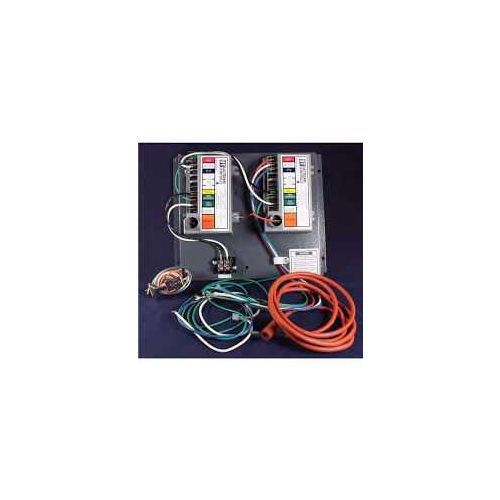
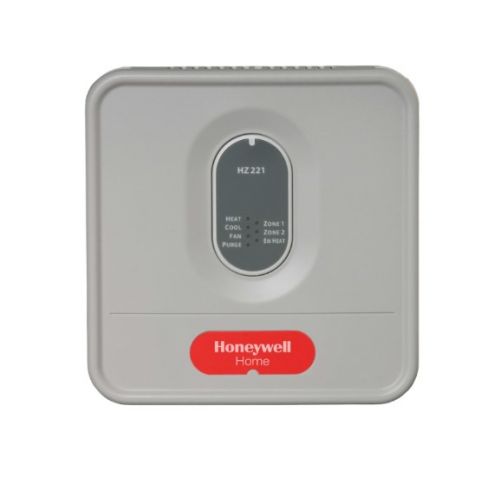
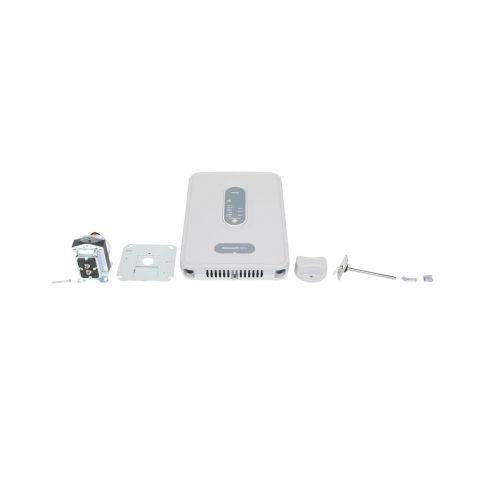
-10%- -13%Resideo HZ221 Panel for 1-Stage Heat Pump W/Auxiliary Heat, 2 Zone 24VSpecial Price $181.76 Regular Price $209.02
- -10%
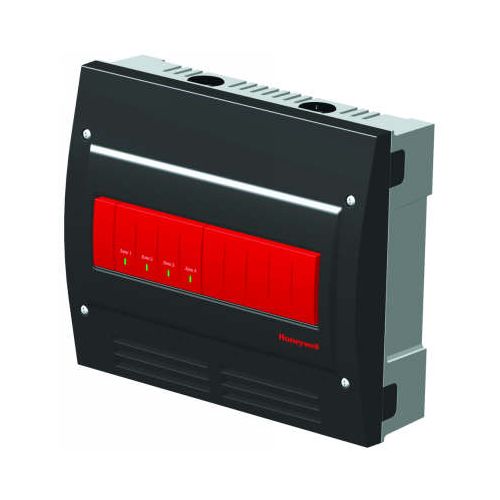
- -10%Resideo AQ25542B Aquatrol Zoning Panel Controls 4 Zones of PumpsSpecial Price $249.56 Regular Price $277.01
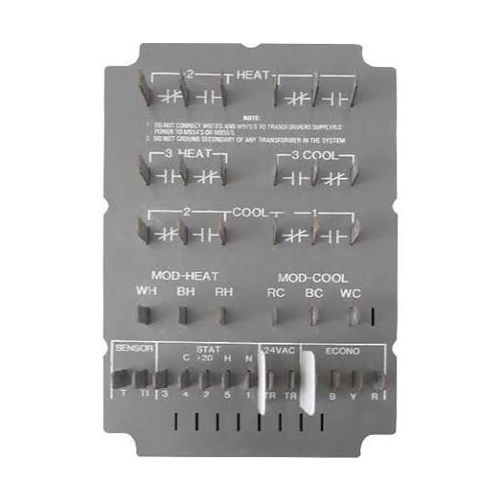

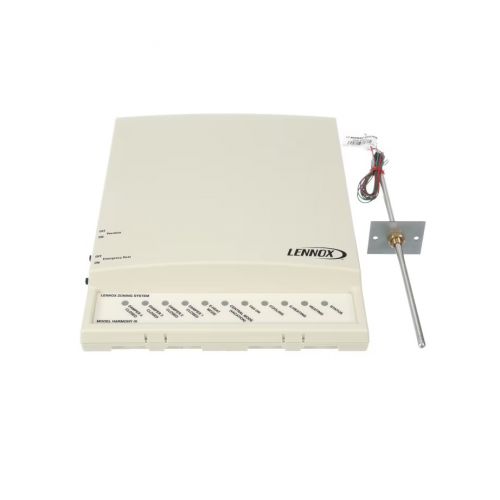
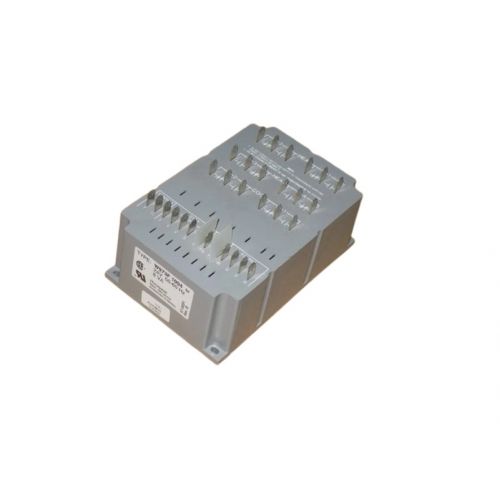
HVAC Control Panel Replacement Parts
HVAC control panels are the central interface for managing heating and cooling systems. They combine switches, displays, and control logic to regulate temperature, staging, and timing. Well-functioning panels enhance system coordination, energy efficiency, and overall reliability, ensuring optimal performance.
Furnace control panels manage ignition sequences, blower timing, and safety lockouts to ensure stable and efficient heating performance. AC control panels coordinate compressor staging, condenser fan operation, and cooling cycles to maintain consistent indoor temperature and reliable system response during peak demand periods.
Chiller control panels handle advanced temperature regulation and continuous system monitoring in larger commercial applications. Stage heating and cooling logic panels optimize multi-stage performance, while keypad switches and complete control panel assemblies simplify diagnostics, adjustments, and overall HVAC system management.
Common signs of a failing control panel include unresponsive buttons, display errors, inconsistent staging, or system shutdowns. Electrical surges, worn circuitry, or environmental exposure can lead to panel malfunction. Prompt HVAC control panel replacement prevents downtime and protects system components.
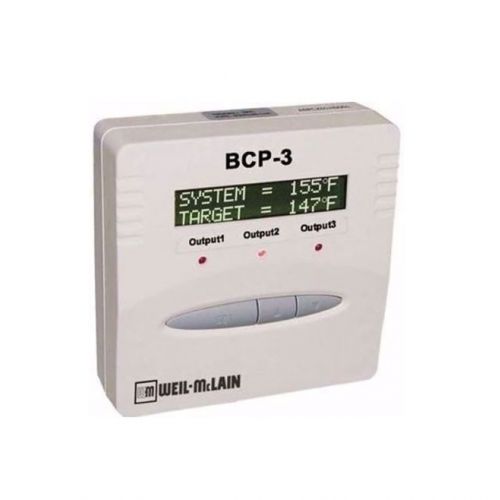
PartsHnC provides premium HVAC control panels and related parts, including control panels, control modules, relays, transformers, DSI modules, coresense modules, defrost modules, and expansion/interface modules, compatible with top brands like Bard, Modine, Laars, Siemens, and Weil-McLain, with fast shipping.
FAQs
How do I know which control module my system needs?
You typically match the module type to your system’s brand and model specifications. Manufacturer documentation or a qualified HVAC technician can confirm exact compatibility.
Can a faulty control panel cause system failures?
Yes. A malfunctioning control panel or module can lead to system shutdowns, incorrect cycling, ignition or blower problems, and safety lockouts.
How are control modules installed?
Installation involves placing the module in the designated control compartment, connecting wiring harnesses, and ensuring proper grounding usually done by a trained HVAC technician.
How can I diagnose a bad control module?
Symptoms include no startup, error codes, system cycling issues, or component failures. Diagnostics may involve checking for error codes, testing voltage signals, and inspecting wiring.
Can I replace a control module myself?
Replacing a module generally requires HVAC knowledge and safety precautions. It’s recommended to have it done by a licensed technician to avoid damage or safety risks.