 Loyalty Program

Centrifugal pumps move water and fluids through HVAC systems, chillers, boilers, and cooling towers. Rotating impellers maintain steady pressure and flow, helping systems deliver efficient heat transfer in heating, cooling and refrigeration systems.
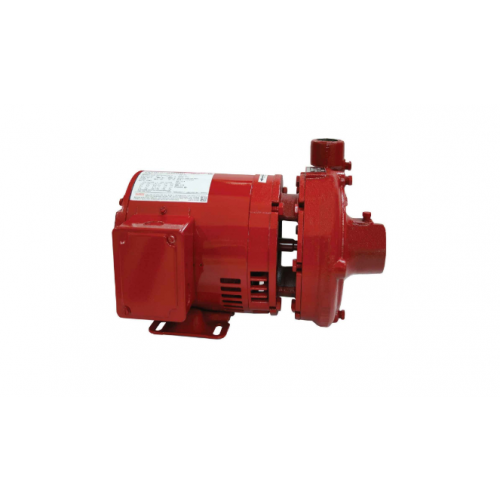 -10%Xylem-Bell & Gossett 168309LF 2HP Centrifugal Pump 1.00AAC 115-230V/1PH E-1535Special Price $1,961.79 Regular Price $2,177.59Out of stock
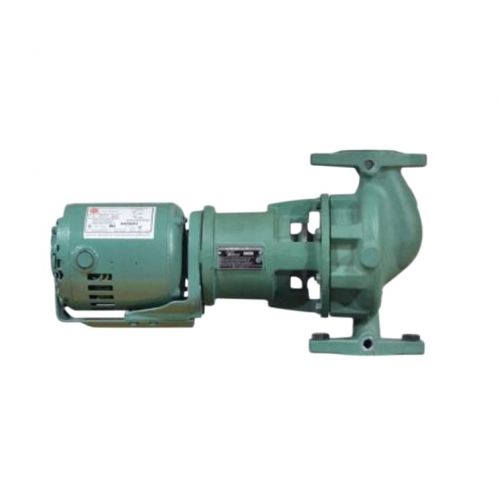 -10%Taco 1615C3N2-3PH 3/4HP Centrifugal Pump 6.35” Impeller 208-230/460V/3PHSpecial Price $2,490.15 Regular Price $2,764.07Out of stock
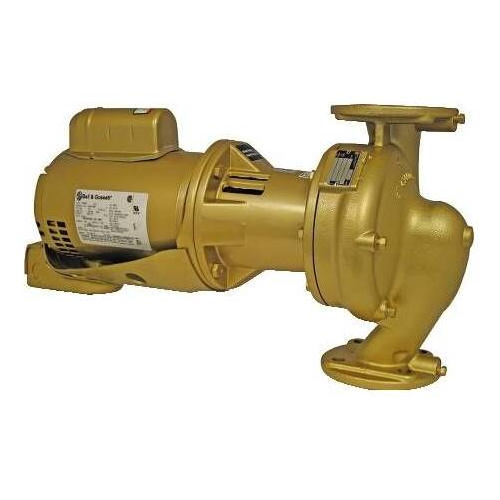 -10%Xylem-Bell & Gossett 1EF018LF 1/4HP Centrifugal Pump 115/230V 1PH 4.38" ImpellerSpecial Price $3,795.12 Regular Price $4,212.58
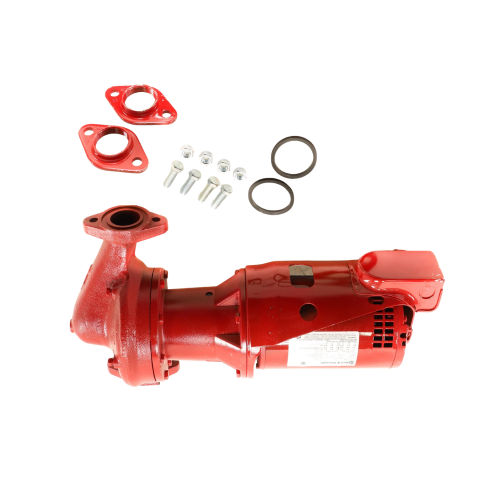 -10%Xylem-Bell & Gossett 1EF048LF 3/4HP Centrifugal Pump 208-230V/460V 3PH 5.25" ImpellerSpecial Price $2,711.56 Regular Price $3,009.83
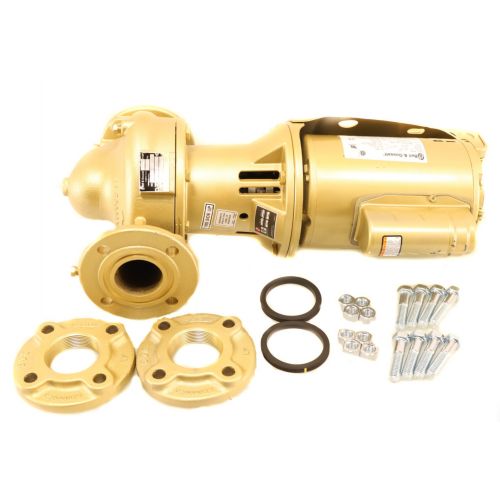
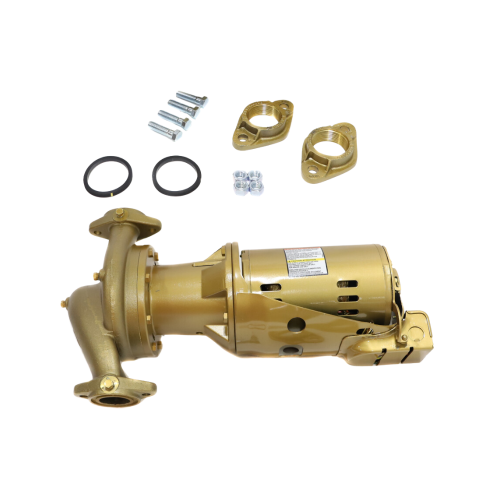 -10%Xylem-Bell & Gossett 1EF051LF 3/4HP Bronze Centrifugal Pump 5.25" Impeller 208-230V/460V, 3PHSpecial Price $4,550.99 Regular Price $5,051.60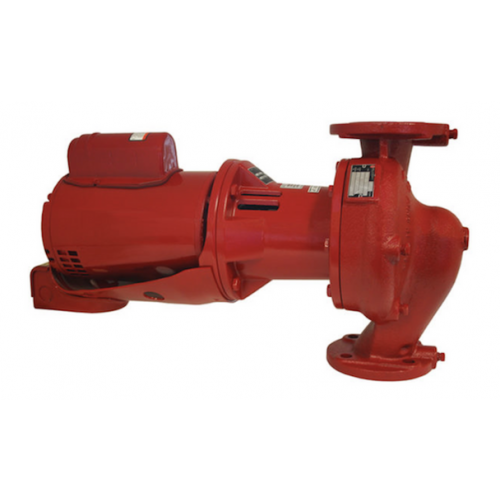
 -10%Xylem-Bell & Gossett 1EF065LF 1/2HP Centrifugal Pump 4.88" Impeller 208-230V/460V 3PHSpecial Price $6,120.73 Regular Price $6,794.01
- -10%Xylem-Bell & Gossett 1EF069LF 1HP In-Line Centrifugal Pump 208-230V/460V 3PH 6" ImpellerSpecial Price $4,045.02 Regular Price $4,489.97
- -10%Xylem-Goulds Pumps 2BF10512 1/2HP Bronze Centrifugal Pump 3-1/8" DIA 1PHSpecial Price $1,312.64 Regular Price $1,457.03Out of stock
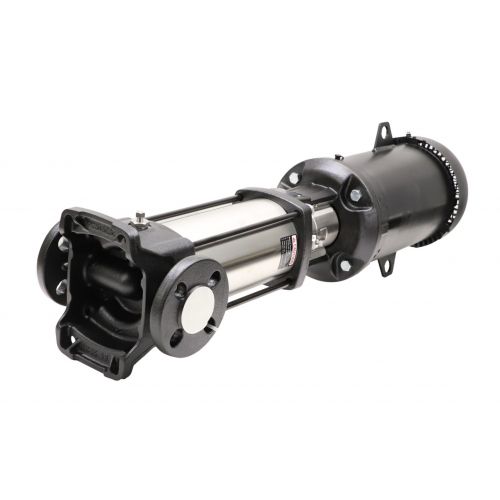
- -10%Grundfos 99916789 5HP Vertical Multistage Centrifugal Pump 230-460V/3PH CR5-11Special Price $4,612.24 Regular Price $5,119.58Out of stock
- -10%Xylem-Bell & Gossett 1EF029LF 3/4HP Inline Centrifugal Pump 115V/230V 1PH 4.75" ImpellerSpecial Price $4,812.89 Regular Price $5,342.31
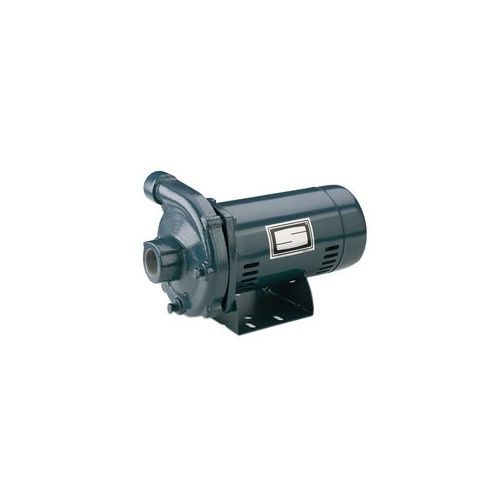
- -10%Sta-Rite Pumps JHE-63HL 1HP Centrifugal Pump 115-230V/1PH 60HzSpecial Price $1,460.31 Regular Price $1,620.94Out of stock
- -10%Taco 1634C3E2-1PH 1HP 2" Flange Centrifugal Pump 115-230V/1PH 6.15" ImpellerSpecial Price $2,770.20 Regular Price $3,074.92Out of stock

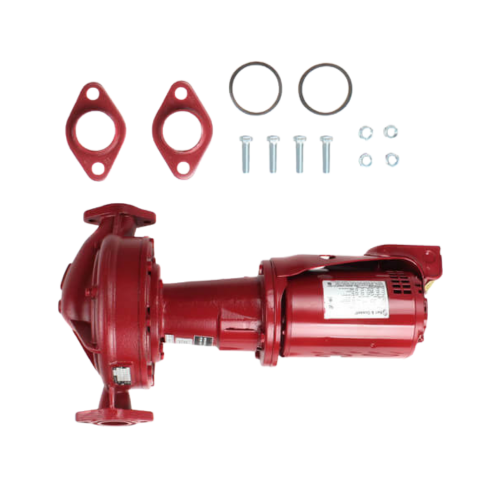
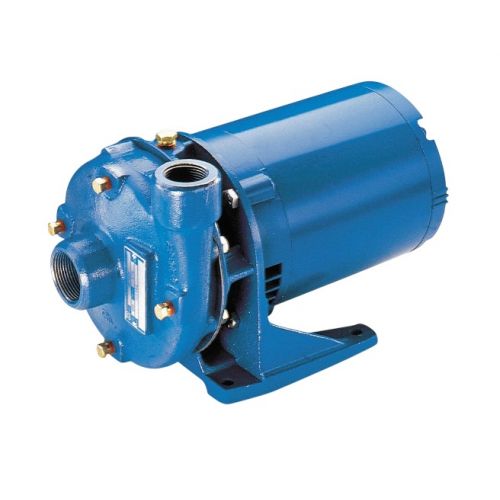
HVAC Centrifugal Pumps for Water Circulation
Centrifugal pumps are widely used in HVAC systems to move water and other fluids through piping networks, chillers, boilers, and cooling towers. Rotating impellers convert mechanical energy into fluid motion, maintaining steady flow and pressure for efficient heat transfer and stable heating or cooling system performance.
Bronze centrifugal pumps provide corrosion resistance for long-term water circulation reliability. Flange centrifugal pumps ensure secure pipe connections in high-flow installations. Internal components such as centrifugal pump impellers create rotational force that moves fluids efficiently through HVAC piping networks and system distribution loops.
Centrifugal pumps support HVAC systems by maintaining steady water circulation. Inline pumps save space and ease maintenance, while vertical multistage pumps provide higher pressure for large commercial systems, ensuring efficient heating and cooling throughout buildings.
Common signs of centrifugal pump issues include unusual noise, vibration, reduced water flow, overheating, or seal leakage. These problems may indicate worn impellers, damaged bearings, clogged passages, or seal failure. Regular inspection and timely replacement help maintain proper water circulation and HVAC system efficiency.
PartsHnC supplies centrifugal pump components, including vertical multistage pumps, bronze centrifugal pumps, flange pumps, centrifugal pump impellers, pump shafts, mechanical seals, pump bearings, and pump housings, compatible with brands like Carrier, Trane, Grundfos, Wilo, and Armstrong, with fast shipping to your doorstep.
FAQs
How do I repair a leaking centrifugal pump in an HVAC system?
Inspect the mechanical seal, gaskets, and O-rings for wear or damage. Replace faulty seals or tighten connections to stop leakage and restore proper pump operation.
How can I test a centrifugal pump in an HVAC system?
Technicians check inlet and outlet pressure, motor amperage, and flow performance. Unusual noise, vibration, or low pressure may indicate internal pump issues.
How can I replace a centrifugal pump impeller?
Turn off power, isolate the pump from the piping system, and remove the pump casing. Install the new impeller and reassemble the pump before restoring system operation.
Why does a centrifugal pump lose pressure or flow?
Common causes include worn impellers, clogged piping, air trapped in the pump, or seal failure. Regular inspection and maintenance help prevent pump performance issues.
How can I fix a centrifugal pump that is not circulating water properly?
Check for clogged impellers, blocked suction lines, or trapped air inside the pump. Cleaning the impeller and removing air locks can restore normal water circulation.