Loyalty Program

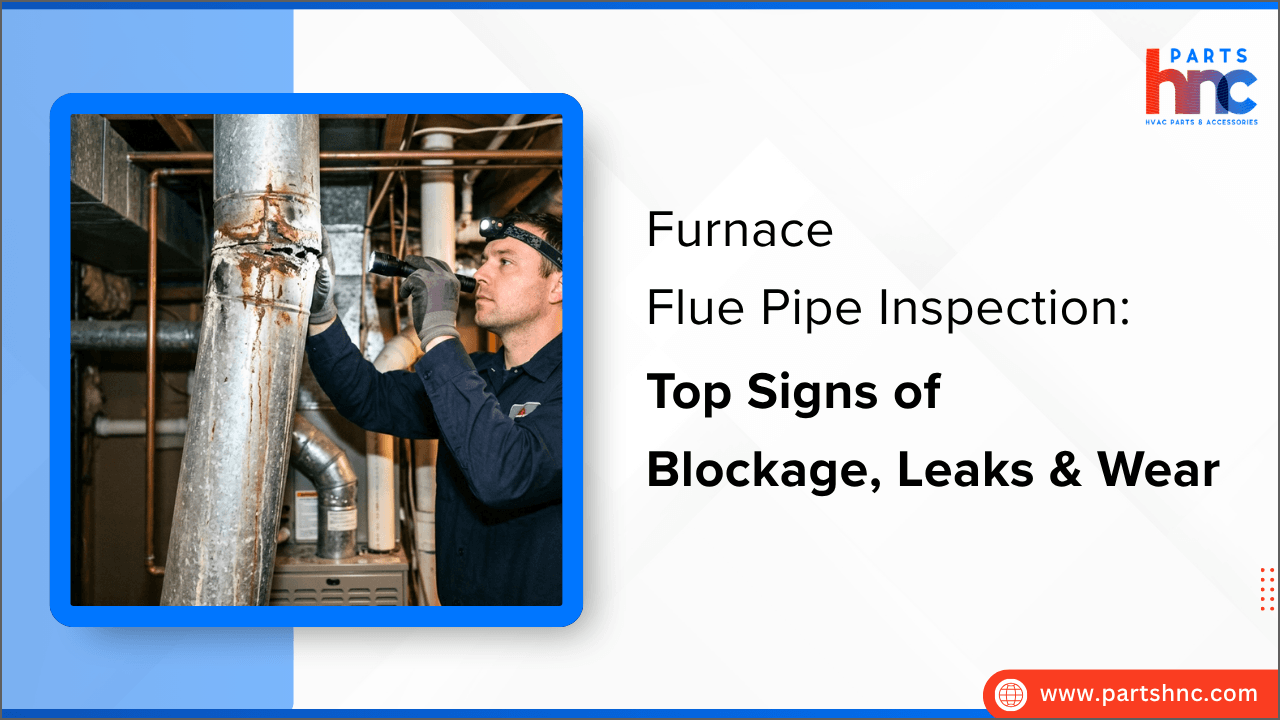
A furnace flue pipe is essential for safely directing combustion gases out of your home. When it becomes blocked, starts leaking, or shows signs of wear, it can quickly compromise both system performance and household safety. Over 60–70% of flue-related issues go unnoticed until they escalate into costly repairs or serious hazards like carbon monoxide buildup.
This guide highlights key warning signs to watch for during a furnace flue pipe inspection. Understanding these indicators helps you act early, improve efficiency, and keep your heating system operating safely, making regular inspection an important part of home maintenance.
Table of Contents:Why Furnace Flue Pipe Inspection Is Critical for Safety and EfficiencyTop Signs of Furnace Flue Pipe Blockage You Shouldn’t IgnoreCommon Signs of Furnace Flue Pipe Leaks and DamageHow to Inspect Furnace Flue Pipe for Wear and Tear
Why Furnace Flue Pipe Inspection Is Critical for Safety and Efficiency
Flue pipe issues are often hidden inside walls...
 What if buildings could heat and cool themselves using reversible chemistry instead of electricity-hungry systems? Hydrogen/metal hydride heat pump technology is making this concept increasingly practical. Metal alloys absorb and release hydrogen, acting like silent thermal batteries that store and transfer heat efficiently without compressors or noisy mechanical parts. According to a market report by IEA, buildings account for about 30% of global final energy use and a significant share of energy-related emissions when construction and operation are combined, underscoring the importance of improving heating and cooling efficiency. This approach could redefine building performance by shifting it toward material-driven heat transfer. Instead of energy-intensive HVAC systems, hydrogen-based solutions offer a low-carbon alternative that improves comfort while reducing waste and supporting more sustainable buildings. Table of Contents:What is a Hydrogen/Metal Hydride Heat Pump and How Does...Read morePosted: April 27, 2026
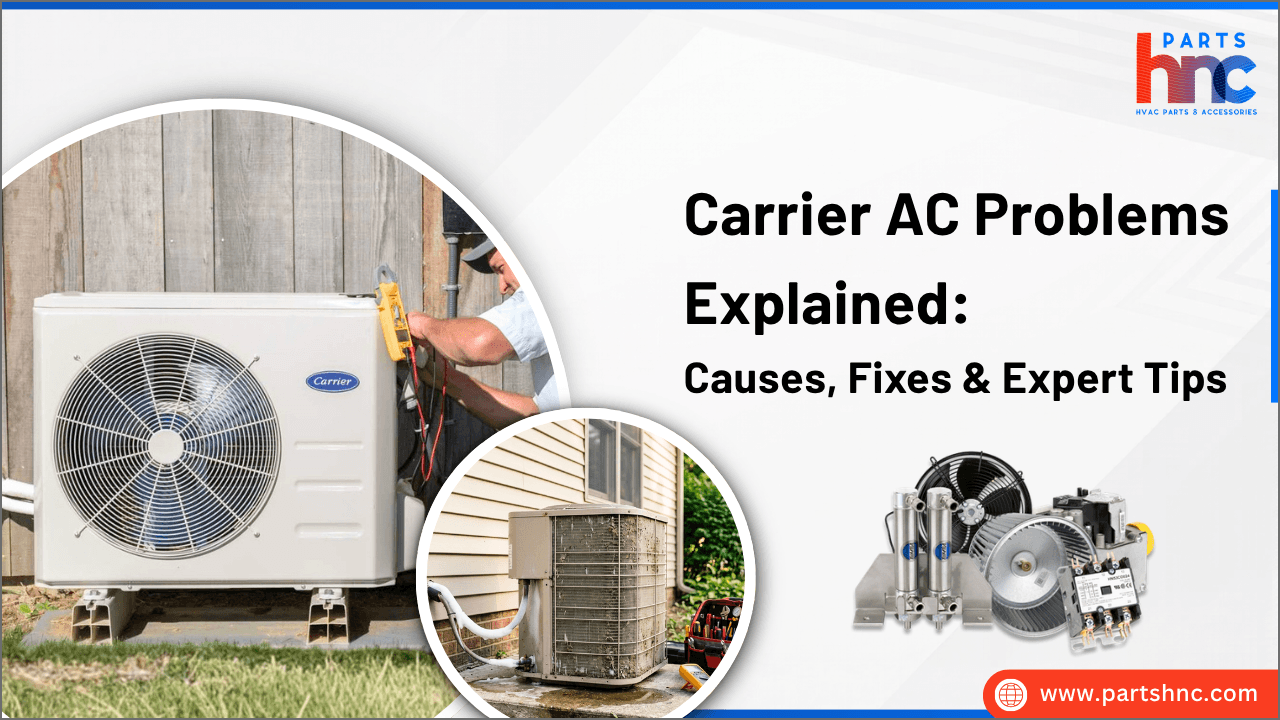 Is your Carrier AC not cooling properly or making unusual noises at the worst possible time? You’re not alone. Even reliable brands like Carrier can develop issues over time, especially during heavy summer usage and continuous operation. Industry HVAC maintenance data shows that many cooling problems are linked to dirty air filters and restricted airflow, making it one of the most common causes of AC performance issues. In this guide, we will explore common Carrier AC problems, their causes, and simple troubleshooting steps. Most issues, such as clogged filters, low refrigerant, or electrical faults, are easy to understand and often preventable with regular maintenance and timely servicing Table of Contents:How Carrier AC Systems Work & Why Problems OccurMost Common Carrier AC ProblemsCarrier AC Troubleshooting ChecklistExpert Maintenance Tips to Prevent Carrier AC Issues How Carrier AC Systems Work & Why Problems Occur Carrier AC systems operate by circulating refrigerant through a continuous...Read morePosted: April 20, 2026
 In recent years, MRCOOL DIY heat pumps have become a popular choice for homeowners seeking efficient and budget-friendly climate control. As energy prices continue to rise, more people are turning to systems that offer strong performance and energy savings without complicated installation or high labor costs. What sets MRCOOL apart is its easy DIY installation and reliable year-round performance, helping reduce the hassle of traditional HVAC setups. These systems deliver heating and cooling with minimal effort, making them a practical option for modern homes. In this article, we’ll explore how they work, why they are gaining popularity in 2026, and their key benefits and limitations. Table of Contents:What is MRCOOL DIY Heat Pump & How Does it Work?Why MRCOOL DIY Heat Pumps Are Gaining Popularity in 2026Top 9 Benefits of MRCOOL DIY Heat Pumps You Should Know Before BuyingImportant Factors to Consider Before Buying a DIY Heat Pump What is MRCOOL DIY Heat Pump & How Does it Work? The MRCOOL...Read morePosted: April 20, 2026
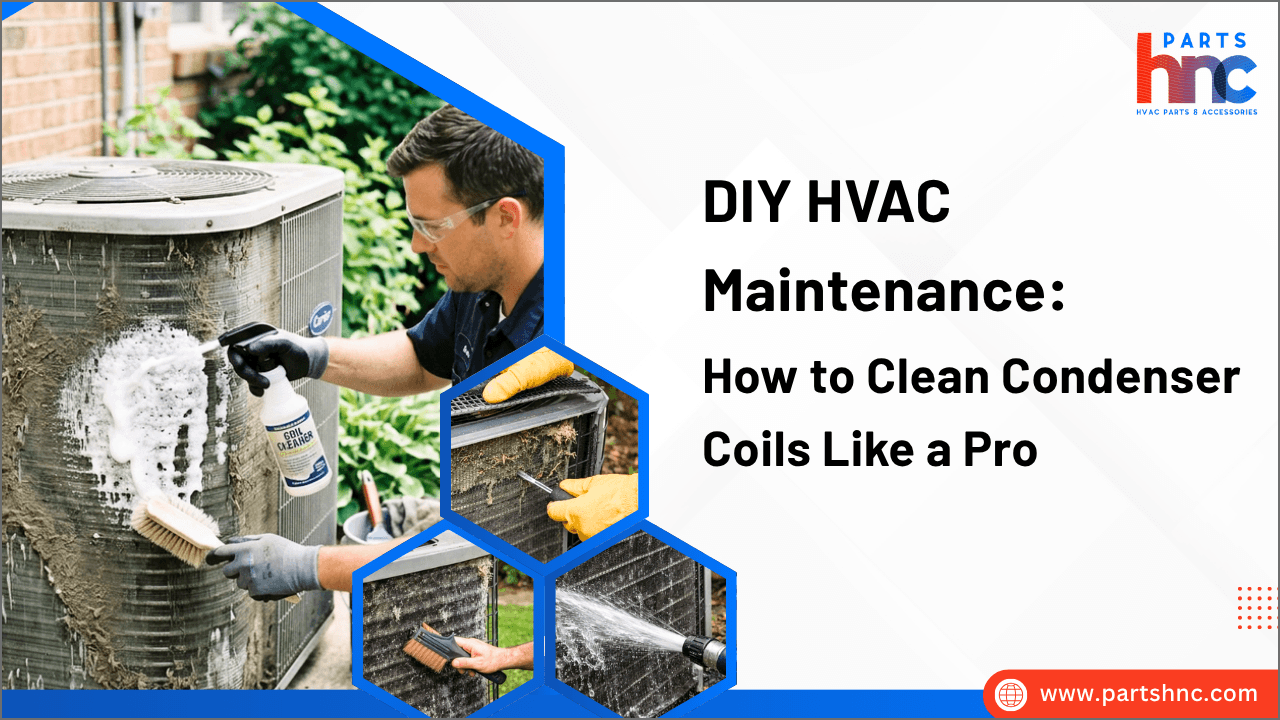 Is your HVAC system working harder than it should, driving up energy bills by nearly 30% because of dirty condenser coils? This is a common issue homeowners often overlook, but it significantly reduces cooling efficiency over time. Yet it is easy to fix with DIY. Cleaning condenser coils may sound technical, but it is simple with basic tools and a few careful steps. Doing it yourself can improve HVAC performance, extend system life, and reduce energy consumption, helping you maintain comfort at home without expensive service calls very quickly and easily. Table of Contents:Understanding HVAC Condenser Coils and the Importance of Regular CleaningSigns Your HVAC Condenser Coil Needs Immediate CleaningHow to Clean HVAC Condenser Coils at Home: A Step-by-Step DIY ProcessCommon DIY HVAC Condenser Coil Maintenance Mistakes to Avoid Understanding HVAC Condenser Coils and the Importance of Regular Cleaning Condenser coils help your HVAC system release heat and keep indoor spaces cool. Keeping them...Read morePosted: April 13, 2026
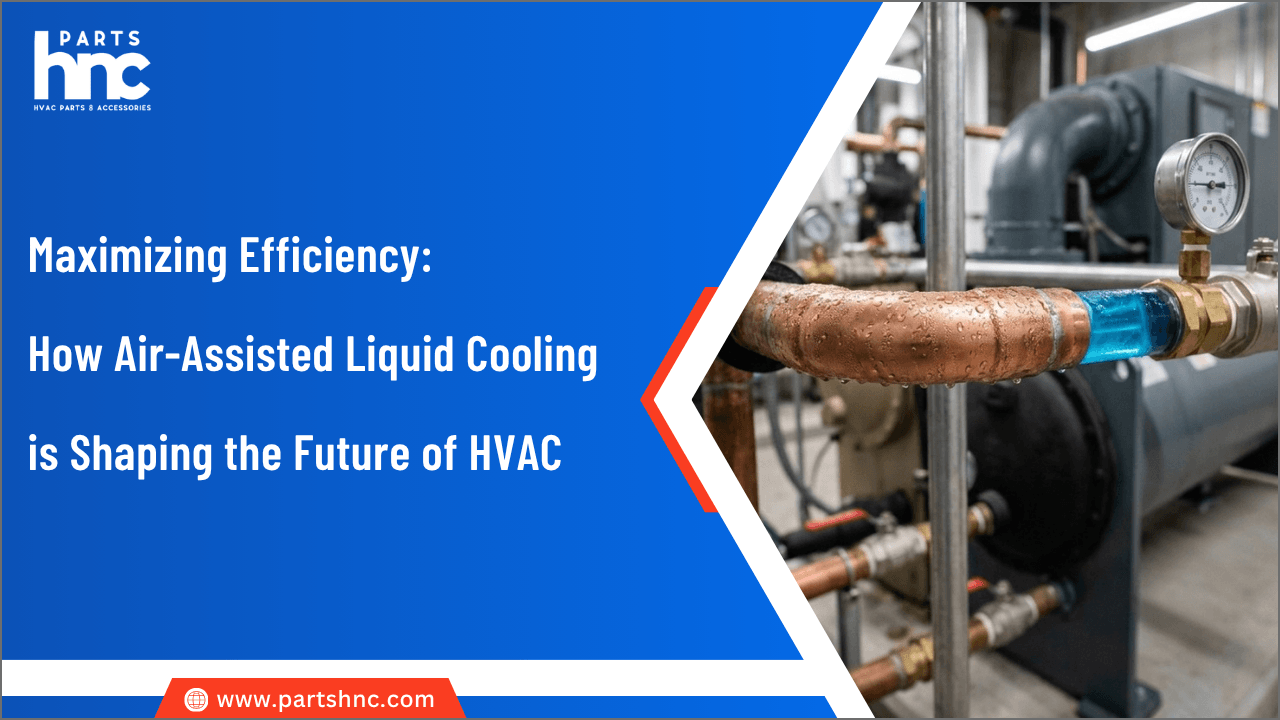 The HVAC industry is undergoing one of its most significant transformations in decades. Driven by rapid digitalization, artificial intelligence (AI), high-performance computing (HPC), and expanding data center infrastructure, traditional air-based cooling systems are being pushed to their operational limits. As heat loads increase and rack densities rise beyond 20–50 kW per rack, conventional HVAC systems struggle to maintain efficiency, reliability, and sustainability. This is where air-assisted liquid cooling (AALC) emerges as a hybrid innovation—bridging the gap between legacy air cooling and advanced liquid thermal management. In this article, we take a closer look at air-assisted liquid cooling, its working principles, and how it addresses the growing challenges faced by modern HVAC systems in data centers and high-performance computing facilities. Table of Contents:Understanding Air-Assisted Liquid Cooling in HVAC SystemsWhy Traditional HVAC Systems Are Reaching Their LimitsHow Air-Assisted...Read morePosted: April 13, 2026
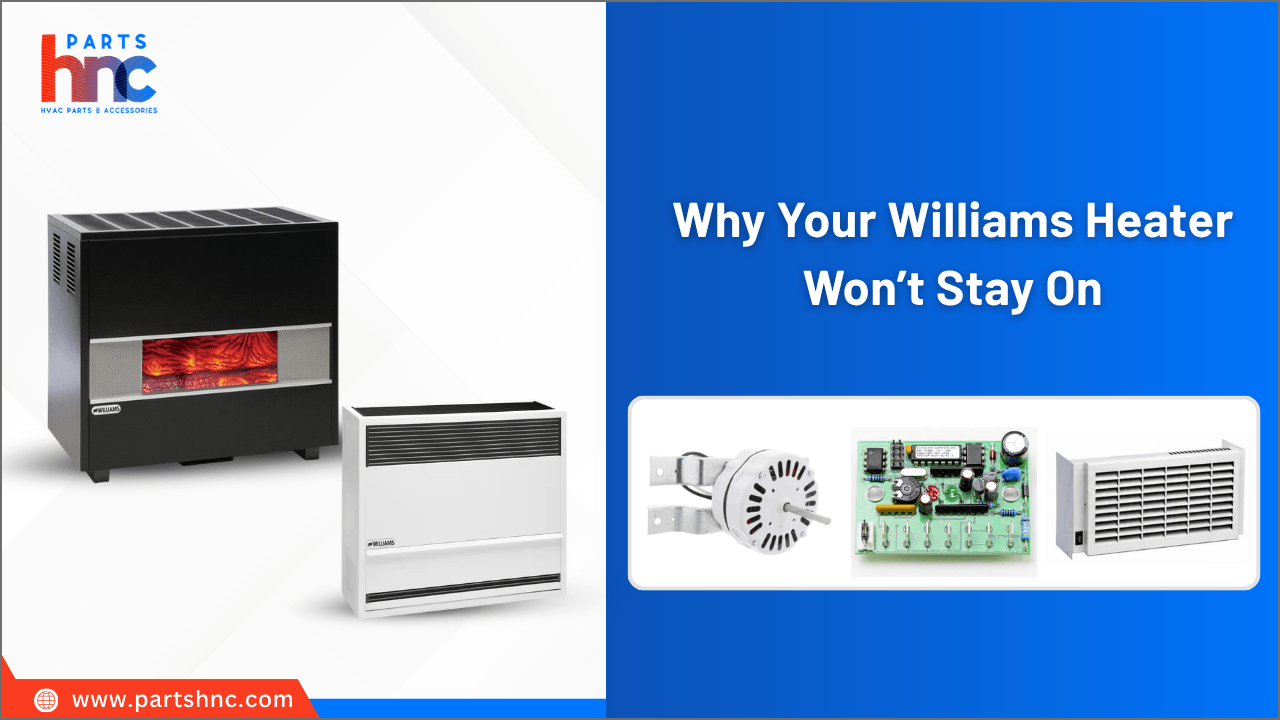 In commercial and residential heating systems, reliability is essential, especially during peak winter seasons when failures can become costly and disruptive. Nearly 35% of Williams heater issues are linked to three key components: the thermostat, ignition system, and blower motor. When any of these parts begin to fail, the system may show reduced efficiency, uneven heating, or complete shutdowns. In this guide, we will explore how these core components affect performance, why they fail, and what warning signs to look for. Understanding them is crucial for preventing breakdowns and extending heater life while keeping your Williams heater running efficiently year-round. Table of Contents:How Williams Heater Issues Impact Long-Term PerformanceThe 3 Key Williams Heater Parts You Should Never IgnoreEarly Warning Signs in Williams Heater SystemsPreventive Maintenance Tips for Williams Heater Parts How Williams Heater Issues Impact Long-Term Performance When a Williams heater begins to malfunction...Read morePosted: April 06, 2026
Recent Posts