Loyalty Program

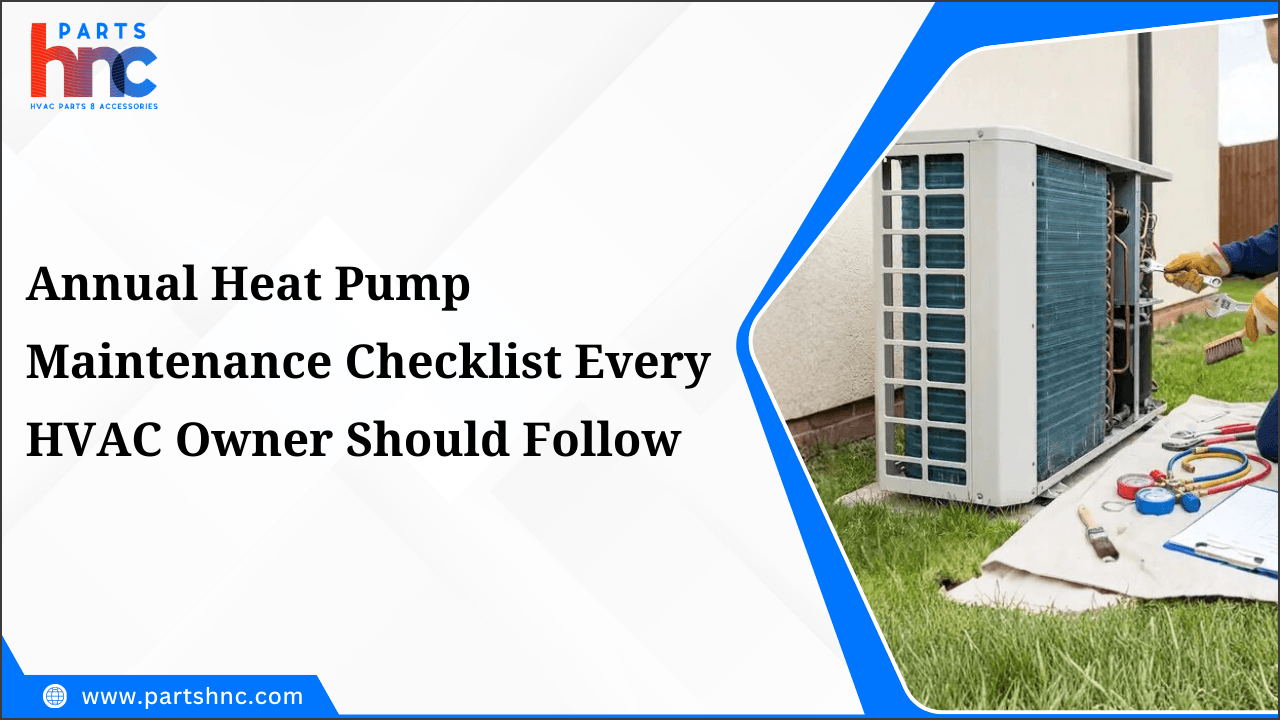
Annual Heat Pump Maintenance Checklist Every HVAC Owner Should Follow
Heat pumps are known for their energy efficiency and year-round comfort, making them a popular choice for modern HVAC systems. However, even the most reliable systems need routine maintenance to continue operating at their best. Skipping regular checkups can lead to decreased efficiency, unexpected breakdowns, and higher energy costs.
An annual heat pump maintenance checklist helps HVAC owners keep their systems running smoothly. By performing simple tasks such as cleaning coils, checking airflow, inspecting wiring, and testing thermostat performance, you can ensure optimal operation. Regular upkeep not only improves energy efficiency but also helps detect potential problems early, saving both time and money in the long run.
Why Annual Heat Pump Maintenance Is Critical for Efficiency and System Longevity
Heat pumps operate throughout the year, switching between heating and cooling depending on seasonal needs. Because they run so frequently, regular maintenance is essential to maintain efficiency and prevent gradual performance decline.
How Annual Maintenance Improves Heat Pump Performance:
-
Preserves Proper Refrigerant Heat Transfer Balance: Small refrigerant imbalances can reduce heat transfer efficiency. Annual checks ensure correct pressure and flow for optimal performance.
-
Prevents Compressor Cycling Stress: Improper airflow or calibration can cause frequent on-off cycles. Maintenance helps stabilize the operation and reduces strain on the compressor.
-
Maintains Defrost System Accuracy: The defrost system prevents ice buildup on outdoor coils. Regular inspections ensure it activates only when needed to avoid wasted energy.
-
Protects Reversing Valve Performance: The reversing valve controls switching between heating and cooling. Servicing keeps it functioning smoothly and prevents mode-change issues.
-
Ensures Balanced Airflow Across Indoor Coils: Uneven airflow can reduce heating or cooling efficiency. Maintenance helps maintain proper airflow for consistent temperature control.
-
Prevents Gradual Efficiency Drift Over Time: Heat pumps slowly lose efficiency due to wear and dust buildup. Annual servicing restores proper settings and keeps the system running efficiently.
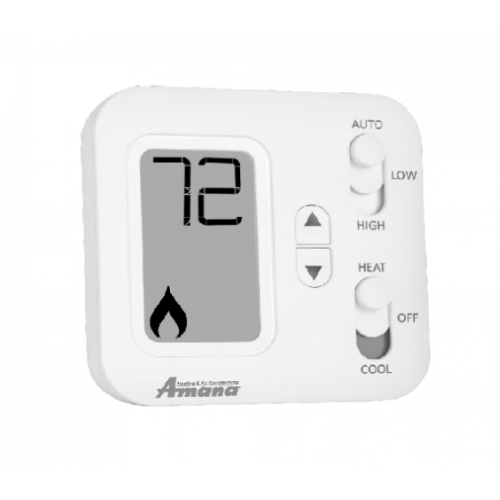
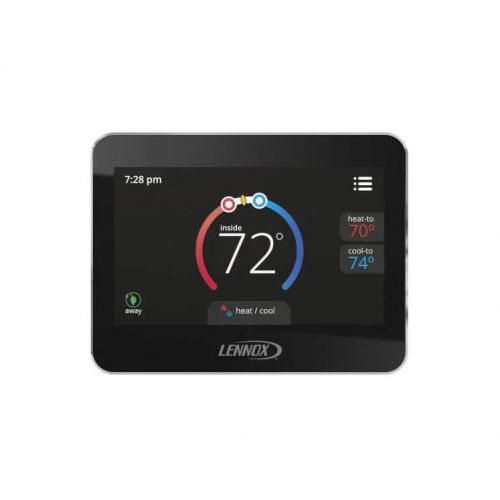
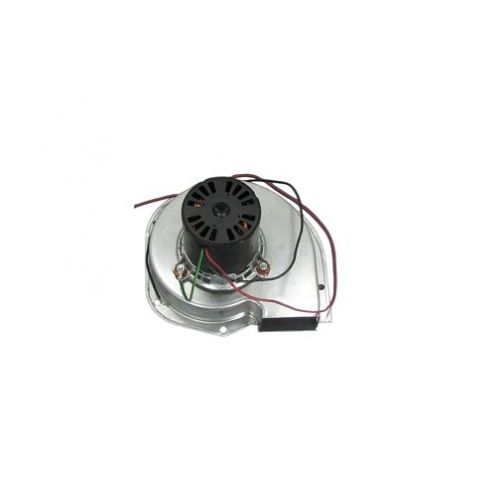
Tired of struggling with a malfunctioning heat pump? Shop HVAC parts and supplies for home and commercial systems from PartsHnC. We offer heat pump replacement parts like expansion valves, compressors, fan motors, thermostats, coils, and more from top brands like Carrier, Trane, and Lennox, with fast delivery straight to your door!
Warning Signs Your Heat Pump Needs Immediate Maintenance
Heat pumps can show subtle signs of trouble long before breaking down completely. Spotting these early indicators helps save energy, avoid costly repairs, and extend system life.
Signs That Your Heat Pump Needs Immediate Attention:.
-
Heat Pump Not Heating Properly: If your heat pump is not heating properly, it may indicate a faulty reversing valve, thermostat miscalibration, or restricted refrigerant flow.
-
Heat Pump Running Constantly: If your heat pump is running constantly even in mild weather, it may signal dirty coils, airflow restrictions, or thermostat issues.
-
Heat Pump Blowing Cold Air: If your heat pump is blowing cold air while in heating mode, it could indicate refrigerant problems or a reversing valve malfunction.
-
Heat Pump Making Loud Noise: If your heat pump is making loud noise such as rattling, buzzing, or grinding, it may point to loose components or motor wear.
-
Moisture or Frost Inside the Indoor Unit: If moisture or frost appears inside the indoor unit, it may indicate blocked condensate lines or defrost cycle problems.
-
Fluctuating Electrical Draws: If your heat pump shows fluctuating electrical draws, it may signal compressor strain, motor issues, or sensor faults.
-
Low-Level Humming or Electrical Buzzing: If your heat pump produces a humming or electrical buzzing sound, it may indicate capacitor problems or internal electrical faults.
Inspecting heat pump parts maintains optimal indoor temperature control year-round and helps you identify airflow imbalances, uneven heating, and other hidden inefficiencies before they escalate.
Essential Heat Pump Components That Require Regular Inspection
Beyond filters and coils, heat pumps include several hidden parts that impact performance. Conducting a heat pump electrical components inspection, along with checking overlooked parts, can help detect subtle issues that routine maintenance may miss.
Heat Pump Components to Inspect During Maintenance:
-
Expansion Valve: Regulates refrigerant flow into the evaporator coil. Minor blockages or miscalibration can reduce efficiency and strain the compressor.
-
Accumulator: Captures excess liquid refrigerant before it reaches the compressor. Clogs or pressure issues can cause serious compressor damage.
-
Reversing Valve Pilot Lines: Control the movement of the reversing valve. Dirt or corrosion here can cause improper heating/cooling mode switching.
-
Electronic Expansion Sensors: Monitor refrigerant and airflow for optimal operation. Malfunctioning sensors can silently lower system efficiency.
-
Indoor Coil Drain Pan and Micro-Drains: Small blockages can lead to water buildup or microbial growth. This impacts air quality and coil performance.
-
Fan Blade Pitch and Balance Mechanism: Misalignment or warping can create airflow imbalance and vibrations. It also accelerates motor wear over time.
-
Refrigerant Service Ports and Schrader Valves: Leaks or worn seals reduce system performance subtly. They often go unnoticed without inspection.
-
Line Set Insulation Integrity: Compressed or damaged insulation causes thermal losses. The system works harder to maintain desired temperatures.
-
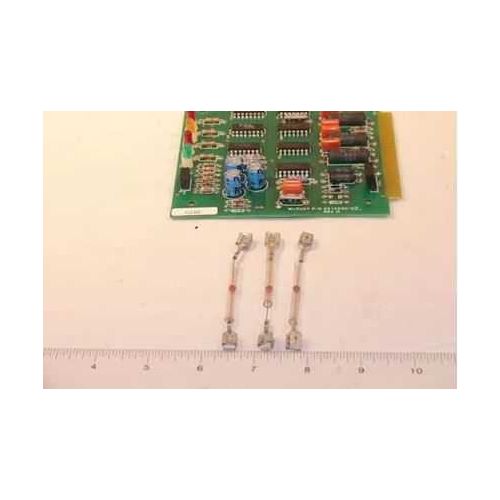
Control Board Micro-Relays and Fuses: Tiny relay failures can cause intermittent faults. This may make the system unresponsive or less efficient.
-
Vibration Dampers and Mounting Hardware: Loose or degraded dampers transmit vibrations to motors and fans. This reduces component lifespan and creates noise issues.
DIY Heat Pump Maintenance Tips: Perform regular heat pump air filter replacement to maintain proper airflow and improve indoor air quality. Dirty filters can reduce efficiency and force the system to work harder. Also, lubricate fan motors, bearings, and shafts if recommended by the manufacturer.
The Carrier TXV valve regulates refrigerant flow into the evaporator coil, preventing blockages and ensuring efficient heat pump operation.
Step-by-Step Annual Heat Pump Maintenance Checklist
Regular annual heat pump maintenance helps your system run efficiently and prevents small issues from becoming costly problems. Checking both obvious and hidden components ensures reliable performance year-round.
Annual Heat Pump Maintenance Steps:
Step 1: Check Expansion Valve and Refrigerant Flow
Verify the expansion valve works correctly and refrigerant lines are unobstructed. A refrigerant level check heat pump inspection ensures proper heat transfer.
Step 2: Test Defrost Cycle and Frost Sensors
Check that the outdoor unit defrost cycle works correctly. Regular heat pump condenser coil cleaning improves airflow and system efficiency.
Step 3: Inspect Indoor Drain Channels and Micro-Drains
Clear small condensate channels and pans to prevent water buildup, microbial growth, or coil freezing.
Step 4: Examine Fan Blade Alignment and Vibration Dampers
Ensure blades are balanced and dampers secure. Proper airflow reduces vibrations and extends motor lifespan. A heat pump compressor inspection can also detect early signs of wear or operational stress.
Step 5: Check Electronic Sensors and Control Board Relays
Test expansion sensors, micro-relays, and fuses for accuracy and responsiveness to prevent hidden efficiency losses.
Step 6: Inspect Reversing Valve and Service Ports
Verify smooth heating/cooling mode switching and check refrigerant service ports for leaks that subtly reduce performance.
Note: Perform regular heat pump air filter replacement to ensure proper airflow and better indoor air quality. Dirty filters can lower efficiency and force the system to work harder. Also lubricate fan motors, bearings, and shafts if recommended by the manufacturer.
Watch this video to see a step-by-step breakdown of costs and maintenance tips of heat pumps, factoring in system type, size, and labor for accurate budgeting.
Summary: Annual Heat Pump Maintenance Checklist Every HVAC Owner Should Follow
Beyond basic cleaning and inspections, commercial heat pump maintenance helps uncover subtle inefficiencies that silently reduce performance. By checking overlooked components such as micro-drains, expansion sensors, and vibration dampers, technicians can prevent hidden energy losses and avoid unexpected failures, ensuring reliable system performance year-round.
Key Takeaways:
-
Inspect rarely-checked parts like reversing valve pilot lines and line set insulation to maintain optimal efficiency.
-
Monitor defrost cycle accuracy to prevent hidden coil strain and energy waste.
-
Check electronic expansion sensors and micro-relays for silent efficiency drops.
-
Maintain fan blade balance and vibration dampers to prevent long-term motor wear.
-
Clear indoor micro-drains and condensate channels to protect air quality and prevent microbial buildup.
-
Use a structured checklist to catch subtle issues before they escalate, protecting both comfort and long-term system investment.
FAQs
How often should a heat pump be serviced each year?
A heat pump should be professionally serviced at least once a year, ideally before the heating or cooling season.
What maintenance does a heat pump require annually?
Annual maintenance includes cleaning coils, checking refrigerant levels, inspecting valves and sensors, testing electrical components, and ensuring proper airflow and drainage.
What are the common signs that a heat pump needs maintenance?
Look for temperature swings, unusual noises, frost or moisture buildup, high energy bills, vibrations, or delayed system response.
Can homeowners perform heat pump maintenance themselves?
Homeowners can clean filters, clear minor debris, and check drain lines, but detailed inspections of refrigerant, valves, and electrical systems should be done by a professional.
What happens if you skip annual heat pump maintenance?
Skipping maintenance can lead to reduced efficiency, higher energy bills, hidden component wear, system breakdowns, and costly repairs over time.
| Disclaimer: The information provided in this article is for general informational purposes only. Always consult a licensed technician for inspections, repairs, or maintenance. |