 Loyalty Program


A humidifier adds moisture to indoor air for better air quality. Key parts include the water reservoir, filter, fan, and controls. Faults like dryness, leaks, or noises often stem from clogged filters or valves. Regular maintenance prevents mold and system damage.
 -13%MAMAC Systems HU-226-2-MA-7 Duct Humidity Sensor +2%Special Price $124.48 Regular Price $143.15Out of stock
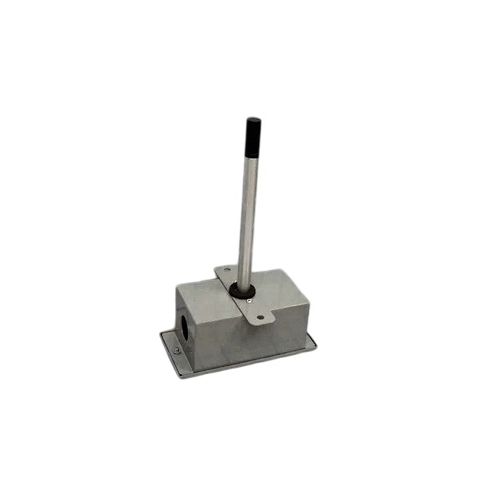 -13%MAMAC Systems HU-224-2-VDC Duct-mounted Humidity Sensor 2% 0-5/10 VDCSpecial Price $126.55 Regular Price $145.54Out of stock
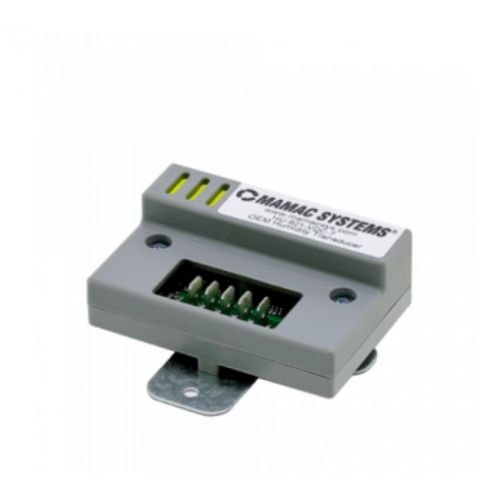
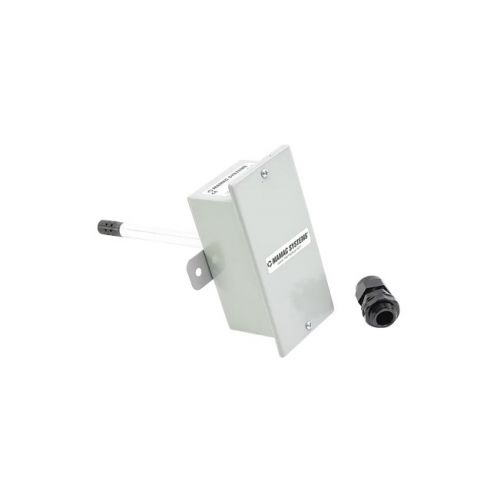 -13%MAMAC Systems HU-224-2-MA Duct-mounted Humidity Transducer 2% 4-20mA OutSpecial Price $126.55 Regular Price $145.54
 -10%
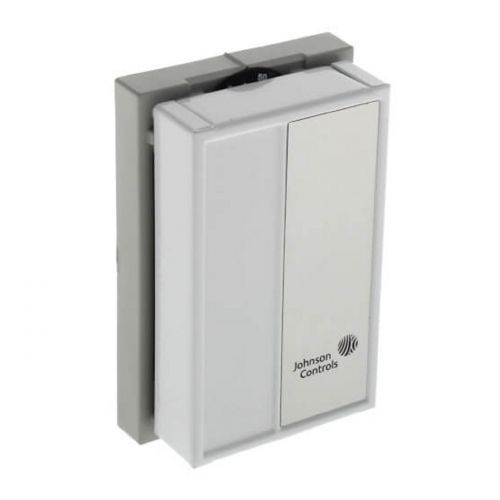
-10%- -10%Johnson Controls W42AA-1 SPDT Humidity Control 10/90% RHSpecial Price $229.56 Regular Price $254.81
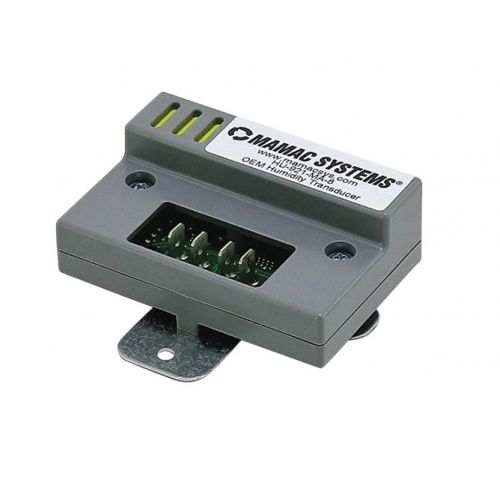
- -13%MAMAC Systems HU-921-VDC-7 Humidity Sensor 10K Ohm 0-10 VDC OutputSpecial Price $66.20 Regular Price $76.13
- -13%MAMAC Systems HU-921-MA-8 Humidity Sensor 10K Ohm 4-20mA OutputSpecial Price $66.20 Regular Price $76.13
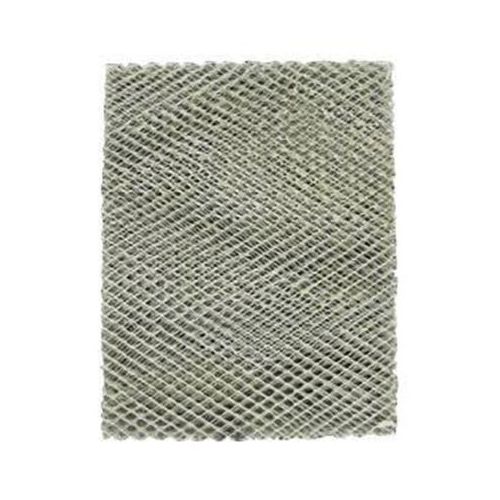
- -23%Carrier P110-3545 Humidifier Pad Water Panel 13" X10" X1 3/4"Special Price $19.88 Regular Price $25.84
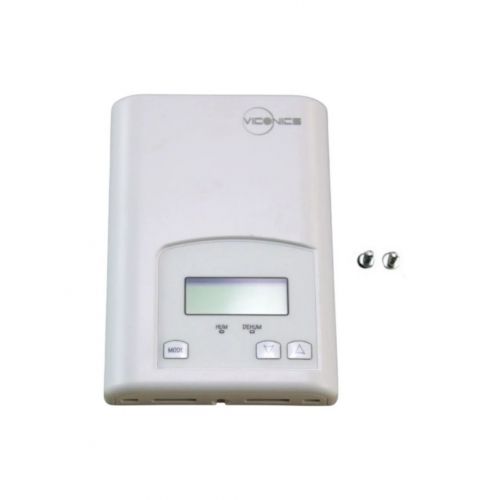
- -10%Bard HVAC 8403-047 Electronic Humidity Controller 1-2 Output HumidistatSpecial Price $545.87 Regular Price $605.92
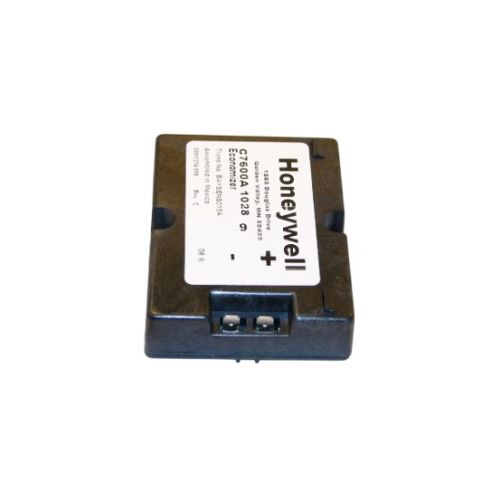

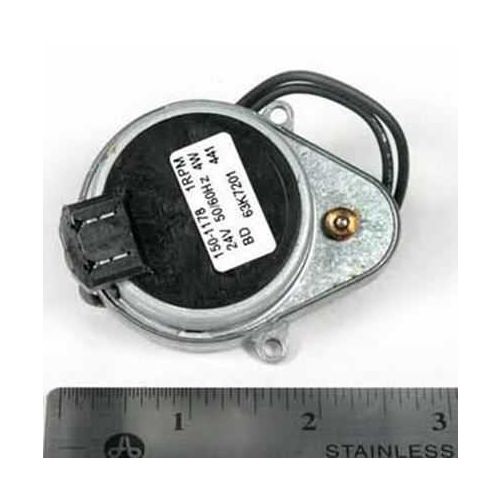
HVAC Humidifier Replacement Parts
A humidifier is an HVAC accessory designed to add moisture to the air, improving indoor air quality. Humidifiers typically consist of several parts, including the water reservoir, wicking filter or evaporator pad, fan or blower, and control system. In HVAC systems, whole-house humidifiers are integrated into ductwork to distribute moisture.
Signs of a faulty humidifier include excessive dryness or dampness in the air, water leaks, unusual noises, or failure to increase humidity. Common issues arise from clogged filters, malfunctioning water valves, or dirty reservoirs. Neglecting these problems can lead to poor indoor air quality, potential mold growth, and damage to the HVAC system. Regular cleaning and maintenance are essential to ensure efficient and safe humidifier operation.
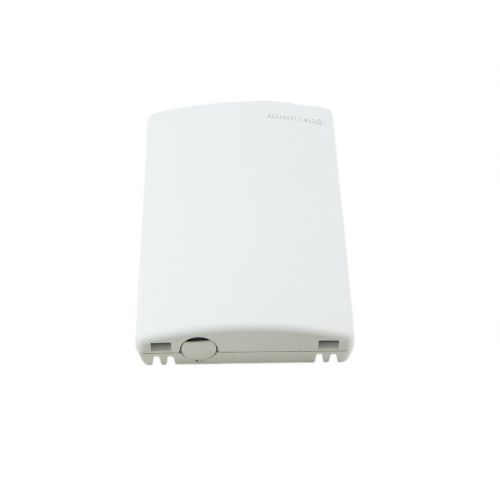
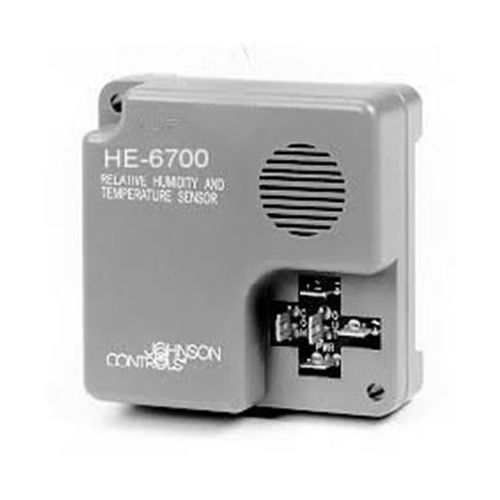
At PartsHnC, we offer a wide range of humidifier parts, including humidifier pads (9"x11"x2"), manual humidistats, outdoor humidity transmitters, room humidistats (10-90%), and Humidity Sensor (10K Ohm). Our inventory also includes solid-state humidity sensors, 2-pipe reverse-acting pneumatic humidistats, and humidity sensors from top brands like MAMAC Systems, Carrier, Rheem-Ruud, Johnson Controls, Siemens Building Technology, and more.
FAQs
How often should I clean my humidifier?
Clean it at least once a week to prevent mold and bacteria growth that can spread in the air.
Can humidifiers cause mold in my home?
Yes, excessive humidity or improper cleaning can lead to mold growth on walls or furniture.
What type of water should I use in a humidifier?
Use distilled or demineralized water to reduce mineral buildup and white dust in the air.
How do I know if my humidifier is working properly?
You should feel increased moisture in the air, and the device should run without strange noises or leaks.