 Loyalty Program


Heat exchangers are essential components in HVAC systems, furnaces, and heat pumps. These parts, including heat exchanger plates, support brackets/mounts, and insulation, regulate heat transfer and ensure efficient operation, promoting consistent temperature control and improved energy efficiency.
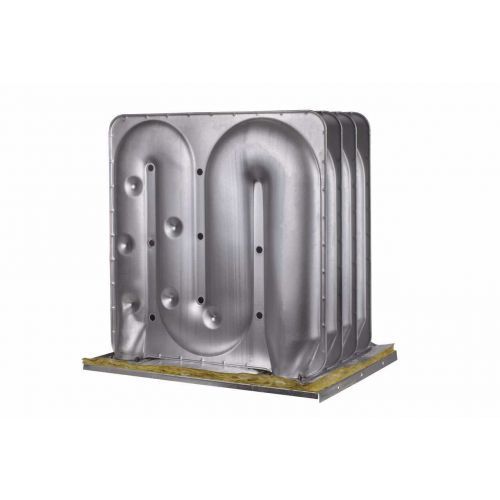 -10%Amana-Goodman 2521302S 4-Cell Heat ExchangerSpecial Price $484.35 Regular Price $537.62Out of stock
 -10%York S1-373-14997-704 4-Cell Heat ExchangerSpecial Price $2,810.14 Regular Price $3,119.25Out of stock
 -10%York S1-373-19804-651 4-Cell Heat Exchanger W/GasketsSpecial Price $1,258.01 Regular Price $1,396.39Out of stock
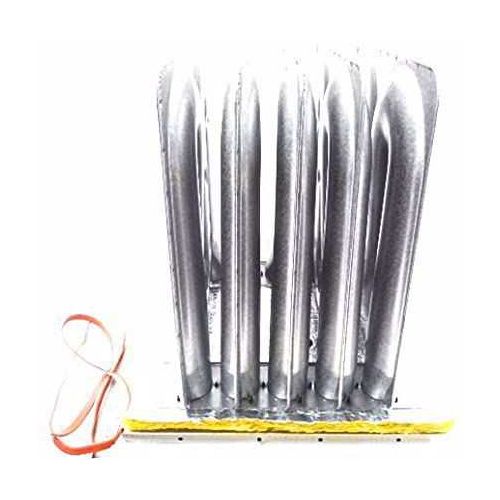 -10%Amana-Goodman 2521303S 5-Cell Heat ExchangerSpecial Price $529.75 Regular Price $588.02Out of stock
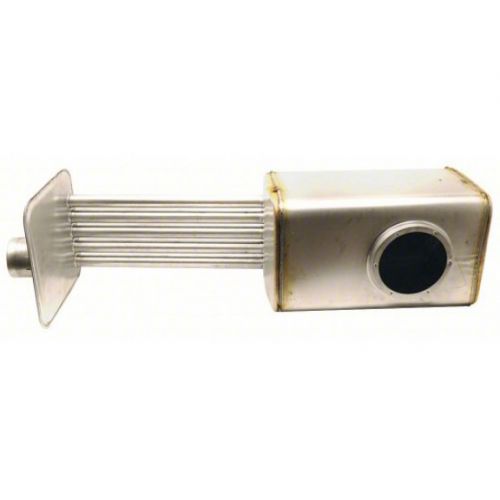 -10%York S1-373-23792-001 5-Cell Heat Exchanger W/Stainless Steel LinerSpecial Price $1,415.55 Regular Price $1,571.26Out of stock
 -10%York S1-363-90016-702 5-Tube Heat ExchangerSpecial Price $2,366.43 Regular Price $2,626.73Out of stock
- -10%York S1-363-90016-703 5-Tube Heat ExchangerSpecial Price $2,488.76 Regular Price $2,762.52Out of stock
- -10%York S1-363-93521-705 5-Tube Heat ExchangerSpecial Price $2,397.46 Regular Price $2,661.18Out of stock
- -10%York S1-373-12894-705 5-Tube Heat ExchangerSpecial Price $3,537.30 Regular Price $3,926.40Out of stock
- -10%York S1-373-16471-705 5-Tube Heat ExchangerSpecial Price $3,075.88 Regular Price $3,414.23Out of stock
- -10%York S1-363-93846-003 6-Cell Heat ExchangerSpecial Price $2,881.93 Regular Price $3,198.95Out of stock
- -10%York S1-363-90016-705 6-Tube Heat ExchangerSpecial Price $2,789.45 Regular Price $3,096.29Out of stock

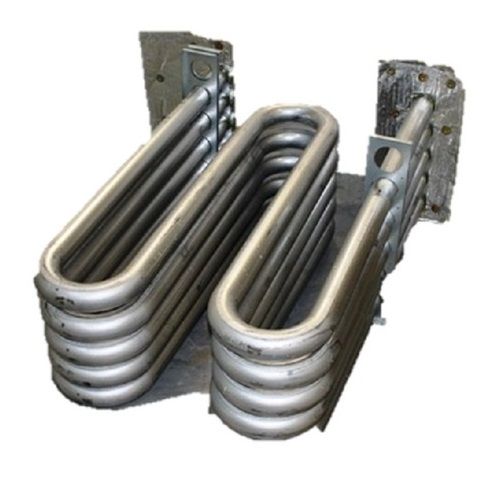
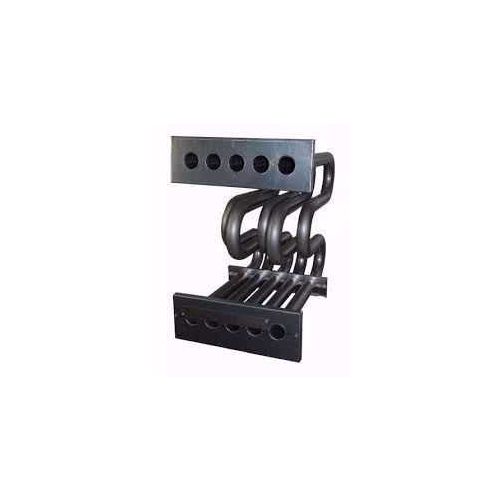
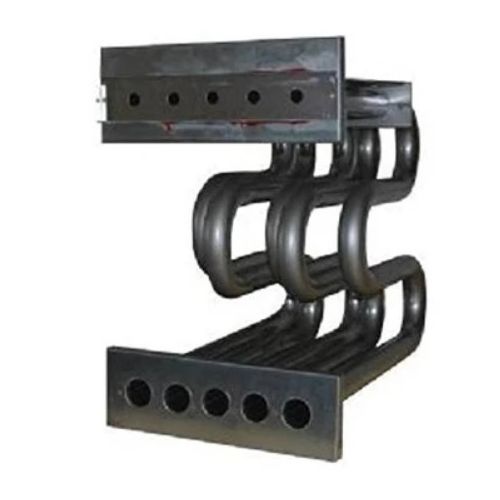
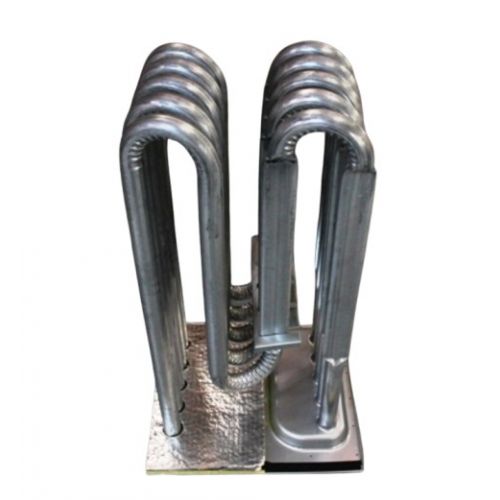
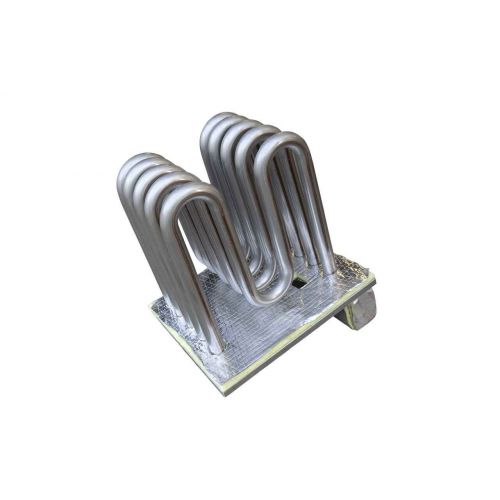
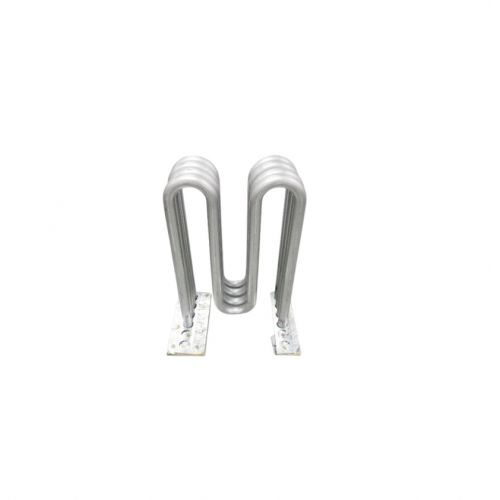
Heat Exchanger Parts for Heat Pumps & HVAC Systems
Heat exchangers are crucial in HVAC systems like heat pumps and furnaces, ensuring efficient transfer of heat between air or fluids. They regulate temperature by absorbing or releasing heat while maintaining consistent indoor comfort.
Failure of heat exchanger components can result in reduced heat transfer efficiency, temperature imbalances, or system malfunctions. The cell heat exchanger optimizes heat transfer within multiple cells; the tube heat exchanger transfers heat through a series of tubes; the liner protects the heat exchanger from corrosion, and the assembly ensures proper alignment and function of internal components. Additional parts, like gaskets, prevent leaks and maintain system integrity; baffles direct fluid flow for optimal heat exchange, while the flue collector directs exhaust gases away from the system.
At PartsHnC, we offer top-quality heat exchanger parts, including heat exchanger plates, support brackets/mounts, and insulation from trusted brands like International Comfort Products, Lennox, Amana-Goodman, York, and Reznor, all at competitive prices.
FAQs
Why is my furnace heat exchanger not producing enough heat?
Lack of adequate heat may indicate a blocked or faulty heat exchanger. Restricted airflow or a malfunctioning thermostat might also be contributing factors.
How long do heat exchangers typically last?
Heat exchangers typically last between 10 and 20 years, depending on factors like maintenance and usage. Regular upkeep, leak inspections, and replacing damaged components can help prolong their lifespan.
Which type of furnace heat exchanger is better for homes in colder climates?
Oil furnaces may be a better choice in areas where natural gas is not readily available or for homes that need more heat during very cold winters. Gas furnaces are more popular because they are more efficient and have lower operating costs.
Where can I find fan coil parts for HVAC systems?
For high-quality fan coil parts, including fan coils and assemblies, check trusted suppliers like PartsHnC, which offers parts compatible with leading HVAC brands at competitive pricing.
What are the symptoms of a cracked oil furnace heat exchanger?
A cracked oil furnace heat exchanger may cause a burning smell, decreased heat output, or unusual noises. In extreme cases, it can lead to dangerous carbon monoxide leaks, so it’s crucial to address this issue promptly.
Can a furnace heat exchanger cause a burning smell?
Yes, if the heat exchanger is clogged with dirt or debris, it can overheat and emit a burning smell. A technician should address this issue as soon as possible.