 Loyalty Program

Condenser coils play a key role in HVAC systems, refrigeration units, and heat pumps by efficiently releasing heat from the refrigerant to ensure optimal system performance. These parts, including condenser coil assemblies, coil fins, fan assemblies, and condenser coil tubing, facilitate heat exchange and ensure efficient cooling.
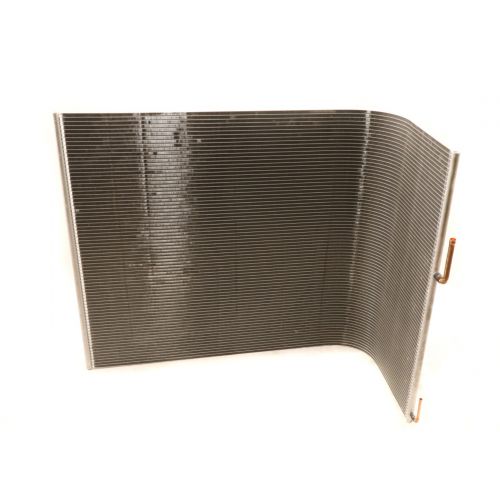
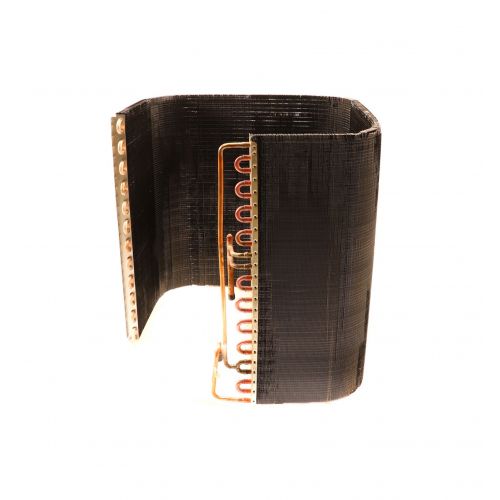 -10%International Comfort Products 1087351 Condenser Coil AssemblySpecial Price $1,278.75 Regular Price $1,419.41Out of stock
 -10%
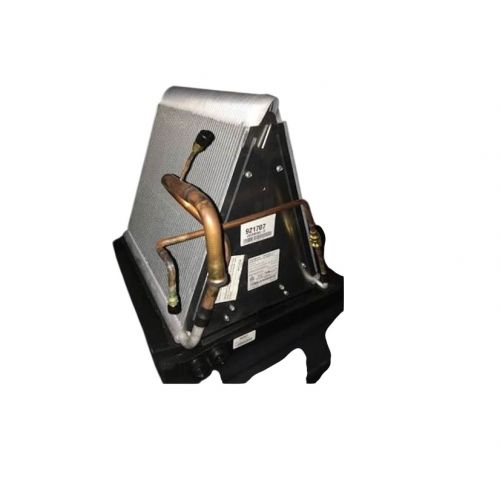
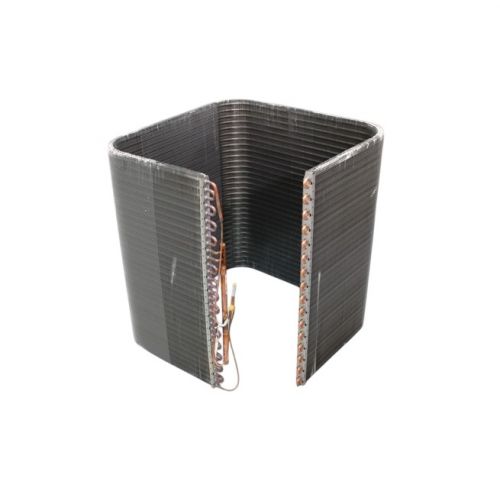
-10%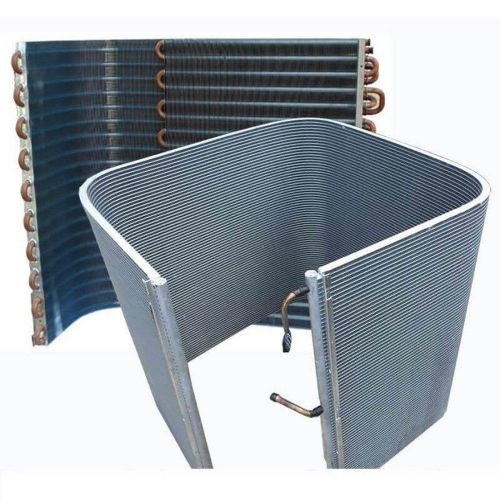 -10%Amana-Goodman 0201R00157S Condenser CoilSpecial Price $1,200.25 Regular Price $1,332.28Out of stock
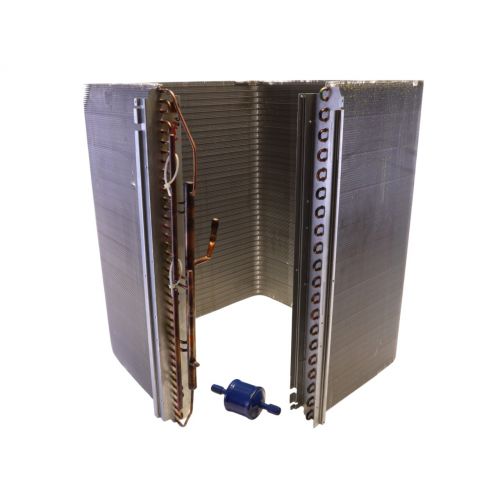 -10%Amana-Goodman 0201R00398S Condenser CoilSpecial Price $1,118.37 Regular Price $1,241.39Out of stock
 -23%
-23%- -10%
- -10%International Comfort Products 1088581 Condenser CoilSpecial Price $893.98 Regular Price $992.31Out of stock

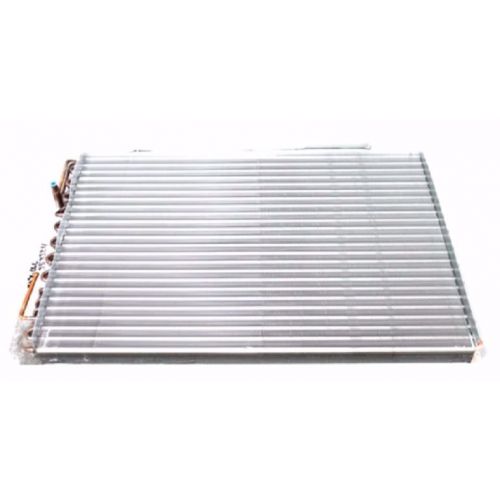
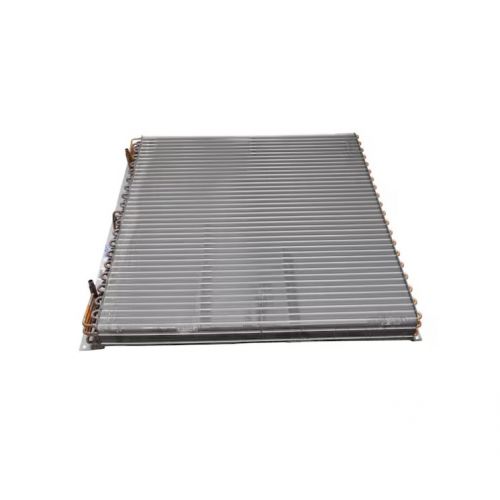
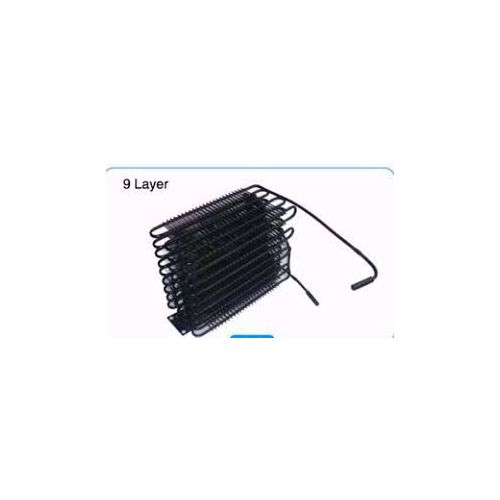
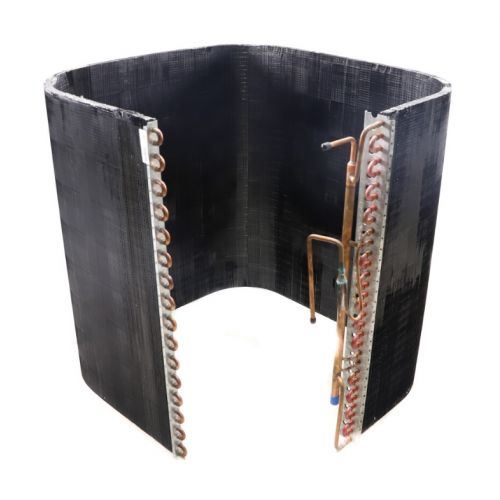
Heat Pump Condenser Coil Replacement Parts
Condenser coils are vital in HVAC systems, facilitating heat transfer by expelling heat from the refrigerant. These coils play a key role in cooling, enhancing system efficiency, maintaining optimal pressure, and supporting consistent temperature regulation.
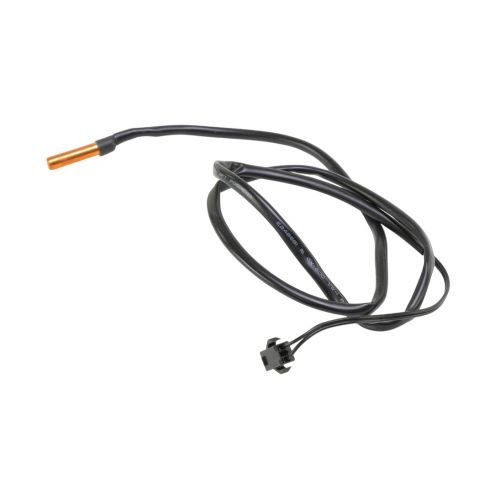
Failure of condenser coil components can result in poor cooling, reduced efficiency, or system damage. The temperature sensor monitors coil temperature. Shrink wrap protects the coil from external damage. Condenser coil cleaner ensures optimal heat transfer by removing debris. The guard prevents physical damage, and the condensing coil gasket ensures a tight seal.
Motors run on 115V, driving the condenser fan. Coil fins have 12-14 fins per inch, optimizing heat transfer. Condenser coil tubing handles up to 300 PSI, ensuring stable refrigerant flow.
At PartsHnC, we offer high-quality condenser coil parts, including blades, coil fins, fan assemblies, condenser coil tubing, and coil support brackets, all from trusted brands like Carrier, Amana-Goodman, Daikin-McQuay, Sanyo, International Comfort Products, and York, all at competitive prices.
FAQs
How much does it cost to replace a condenser coil in an HVAC system?
The cost to replace a condenser coil typically ranges from $600 to $2,500, depending on the HVAC system size, brand, and labor. Additional charges may apply for refrigerant and other parts.
What is the typical lifespan of a condenser coil?
A condenser coil generally lasts between 10 and 20 years, depending on maintenance, usage, and environmental factors.
How can I prevent corrosion on a condenser coil?
Use a protective coil coating or a corrosion-resistant material for the coil. Regular maintenance, cleaning, and ensuring proper airflow also help prevent corrosion.
Where can I find air conditioner condenser coil parts?
For high-quality air conditioner condenser coil parts, including coil assemblies, fan blades, and coil fins, consider trusted suppliers like PartsHnC, which offer parts compatible with leading HVAC brands at competitive pricing.
Can a dirty condenser coil cause high energy bills?
Yes! When the condenser coil is clogged with dirt and debris, it works harder to expel heat, leading to higher energy consumption. Regular cleaning helps keep your energy costs down.
Should the condenser coil get hot during operation?
Yes, it’s normal for the condenser coil to heat up as it releases heat from the refrigerant during the cooling process.