 Loyalty Program

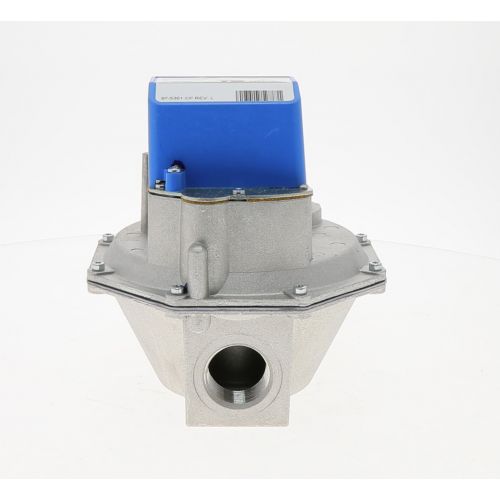
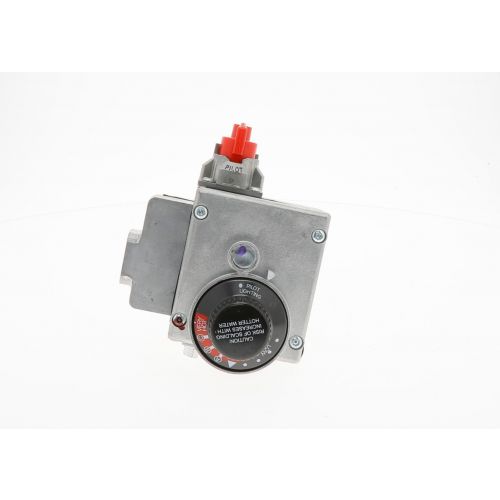
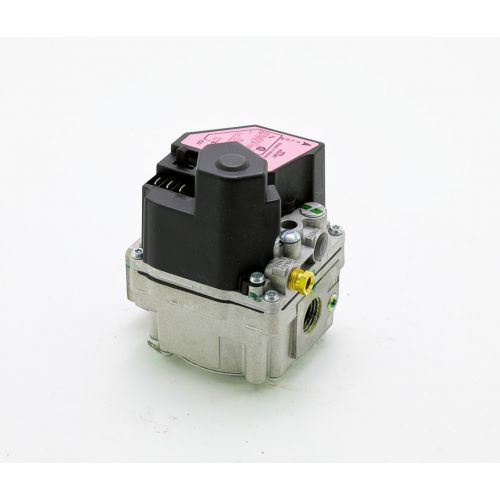
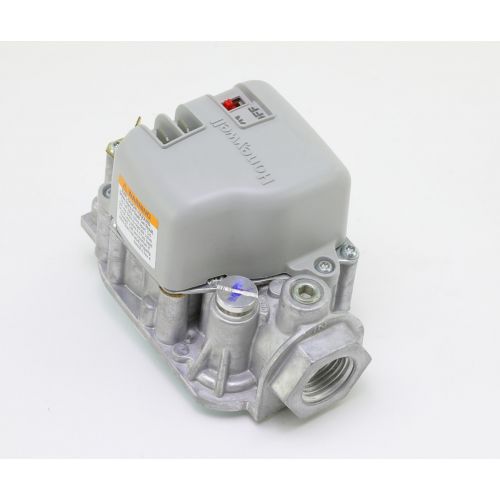
HVAC valve parts include the body, actuator, stem, seat, disc or plug, and seals. These components work together to regulate fluid or air flow, helping maintain proper temperature and pressure in HVAC systems.
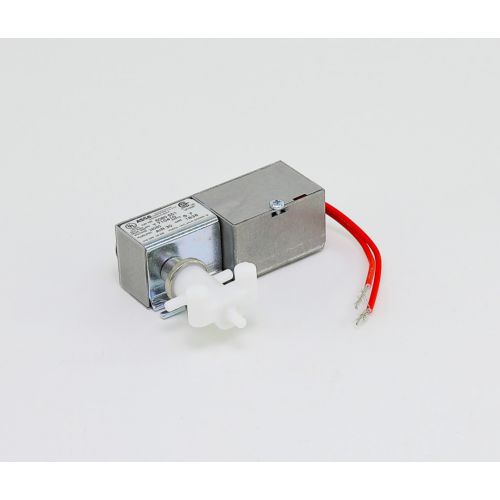 -13%Schneider Electric (Barber Colman) AL-183 Air Valve 1/4" Barb 240VSpecial Price $99.88 Regular Price $114.86
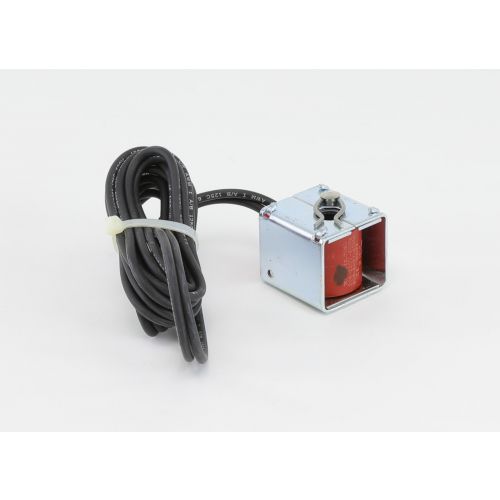 -13%International Comfort Products 1066549 240V Reversing Valve Solenoid CoilSpecial Price $86.80 Regular Price $99.82
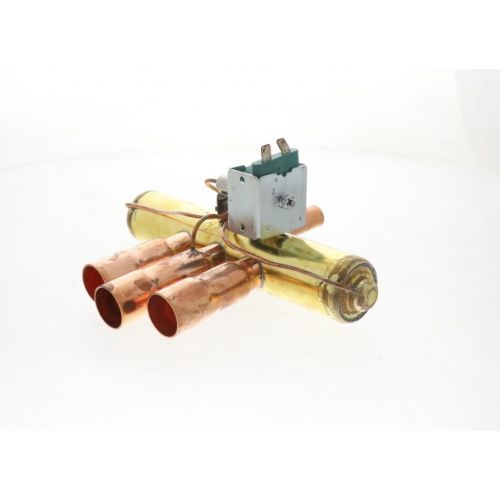 -10%International Comfort Products 1095224 Reversing Valve W/Coil 240VSpecial Price $243.38 Regular Price $270.15Out of stock
 -10%
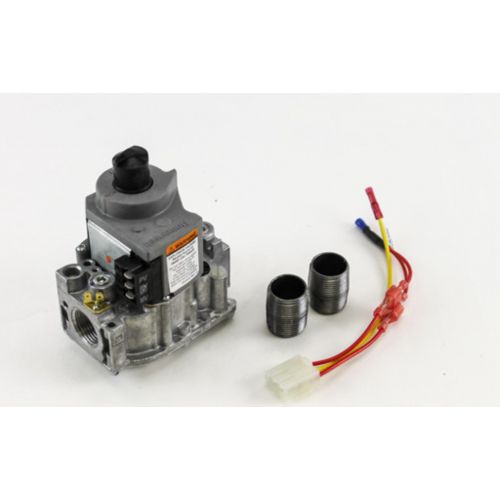
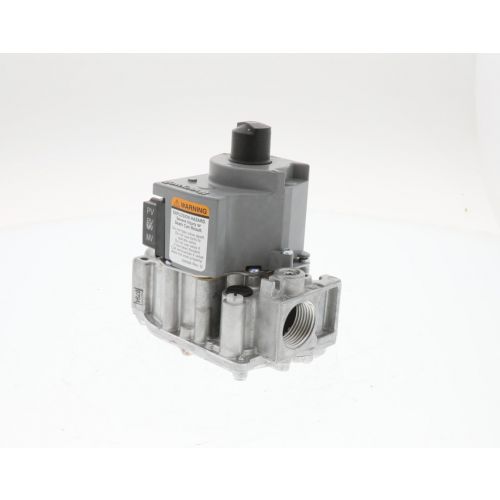
-10%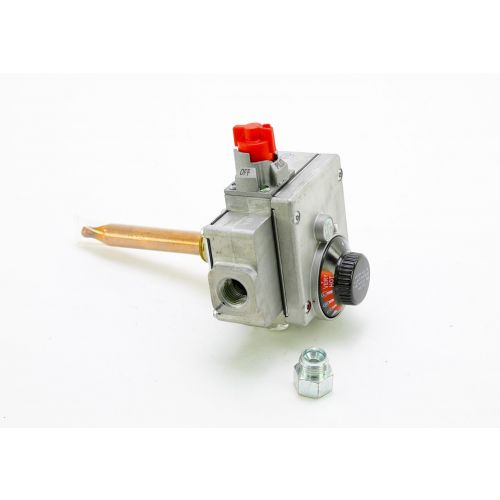 -10%Lochinvar & A.O. Smith 100108714 1/2" Liquid Propane Gas Valve 10"WC 24VSpecial Price $357.33 Regular Price $396.63
 -10%Lochinvar & A.O. Smith 100109372 1/2" LP Gas Valve 10" WC 24VSpecial Price $282.39 Regular Price $313.45
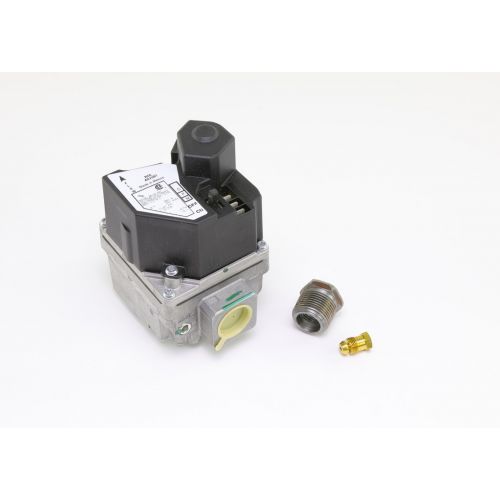
- -10%Modine 5H0806820000 24V 10 Inch Wc Lp 1/2 Inch Gas ValveSpecial Price $254.32 Regular Price $282.29
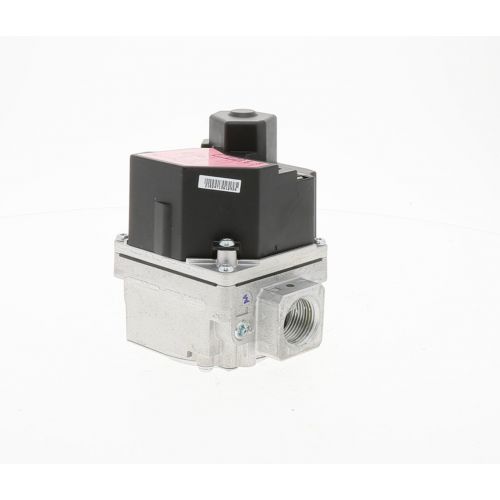
- -10%Lochinvar & A.O. Smith 100172017 3/4" LP Gas Valve 10" WC 24VSpecial Price $322.14 Regular Price $357.58
- -10%Lochinvar & A.O. Smith 100288535 3/4" LP Gas Valve 24V 10" WCSpecial Price $283.16 Regular Price $314.30
- -10%

HVAC Service Valve Parts for Industrial Equipment
HVAC valve parts in commercial air conditioner systems are critical for controlling the flow and pressure of refrigerant, ensuring efficient heat exchange and consistent cooling performance. These components help maintain system stability, prevent overheating, and optimize energy use for reliable operation.
Their primary function is to regulate refrigerant pressure and distribution within the system, ensuring consistent cooling performance. Common issues such as leaks, blockages, or malfunctioning AC valves can lead to uneven cooling, increased energy consumption, or system breakdown. Regular inspection and maintenance of air conditioner service valves help prevent these problems and extend the lifespan of the HVAC system.
Parts HnC offers a reliable range of HVAC valve parts, including Auto Expansion Valves, Solenoid 14B G 1/2", and Expansion Valves sourced from trusted brands like Danfoss, Sporlan, Honeywell, and Emerson. They also provide fast and secure delivery to ensure you get the HVAC service valves you need without delay.
FAQs
How do HVAC valves work?
HVAC valves open or close to control the flow of fluids or gases within the system, managing temperature and pressure to keep the system running smoothly.
What types of valves are used in HVAC systems?
Common types include ball valves, solenoid valves, expansion valves, and service valves, each serving different functions in system control and maintenance.
Can a faulty HVAC valve cause the AC not to cool?
Yes, if a valve is stuck or leaking, it can disrupt refrigerant flow, leading to inefficient cooling or system failure.
Can service valves leak refrigerant?
Yes, if seals or fittings wear out, service valves can leak refrigerant, which reduces system efficiency and harms the environment.
How often should HVAC service valves be inspected?
It’s good practice to inspect them at least once a year during routine HVAC maintenance checks.
What is the function of a Schrader valve in HVAC systems?
A Schrader valve acts like a tire valve, allowing refrigerant charging and pressure checks without refrigerant loss.