 Loyalty Program

A refrigeration coil in a heat pump transfers heat efficiently using refrigerant. Issues like frost, leaks, or damage reduce performance and cause noise or poor heating/cooling.
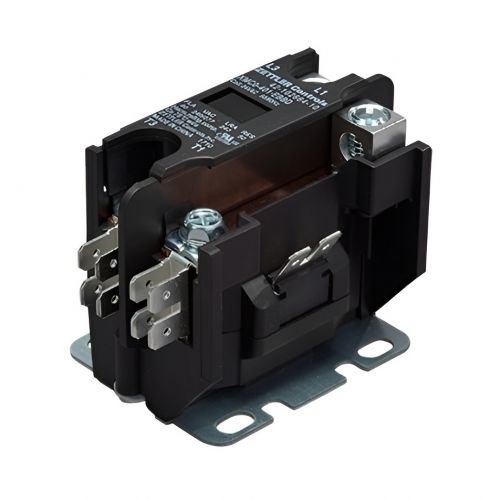 -23%Rheem-Ruud 42-102664-10 1-Pole Coil Contactor 40A 24VSpecial Price $19.16 Regular Price $24.91Out of stock
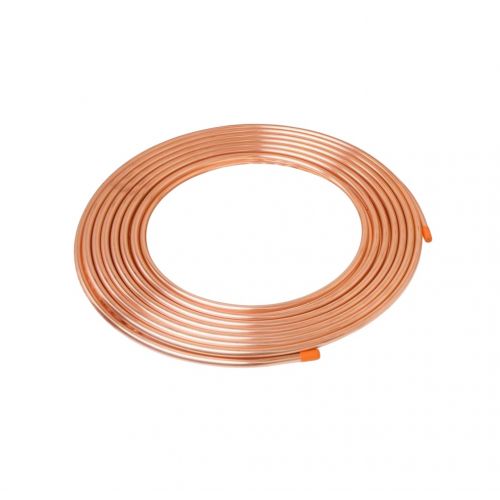 -13%Mueller Industries D08050 Refrigeration Copper Coil 1/2" OD X 0.032" X 50'Special Price $110.25 Regular Price $126.78Out of stock
 -23%
-23%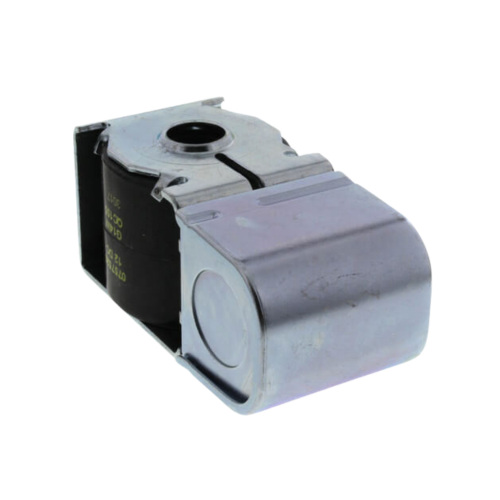 -13%
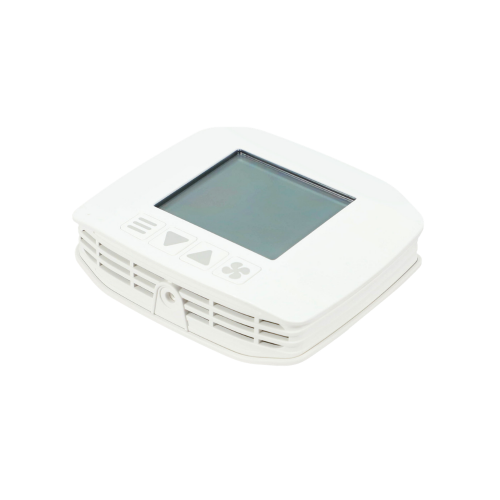
-13% -13%Johnson Controls FCP-PA-701-N 7-Day Programmable Thermostat Fan CoilSpecial Price $83.51 Regular Price $96.03
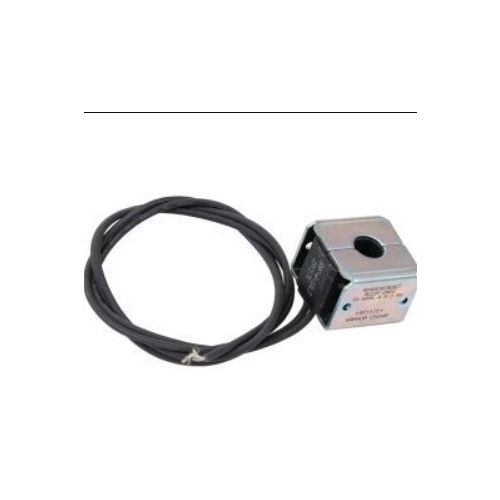
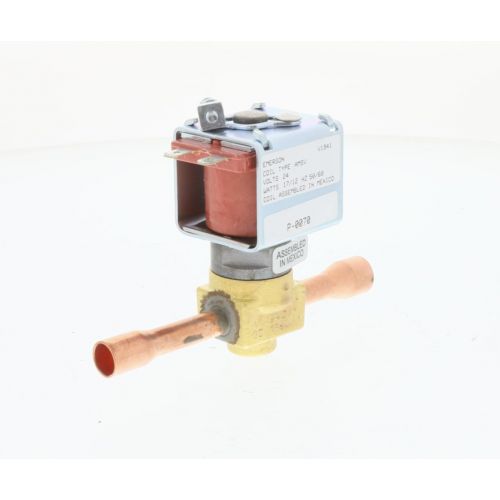
- -13%York S1-311710 Solenoid Valve Coil 10W 24V/50-60HzSpecial Price $150.40 Regular Price $172.96Out of stock
- -13%
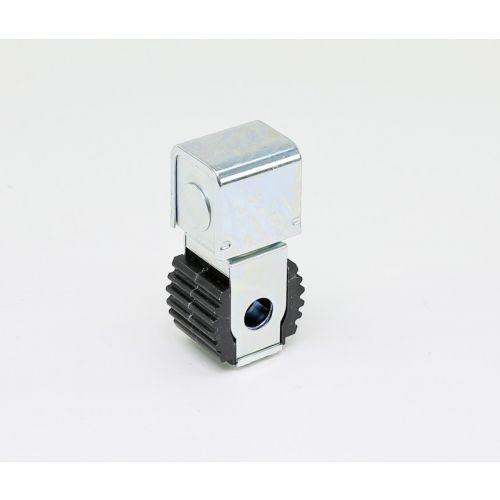
- -13%Schneider Electric (Square D) LXD3G7 Contactor Coil 120 VACSpecial Price $67.79 Regular Price $77.96Out of stock
- -13%

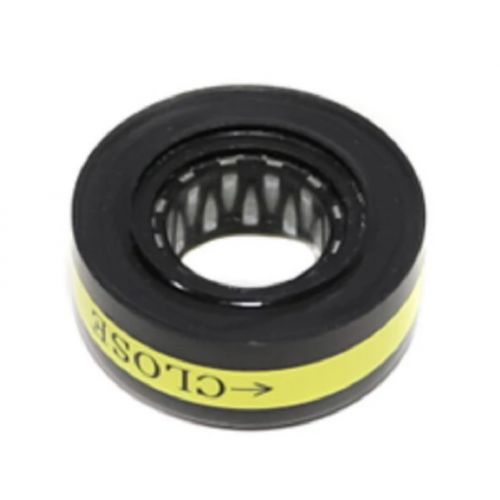
Heat Pump Refrigeration Coil Replacement Parts
A refrigeration coil in a heat pump is a vital heat exchanger designed to transfer thermal energy efficiently. It consists of a network of copper or aluminum tubes, often coated or paired with aluminum fins to enhance heat absorption and release. This coil enables the heat pump to either absorb heat from the air or release heat into the air, depending on the system’s operating mode.
Refrigerant circulating inside the coil absorbs this heat and changes from liquid to gas. The coil then transfers the heat to the air blown into the building by the fan. Common signs of a faulty refrigeration coil include frost or ice buildup, reduced heating or cooling efficiency, and unusual noises. These problems often stem from dirty or bent fins, refrigerant leaks in the tubing, or physical damage to the coil surface.
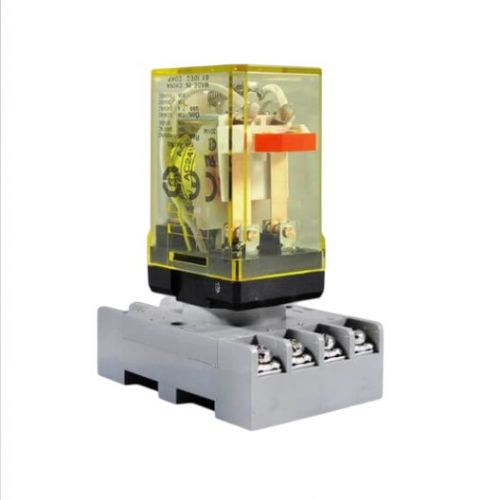
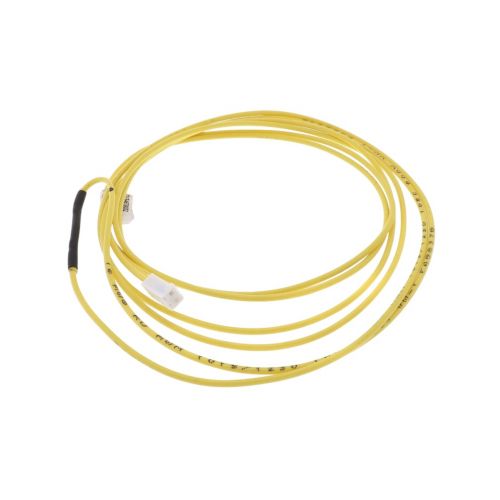
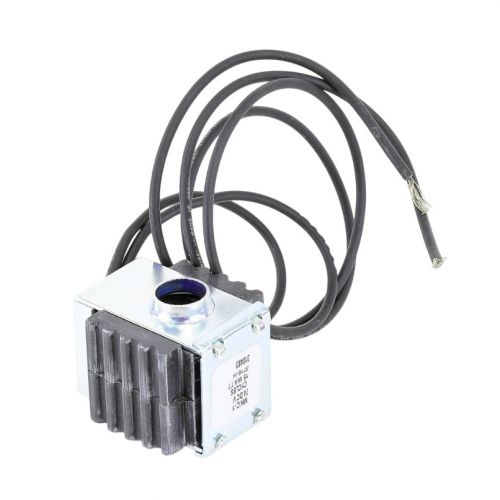
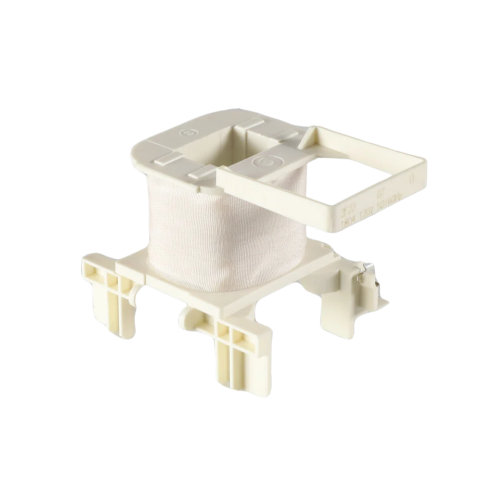
At PartsHnC, we offer a wide range of refrigeration coils, including 3-pole contactor (90A 208-240V) coils, unloader valves with coils (240V), contactor no auxiliary (120V) coils, and replacement coil kits. Our inventory also includes coil holding kits, evaporator coil replacement kits, and coil fan relays (24V) from top brands like Copeland, Bard, Marley Engineered Products, Carrier, and more.
FAQs
Why do heat pump coils freeze during operation?
Freezing usually happens due to low outdoor temps, poor airflow, or low refrigerant, causing frost buildup on the coil.
What causes reduced heat transfer in heat pump coils?
Dirty or blocked coils reduce efficiency by limiting heat exchange between refrigerant and air.
How often should heat pump coils be inspected or cleaned?
At least once a year, or more often in dusty or humid environments, to prevent dirt buildup and maintain performance.
Why is my heat pump cycling on and off frequently?
Frosted or dirty coils can cause the system to short-cycle due to inefficient heat exchange and incorrect sensor readings.