Facebook Pixel

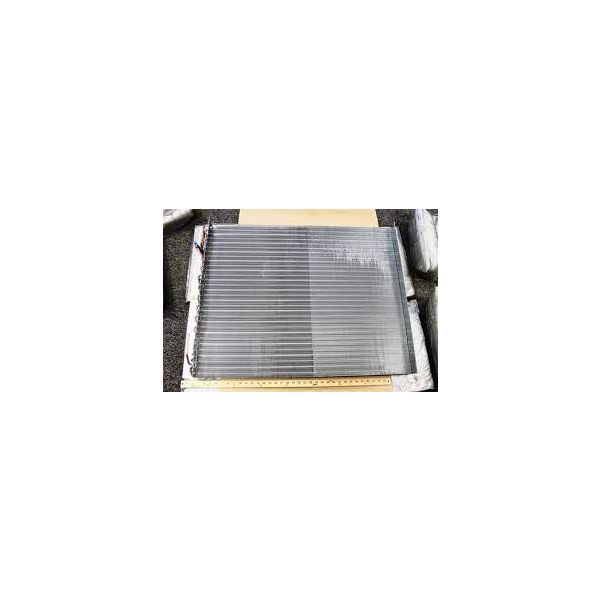
Bard HVAC 5051-179BX Boxed Condenser Coil

Special Price $889.65 Regular Price $987.51
In stock
SKU
5051-179BX

The Bard HVAC 5051-179BX Boxed Condenser Coil is a replacement part intended for air conditioners.It is a critical component for transferring heat from your home to the outside environment. The coil transfers heat from the refrigerant circulating in the system to the air that flows through the unit. This essential component is compatible with a wide range of HVAC equipment models and has the potential to increase the efficiency and lifespan of your air conditioning system by ensuring proper heat dissipation. A damaged or worn-out coil promotes efficient cooling, potentially saving energy and money. and heat pumps. By replacing a damaged or worn-out coil, you can ensure that your HVAC system provides efficient and optimal cooling performance, ultimately saving energy and money.

Manufacturer:
https://www.partshnc.com/media/catalog/product/5/0/5051-179bx_bard-hvac_partshnc.jpg
Manufacturer Name: Bard HVAC
Product Number: 5051-179BX
OEM Part Number: 5051-179BX
Product Description: Boxed Condenser Coil
Weight:35lbs/15875.72g

Choose the best HVAC equipment parts and supplies from PartsHnC!

  • Same Day Shipping

  • Best Quality And Best Price

  • Wide Range of Inventory

  • Best Customer Service

Have More Questions or Need Help to Place The Order?
Reach us at (866)773-0907 or [email protected]

Write Your Own Review
You're reviewing:Bard HVAC 5051-179BX Boxed Condenser Coil
Your Rating
Customer Questions
What maintenance is required for the Bard HVAC 5051-179BX Boxed Condenser Coil?

Regularly inspect and clean the condenser coil to remove dust, dirt, and debris to maintain airflow. This ensure efficient heat exchange and system performance. Always disconnect power before servicing and check for corrosion or refrigerant leaks periodically.

What are common issues with the Bard HVAC 5051-179BX Boxed Condenser Coil?

  • Reduced airflow from clogged fins or debris buildup.
  • Coil corrosion leading to poor heat transfer.
  • Refrigerant leaks causing cooling inefficiency.
  • Frost or ice formation on coil surface.
  • Uneven cooling performance or system overheating.
  • Fan or motor malfunction affecting operation.

Installation Steps

Step 1: Turn off power and recover refrigerant safely before starting.

Step 2: Remove access panels and disconnect refrigerant lines from old coil.

Step 3: Position new coil in housing, ensuring correct airflow orientation.

Step 4: Braze refrigerant connections and check for proper sealing.

Step 5: Pull vacuum, leak test system, and check pressure stability.

Step 6: Reassemble panels, restore power, and test cooling performance.