 Loyalty Program

Furnace heat exchangers transfer heat from burning gas or oil to warm air circulated in your home. Types include gas and oil furnace heat exchangers. Replacement is needed if cracks or damage occur.
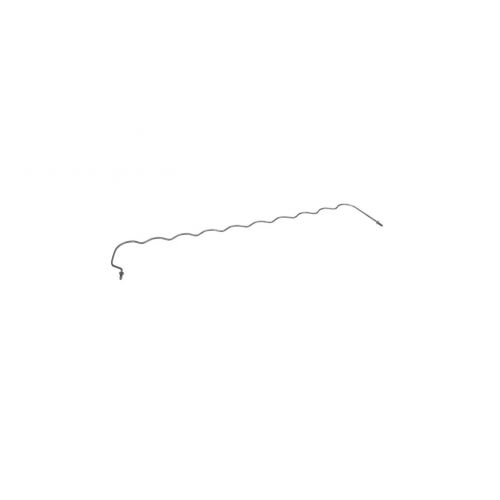 -10%International Comfort Products 1171469 Heat Exchanger SupportSpecial Price $207.63 Regular Price $230.47
 -10%
-10%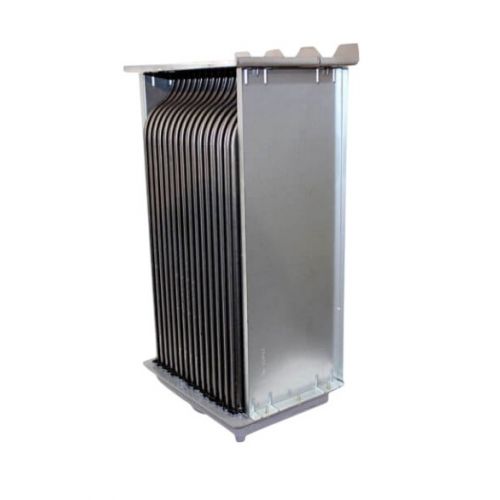 -10%Carrier 334357-751 Condensing Heat Exchanger SecondarySpecial Price $1,324.52 Regular Price $1,470.22
 -10%
-10%- -10%
- -10%International Comfort Products 1172646 Stainless Steel Heat Exchanger 7SSpecial Price $1,509.60 Regular Price $1,675.66
- -10%York S1-363-93846-704 8-Burner Heat ExchangerSpecial Price $4,660.39 Regular Price $5,173.03Out of stock
- -10%York S1-373-12894-703 3-Tube Heat ExchangerSpecial Price $3,084.50 Regular Price $3,423.80Out of stock
- -10%York S1-373-16471-705 5-Tube Heat ExchangerSpecial Price $3,075.88 Regular Price $3,414.23Out of stock
- -10%York S1-363-93846-003 6-Cell Heat ExchangerSpecial Price $2,881.93 Regular Price $3,198.95Out of stock

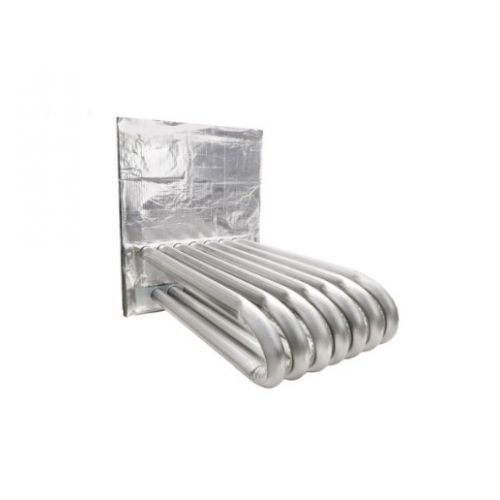
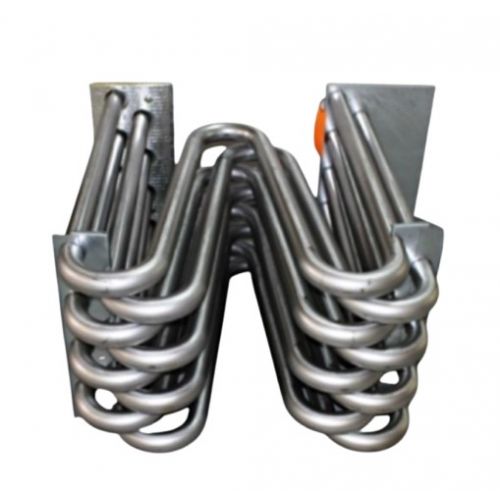
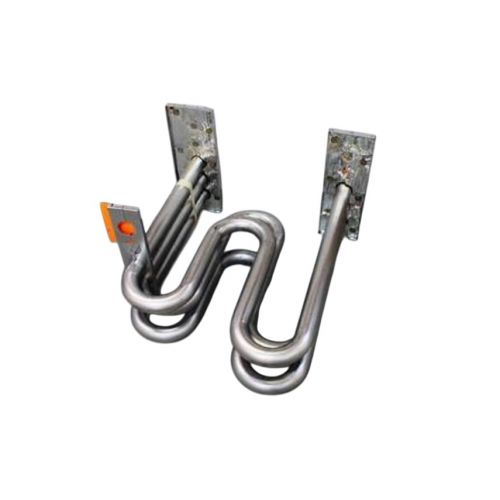
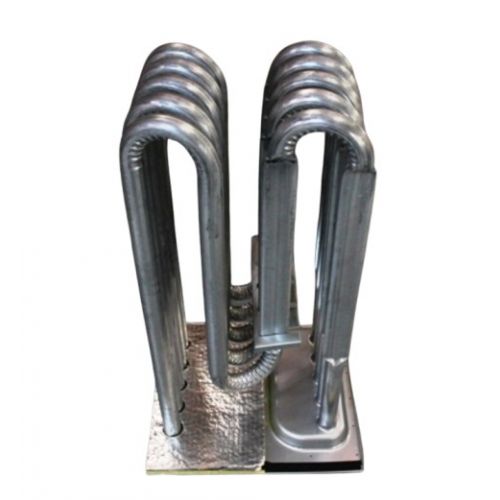
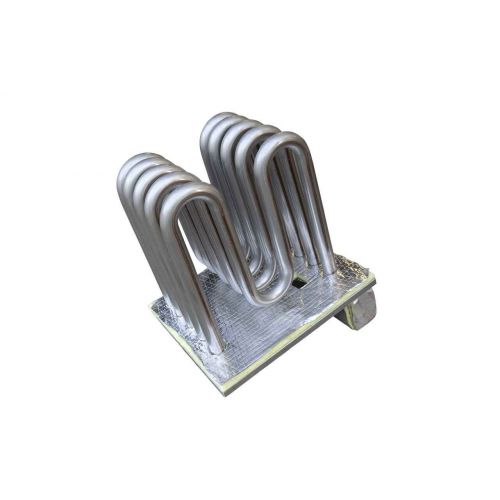
Furnace Heat Exchanger Replacement Parts
The furnace heat exchanger is an essential component of any heating system. It transfers heat from the burner to the air circulating through your home, keeping your space warm efficiently while preventing combustion gases from mixing with indoor air.
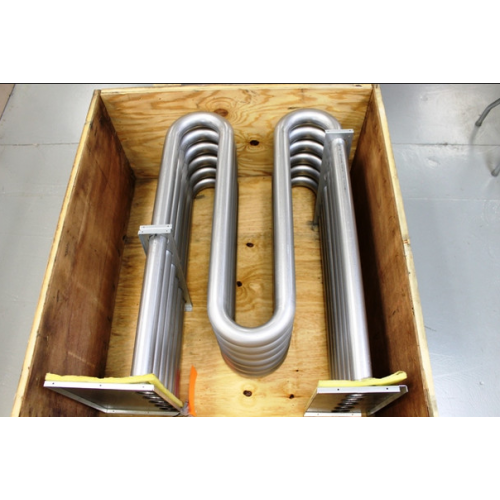
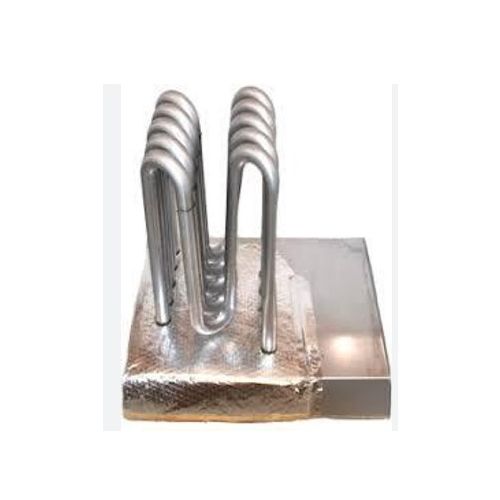
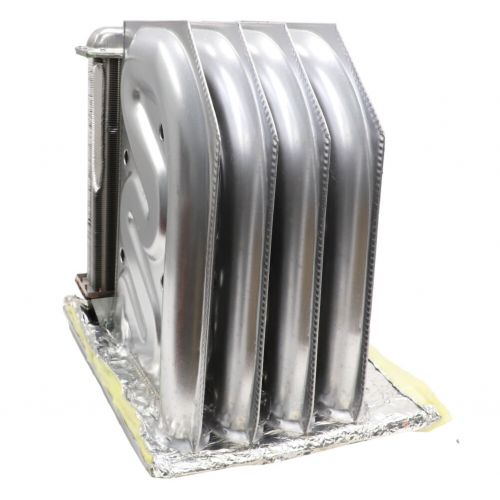
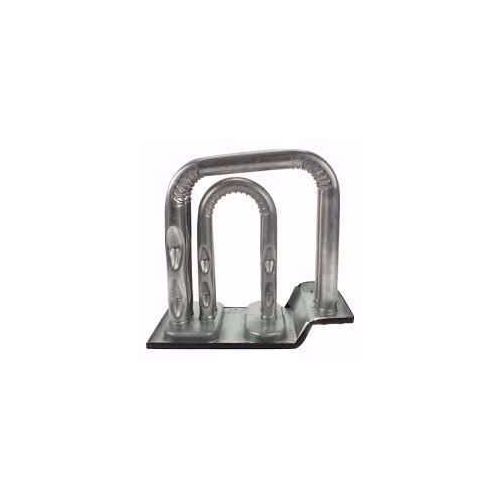
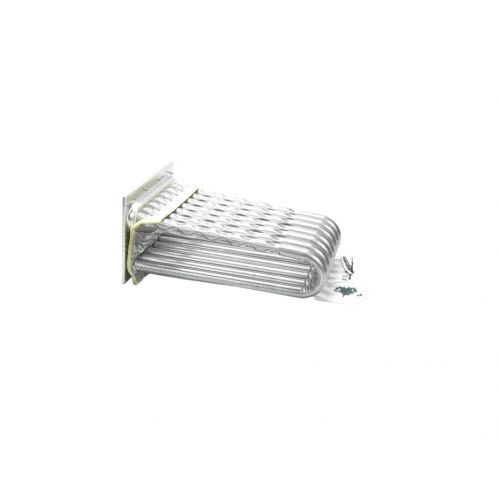
There are different types of heat exchangers designed to meet the needs of various furnace systems. The cell heat exchanger uses multiple cells to maximize heat transfer while keeping combustion gases safely contained. The tube heat exchanger employs tubular passages to efficiently transfer heat and is commonly used in both gas and oil furnaces. The burner heat exchanger works directly with the furnace burner to ensure the heat generated is effectively transferred to the circulating air. For complete replacements, a heat exchanger assembly provides a full unit combining all necessary components to match specific furnace models. Proper maintenance and timely replacement of furnace heat exchangers are critical for both performance and safety.
At PartsHnC, we offer a comprehensive range of furnace heat exchanger parts, including gas furnace heat exchangers, heat exchanger baffles, heat exchanger flange gaskets, and more options from top brands Rheem-Ruud, Carrier, and York.
FAQs
What causes a furnace heat exchanger to crack?
Cracks are commonly caused by thermal stress from repeated heating and cooling cycles, corrosion, or manufacturing flaws. High operational temperatures may also contribute.
Is it safe to use a furnace with a damaged heat exchanger?
No. A faulty heat exchanger can emit carbon monoxide, a hazardous and potentially fatal gas. Immediate inspection and replacement are required.
What maintenance can extend the life of a furnace heat exchanger?
Regular cleaning, air filter replacement, annual HVAC inspections, and furnace maintenance can help avoid corrosion, cracks, and premature failure.
Are all furnace heat exchangers the same size?
No, heat exchangers vary by furnace brand, model, and fuel type. Always ensure you get the correct replacement part for your specific system.