 Loyalty Program

Solenoid valves in commercial HVAC heat pumps control refrigerant flow and enable mode switching. They operate via an electromagnetic coil and plunger. Failures from dirt, wear, or coil burnout can cause system issues; regular maintenance is essential.
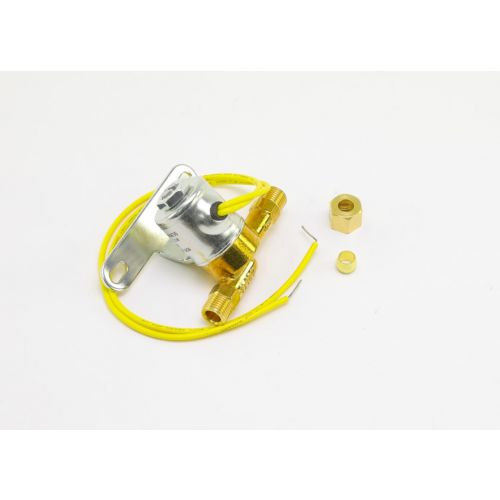 -13%
-13%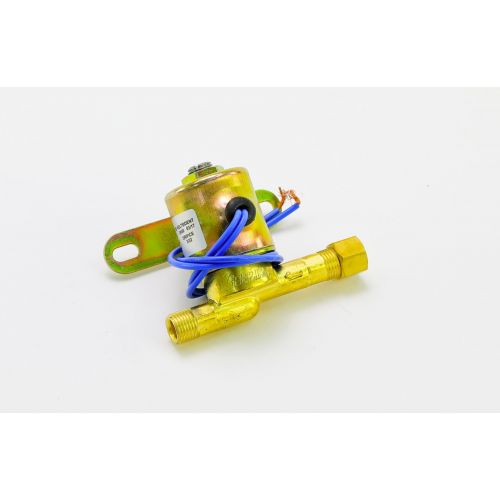 -13%
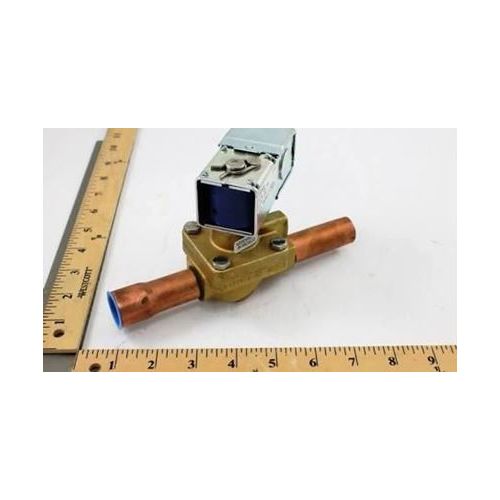
-13%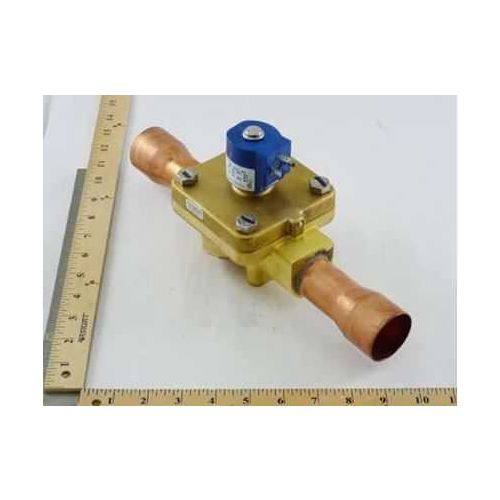 -10%York 025-40330-000 Economizer Solenoid Valve 120VSpecial Price $811.57 Regular Price $900.84Out of stock
 -10%
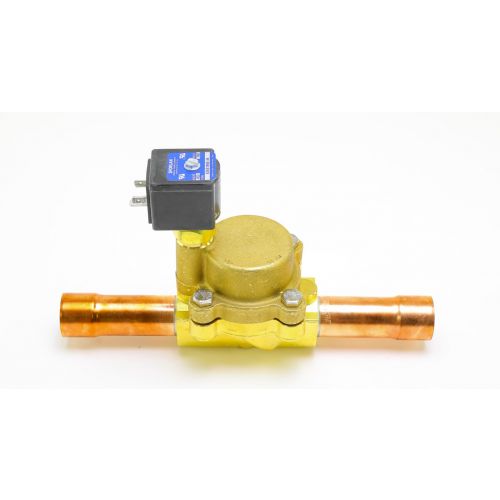
-10% -10%York 025-41743-000 Solenoid Valve N/C 1-1/8" ODF DIN Coil 120VSpecial Price $1,104.76 Regular Price $1,226.28Out of stock
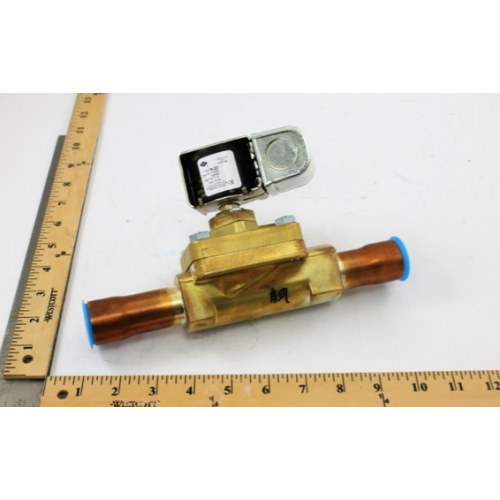
- -10%Sporlan Controls 3913-00 1 Inch 2W Solenoid Valve Less CoilSpecial Price $849.32 Regular Price $942.74
- -10%Sporlan Controls 3518-00 2-Way Solenoid Valve N/C 1/2" SweatSpecial Price $279.17 Regular Price $309.87Out of stock
- -10%York S1-4341-00 2-Way N/C Solenoid Valve 1/2" SweatSpecial Price $317.42 Regular Price $352.34Out of stock
- -10%

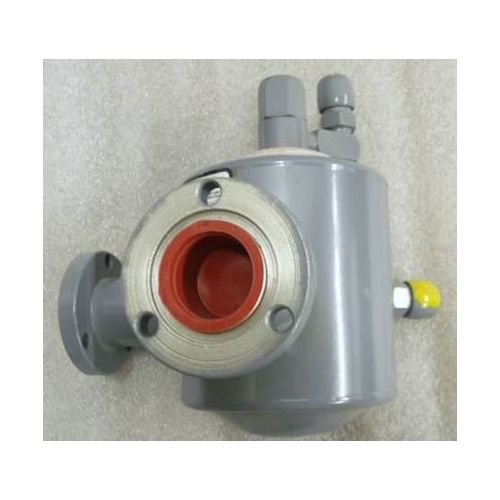
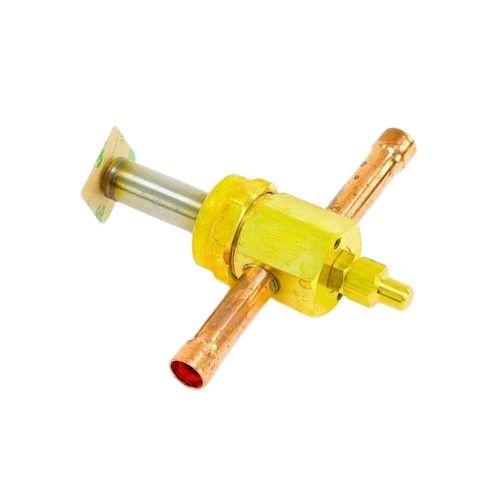
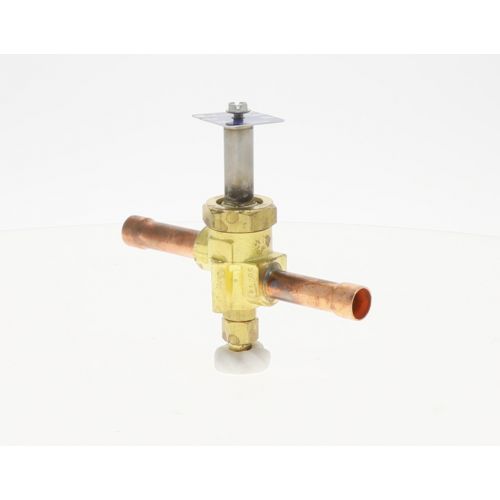
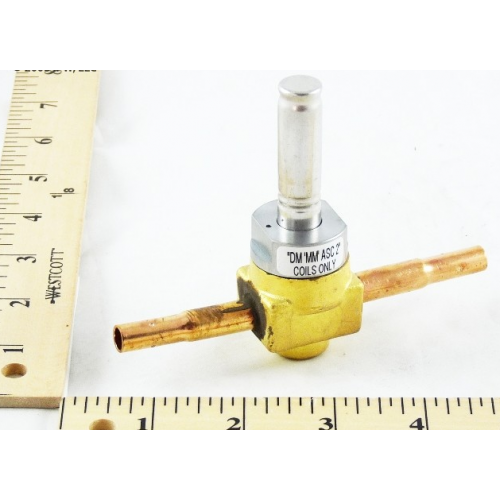
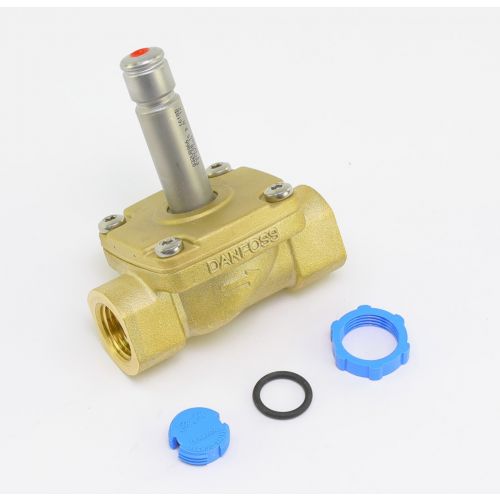
Heat Pump Reversing Valve Replacement Parts
Solenoid valves in heat pump systems control the direction and flow of refrigerant by opening or closing based on electrical signals. These electromechanical devices are essential in commercial HVAC heat pumps, particularly for reversing valve functions, enabling seamless switching between heating and cooling modes.
A solenoid valve typically consists of a coil, plunger, spring, and valve body. When energized, the coil creates a magnetic field that moves the plunger, opening or closing the valve. Common signs include inconsistent heating or cooling, loud clicking sounds, stuck valves, or refrigerant pressure imbalances. Failures often stem from coil burnout, dirt buildup, or mechanical wear in the plunger or seals. Regular inspection and timely replacement of solenoid valves are critical for maintaining the reliability of commercial HVAC heat pump systems.
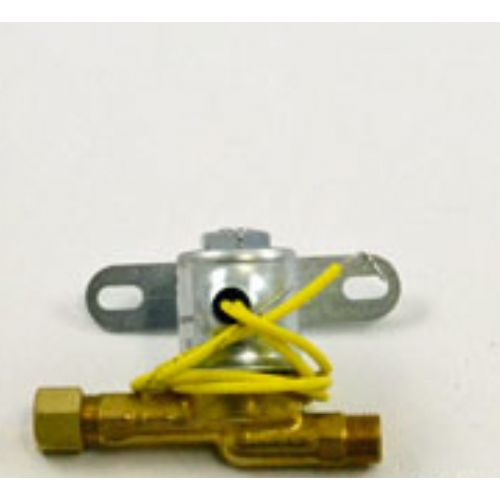
At PartsHnC, we offer high-quality heat pump solenoid valves, including humidifier solenoid valves, bi-flow solenoid valves, solenoid valves (1/2" NPT), Oil Solenoid Valve Assemblies (24V), and solenoid valves with coils from top brands like York, International Comfort Products, Parker-Jackes Evans, Danfoss, and Dwyer Instruments at competitive prices.
FAQs
What is the common problem of solenoid valves?
The most common problem is the valve failing to open or close properly due to electrical failure, dirt, or worn-out internal parts.
Do solenoid valves get clogged?
Yes, solenoid valves can get clogged by debris, sediment, or scale buildup, especially in unfiltered or dirty fluids.
How do you check a solenoid valve?
Check for clicking sounds when powered, test coil resistance with a multimeter, and inspect for blockages or mechanical damage.
How do I reset a solenoid valve?
Turn off power, clean or inspect the valve, then restore power; some models may have a manual reset button or lever.