 Loyalty Program

HVAC gaskets provide a critical seal between components, preventing air, gas, or fluid leaks in heating, cooling, and ventilation systems. Using the correct gasket ensures efficient operation, maintains proper pressure, and prevents energy loss.
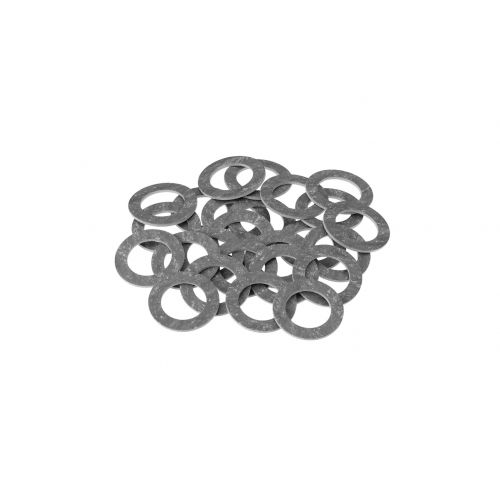 -23%Siemens 599-03394 Powermite Union Gasket 3/4" 25-PackSpecial Price $48.75 Regular Price $63.37Out of stock
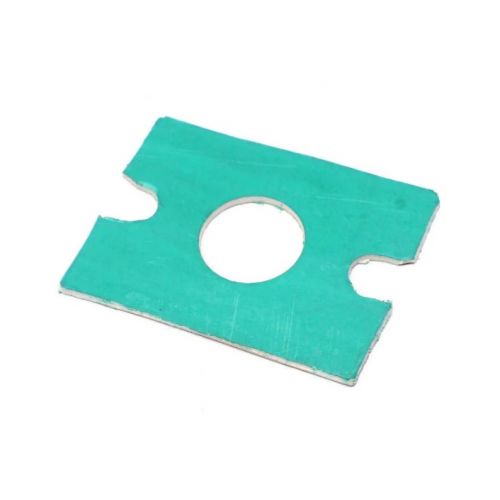 -23%
-23%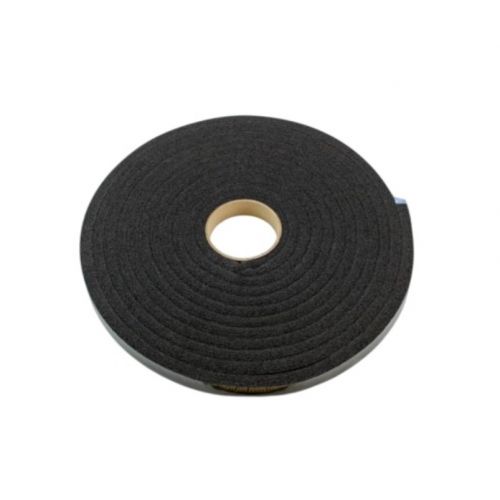 -13%York S1-028-12049-001 Roll Gasket Material 1/2" X 1" X 25'Special Price $64.38 Regular Price $74.04
 -26%
-26%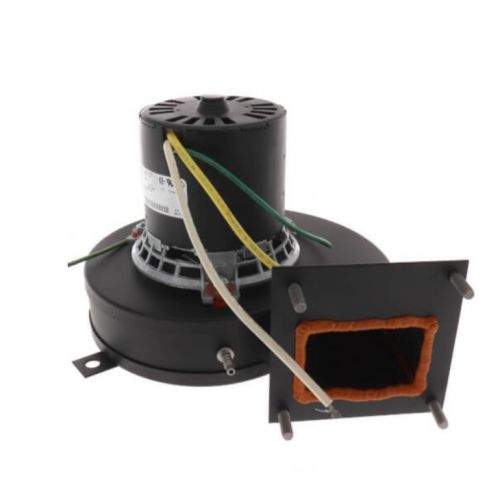
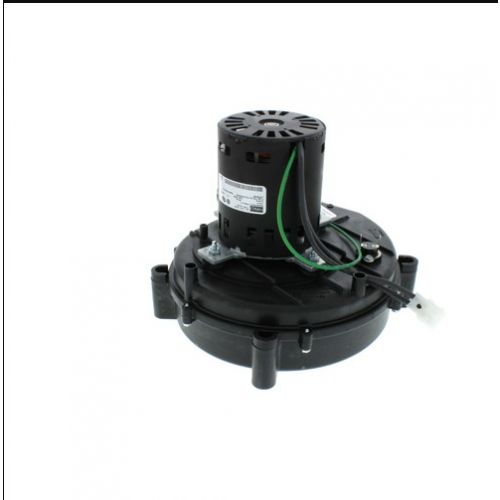
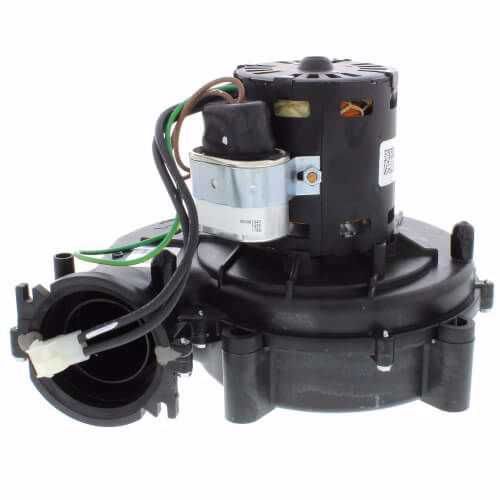
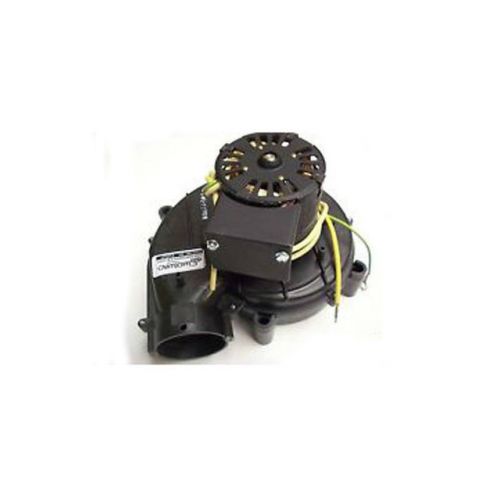
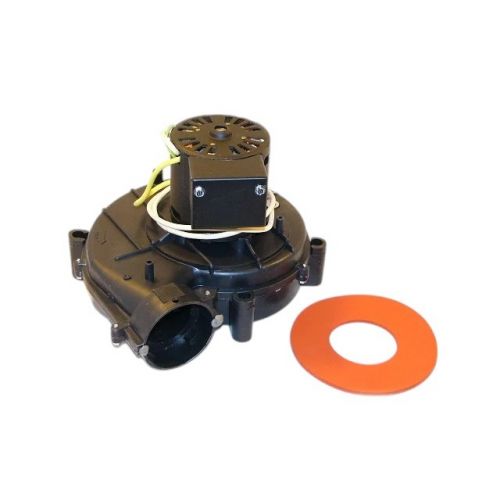
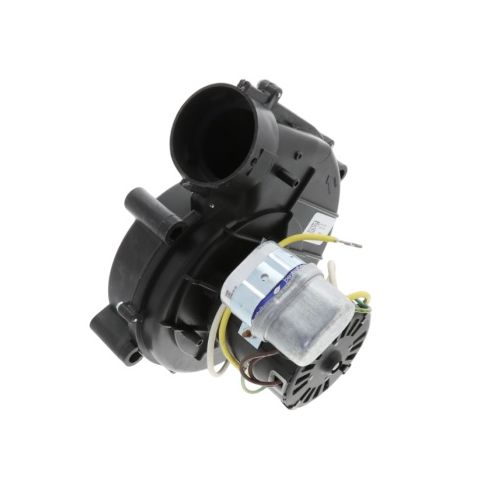
 -10%York S1-326-32067-000 Venter Assembly W/Gasket 3000 RPM 115VSpecial Price $526.33 Regular Price $584.22Out of stock
- -10%York S1-324-34558-000 Venter W/Limiter & Gasket 3400 RPM 115VSpecial Price $589.53 Regular Price $654.38
- -10%York S1-373-20717-001 Venter Assembly W/Gasket 3450 RPM 115VSpecial Price $575.15 Regular Price $638.42
- -10%York S1-324-25007-000 Inducer Assembly W/Gasket 3450 RPM 115VSpecial Price $614.16 Regular Price $681.72
- -10%York S1-324-25008-000 Venter Assembly W/Gasket 3450RPM 115VSpecial Price $897.62 Regular Price $996.36
- -10%York S1-324-25057-000 Venter Assembly W/Gasket 3450 RPM 115VSpecial Price $771.48 Regular Price $856.35



Oil Burner Gaskets & Duct Gaskets for HVAC Systems
Gaskets are essential for maintaining airtight and watertight seals in furnaces, air conditioners, boilers, and duct systems. They prevent leaks that can reduce efficiency, cause overheating, or damage components. Installing the correct oil burner gasket ensures proper sealing and prevents fuel leaks, while a well-fitted furnace gasket protects the unit from heat and air loss. Similarly, a durable HVAC duct gasket maintains consistent airflow and prevents energy waste, and boiler gaskets help contain high-temperature water or steam safely. Key gasket types include 1-stage and 2-stage inducer assembly gaskets, roll U-shape gaskets, cell condensate pan gaskets, furnace gaskets, and duct gaskets. Common issues include cracked, compressed, or worn gaskets that result in leaks, unusual noises, or uneven system performance. Diagnosing gasket problems involves visual inspection, checking for air or fluid leaks, and replacing any compromised gaskets to restore optimal system operation.
At PartsHnC, we offer a wide range of HVAC gaskets and sealing components, including inducer assembly gaskets, roll U-shape gaskets, and cell condensate pan gaskets. Our inventory supports trusted brands such as Carrier, Trane, Lennox, and York, ensuring durability, proper fit, and long-lasting performance.
FAQs
How do I replace a gasket in HVAC equipment?
Turn off the power, remove the component, clean the sealing surfaces, install the new gasket, and reassemble the unit. Using the correct furnace gasket or oil burner gasket ensures proper sealing and system efficiency.
Why is my HVAC system leaking air or fluid?
Leaking gaskets are often worn, cracked, or misaligned. Inspect all seals, including HVAC duct gaskets and boiler gaskets, and replace damaged ones to restore system integrity.
Can I install HVAC gaskets myself?
Yes, many duct and furnace gaskets can be replaced by experienced DIYers. For boiler or inducer assembly gaskets, professional installation is recommended.
How do I replace a furnace gasket?
Turn off the power, remove the old gasket, clean the surface, install a new furnace gasket, and test the system for leaks.
How do I fix a leaking HVAC duct gasket?
Inspect the ductwork, remove damaged gaskets, replace them with proper seals, and ensure all joints are airtight. Using a quality HVAC duct gasket ensures consistent airflow and energy efficiency.