 Loyalty Program

HVAC condensers and evaporator coils are critical heat exchange components that regulate temperature and refrigerant flow. They ensure efficient heat transfer, stable cooling performance, and reliable operation in residential and commercial HVAC systems.
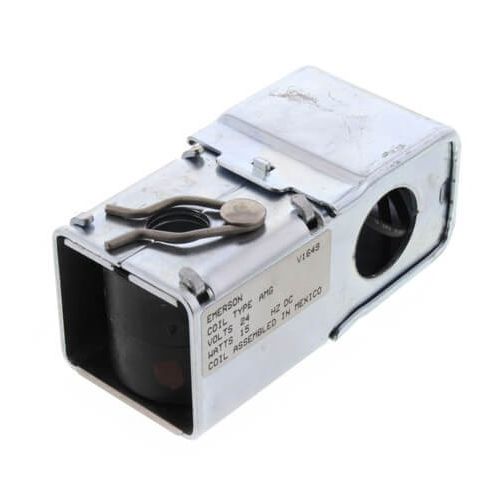
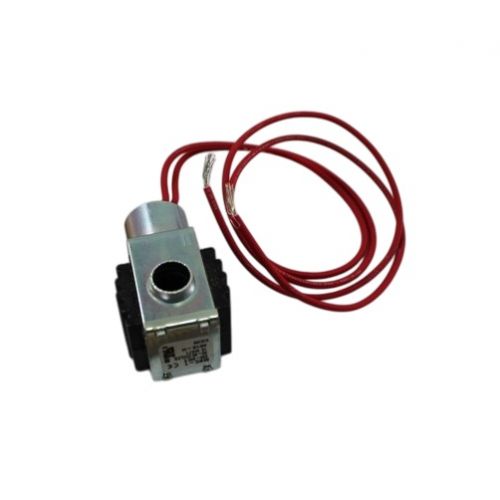 -13%Sporlan Controls 310195 Solenoid Valve Coil W/Conduit Connector 240V NEMA-4Special Price $109.49 Regular Price $125.92
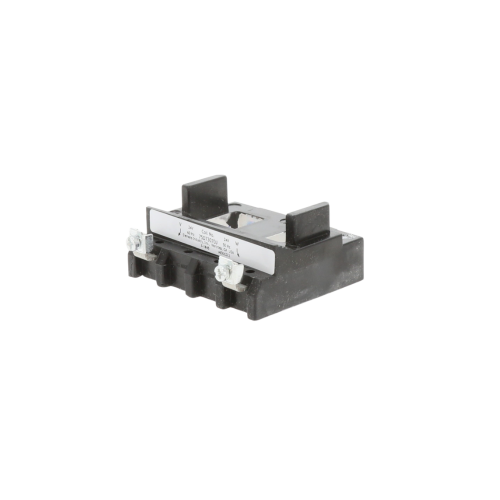
 -13%Siemens Industrial Controls 75D73070J Coil NEMA SZ 00-2 1/2" 24VACSpecial Price $130.44 Regular Price $150.00
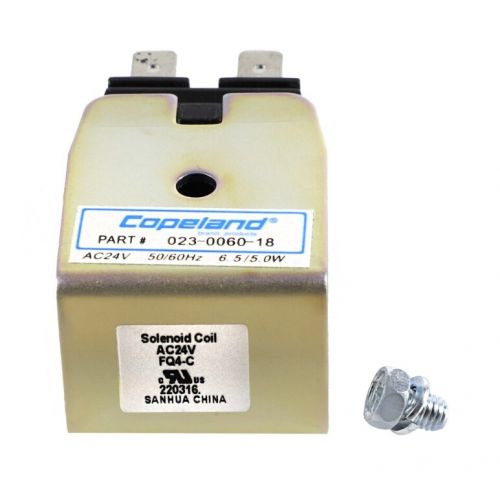
- -13%Copeland 023-0060-18 Inductor/Coil 1/4" Spade Connection 24V CoilSpecial Price $64.33 Regular Price $73.98
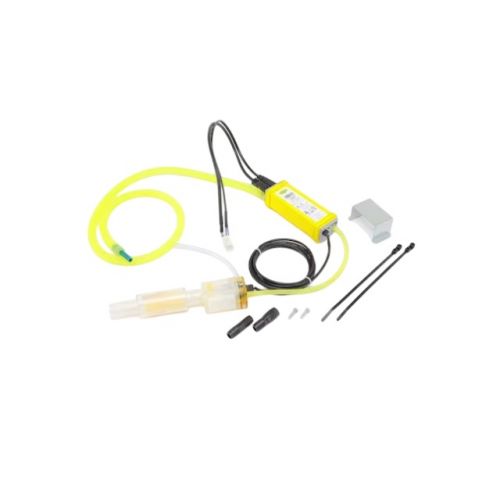
- -10%Utica-Dunkirk 550003441 Condenser Pump W/Filter 120/240VSpecial Price $703.63 Regular Price $781.03Out of stock

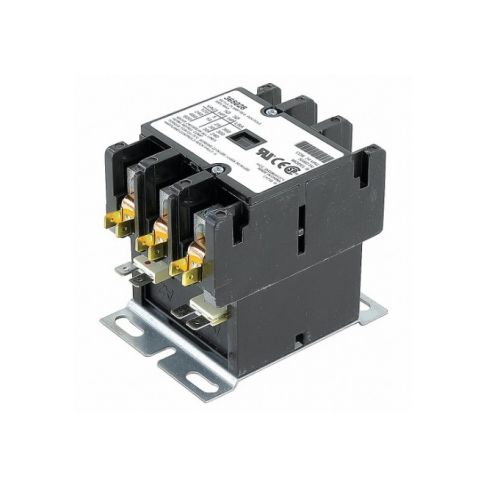

HVAC Condensers & Evaporator Coil Replacement Parts
Heating and cooling systems depend on efficient heat exchange to maintain indoor comfort. HVAC condensers release absorbed heat to the outdoor environment, while HVAC evaporator coils absorb indoor heat to produce cooled air. These components work together to complete the refrigeration cycle and maintain proper system pressure and temperature balance.
Over time, dirt buildup, corrosion, or refrigerant leaks can reduce heat transfer efficiency. When condensers become clogged or damaged, the system may experience high head pressure, overheating, or compressor strain. In such cases, timely HVAC condenser replacement restores airflow and prevents long-term equipment damage.
Inside the air handler, evaporator coils play a crucial role in absorbing heat. Damaged or leaking coils can cause reduced cooling, ice formation, uneven airflow, or rising humidity levels. Prompt HVAC evaporator coil replacement helps maintain proper refrigerant flow and system efficiency.
Common wear signs include warm supply air, frequent system cycling, refrigerant leaks, corrosion on coil fins, and increased energy consumption. Ignoring these indicators can reduce performance, raise operating costs, and shorten compressor lifespan.
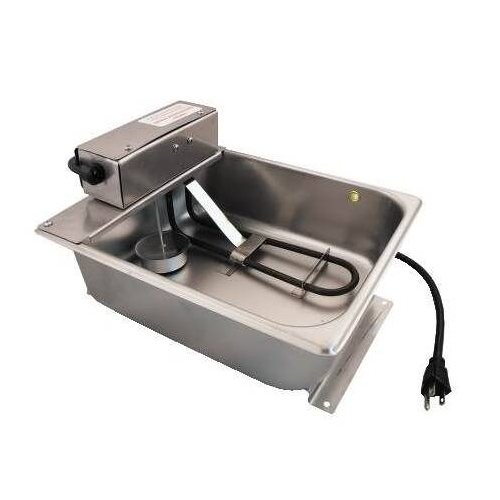
At PartsHnC, we offer high-quality HVAC condensers and evaporator coils, including condenser assemblies, condenser fan shrouds, coil guards, replacement evaporator coils, cased and uncased coils, A-coils, slab coils, drain pans, and heat exchange components from trusted brands like Carrier, Trane, Lennox, and York, all at competitive prices.
FAQs
What are the signs of a failing HVAC condenser?
High system pressure, overheating, loud operation, reduced cooling output, and rising energy bills often indicate condenser issues.
How do I know if my evaporator coil is leaking?
Common signs include refrigerant odor, ice buildup on the coil, reduced cooling, and frequent low refrigerant warnings.
Can dirty coils affect system efficiency?
Yes. Dirt and debris restrict heat transfer, forcing the system to run longer and increasing energy consumption.
Why is my AC blowing warm air even though it is running?
This can occur due to a clogged condenser, low refrigerant levels, or a damaged evaporator coil, reducing heat exchange efficiency.
When should I replace my HVAC evaporator coil?
Replacement is recommended when coils develop leaks, heavy corrosion, repeated icing, or when repair costs approach replacement value.