 Loyalty Program


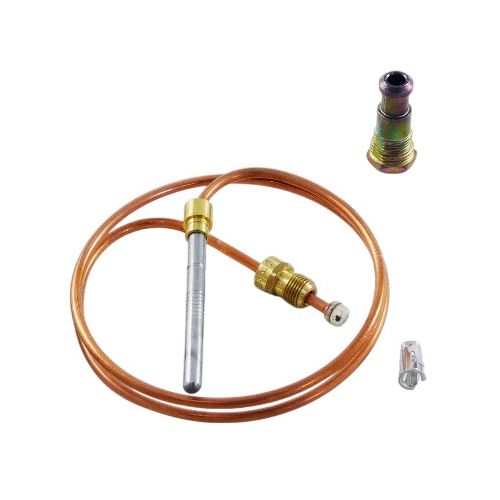
Thermocouples play a vital role in HVAC systems, heat pumps, and various industrial setups, ensuring accurate temperature monitoring and system control. These parts, including connectors, grounding terminals, sealants, protective sheaths, compensation cables, and thermocouple housings, monitor temperature, ensuring accurate readings for efficient system operation.
 -23%
-23%

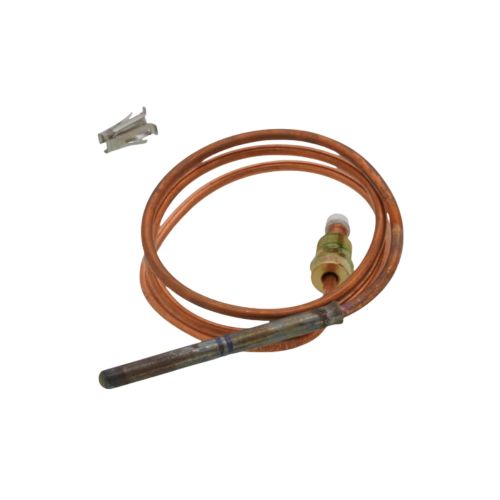
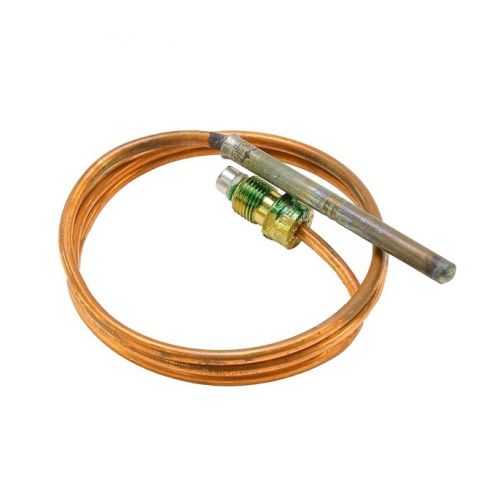
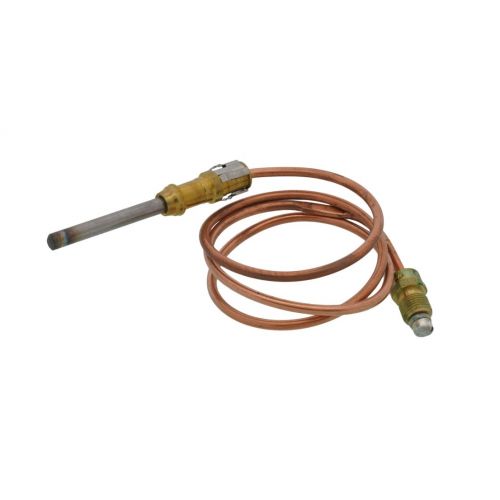
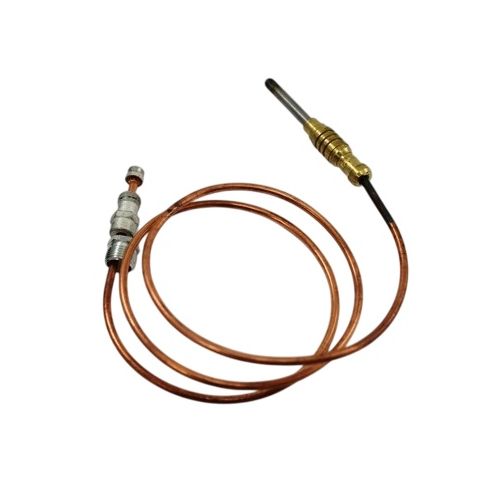
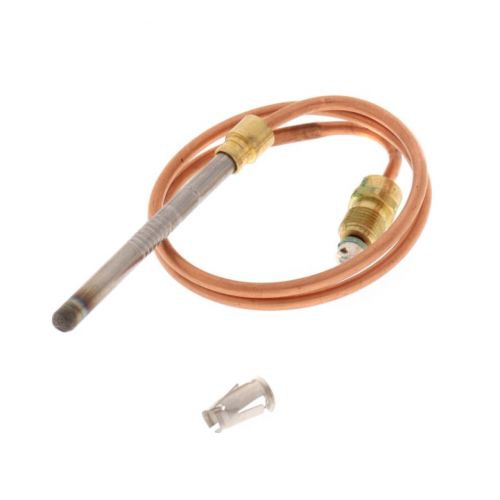
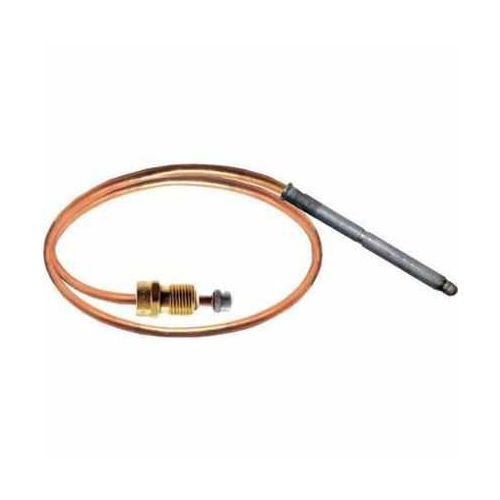
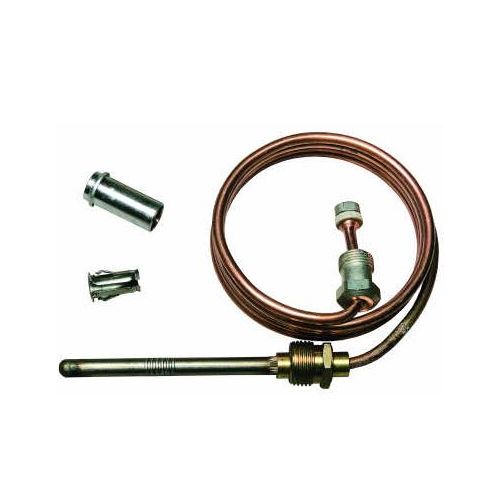
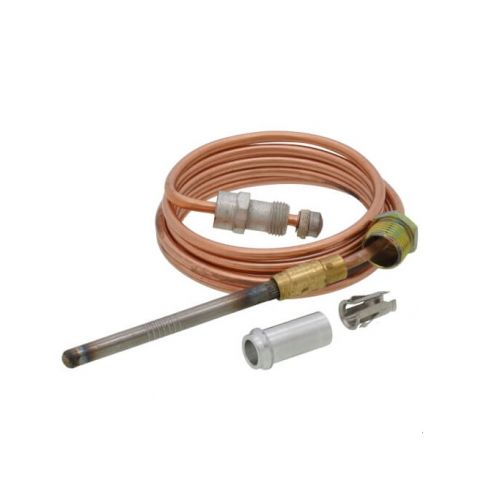
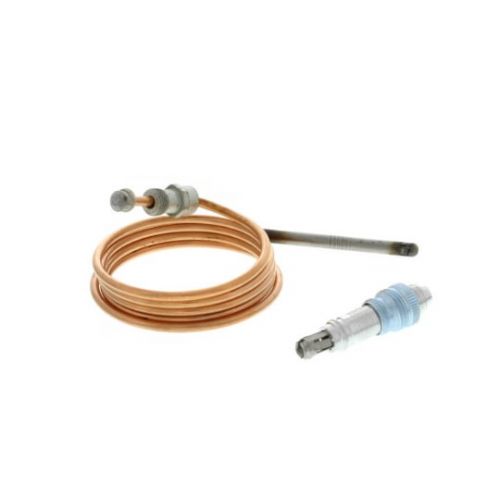
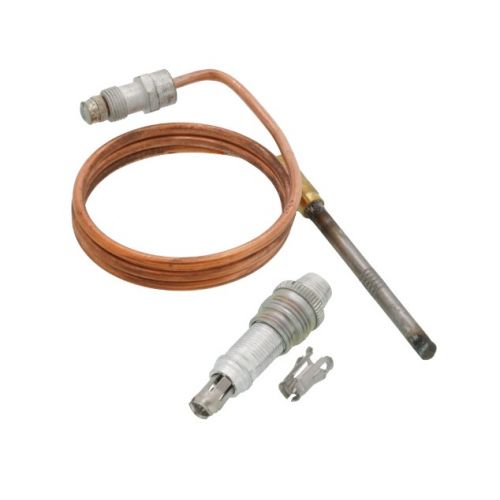
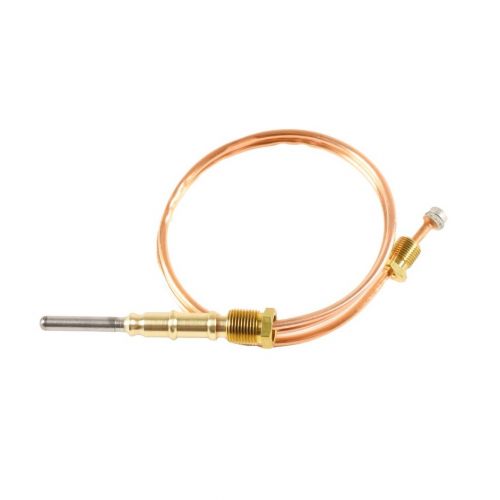
Thermocouple Components for Heat Pumps & HVAC Systems
Thermocouples play a vital role in HVAC heat pump systems by monitoring temperature fluctuations in key components. These sensors ensure precise control of heating and cooling cycles, optimizing system efficiency and protecting against overheating or damage.
Failure of thermocouple components can lead to inaccurate readings and system issues. The metal wires generate a voltage based on temperature differences. The hot junction detects temperature at key points. The cold junction acts as a reference for accurate readings. Insulation material prevents damage and interference. Lead wires transmit the signal to the control system for temperature regulation.
The protective sheath is stainless steel, withstanding 1,800°F and 50 bar, protecting the thermocouple. The compensation cable handles -50°F to 450°F and 50V for accurate signals, while the thermocouple housing is stainless steel, withstanding 1,800°F and 50 bar, ensuring stable readings.
At PartsHnC, we offer top-quality thermocouple components, including connectors, grounding terminals, and sealant, from trusted brands like International Comfort Products, Reznor, Rheem-Ruud, Utica-Dunkirk, and Robertshaw, all at competitive prices.
FAQs
How to tell if a thermocouple is J or K?
Type J has red (positive) and white (negative) wires, using iron and constantan. Type K has yellow (positive) and green (negative) wires, using chromel and alumel.
Does the pilot light need to be in contact with the water heater thermocouple?
Yes, the pilot light should make contact with the thermocouple at the right height. If the flame is too weak or blue, it should be adjusted for strength; if it’s too high, it's too intense.
What is the lifespan of a thermocouple?
Thermocouples can last anywhere from a few years in challenging environments to over 10-15 years for high-grade types like platinum in stable conditions.
Where to find HVAC thermocouple parts?
For high-quality HVAC thermocouples, including connectors, grounding terminals, and housings, consider trusted suppliers like PartsHnC, which offer parts compatible with leading HVAC brands at competitive prices.
What role does a thermocouple play in a gas valve?
A thermocouple in a gas valve detects the pilot flame's heat. It generates a small electrical current that keeps the gas valve open, ensuring a steady flow of gas to the burner or pilot light. If the flame goes out, the thermocouple stops generating voltage, causing the gas valve to close and preventing gas flow.
What is the heating time for a thermocouple?
A thermocouple heats up in a few seconds to a minute, depending on the temperature difference and material type. Response time varies with size and design.