 Loyalty Program

Bearings are vital in HVAC systems, supporting rotating parts like motors, fans, and compressors while reducing friction for smooth operation. They consist of inner and outer races, rolling elements, and a cage. Types include ball, roller, and sleeve bearings, each suited for different loads and speeds.
 -13%
-13%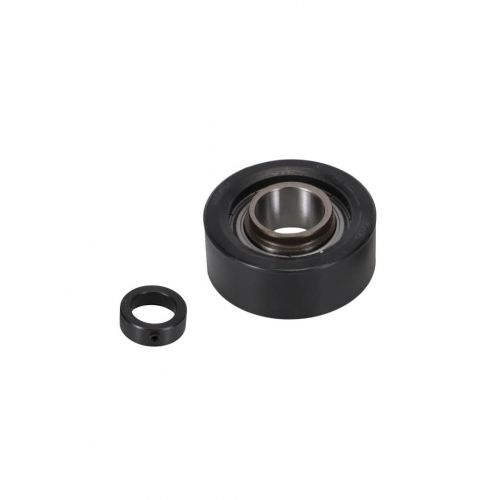 -23%
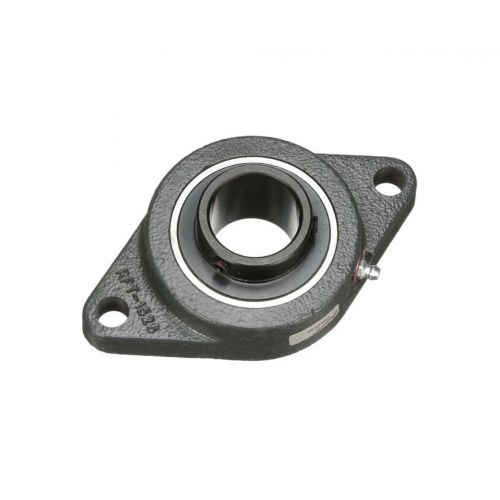
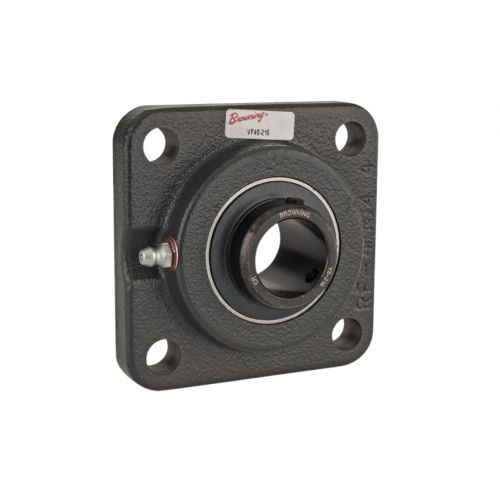
-23%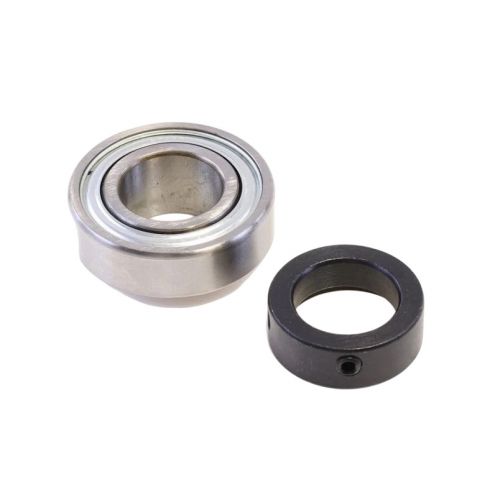 -13%York S1-029-24419-000 1" Ball Bearing W/CollarSpecial Price $125.87 Regular Price $144.75Out of stock
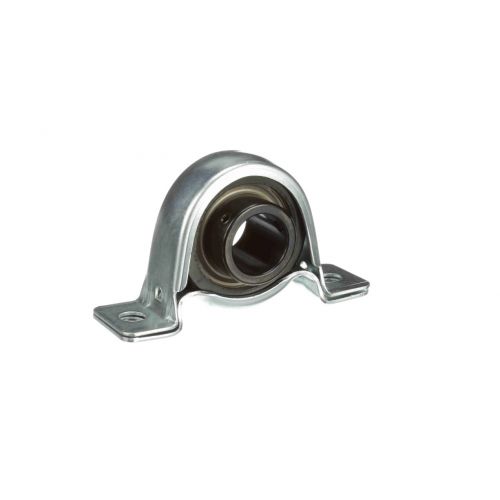
 -23%York S1-029-26863-000 1" Bearing Less IsolatorSpecial Price $45.51 Regular Price $59.17Out of stock
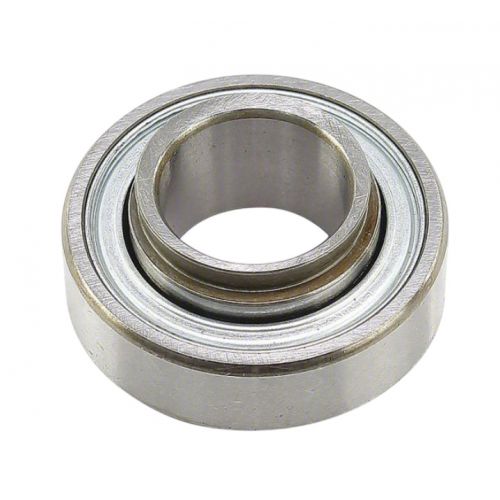
- -23%Amana-Goodman 0163L00247 1" Blower Wheel Ball BearingSpecial Price $49.18 Regular Price $63.94Out of stock
- -13%
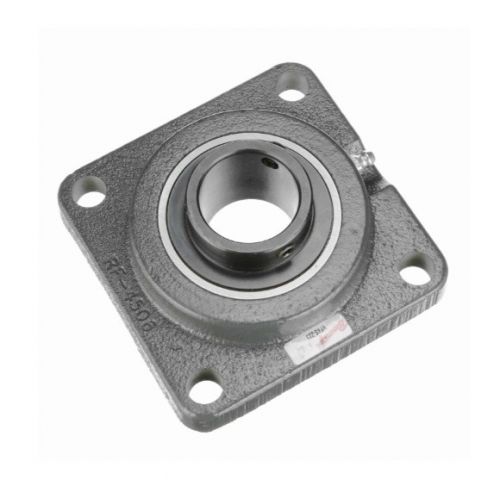
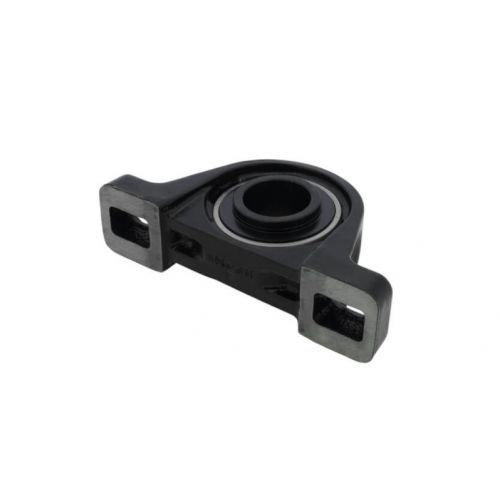
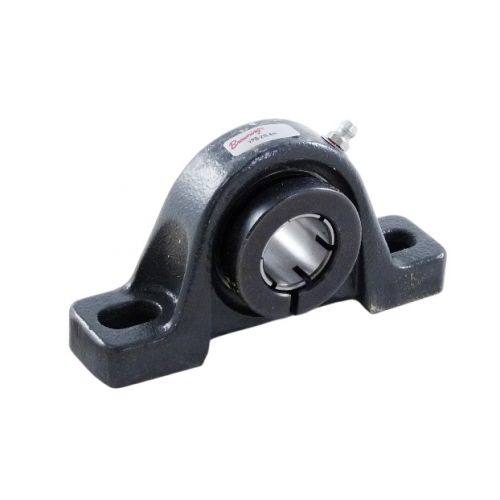
- -13%York S1-029-24407-000 Pillow Block Ball Bearing 1"Special Price $157.39 Regular Price $181.00Out of stock
- -13%
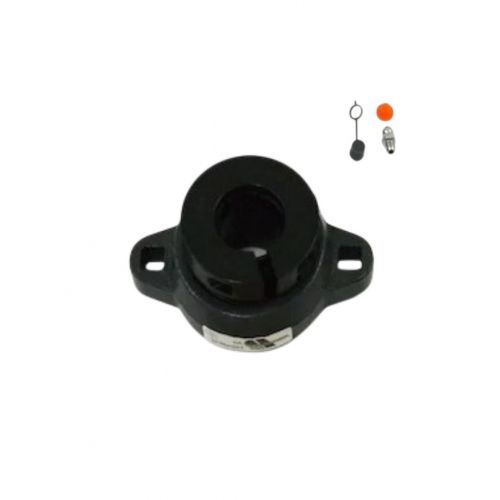
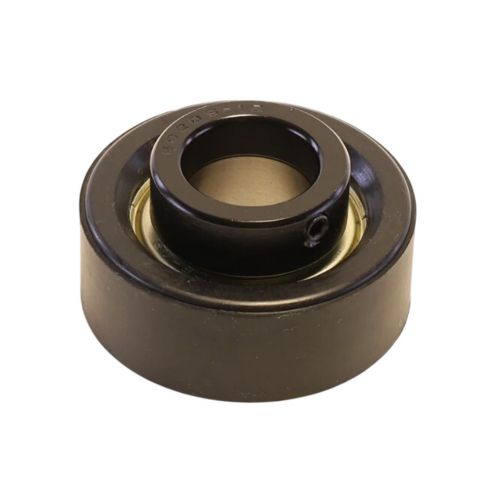
- -13%York S1-029-08623-700 Rubber Cartridge Bearing 1" BoreSpecial Price $122.22 Regular Price $140.56Out of stock

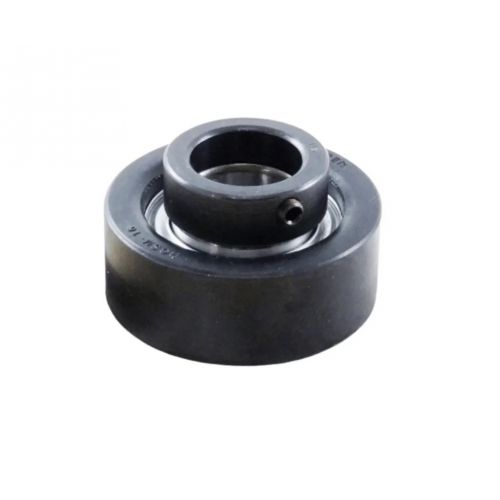
HVAC Bearing Parts
Bearings are crucial mechanical components in HVAC equipment, designed to support rotating parts and reduce friction between moving surfaces. They enable smooth and efficient operation of motors, fans, compressors, and blowers, which are essential for heating, cooling, and ventilation systems to function properly.
Typical parts of a bearing include the inner race, outer race, rolling elements (balls or rollers), and a cage that keeps the rolling elements evenly spaced. Bearings come in various types, such as ball bearings, roller bearings, and sleeve bearings, each suited to different loads and speeds within HVAC machinery.
Signs of faulty bearings include unusual noises such as grinding or squealing, excessive vibration, overheating, and increased energy consumption. These symptoms often arise due to wear, lack of lubrication, contamination, or misalignment. PartsHnC offers a wide range of hvac bearings, including 1" bearing flanges, 1" pillow block bearings, 1.25" bore bearings with oil nipples, (1 1/4") bearing assemblies, and bolt flange mount bearings. Our inventory also includes ball bearing brackets, bearings with cushions, bearing adapter kits, and bearing brackets from top brands like Aaon, Trane, Carrier, Daikin-McQuay and more.
FAQs
Why do HVAC bearings fail prematurely?
Poor lubrication, contamination, or misalignment often cause early bearing failure.
What causes loud noises from bearings?
Worn or damaged bearings produce grinding, squealing, or rumbling noises during operation.
How can I tell if a bearing needs replacement?
Excessive vibration, noise, or heat buildup around the bearing usually indicates wear or damage.
How often should HVAC bearings be lubricated?
Lubrication frequency depends on bearing type but generally ranges from every 3 to 6 months.